
 한국어
한국어 English
 日本語
日本語 中文(简体)
 Viewing nowCombination
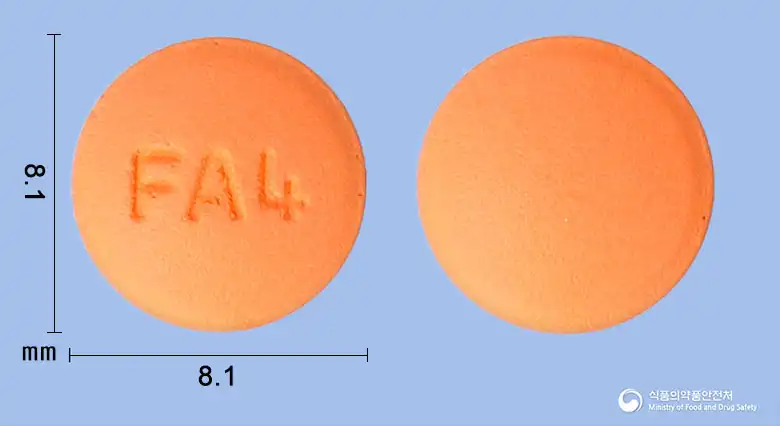
Pimace Tablet 60/5 milligrams
Fimasartan Potassium Trihydrate 66.01mg · S-Amlodipine Besylate Dihydrate 7.38mg
Tablet · Prescription medication · Combination
Dongkook Pharmaceutical Co., Ltd.
MFDS item code 202300427 · Approved 2023.01.31 · Insurance code 653405310
Improvement of blood pressure control in essential hypertension
This medication is used to effectively lower and improve blood pressure in patients with essential hypertension whose blood pressure is not sufficiently controlled by monotherapy with pimasartan potassium.
The recommended dosage for adults is 1 tablet once daily, taken with water regardless of meals. It is recommended to take it at the same time every day (e.g., morning). For patients whose blood pressure is not sufficiently controlled with monotherapy of 30 milligrams of pimasartan, a dose of 30/2.5 milligrams may be administered. For patients whose blood pressure is not sufficiently controlled with monotherapy of 60 milligrams of pimasartan, a dose of 60/5 milligrams may be administered.
This medicine can cause serious harm to the fetus and newborn if taken during pregnancy, especially during the second and third trimesters, so it must be discontinued immediately upon confirmation of pregnancy. Patients with allergies to any of the ingredients in this medication, those who are pregnant or breastfeeding, patients undergoing kidney dialysis, patients with severe liver impairment, patients with biliary obstruction, and those with certain kidney disorders or diabetic nephropathy should not take this medication. Patients with low blood volume or salt, those with impaired kidney function, patients with renovascular hypertension, heart valve disease patients, severe hypotension patients, and the elderly should use this medication cautiously and observe their condition closely while on treatment. Side effects such as dizziness, headache, facial swelling, urinary problems, insomnia, and flushing may occur while taking this medication; any abnormal symptoms should be discussed with a physician. In cases of hypotension or electrolyte imbalance, especially at the beginning of treatment, symptoms of hypotension may appear, so patients should correct their condition before taking this medication and monitor it carefully while on treatment. This medication may increase blood potassium levels, so patients with heart failure or kidney problems should have regular blood tests. There may be interactions with other antihypertensives, certain diuretics, lithium, or non-steroidal anti-inflammatory drugs, so if you are taking any other medications, you must inform your healthcare provider. Pregnant or breastfeeding women should consult their specialist before taking this medication as it may pose risks to the fetus and newborn. Children under 18 years should avoid using this medication as its safety and efficacy have not been established. The elderly may also be more sensitive to this medication, so they should pay attention to dosage adjustments and potential side effects. Patients with moderate to severe liver impairment should not take this medication. In cases of overdose, hypotension, cardiac arrhythmias, or severe shock may occur, requiring immediate hospital treatment. This medication should be kept out of the reach of children and should not be transferred to other containers for safety.
Not everyone experiences these, and they can vary from person to person.
This medication should be stored in a tightly sealed container that blocks light and at a temperature between 1 degree and 30 degrees Celsius. Storing it this way will help maintain its effectiveness and ensure safe use.
Orange round film-coated tablet
30 tablets per bottle, 300 tablets per bottle
Even with the same ingredient, strength, dosage form and how it is taken can differ.
Viewing nowCombinationFimasartan Potassium Trihydrate 66.01mg · S-Amlodipine Besylate Dihydrate 7.38mg
Tablet · Prescription medication · Combination
Dongkook Pharmaceutical Co., Ltd.
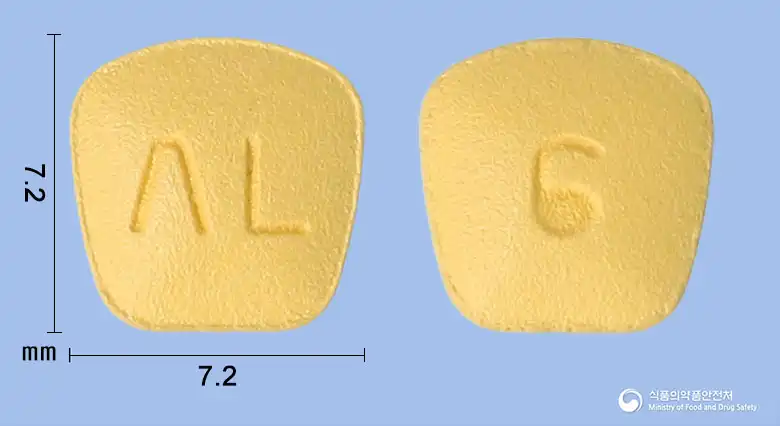 Combination
S-Amlodipine Besylate Dihydrate 3.69mg · Fimasartan Potassium Trihydrate 66.01mg
Tablet · Prescription medication · Combination
Allico Pharmaceutical Co., Ltd.
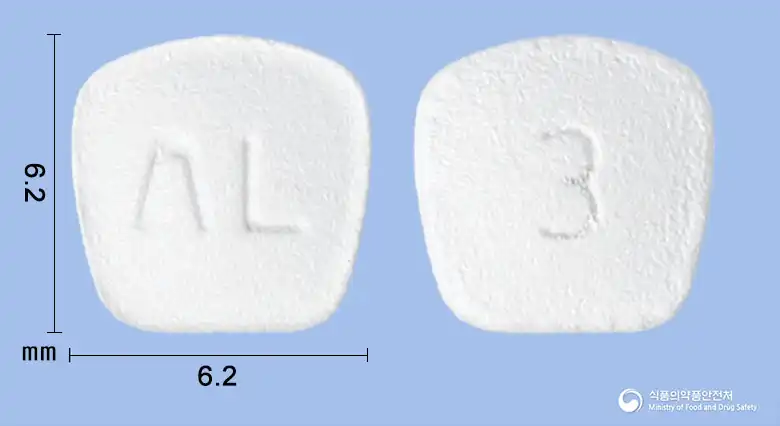 Combination
S-Amlodipine Besylate Dihydrate 3.69mg · Fimasartan Potassium Trihydrate 33.005mg
Tablet · Prescription medication · Combination
Allyco Pharmaceutical Co., Ltd.
S-Amlodipine Besylate Dihydrate 3.69mg · Fimasartan Potassium Trihydrate 33.005mg
Tablet · Prescription medication · Combination
Shinpoong Pharmaceutical Co., Ltd.
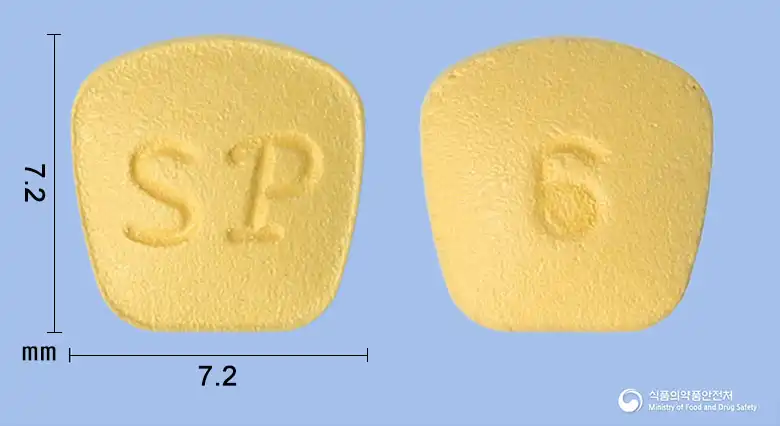 Combination
S-Amlodipine Besylate Dihydrate 3.69mg · Fimasartan Potassium Trihydrate 66.01mg
Tablet · Prescription medication · Combination
Shinpoong Pharmaceutical Co., Ltd.
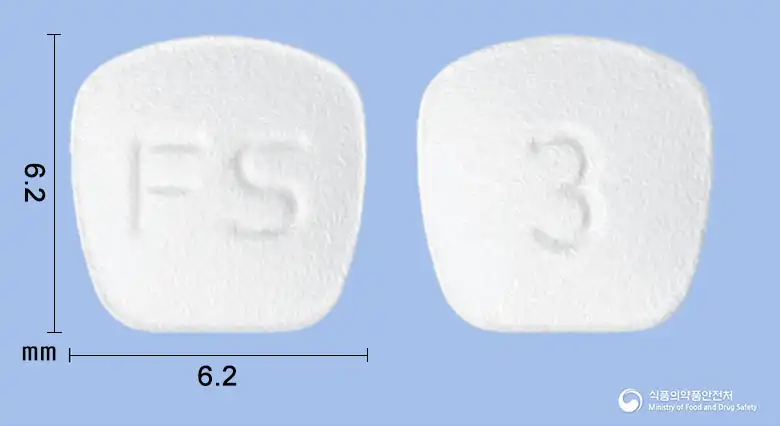 Combination
S-Amlodipine Besylate Dihydrate 3.69mg · Fimasartan Potassium Trihydrate 33.005mg
Tablet · Prescription medication · Combination
Hana Pharmaceutical Co., Ltd.
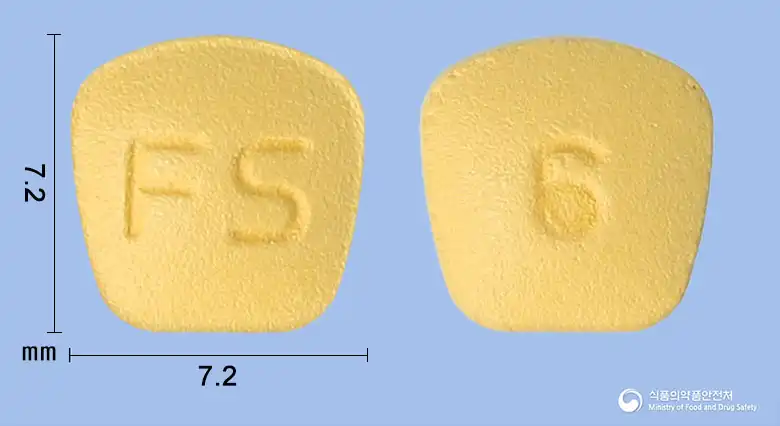 Combination
S-Amlodipine Besylate Dihydrate 3.69mg · Fimasartan Potassium Trihydrate 66.01mg
Tablet · Prescription medication · Combination
Hana Pharm Co., Ltd.
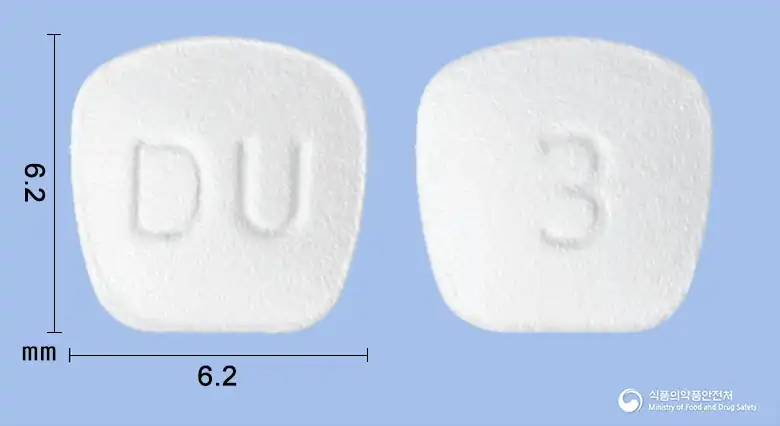 Combination
S-Amlodipine Besylate Dihydrate 3.69mg · Fimasartan Potassium Trihydrate 33.005mg
Tablet · Prescription medication · Combination
Korea Hutech Pharmaceutical Co., Ltd.
Even with the same ingredient, the dose and directions can differ by strength and dosage form. Talk to a doctor or pharmacist before switching from a medication you are already taking.
No questions yet.
For anything that needs medical judgment, consult a doctor or pharmacist.
This drug information is based on data provided by the Korea Ministry of Food and Drug Safety.
Consult a doctor or pharmacist for accurate dosage, administration, and usage instructions.