
 한국어
 English
 日本語
 中文(简体)
 Viewing now
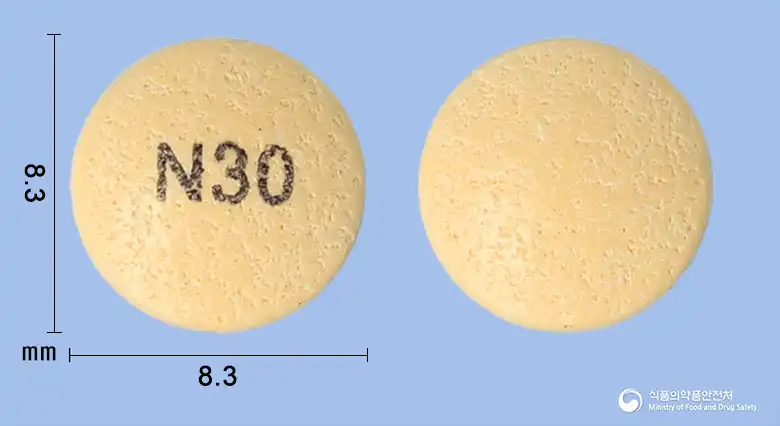
Nisergoline Tablets 30 mg (Nisergoline)
Nicergoline 30mg
Prescription medication
Hanmi Pharmaceutical Co., Ltd.
MFDS item code 202300406 · Approved 2023.01.31 · Insurance code 643508620
Treatment of dementia syndrome (memory impairment, difficulty concentrating, etc.)
This medication is used to improve motivation reduction due to chronic cerebrovascular disorders resulting from sequelae of cerebral infarction. Additionally, it can aid in alleviating atherosclerotic headaches commonly experienced by the elderly and serves as an adjunct therapy for hypertension. The 30 mg dosage is effective in treating the primary symptoms of dementia syndromes associated with primary degenerative vascular dementia and complex dementia, including memory impairment, concentration difficulties, judgment deficits, and lack of initiative. In summary, this medication is used to improve cerebrovascular-related symptoms and dementia symptoms, enhancing cognitive function and motivation in patients.
* 5 mg, 10 mg Adults: Administer 5 ∼ 10 mg of nicergoline orally 2 ∼ 3 times daily before meals. Adjust the dose as appropriate according to symptoms. * 30 mg Adults: Administer 30 mg of nicergoline orally once daily before a meal. If the desired effect is not achieved at this dose, it may be increased to 60 mg. The dose may be reduced after symptoms improve. In patients with impaired renal function (serum creatinine >175 µmol/L) (2 mg/dL), administer a reduced dose.
This medication should not be used in certain patients. Individuals allergic to this medication or ergot alkaloids should not take it. Patients with acute heart problems or acute bleeding may be at risk if using this medication. Patients taking sympathomimetic agents or those with very slow heart rates should avoid this medication. Patients with intracranial bleeding where hemostasis has not been achieved or with orthostatic hypotension should also not use this medication. Patients with mild bradycardia or impaired renal function should use this medication with caution. During treatment, gastrointestinal symptoms such as indigestion, diarrhea, constipation, nausea, vomiting, and dry mouth may rarely occur. Liver function test values may also rise, so caution is necessary. Dizziness, changes in blood pressure, drowsiness, headache, fatigue, insomnia, and skin rashes or itching, which may indicate allergic reactions, can occur rarely. When used with antihypertensive agents, blood pressure may drop excessively, so frequent monitoring is necessary. Patients with a history of gout should be cautious as uric acid levels may be affected. Care should be taken after taking this medication regarding driving or operating machinery. This medication can interact with other drugs during its metabolic process in the liver, so patients must inform about other medications they are taking. Women who are pregnant or may become pregnant should use this medication with caution, and those who are breastfeeding should avoid it or discontinue breastfeeding if possible. Elderly patients may have decreased body function, thus requiring dosage adjustments or increased monitoring. Safety in children has not been clearly established and is not recommended. In case of overdose, blood pressure may temporarily drop, so blood pressure changes should be closely monitored and necessary actions taken. This medication should be stored out of reach of children and kept tightly closed in its original container. Storing in other containers may compromise the quality of the medication or risk misuse.
Not everyone experiences these, and they can vary from person to person.
This medication should be stored in a tightly closed container to protect it from air and moisture, and the temperature should ideally be kept between 1 and 30 degrees Celsius at room temperature. This storage method will help maintain the medication's efficacy for a longer period.
Pale yellow round tablet
30 tablets/bottle, 100 tablets/bottle
Even with the same ingredient, strength, dosage form and how it is taken can differ.
Viewing nowNicergoline 30mg
Prescription medication
Hanmi Pharmaceutical Co., Ltd.
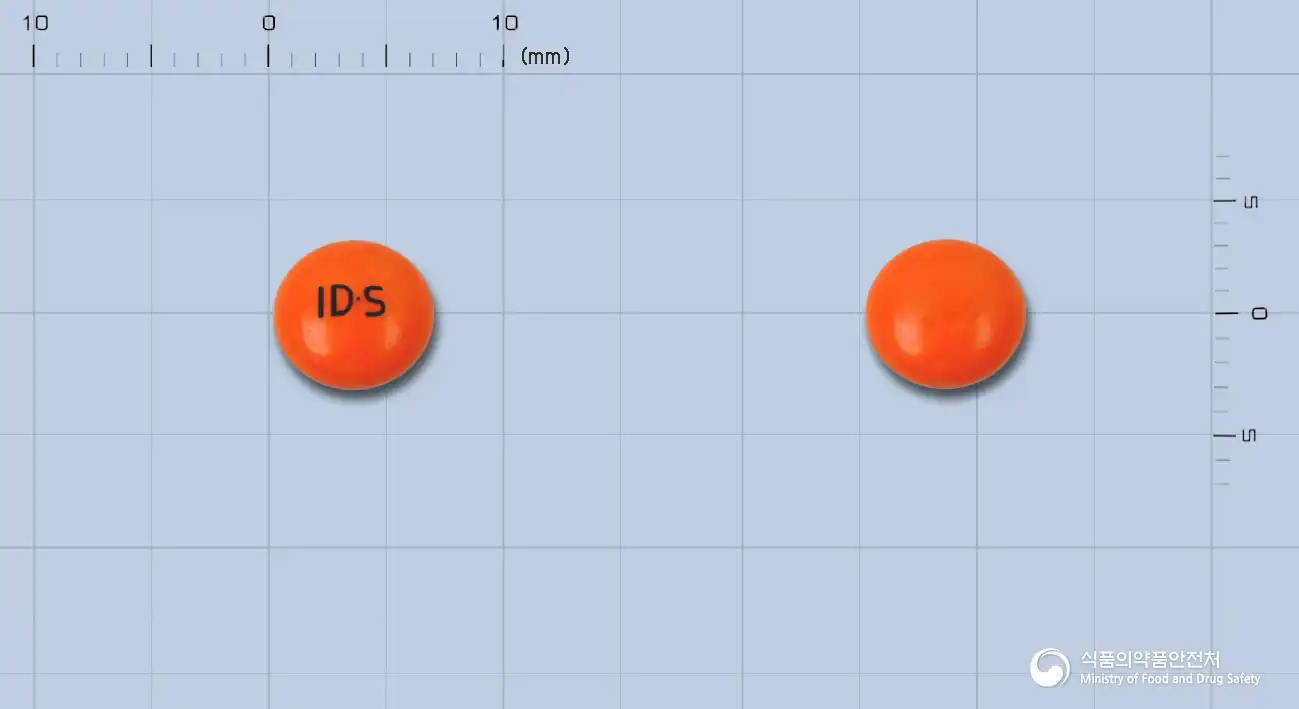
Nicergoline 5mg
Prescription medication
IlDong Pharmaceutical Co., Ltd.
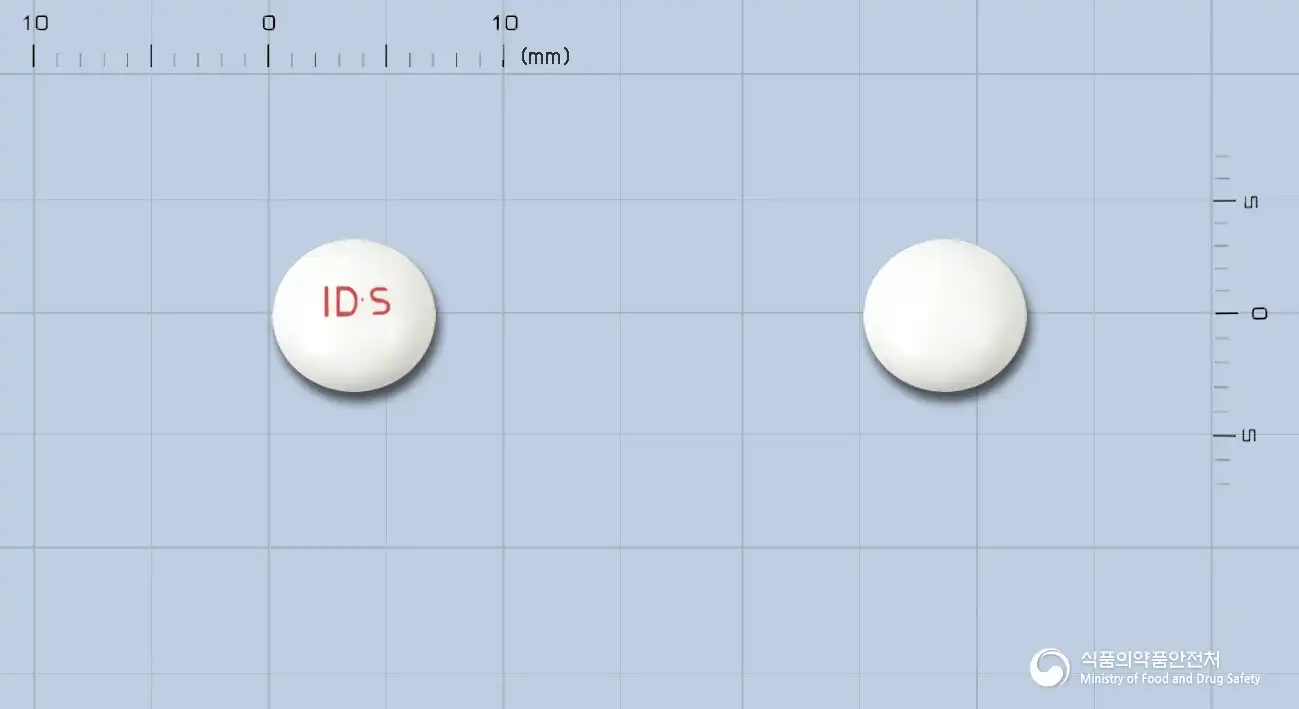
Nicergoline 10mg
Prescription medication
IlDong Pharmaceutical Co., Ltd.
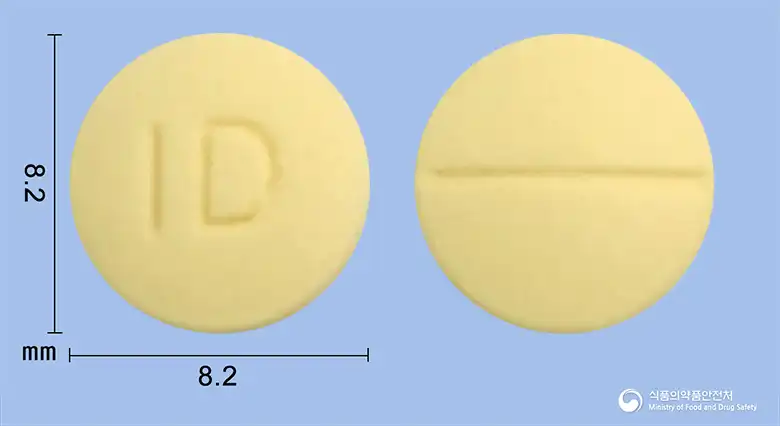
Nicergoline 30mg
Tablet · Prescription medication
Il Dong Pharmaceutical Co., Ltd.
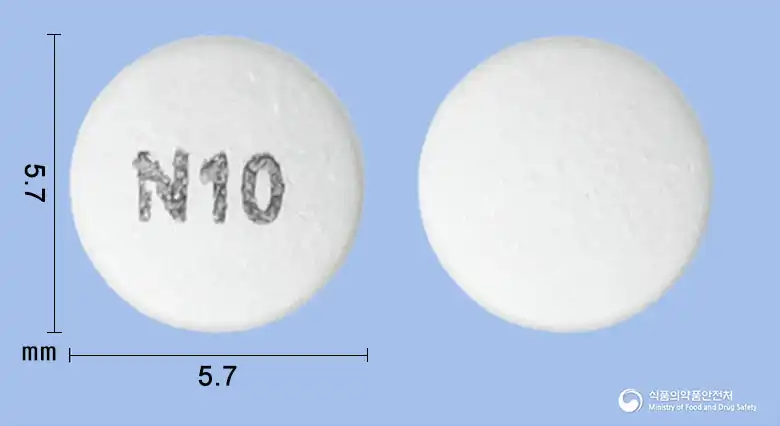
Nicergoline 10mg
Prescription medication
Hanmi Pharmaceutical Co., Ltd.
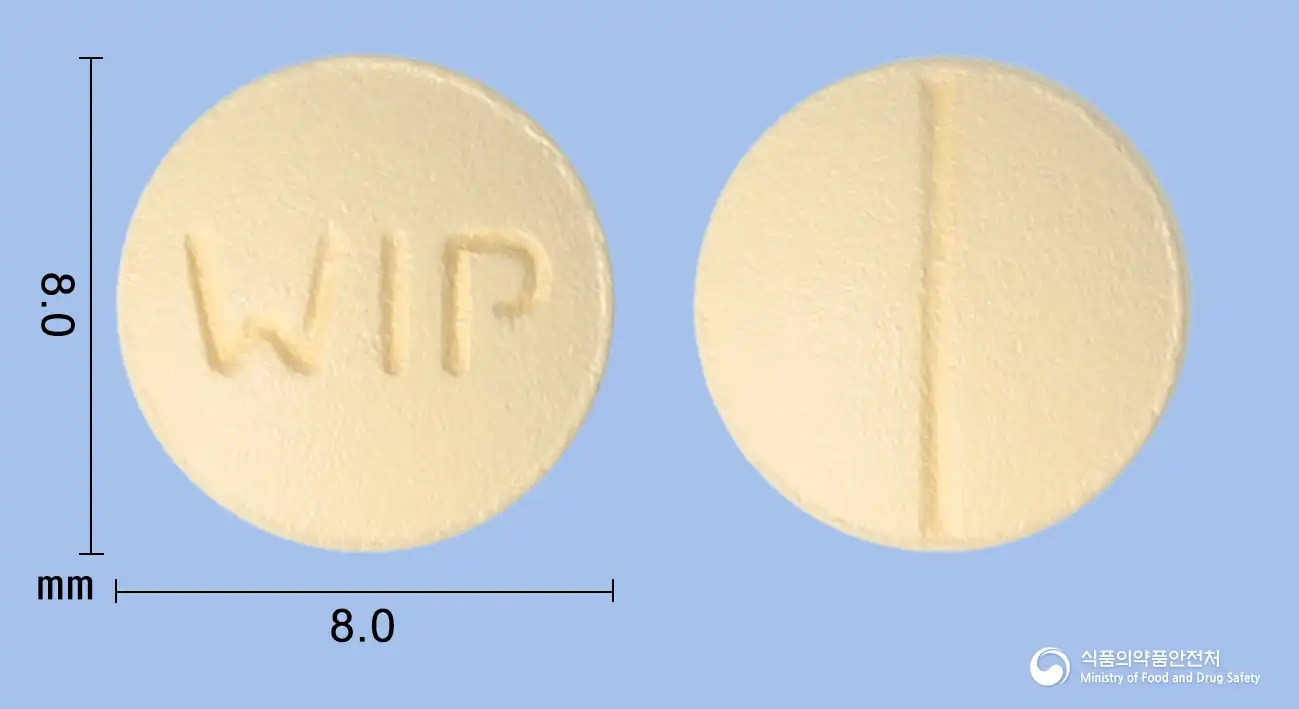
Nicergoline 30mg
Tablet · Prescription medication
Hwanin Pharmaceutical Co., Ltd.
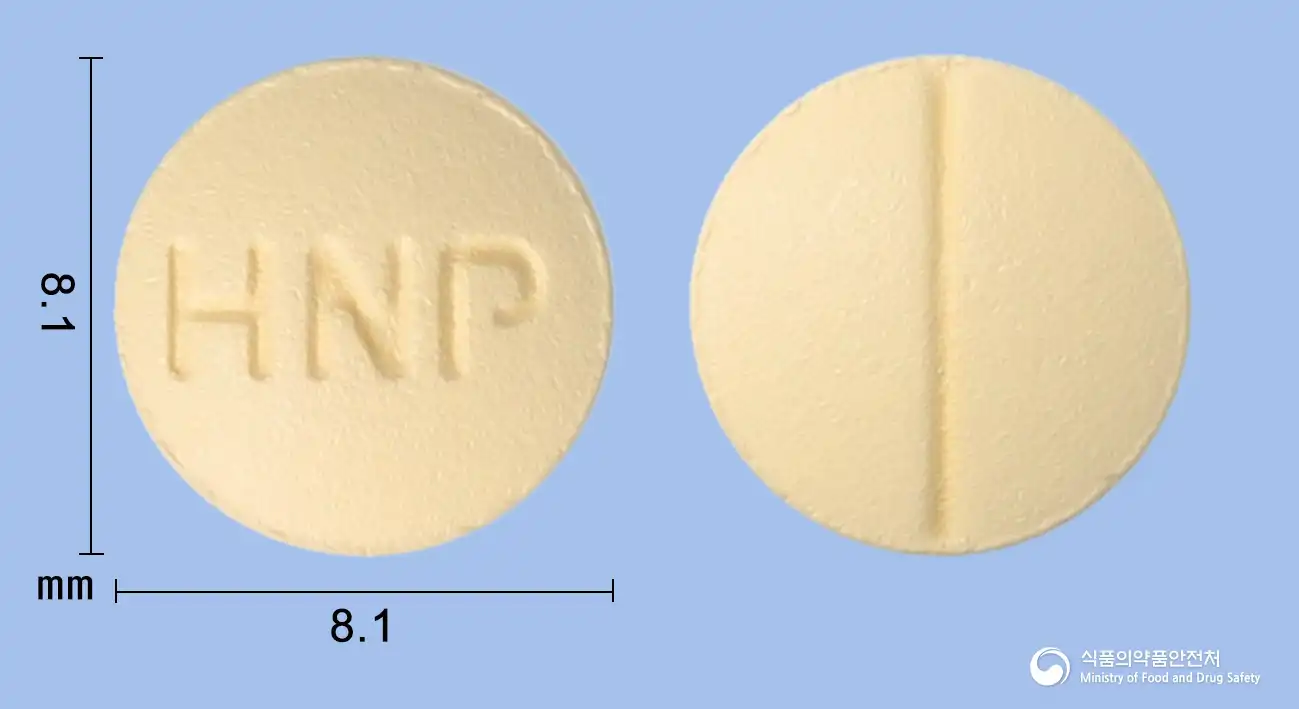
Nicergoline 30mg
Tablet · Prescription medication
Hana Pharmaceutical Co., Ltd.
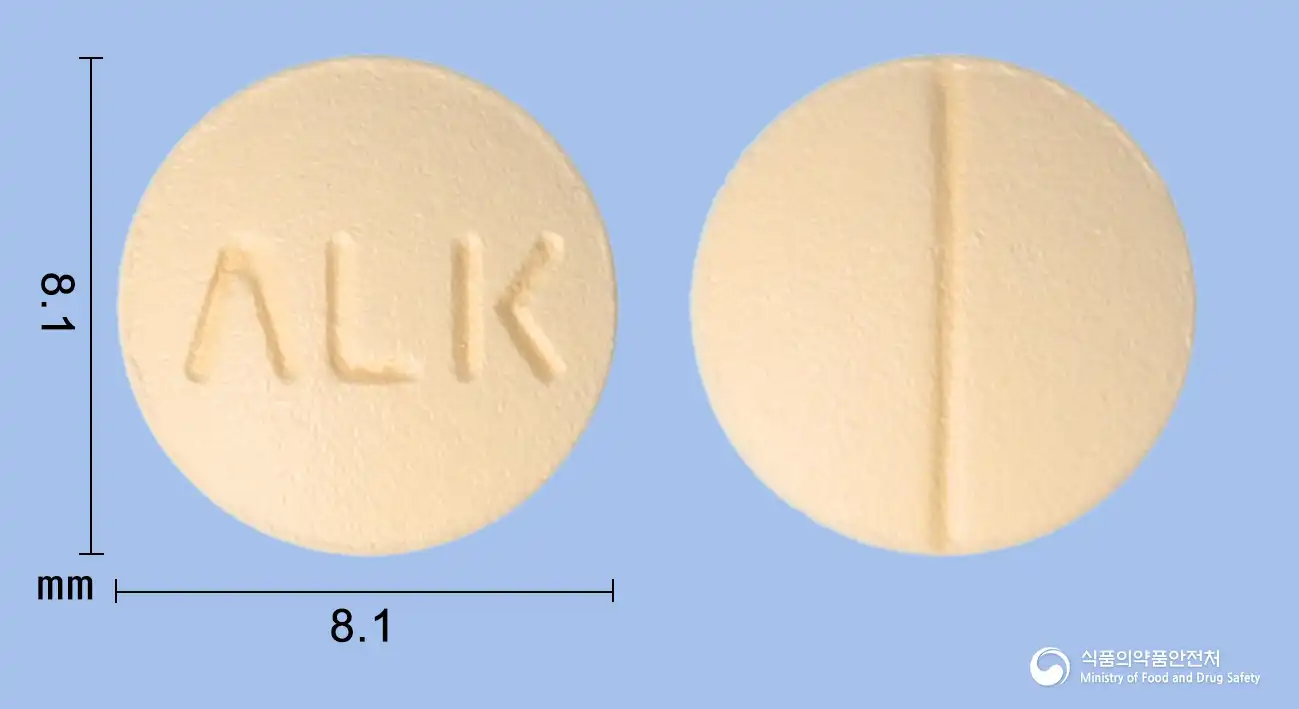
Nicergoline 30mg
Tablet · Prescription medication
Albozen Korea Co., Ltd.
Even with the same ingredient, the dose and directions can differ by strength and dosage form. Talk to a doctor or pharmacist before switching from a medication you are already taking.
No questions yet.
For anything that needs medical judgment, consult a doctor or pharmacist.
This drug information is based on data provided by the Korea Ministry of Food and Drug Safety.
Consult a doctor or pharmacist for accurate dosage, administration, and usage instructions.