
 한국어
한국어 English
 日本語
日本語 中文(简体)
 Viewing now
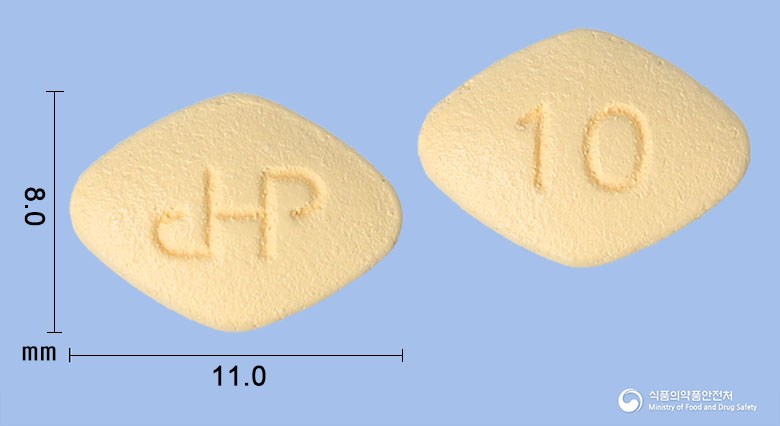
Tapaginseng 10 mg (Dapagliflozin Propanediol Hydrate)
Dapagliflozin Propanediol Hydrate 12.3mg
Tablet · Prescription medication
DaeHwa Pharmaceutical Co., Ltd.
MFDS item code 202300370 · Approved 2023.01.30 · Insurance code 645605790
Treatment for Type 2 diabetes blood sugar control, chronic heart failure, and reduced risk of cardiovascular disease in chronic kidney disease
This medicine is used to support dietary and exercise therapies for blood sugar control in patients with Type 2 diabetes. It can be used alone or effectively manage blood sugar levels when combined with other medications. Additionally, it helps reduce the risk of death due to cardiovascular disease and risks of hospitalization and emergency visits related to heart failure in patients with chronic heart failure. In patients with chronic kidney disease, it slows the deterioration of kidney function and reduces the risk of end-stage kidney disease and cardiovascular death. This medication can be used with standard therapies for cardiovascular or kidney disease to improve overall health. Therefore, it is useful in the treatment of patients with Type 2 diabetes, chronic heart failure, and chronic kidney disease.
The recommended dose of this medication is 10 mg once daily for monotherapy and additional combination therapy with insulin or other glucose-lowering medications. In initial combination therapy, the dose is 5 mg once daily or 10 mg once daily. Patients with chronic heart failure and chronic kidney disease should also take 10 mg once daily. For patients with severe hepatic impairment, a starting dose of 5 mg is recommended; it can later be increased to 10 mg if tolerable.
The efficacy and safety of dapagliflozin in children under 18 years of age have not been established. There are no related data.
This medication should not be used in specific patients. Patients who have had allergic reactions to the active ingredient or additives of this medication, those with Type 1 diabetes, patients with diabetic ketoacidosis, and patients on dialysis should not take this medication. Patients with reduced fluid volume or issues with kidney function should use this medication cautiously. This medication may lower blood pressure or cause changes in serum creatinine levels, which could stress the kidneys; therefore, kidney function and blood pressure should be carefully monitored before and during treatment. Taking this medication may increase the risk of genital infections or urinary tract infections. If infection symptoms appear, consult a healthcare professional immediately. When used with medications that have risks of hypoglycemia, care should be taken to prevent blood sugar levels from dropping too low, and adjustments to doses of other diabetes medications may be necessary. Pregnant or nursing women are advised not to use this medication, and it should be discontinued immediately if pregnancy is confirmed. Elderly patients have a higher risk of kidney function decline and fluid volume reduction, thus greater caution is required when taking this medication. If symptoms of fluid volume reduction or hypotension occur, immediate notification is necessary, and the medication may be temporarily halted if needed. This medication can cause serious metabolic disorders known as diabetic ketoacidosis; if related symptoms (nausea, vomiting, abdominal pain, breathing difficulties, etc.) occur, notify a healthcare professional immediately. Additionally, this medication does not significantly affect driving or operating machinery, but caution is advisable when taken with drugs that have hypoglycemia risk. Finally, this medication has not been proven safe and effective in children, so it should not be used in this population.
Hives, severe swelling (edema), chest tightness, difficulty breathing, sweating, paleness, severe rash with fever, blisters, peeling skin, pain in oral/ocular mucous membranes, shortness of breath or difficulty breathing, asthma attacks, cough with fever accompanied respiratory abnormalities, yellowing of skin or eyes (jaundice), profound fatigue, sudden and severe headaches, lightning-like headaches, seizures, confusion, vision abnormalities, paralysis, urination
Not everyone experiences these, and they can vary from person to person.
This medication may be sensitive to air and moisture, so it is important to store it in a tightly sealed container. Moreover, it should be kept at room temperature between 1 and 30 degrees Celsius to maintain efficacy and safety.
Yellow, round, double-convex, film-coated tablet in a diamond shape
2 blisters/box [(14 tablets/blister) × 2]
Even with the same ingredient, strength, dosage form and how it is taken can differ.
Viewing nowDapagliflozin Propanediol Hydrate 12.3mg
Tablet · Prescription medication
DaeHwa Pharmaceutical Co., Ltd.
Dapagliflozin Propanediol Hydrate 6.15mg
Tablet · Prescription medication
AstraZeneca Korea Co., Ltd.
Dapagliflozin Propanediol Hydrate 12.3mg
Tablet · Prescription medication
AstraZeneca Korea Co., Ltd.
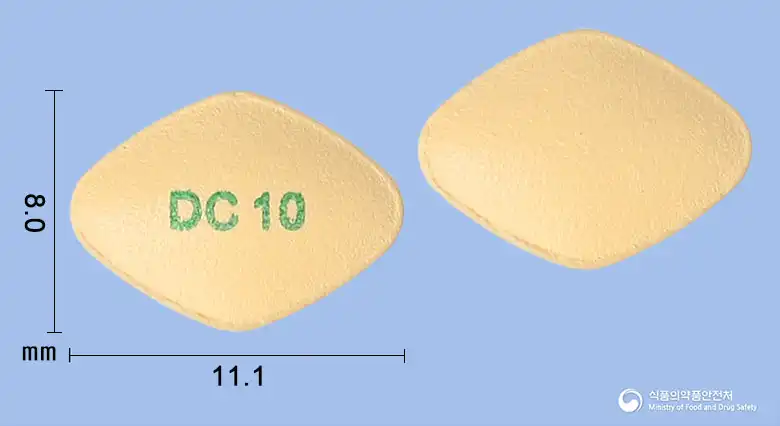
Dapagliflozin Propanediol Hydrate 12.3mg
Tablet · Prescription medication
Donggu Bio Pharmaceutical Co., Ltd.
Dapagliflozin Propanediol Hydrate 12.3mg
Tablet · Prescription medication
Il Sung IS Co., Ltd.
Dapagliflozin Propanediol Hydrate
Prescription medication
Optus Pharmaceutical Co., Ltd.
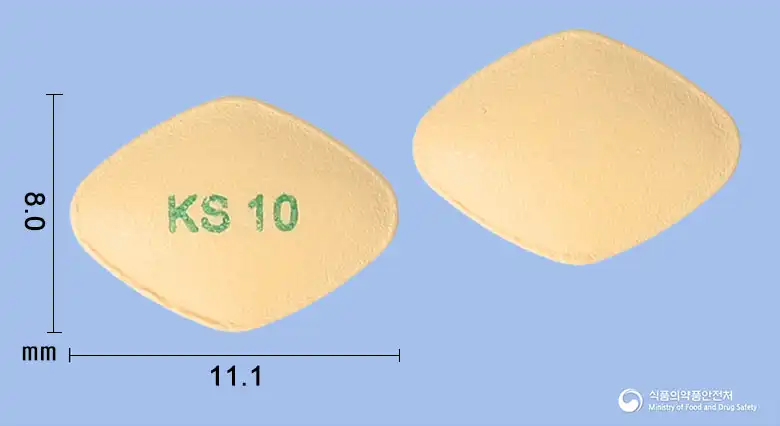
Dapagliflozin Propanediol Hydrate 12.3mg
Tablet · Prescription medication
Aprogen Biologics Co., Ltd.
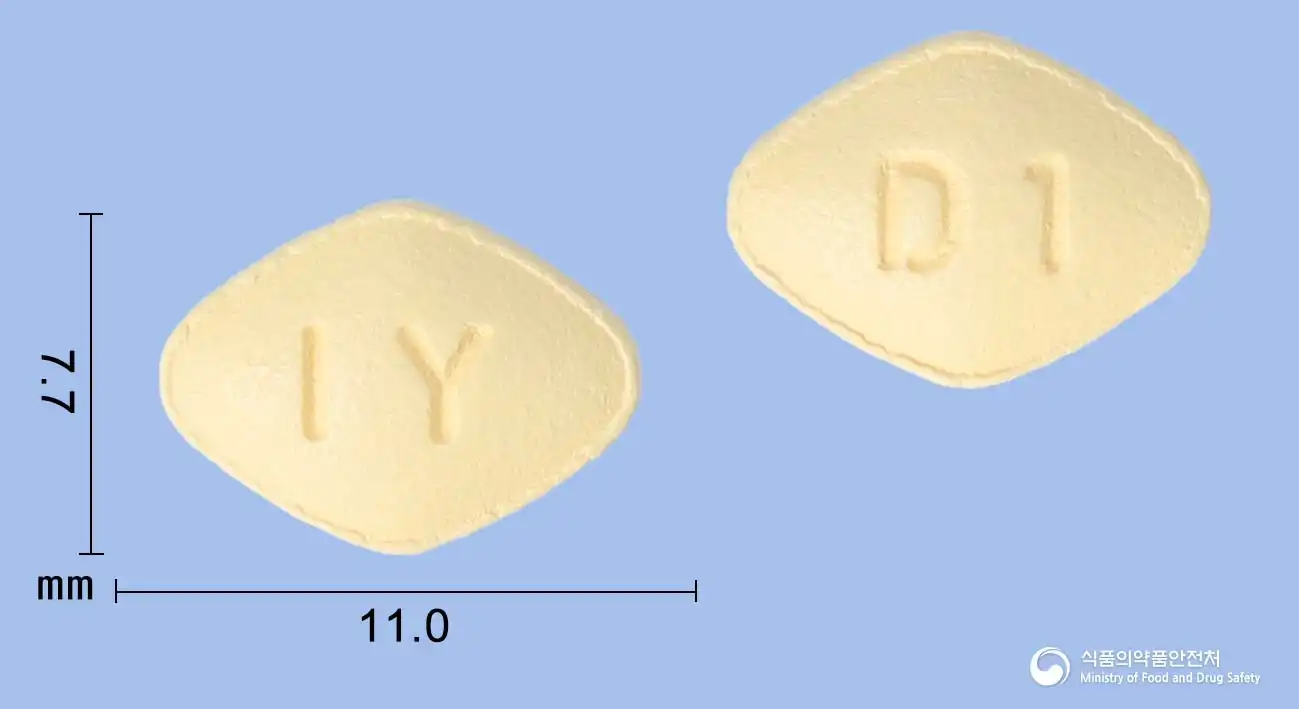
Dapagliflozin Propanediol Hydrate 12.3mg
Tablet · Prescription medication
Il Yang Pharmaceutical Co., Ltd.
Even with the same ingredient, the dose and directions can differ by strength and dosage form. Talk to a doctor or pharmacist before switching from a medication you are already taking.
No questions yet.
For anything that needs medical judgment, consult a doctor or pharmacist.
This drug information is based on data provided by the Korea Ministry of Food and Drug Safety.
Consult a doctor or pharmacist for accurate dosage, administration, and usage instructions.