
 한국어
한국어 English
 日本語
日本語 中文(简体)
 Viewing nowCombination
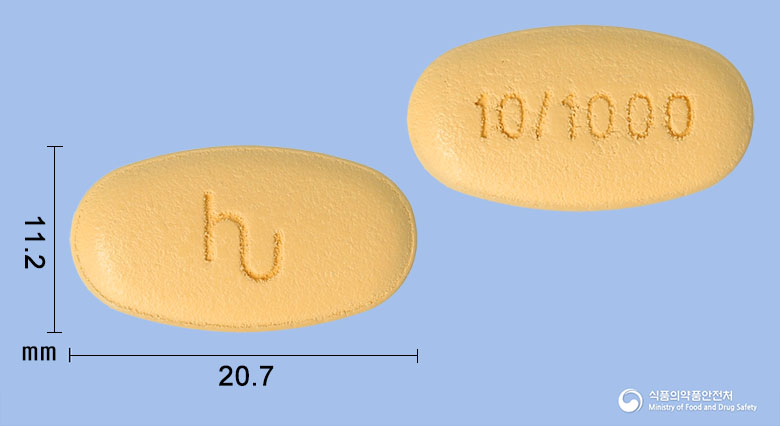
Hyusiga Duo Sustained Release Tablet 10/1000 mg (Dapagliflozin, Metformin)
Metformin Hydrochloride 1000mg · Dapagliflozin Propanediol Hydrate 12.3mg
Tablet · Prescription medication · Combination
Huons Co., Ltd.
MFDS item code 202300360 · Approved 2023.01.27 · Insurance code 670402400,670609310
Blood sugar control in type 2 diabetes and prevention of cardiovascular events
This medication is used to improve blood sugar control in adult patients with type 2 diabetes when administered alongside dietary and exercise regimens. It is particularly applicable to type 2 diabetes patients who are not sufficiently controlled and have cardiovascular diseases or risk factors. However, the impact related to the occurrence of cardiovascular events should be referred to in professional information. Overall, this medication is utilized as a therapeutic agent that assists in diabetes management.
The dosage of this medication should be individualized based on the patient's current treatment, efficacy, and tolerance, not exceeding the maximum recommended dosage of 10 mg of dapagliflozin and 2000 mg of sustained-release metformin. Generally, it is administered once daily with the evening meal. The maximum dosage is 10 mg of dapagliflozin/2000 mg of sustained-release metformin once daily, which can be given as two tablets of 5 mg/1000 mg. It is used as an initial therapy.
This medication consists of two components and is primarily used for blood sugar control in type 2 diabetes patients. Before taking this medication, it is essential to verify that renal function is normal, and it should not be prescribed to patients with severe renal impairment. This medication should not be used in cases of acute illness affecting renal function, such as severe infections, dehydration, cardiovascular issues, acute myocardial infarction, or sepsis. Women who are pregnant or breastfeeding should not take this medication, and it is contraindicated in patients with certain genetic disorders such as lactase deficiency. This medication can rarely cause serious metabolic complications such as lactic acidosis, so patients and caregivers must immediately inform healthcare professionals if symptoms such as malaise, muscle pain, difficulty breathing, or abdominal pain occur. When used in combination with insulin or sulfonylurea medications, there may be an increased risk of hypoglycemia, necessitating close monitoring of blood sugar changes and dosage adjustments as needed. This medication may cause reduced fluid volume and hypotension, so elderly patients or those on diuretics should regularly check blood pressure and fluid status. There is an increased risk of genital and urinary tract infections, and if any infection symptoms appear, treatment should be sought immediately, with further caution advised for patients with a history of recurrent infections. It is advisable not to use this medication in patients with hepatic dysfunction, and if symptoms of hepatic functional abnormalities occur, immediate consultation with a healthcare provider is necessary. Excessive alcohol consumption should be avoided while taking this medication, and if any abnormal symptoms such as sudden weight loss, fever, or pain or swelling around the genital area occur, immediate medical care should be sought. Before undergoing surgery or radiological iodine contrast examinations, this medication should be discontinued for a specified period, and administration should resume only after confirming normal kidney function. Elderly patients often experience renal function decline, so dose adjustments and regular renal function tests are necessary, and the risk of vitamin B12 deficiency should also be periodically checked. The safety and efficacy of this medication have not been established in children, so it should not be administered to pediatric patients. In the event of overdose, immediate medical action is required, and in the case of the metformin component, drug removal through dialysis is possible, following the healthcare provider's instructions. This medication does not significantly affect the ability to drive or operate machinery, but caution is needed if symptoms such as dizziness occur. Finally, this medication should be kept out of the reach of children and stored in its original container to maintain quality.
Lactic acidosis, severe allergic reactions, severe skin adverse reactions, respiratory issues, hepatic abnormalities (jaundice), severe neurological symptoms, severe edema or urination abnormalities, diabetic ketoacidosis, urosepsis and pyelonephritis, acute kidney injury and renal dysfunction, Guillain-Barré syndrome, bacterial pneumonia, acute cholecystitis, atrial fibrillation, perineal necrosis
Vulvitis, balanitis and related genital infections, urinary tract infections, fungal infections, hypoglycemia, dry mouth, dizziness, constipation, back pain, dysuria, polyuria, nocturia, vulvar itching, genital itching, increased hematocrit, elevated serum creatinine at the start of treatment, increased serum urea, dyslipidemia, weight loss, diarrhea, nausea/vomiting, decreased vitamin B12, abdominal pain, dyspepsia, abdominal discomfort, abdominal pain, gastric issues
Not everyone experiences these, and they can vary from person to person.
This medication should be kept in a sealed container to prevent air exposure, and the storage temperature should be maintained between 1 to 30 degrees Celsius at room temperature. This storage method helps in maintaining the medication's efficacy and preventing degradation.
Yellow, oval-shaped, bilayered, biconvex, sustained-release film-coated tablet
Bottle - 30 tablets/bottle
Even with the same ingredient, strength, dosage form and how it is taken can differ.
Viewing nowCombinationMetformin Hydrochloride 1000mg · Dapagliflozin Propanediol Hydrate 12.3mg
Tablet · Prescription medication · Combination
Huons Co., Ltd.
Metformin Hydrochloride 1000mg · Dapagliflozin Propanediol Hydrate 6.15mg
Tablet · Prescription medication · Combination
AstraZeneca Korea Co., Ltd.
 Combination
Metformin Hydrochloride 1000mg · Dapagliflozin Propanediol Hydrate 12.3mg
Tablet · Prescription medication · Combination
AstraZeneca Korea Co., Ltd.
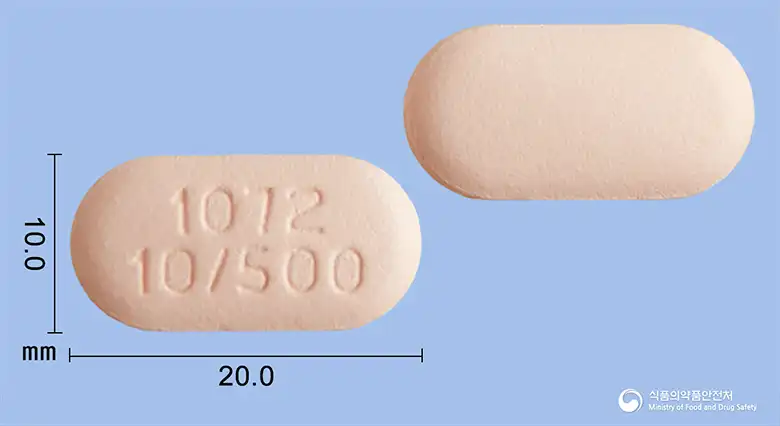 Combination
Metformin Hydrochloride 500mg · Dapagliflozin Propanediol Hydrate 12.3mg
Tablet · Prescription medication · Combination
AstraZeneca Korea Co., Ltd.
Metformin Hydrochloride 500mg · Dapagliflozin Propanediol Hydrate 6.15mg
Tablet · Prescription medication · Combination
AstraZeneca Korea Co., Ltd.
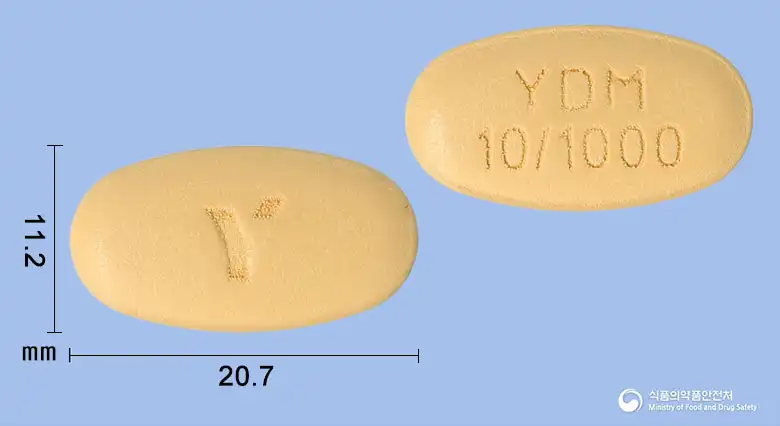 Combination
Metformin Hydrochloride 1000mg · Dapagliflozin Propanediol Hydrate 12.3mg
Tablet · Prescription medication · Combination
YouYoung Pharmaceutical Co., Ltd.
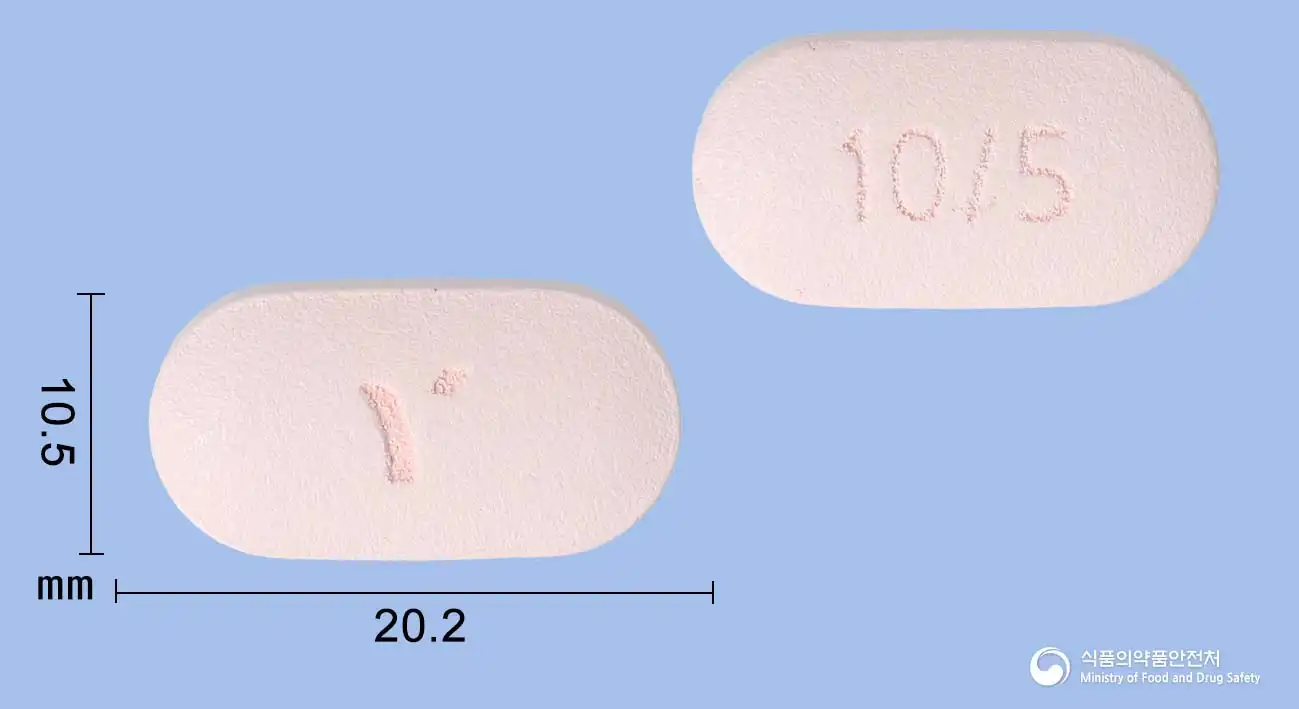 Combination
Metformin Hydrochloride 500mg · Dapagliflozin Propanediol Hydrate 12.3mg
Tablet · Prescription medication · Combination
Yuyoung Pharmaceutical Co., Ltd.
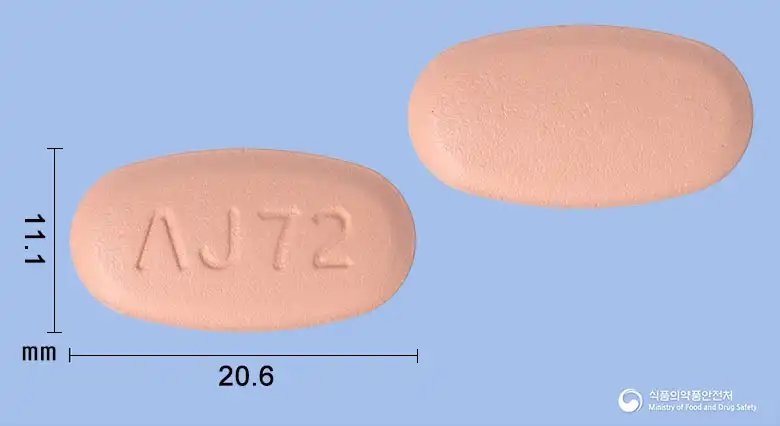 Combination
Dapagliflozin Propanediol Hydrate 12.3mg · Metformin Hydrochloride 500mg
Tablet · Prescription medication · Combination
Aju Pharmaceuticals Co., Ltd.
Even with the same ingredient, the dose and directions can differ by strength and dosage form. Talk to a doctor or pharmacist before switching from a medication you are already taking.
No questions yet.
For anything that needs medical judgment, consult a doctor or pharmacist.
This drug information is based on data provided by the Korea Ministry of Food and Drug Safety.
Consult a doctor or pharmacist for accurate dosage, administration, and usage instructions.