
 한국어
 English
 日本語
 中文(简体)
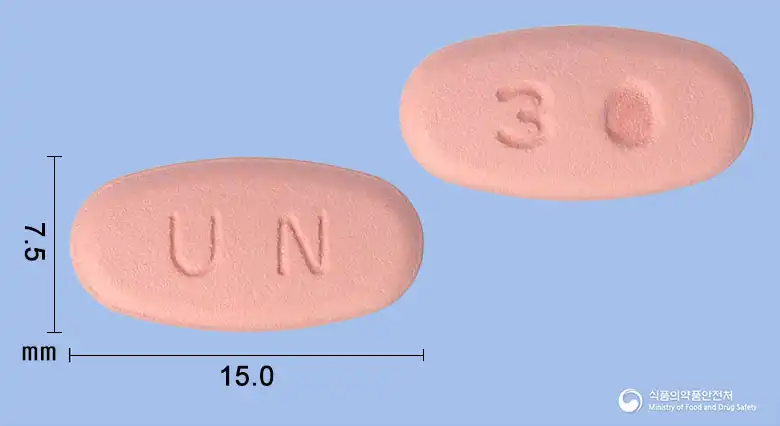 Viewing nowCombination
NyransoeX Tablet 30/600 milligrams
Lansoprazole 30mg · Precipitated Calcium Carbonate 600mg
Tablet · Prescription medication · Combination
Korea Union Pharmaceuticals Co., Ltd.
MFDS item code 202300171 · Approved 2023.01.09 · Insurance code 665508520
Short-term and maintenance treatment of gastroesophageal reflux disease and gastric and duodenal ulcers
This medication is used for the short-term treatment of active duodenal ulcers and active benign gastric ulcers. It is also helpful for maintenance therapy to prevent recurrence after treatment of duodenal ulcers. It is effective for short-term treatment of symptoms related to gastroesophageal reflux disease and erosive esophagitis, and it is used for maintenance therapy to alleviate symptoms even after treatment of erosive esophagitis. This drug is used to improve symptoms of ulcers in the stomach and duodenum, as well as symptoms of reflux esophagitis.
Take this medicine on an empty stomach at least 1 hour before a meal. Swallow it whole with at least half a glass of water. Do not take it with any beverage other than water. Do not chew or crush this medicine. This medicine 15/600mg and 30/600mg contains 15 mg and 30 mg of lansoprazole, respectively. However, note that the amount of calcium carbonate in 2 tablets of this medicine 15/600mg is not the same as that in 1 tablet of 30/600mg. O Adults 1. Short-term treatment of active duodenal ulcers: Administer 15/600 mg orally once daily for 4 weeks. 2. Short-term treatment of active benign gastric ulcers: Administer 30/600 mg orally once daily for 8 weeks. 3. Maintenance therapy following treatment of duodenal ulcers: Administer 15/600 mg orally once daily. The duration of comparative clinical trials did not exceed 12 months. 4. Short-term treatment of symptoms associated with gastroesophageal reflux disease: Administer 15/600 mg orally once daily for 8 weeks. 5. Short-term treatment of erosive reflux esophagitis: Administer 30/600 mg orally once daily for 8 weeks. 6. Maintenance therapy following treatment of erosive reflux esophagitis: Administer 15/600 mg orally once daily. O Elderly patients: Dose adjustment is necessary because clearance of this medicine is decreased in elderly patients. Do not exceed a daily dose of 30mg. O Patients with hepatic impairment: Administer with caution, including consideration of dose adjustment, because metabolism and excretion of this medicine may be delayed in patients with hepatic impairment.
This drug must not be administered to patients who have allergic reactions to specific components or have had such experiences in the past. Particularly, patients taking HIV medications or certain antivirals, pregnant women, and those with severe renal or calcium metabolism abnormalities should also avoid this medication. This medication should be used cautiously in patients with a history of drug allergies, weakened liver or kidney function, the elderly, nursing mothers, patients with reduced cardiac or pulmonary function, and those with constipation. During the use of this drug, serious side effects such as allergic reactions, blood abnormalities, liver function abnormalities, severe skin reactions, pneumonia, and nephritis may occur, so it is essential to consult a doctor immediately if any unusual symptoms arise. Mild side effects such as headaches or diarrhea may also occur, and various symptoms such as gastrointestinal disturbances, skin rashes, and central nervous system abnormalities have been reported, so caution is needed. Prolonged use may lead to vitamin B12 deficiency, hypomagnesemia, and increased risk of fractures, necessitating periodic evaluations, and it is advisable to maintain the minimum duration and dosage of this medication. This drug can suppress gastric acid secretion, increasing the risk of bacterial overgrowth in the stomach, so if diarrhea persists, a medical examination is necessary. Dizziness, drowsiness, and visual disturbances may occur, so caution is required when driving or operating machinery. This drug may interact with other medications, so patients taking particularly antivirals, anticoagulants, immunosuppressants, and certain antibiotics should inform their doctor and exercise caution. It is safer to avoid the use of this drug during pregnancy or breastfeeding, and if it must be taken, it should be discussed with an expert. Safety in children has not been established, so it is recommended not to use it in this population, and for the elderly, it should be initiated at lower doses and used cautiously. In case of overdose, gastric lavage or appropriate treatment may be necessary depending on the symptoms, and this drug is not removed by hemodialysis. During storage, keep it out of reach of children and do not transfer it to other containers.
Anaphylaxis, anaphylactic shock, angioedema, bronchospasm, acute interstitial nephritis, urticaria, generalized rash, facial edema, respiratory distress, shock, pancytopenia, agranulocytosis, hemolytic anemia, neutropenia, thrombocytopenia, anemia, jaundice, elevated AST, elevated ALT, toxic hepatic dysfunction, toxic epidermal necrolysis, Stevens-Johnson syndrome, DRESS syndrome, interstitial pneumonia, fever, cough, abnormal lung sounds, interstitial nephritis, acute renal failure, headache, diarrhea, abdominal distension, allergic reaction, back pain, weakness, candidiasis, carcinoma, chills, chest pain, edema, fever, flu-like symptoms, halitosis, infection, malaise, neck stiffness, pelvic pain, angina pectoris, arrhythmia, bradycardia, tachycardia, cerebrovascular accident, cerebral infarction, hypertension, hypotension, migraine, myocardial infarction, palpitations, vasodilation, syncope, asthma, bronchitis, increased coughing, epistaxis, hemoptysis, hiccups, pneumonia, upper respiratory infection, laryngeal tumor, pulmonary fibrosis, pharyngitis, pleural disorder, respiratory disorder, rhinitis, sinusitis, wheezing, abnormal stool, enteritis, gastritis, gastrointestinal disorders, gastrointestinal bleeding, loss of appetite, gastric stone, pyloric spasm, cholelithiasis, constipation, thirst, dryness of mouth, dyspepsia, dysphagia, belching, esophageal stricture, esophagitis, esophageal ulcer, discoloration of stool, abdominal distension, gastric nodules, gastric polyps, gastroenteritis, upper gastrointestinal bleeding, hematemesis, increased appetite, increased salivation, anal bleeding, stomatitis, tongue diseases, glossitis, gum bleeding, postprandial urgency, colitis, vomiting, nausea, candidiasis of the stomach, rectal disorders, rectal bleeding, diabetes mellitus, goiter, hypothyroidism, anemia, hemorrhage, lymphadenopathy, vitamin deficiency, gout, hyperglycemia, hypoglycemia, dehydration, weight gain, weight loss, peripheral edema, bone disorders, joint disorders, leg cramps, arthritis, arthralgia, musculoskeletal pain, myalgia, myasthenia gravis, ptosis, synovitis, anxiety, amnesia, uneasiness, confusion, depression, dizziness, syncope, hallucinations, unilateral paralysis, exacerbation of hostility, decreased libido, increased libido, neurosis, dysesthesia, abnormal thinking, convulsions, dementia, depersonalization, double vision, hyperkinesia, hypertonia, sensory loss, insomnia, sleep disorders, drowsiness, tremor, acne, hair loss, pruritus, rash, contact dermatitis, skin dryness, nail diseases, skin cancer, skin diseases, sweating, abnormal vision, amblyopia, blepharitis, cataract, conjunctivitis, dry eyes, ear disorders, eye disorders, glaucoma, abnormal olfaction, photophobia, retinal degeneration, loss of taste, blurred vision, deafness, eye pain, otitis media, taste disturbance, tinnitus, visual field contraction, urination disorders, renal pain, penile disorders, testicular disorders, urethral pain, polyuria, frequent urination, urinary retention, menstrual irregularities, chest tenderness, chest expansion, gynecomastia, diabetes, hematuria, erectile dysfunction, nephrolithiasis, nausea, constipation, diarrhea, rebound acid secretion, hypercalcemia, alkalosis, nephrolithiasis, urolithiasis, pruritus, hepatotoxicity, vomiting, pancreatitis, abdominal pain, dysgeusia, aplastic anemia, leukopenia, thrombotic thrombocytopenic purpura, eosinophilia, hypomagnesemia, Clostridium difficile-associated diarrhea, fracture, myositis, erythema multiforme, skin rash lupus, systemic lupus erythematosus, speech disorder, urinary retention, elevated AST, elevated ALT, elevated ALP, elevated LDH, elevated γ-GTP, weakness, hyponatremia, elevated total cholesterol, elevated uric acid, tongue paralysis, lip paralysis, limb paralysis, abdominal pain
Not everyone experiences these, and they can vary from person to person.
This drug should be stored in a tightly sealed container to prevent exposure to air or moisture. It is important to maintain a storage temperature between 1 and 30 degrees Celsius.
Pink oval film-coated tablet
28 tablets/bottle
Even with the same ingredient, strength, dosage form and how it is taken can differ.
Viewing nowCombinationLansoprazole 30mg · Precipitated Calcium Carbonate 600mg
Tablet · Prescription medication · Combination
Korea Union Pharmaceuticals Co., Ltd.
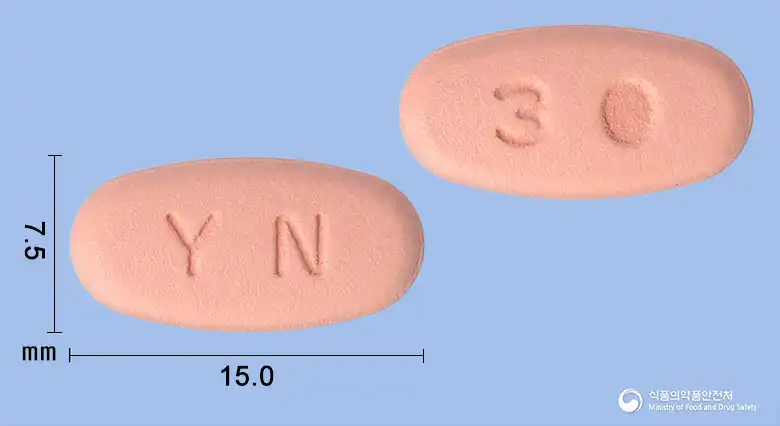 Combination
Lansoprazole 30mg · Precipitated Calcium Carbonate 600mg
Tablet · Prescription medication · Combination
You & Life Sciences Co., Ltd.
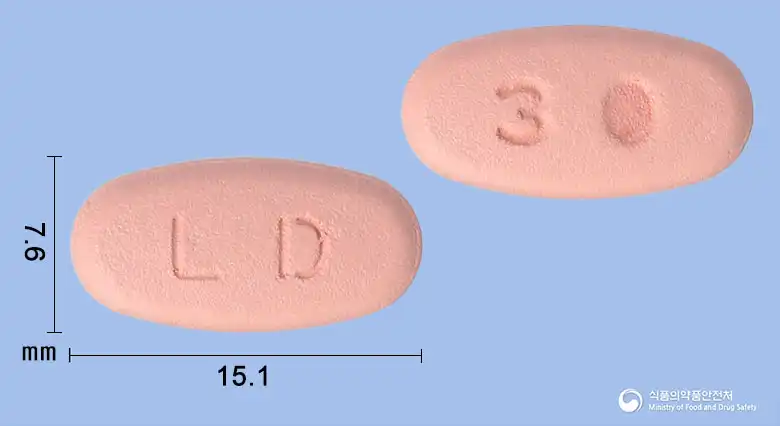 Combination
Lansoprazole 30mg · Precipitated Calcium Carbonate 600mg
Tablet · Prescription medication · Combination
Unimed Pharmaceutical Co., Ltd.
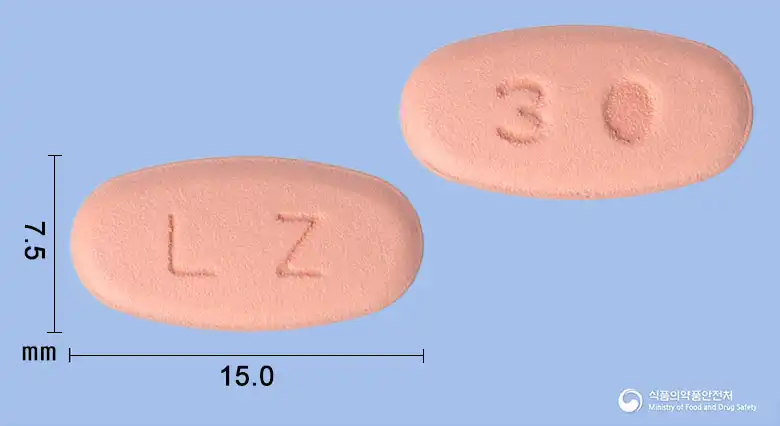 Combination
Lansoprazole 30mg · Precipitated Calcium Carbonate 600mg
Tablet · Prescription medication · Combination
Hana Pharmaceutical Co., Ltd.
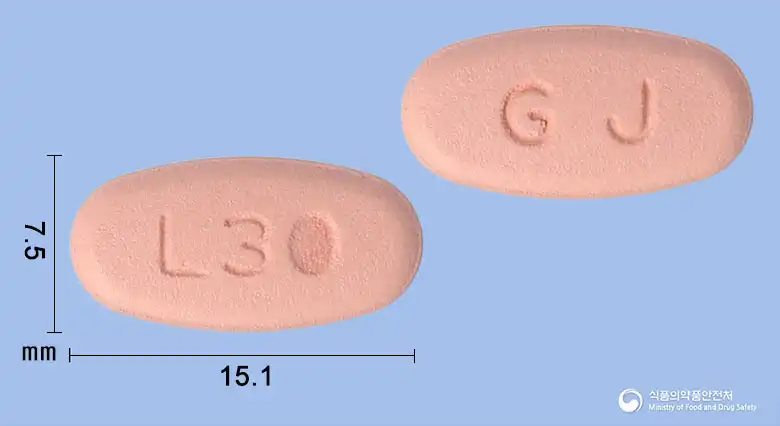 Combination
Lansoprazole 30mg · Precipitated Calcium Carbonate 600mg
Tablet · Prescription medication · Combination
Kujoo Pharmaceutical Co., Ltd.
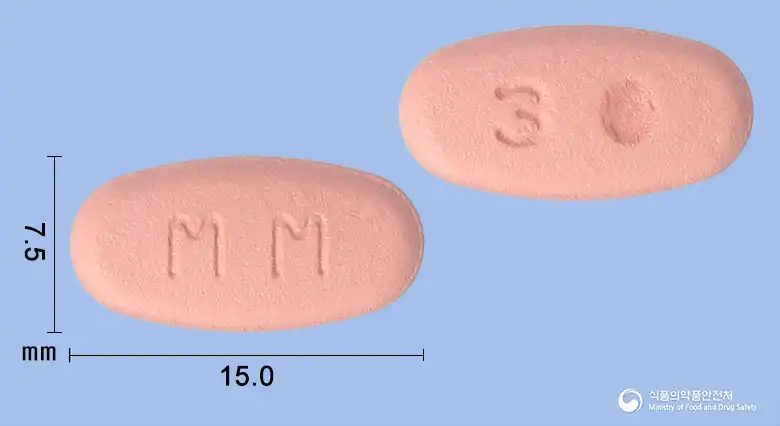 Combination
Lansoprazole 30mg · Precipitated Calcium Carbonate 600mg
Tablet · Prescription medication · Combination
Myeongmoon Pharmaceutical Co., Ltd.
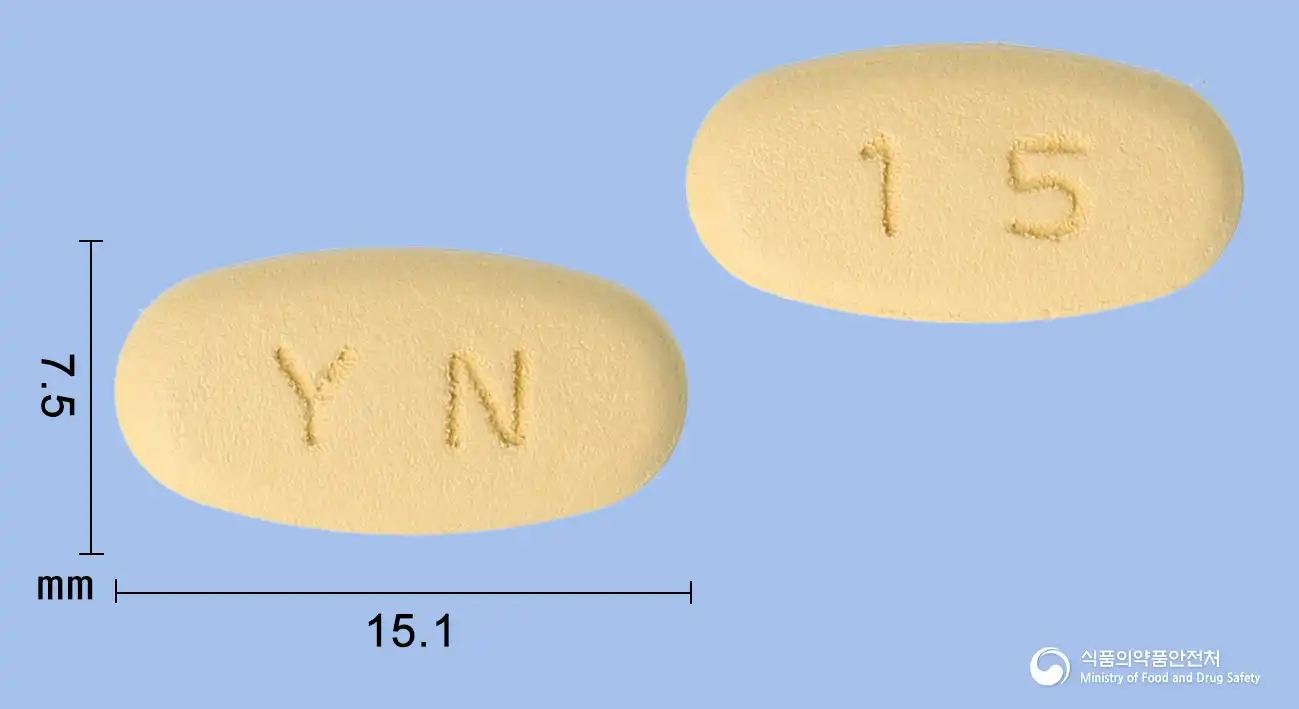 Combination
Lansoprazole 15mg · Precipitated Calcium Carbonate 600mg
Tablet · Prescription medication · Combination
U&Life Sciences Co., Ltd.
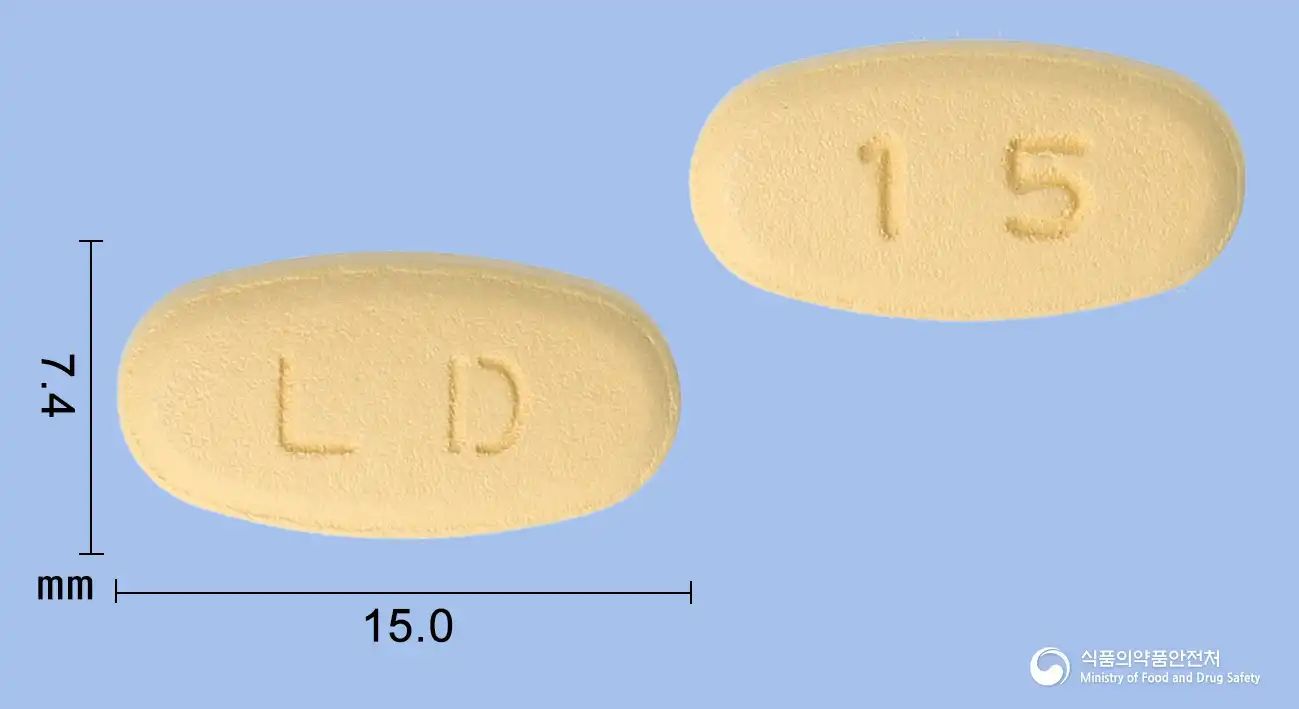 Combination
Lansoprazole 15mg · Precipitated Calcium Carbonate 600mg
Tablet · Prescription medication · Combination
Unimed Pharmaceutical Co., Ltd.
Even with the same ingredient, the dose and directions can differ by strength and dosage form. Talk to a doctor or pharmacist before switching from a medication you are already taking.
No questions yet.
For anything that needs medical judgment, consult a doctor or pharmacist.
This drug information is based on data provided by the Korea Ministry of Food and Drug Safety.
Consult a doctor or pharmacist for accurate dosage, administration, and usage instructions.