
 한국어
한국어 English
 日本語
日本語 中文(简体)
Dosage form image
Viewing nowCombinationDaploglisin Duo Extended-Release Tablets 10/1000 mg
Dapagliflozin Anhydrous Lactose Mixture 15.27mg · Metformin Hydrochloride 1000mg
Tablet · Prescription medication · Combination
PharmGen Science Co., Ltd.
MFDS item code 202300149 · Approved 2023.01.06
Effectiveness for blood glucose control in type 2 diabetes and prevention of cardiovascular events
This medication contains dapagliflozin and metformin to assist patients with type 2 diabetes in controlling their blood sugar. It is particularly effective for those who also engage in dietary management and exercise. Additionally, it is used for type 2 diabetes patients who have cardiovascular diseases or risk factors and are not well-controlled. This medication may help with both blood sugar control and cardiovascular health management; therefore, it should be used safely under the guidance of a specialist.
The dosage of this medication should be individualized based on the patient’s current treatment, efficacy, and tolerance, without exceeding the maximum recommended dosage of 10 mg of dapagliflozin and 2000 mg of extended-release metformin. Typically administered once daily with dinner. The maximum dosage is 10 mg dapagliflozin/2000 mg extended-release metformin administered once daily in the form of 2 tablets of 5 mg/1000 mg. For initial therapy, if patients have no experience with previous diabetes medication treatments, the recommended starting dose is one tablet of 5 mg/500 mg or 10 mg/500 mg once daily. To reduce gastrointestinal side effects of metformin, the dosage should be adjusted gradually. For patients currently treated with metformin, the recommended dose of dapagliflozin is 10 mg once daily, and the dosage of this medication should align therapeutically with close to the dosage they have been taking of metformin. When converting from immediate-release metformin to extended-release formulations, blood sugar control must be closely monitored, and dosage adjustments must be appropriately made. For patients switching from combination therapy of dapagliflozin and metformin, the dosage of this medication can begin with the existing dosing of dapagliflozin and metformin. When switching from immediate-release metformin to extended-release formulations, blood sugar control must be closely monitored, and dosage adjustments must be appropriately made. When using this medication in combination with insulin or insulin secretagogues such as sulfonylureas, lower doses of insulin or insulin secretagogues can be considered to reduce the risk of hypoglycemia. The safety and efficacy of this medication have not been specifically evaluated in patients who transitioned from using other hypoglycemic agents. Any changes in treatment for patients with type 2 diabetes should be done under careful monitoring, as changes may lead to shifts in blood glucose control. This medication should be swallowed whole and must not be crushed, cut, or chewed. Occasionally, inactive ingredients of this medication may be excreted in the form of soft hydrated material resembling tablets through feces. Renal impairment Dose adjustments are not required for patients with mild renal impairment. For patients with estimated glomerular filtration rate (eGFR) between 45 mL/min/1.73 m2 and 60 mL/min/1.73 m2, without other symptoms that may increase the risk of lactic acidosis, the starting dose of the metformin component of this medication is 500 mg once daily, with a maximum daily dose of 1000 mg. This medication is not recommended for patients with eGFR less than 45 mL/min/1.73 m2. Treatment should be halted immediately if eGFR declines to less than 45 mL/min/1.73 m2. Renal function should be evaluated every 3 to 6 months. Elderly As metformin is primarily excreted through the kidneys and because renal function tends to decrease with age, this medication should be used with caution as age increases (Refer to precautions regarding elderly patients).
This medication is used for diabetes treatment and contains metformin and dapagliflozin. It should not be used in patients with poor kidney function, severe infections, cardiovascular issues, or liver dysfunction. Pregnant or breastfeeding women should not take this medication. This medication can rarely cause a serious metabolic disorder called lactic acidosis, so immediate consultation with a doctor is necessary if symptoms occur. Furthermore, caution is required when taking this medication in combination with insulin or sulfonylureas due to the increased risk of hypoglycemia. Patients with decreased fluid volume or low blood pressure, elderly patients, or patients with reduced kidney function require careful assessment and continuous monitoring before taking this medication. During treatment, genital infections or urinary tract infections may occur, and immediate medical attention should be sought if symptoms arise. This medication can lower vitamin B12 levels, so regular blood tests may be needed for long-term use. In cases of overdose, appropriate emergency treatment is required, and some components may be removed through dialysis. Dizziness may occur while driving or operating machinery, so caution should be exercised. This medication must be kept out of reach of children and stored in its original container.
Vulvovaginitis, balanitis and related genital infections, urinary tract infections, fungal infections, hypoglycemia, decreased fluid volume, thirst, dizziness, constipation, dry mouth, low back pain, dysuria, polyuria, nocturia, vulvar itching, genital itching, elevated hematocrit, decreased renal creatinine clearance in the initial treatment, dyslipidemia, increased serum creatinine in the initial treatment, elevated blood urea, weight loss, diarrhea, nausea/vomiting, vitamin B
Not everyone experiences these, and they can vary from person to person.
This medication should be stored in a tightly sealed container to prevent air or moisture from entering. The recommended storage temperature is between 1°C and 30°C at room temperature to maintain the effectiveness of the medication for a long time.
Yellow, biconvex, oval extended-release film-coated tablet
30 tablets/box [6 tablets/PTP*5], 30 tablets/bottle, 200 tablets/bottle
Even with the same ingredient, strength, dosage form and how it is taken can differ.
Dapagliflozin Anhydrous Lactose Mixture 15.27mg · Metformin Hydrochloride 1000mg
Tablet · Prescription medication · Combination
PharmGen Science Co., Ltd.
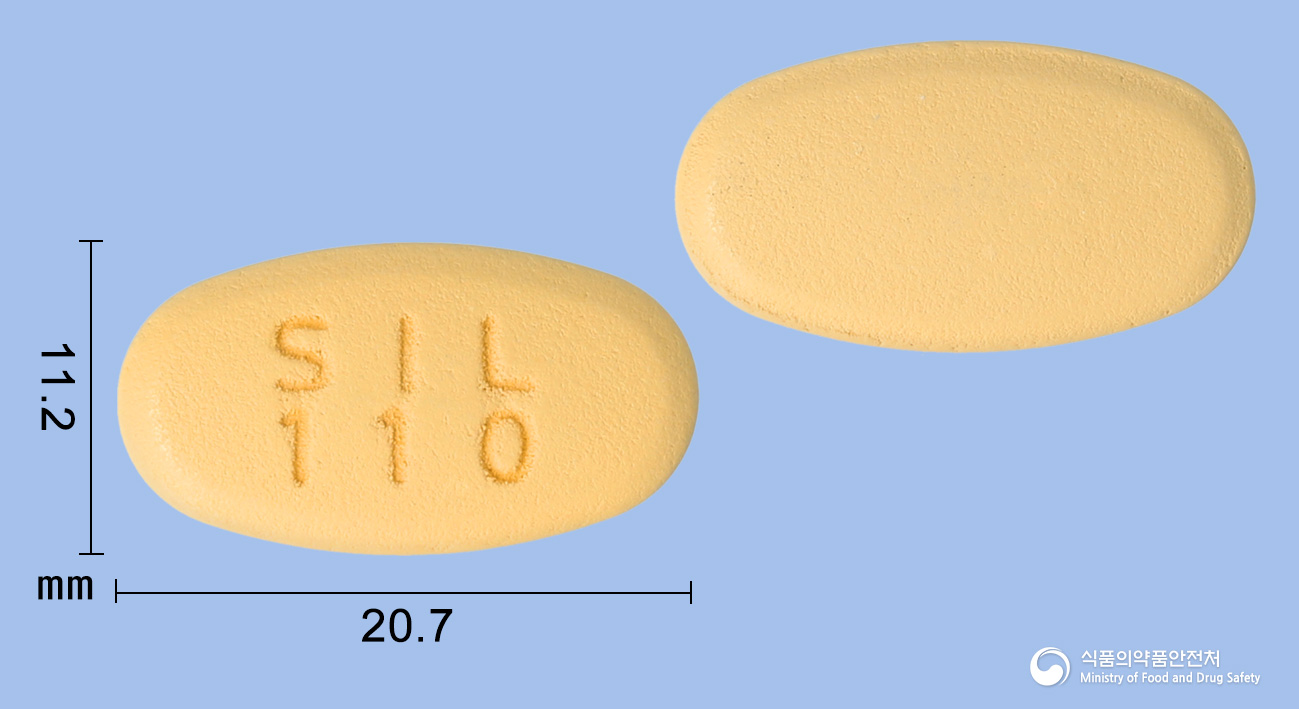 Combination
Dapagliflozin Anhydrous Lactose Mixture 15.27mg · Metformin Hydrochloride 1000mg
Tablet · Prescription medication · Combination
Shinil Pharmaceutical Co., Ltd.
Dapagliflozin Anhydrous Lactose Mixture 15.27mg · Metformin Hydrochloride 1000mg
Tablet · Prescription medication · Combination
Daewoo Pharmaceutical Co., Ltd.
Dapagliflozin Anhydrous Lactose Mixture 15.27mg · Metformin Hydrochloride 1000mg
Tablet · Prescription medication · Combination
Dongkwang Pharmaceutical Co., Ltd.
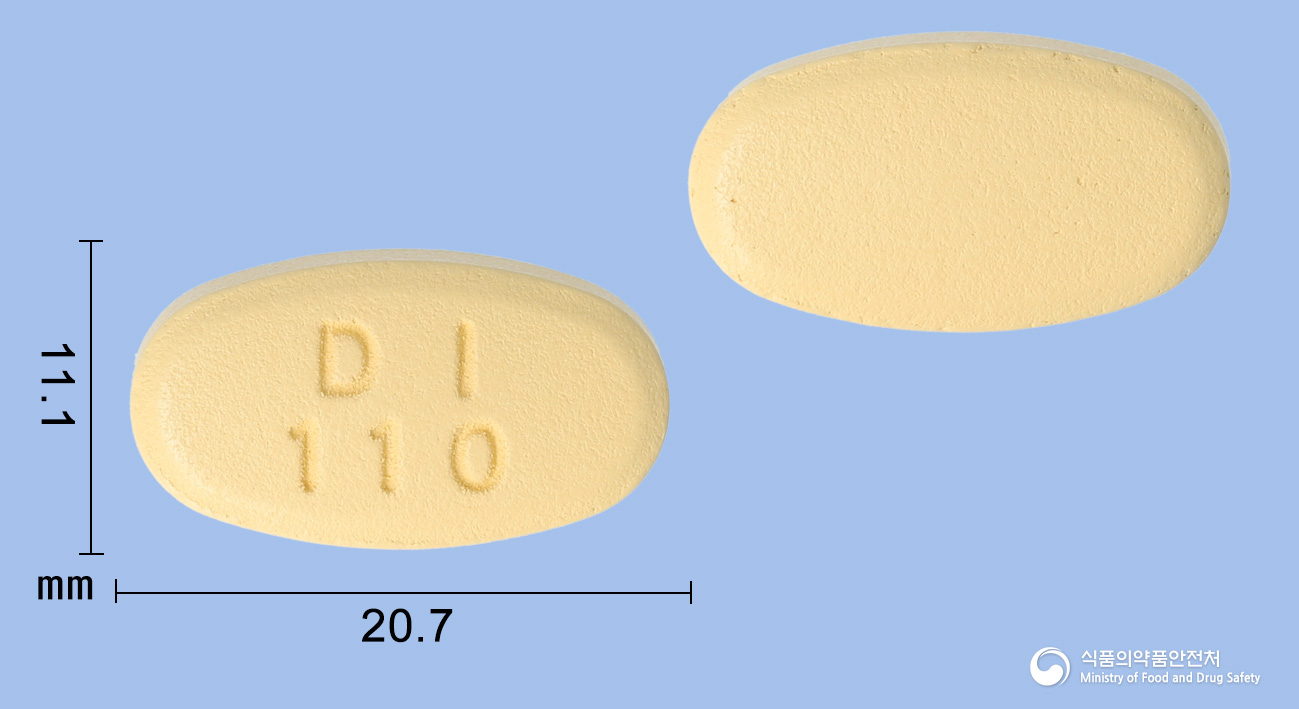 Combination
Dapagliflozin Anhydrous Lactose Mixture 15.27mg · Metformin Hydrochloride 1000mg
Tablet · Prescription medication · Combination
Il-Yang Pharmaceutical Co., Ltd.
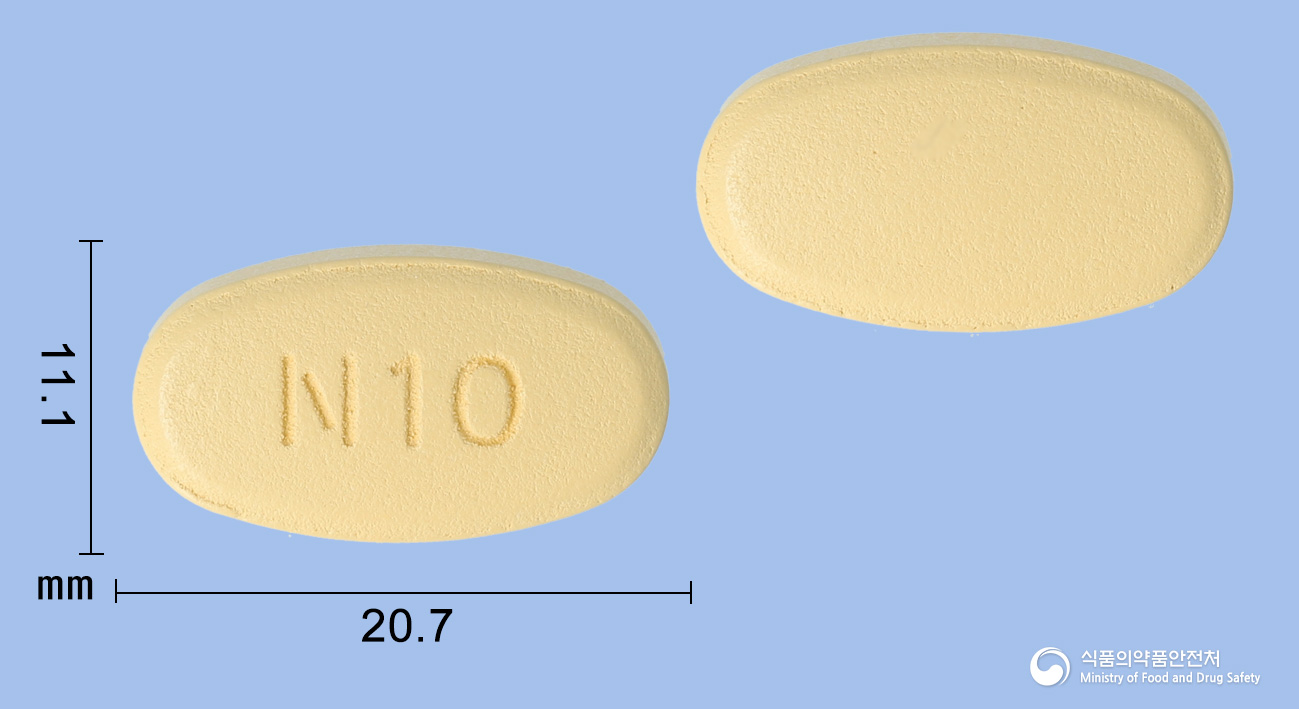 Combination
Dapagliflozin Anhydrous Lactose Mixture 15.27mg · Metformin Hydrochloride 1000mg
Tablet · Prescription medication · Combination
HK inno.N Co., Ltd.
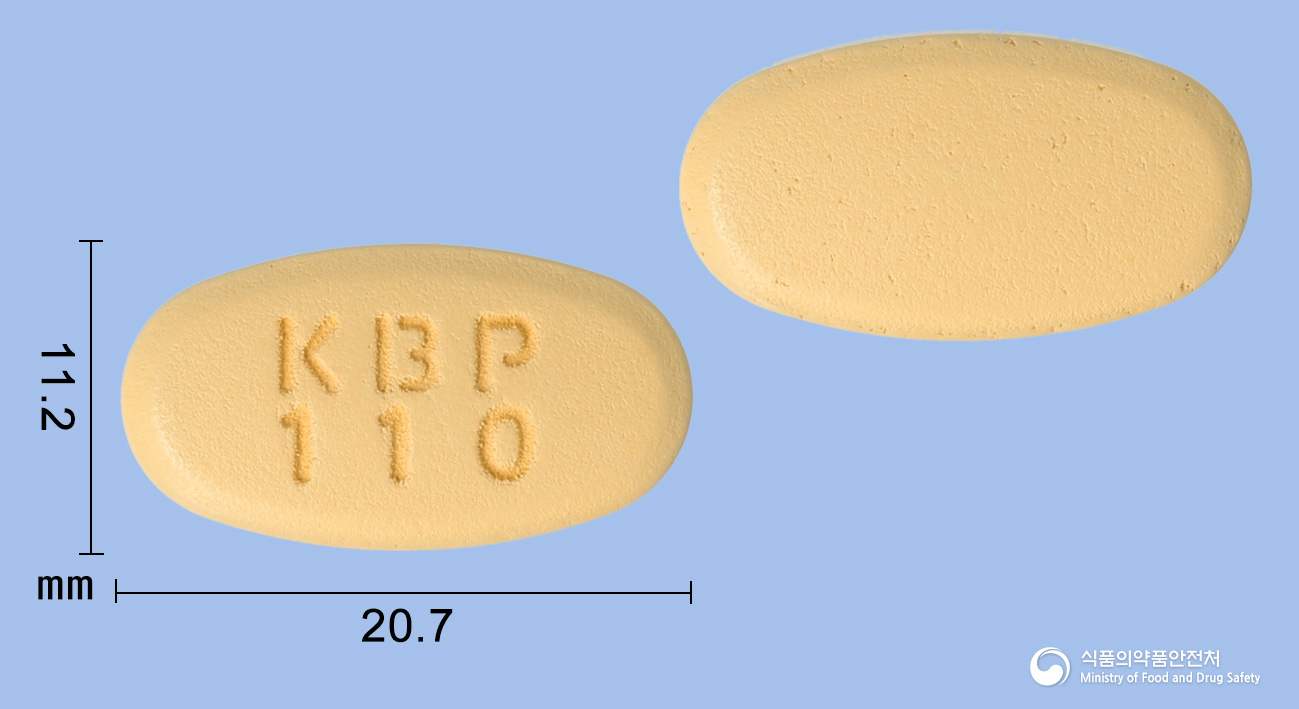 Combination
Dapagliflozin Anhydrous Lactose Mixture 15.27mg · Metformin Hydrochloride 1000mg
Tablet · Prescription medication · Combination
Kyungbo Pharmaceutical Co., Ltd.
Dapagliflozin Anhydrous Lactose Mixture 15.27mg · Metformin Hydrochloride 1000mg
Tablet · Prescription medication · Combination
Albogen Korea Co., Ltd.
Even with the same ingredient, the dose and directions can differ by strength and dosage form. Talk to a doctor or pharmacist before switching from a medication you are already taking.
No questions yet.
For anything that needs medical judgment, consult a doctor or pharmacist.
This drug information is based on data provided by the Korea Ministry of Food and Drug Safety.
Consult a doctor or pharmacist for accurate dosage, administration, and usage instructions.