
 한국어
한국어 English
 日本語
日本語 中文(简体)
 Viewing nowCombination
Pimasab Tablets 60/2.5 Milligrams
Fimasartan Potassium Trihydrate 66.01mg · S-Amlodipine Besylate 2.5 Hydrate 3.74mg
Tablet · Prescription medication · Combination
Ilseong IS Co., Ltd.
MFDS item code 202300112 · Approved 2023.01.06 · Insurance code 655404600
Improvement of blood pressure control in essential hypertension
This medication is recommended for patients with essential hypertension whose blood pressure is not adequately controlled with Pimasartan Potassium monotherapy. It helps to appropriately lower and manage blood pressure, thus effectively improving management of essential hypertension.
The recommended dose is 1 tablet once a day, taken with water regardless of meals. It is recommended to take it at the same time every day (e.g., in the morning).
This medication should not be used during pregnancy, especially during the second and third trimesters. It can cause serious harm to the fetus and newborn, so if pregnancy is confirmed, the medication should be discontinued immediately. Patients with allergies to the active ingredient or related components, those who are pregnant or breastfeeding, patients receiving renal dialysis, patients with severely impaired liver function, patients with biliary obstruction, and patients with certain kidney diseases or diabetic nephropathy should not take this medication. Additionally, patients with certain genetic conditions such as lactose intolerance should also avoid this medication. Patients with low blood volume or reduced sodium levels, patients with impaired kidney function, patients with specific heart diseases, and the elderly should use this medication with caution, and symptoms of hypotension should be monitored during initiation or dose increases. This medication may cause side effects, including dizziness, headache, edema, urination disorders, insomnia, and facial flushing. Moreover, rare but serious side effects such as worsening kidney function, hypotension, hyperkalemia, and liver dysfunction may occur, so if unusual symptoms arise, consult a doctor immediately. There is a risk of hypotension or electrolyte imbalance when taking this medication, so regularly checking blood pressure and electrolyte levels is essential. This medication may interact with other antihypertensive agents, potassium-sparing diuretics, lithium, non-steroidal anti-inflammatory drugs, etc., so inform your doctor or pharmacist about any other medications you are taking. Women who are pregnant or planning to become pregnant should consult a doctor before taking this medication, and those who are breastfeeding should either avoid using this medication or discontinue breastfeeding. Safety and efficacy in children and adolescents under 18 years old have not been established, so use is not recommended. Elderly patients may also be more sensitive to this medication, so caution is needed. Patients with severely impaired liver function should not use this medication. In case of overdose, symptoms like hypotension and arrhythmias may occur, and appropriate medical treatment should be sought immediately. This medication should be kept out of reach of children and should not be transferred to another container to maintain quality.
Not everyone experiences these, and they can vary from person to person.
This medication is sensitive to light; therefore, it should be stored in a container that does not allow light in. Moreover, it is best to maintain a storage temperature between 1 and 30 degrees Celsius to safely preserve its effectiveness.
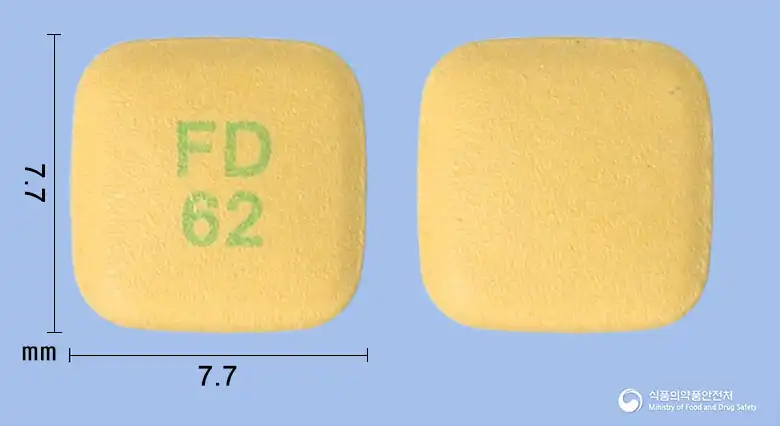
Yellow, rounded square film-coated tablet
30 tablets/bottle, 300 tablets/bottle
Even with the same ingredient, strength, dosage form and how it is taken can differ.
Viewing nowCombinationFimasartan Potassium Trihydrate 66.01mg · S-Amlodipine Besylate 2.5 Hydrate 3.74mg
Tablet · Prescription medication · Combination
Ilseong IS Co., Ltd.
 Combination
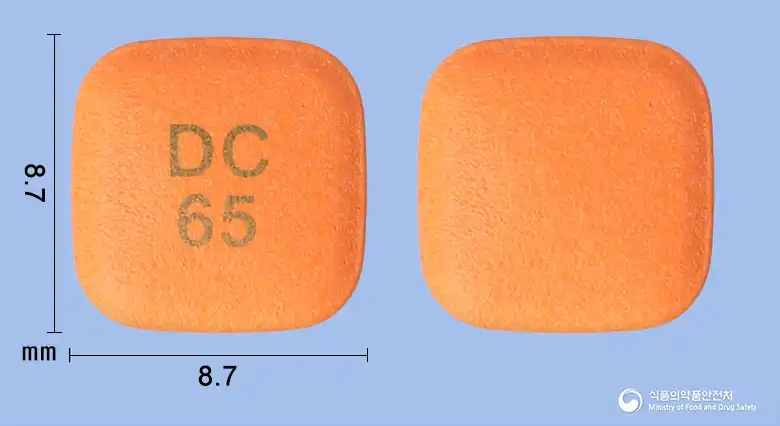
Fimasartan Potassium Trihydrate 66.01mg · S-Amlodipine Besylate 2.5 Hydrate 7.48mg
Tablet · Prescription medication · Combination
Donggu Bio Pharmaceutical Co., Ltd.
 Combination
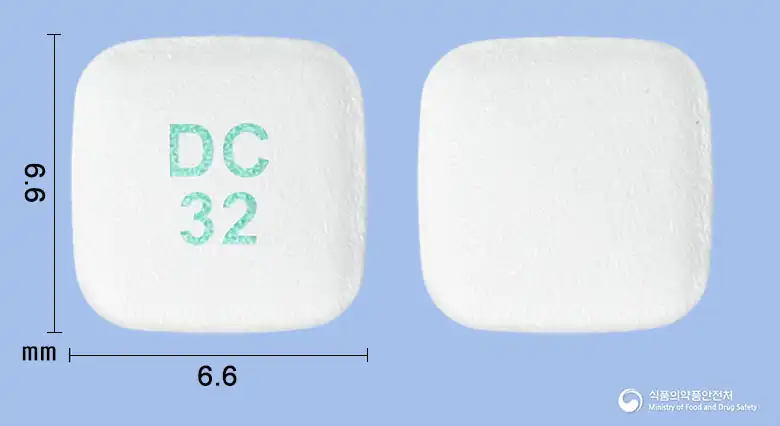
Fimasartan Potassium Trihydrate 33.005mg · S-Amlodipine Besylate 2.5 Hydrate 3.74mg
Tablet · Prescription medication · Combination
Donggu Bio Pharmaceutical Co., Ltd.
 Combination
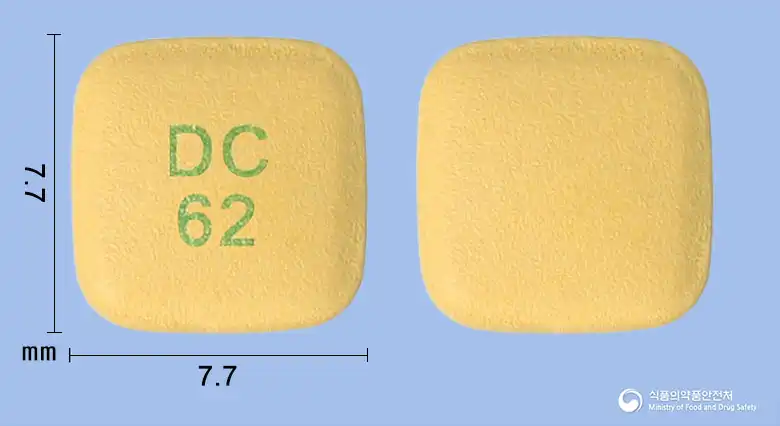
Fimasartan Potassium Trihydrate 66.01mg · S-Amlodipine Besylate 2.5 Hydrate 3.74mg
Tablet · Prescription medication · Combination
Donggu Bio Pharmaceutical Co., Ltd.
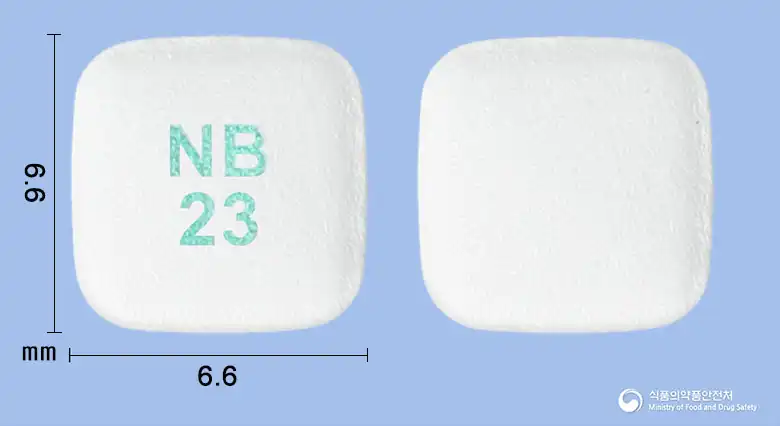 Combination
Fimasartan Potassium Trihydrate 33.005mg · S-Amlodipine Besylate 2.5 Hydrate 3.74mg
Tablet · Prescription medication · Combination
NBK Pharmaceutical Co., Ltd.
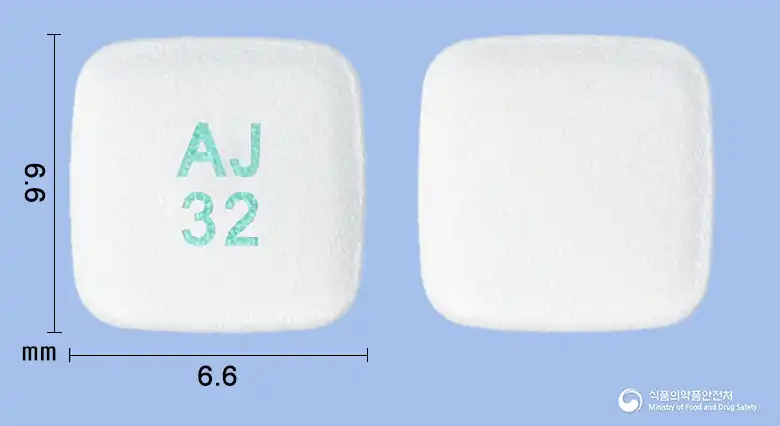 Combination
Fimasartan Potassium Trihydrate 33.005mg · S-Amlodipine Besylate 2.5 Hydrate 3.74mg
Tablet · Prescription medication · Combination
Ajou Pharmaceuticals Co., Ltd.
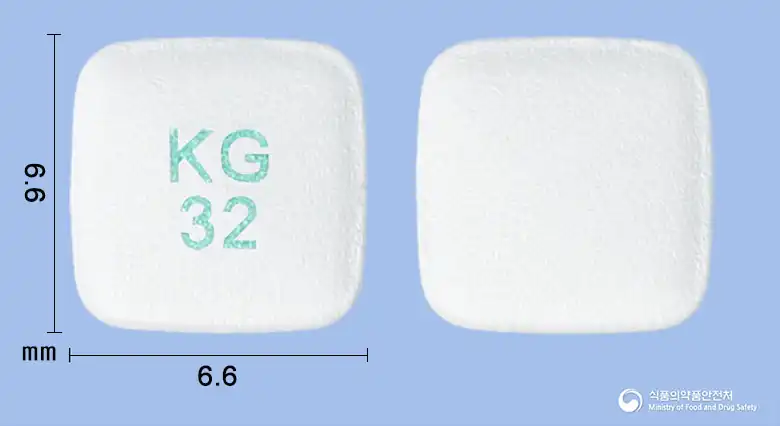 Combination
Fimasartan Potassium Trihydrate 33.005mg · S-Amlodipine Besylate 2.5 Hydrate 3.74mg
Tablet · Prescription medication · Combination
Kips Biopharma Co., Ltd.
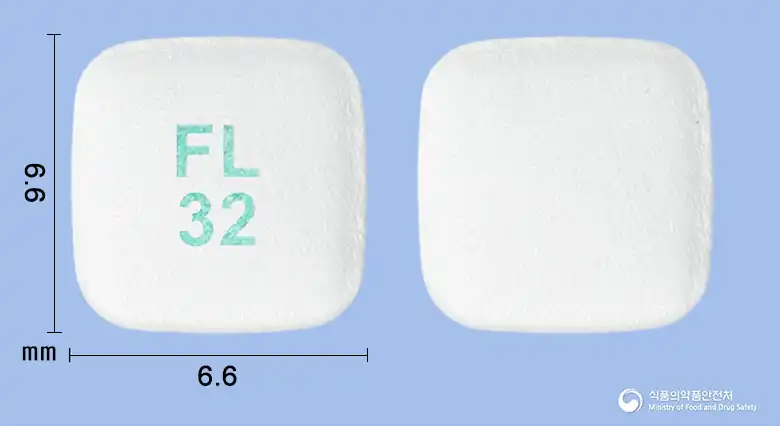 Combination
Fimasartan Potassium Trihydrate 33.005mg · S-Amlodipine Besylate 2.5 Hydrate 3.74mg
Tablet · Prescription medication · Combination
Bionex Co., Ltd.
Even with the same ingredient, the dose and directions can differ by strength and dosage form. Talk to a doctor or pharmacist before switching from a medication you are already taking.
No questions yet.
For anything that needs medical judgment, consult a doctor or pharmacist.
This drug information is based on data provided by the Korea Ministry of Food and Drug Safety.
Consult a doctor or pharmacist for accurate dosage, administration, and usage instructions.