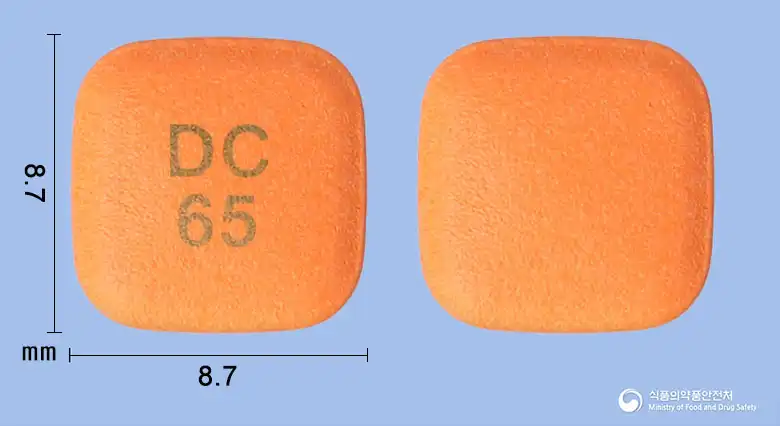
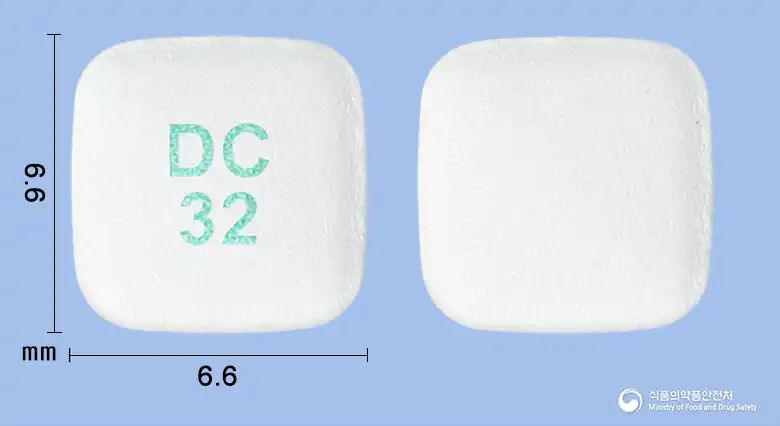
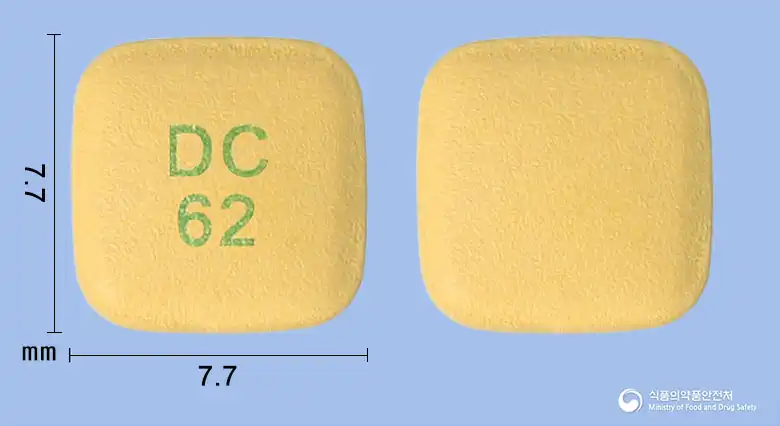
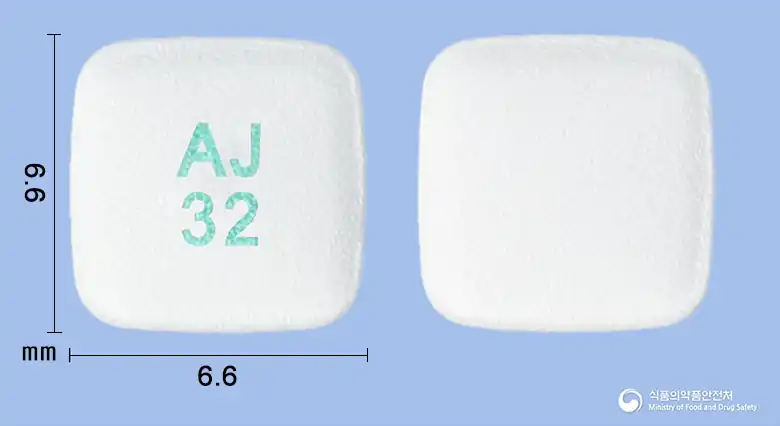
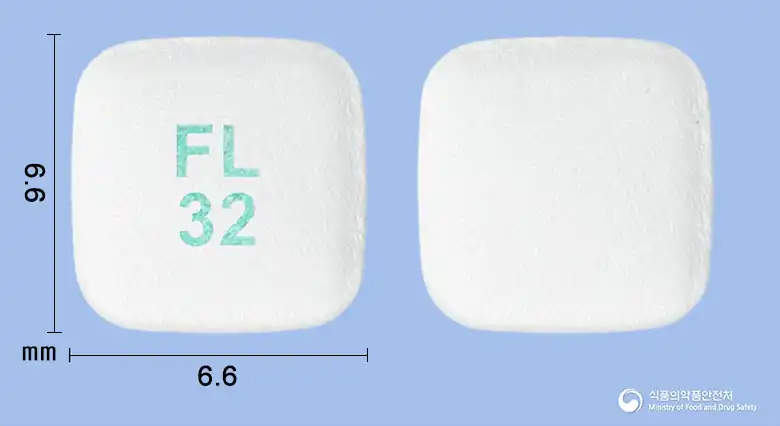
This product's status changed to Approval withdrawn on 2025.08.14. It may no longer be sold, so consult a doctor or pharmacist before taking it.
Summary
Main use
Treatment of essential hypertension not controlled with fimasartan monotherapy
Who takes it
Adults · Children
Adult dose
The recommended dose of this medicine is 1 tablet once daily, taken with water, with or without food. It is recommended that it be taken at the same time each day, if possible (e.g., in the morning).
Before treatment with this medicine, it is recommended that the dose be adjusted with fimasartan. However, if blood pressure is not controlled as described below, switching directly to this medicine may be considered.
ㆍ 30/2.5 milligrams: Administer to patients whose blood pressure is not adequately controlled with fimasartan 30 milligrams monotherapy.
ㆍ 60/2.5 milligrams: Administer to patients whose blood pressure is not adequately controlled with fimasartan 60 milligrams monotherapy.
ㆍ 60/5 milligrams: Administer to patients whose blood pressure is not adequately controlled with fimasartan 60 milligrams monotherapy or this medicine 60/2.5 milligrams.
Patients taking fimasartan and S-amlodipine (amlodipine) concomitantly may switch to this medicine (a combination product containing the same amounts of each active ingredient) for convenience.
No initial dose adjustment is required in elderly patients aged 70 years or younger.
No dose adjustment is required in patients with mild to moderate renal impairment (creatinine clearance 30 ~ 80 mL/min). However, in patients with severe renal impairment (creatinine clearance < 30 mL/min), treatment should be initiated with this medicine containing fimasartan 30 milligrams.
No dose adjustment is required in patients with mild hepatic impairment. However, this medicine should not be administered to patients with moderate to severe hepatic impairment.
Child dose
The safety and efficacy of this medicine have not been established in pediatric and adolescent patients 18 years of age or younger.
Treatment of essential hypertension not controlled with fimasartan monotherapy
Essential hypertension
View approved original textHide original text
This medication is used in patients with essential hypertension whose blood pressure is not adequately controlled by monotherapy with pimodartan potassium. It effectively lowers blood pressure and helps prevent cardiovascular complications.
How to take
Adult dose
The recommended dose of this medicine is 1 tablet once daily, taken with water, with or without food. It is recommended that it be taken at the same time each day, if possible (e.g., in the morning).
Before treatment with this medicine, it is recommended that the dose be adjusted with fimasartan. However, if blood pressure is not controlled as described below, switching directly to this medicine may be considered.
ㆍ 30/2.5 milligrams: Administer to patients whose blood pressure is not adequately controlled with fimasartan 30 milligrams monotherapy.
ㆍ 60/2.5 milligrams: Administer to patients whose blood pressure is not adequately controlled with fimasartan 60 milligrams monotherapy.
ㆍ 60/5 milligrams: Administer to patients whose blood pressure is not adequately controlled with fimasartan 60 milligrams monotherapy or this medicine 60/2.5 milligrams.
Patients taking fimasartan and S-amlodipine (amlodipine) concomitantly may switch to this medicine (a combination product containing the same amounts of each active ingredient) for convenience.
No initial dose adjustment is required in elderly patients aged 70 years or younger.
No dose adjustment is required in patients with mild to moderate renal impairment (creatinine clearance 30 ~ 80 mL/min). However, in patients with severe renal impairment (creatinine clearance < 30 mL/min), treatment should be initiated with this medicine containing fimasartan 30 milligrams.
No dose adjustment is required in patients with mild hepatic impairment. However, this medicine should not be administered to patients with moderate to severe hepatic impairment.
Child dose
The safety and efficacy of this medicine have not been established in pediatric and adolescent patients 18 years of age or younger.
Precautions
This drug can cause serious harm or death to the fetus and newborn during the second and third trimesters of pregnancy, so it should be discontinued immediately upon confirmation of pregnancy.
It should not be administered to patients who are allergic to any ingredients of this drug, those who are pregnant or breastfeeding, those undergoing renal dialysis, those with moderate to severe liver function impairment, those with bile duct obstruction, patients with certain renal or diabetes-related diseases, patients with lactose intolerance or other genetic issues, and patients with severe aortic stenosis or in shock.
Caution should be exercised when administering this drug to patients with reduced blood volume or sodium, impaired renal function, renal artery hypertension, aortic and mitral stenosis or obstructive/hypertrophic cardiomyopathy, primary aldosteronism, severe hypotension, elderly patients, and patients with known allergies to specific pigments.
Dizziness, headache, facial swelling, urinary disturbances, insomnia, flushing, and other unusual symptoms may occur during treatment, and consultation with a healthcare professional is recommended if these symptoms arise.
This medication lowers blood pressure and care should be taken in patients at risk of excessive hypotension or electrolyte imbalances. Regular monitoring of blood pressure and laboratory tests may be necessary.
It may interact with other antihypertensive drugs, potassium-sparing diuretics, lithium, non-steroidal anti-inflammatory analgesics and should be communicated to healthcare providers if other medications are being taken.
Women who are pregnant or breastfeeding should consult a physician before taking this medication, and breastfeeding should be stopped if they continue medication.
The safety of this drug in children under 18 years has not been established, and caution is required in patients aged 70 and above as they may be more sensitive to the effects.
Patients with severe liver impairment should not take this medication.
Overdose may result in hypotension, arrhythmias, severe vascular dilation, and appropriate medical treatment should be sought immediately if overdose is suspected.
This medication should be kept out of reach of children, and transferring it to another container may compromise its quality.
Side effects
Dizziness
orthostatic dizziness
headache
facial swelling
peripheral edema
micturition disorder
insomnia
flushing
fainting
sedation
Show 125 moreCollapse
migraine
dyspepsia
vomiting
nausea
upper abdominal pain
weakness
foreign body sensation
elevated liver enzyme levels
decreased platelet count
increased serum creatine phosphokinase
cough
muscle contraction
musculoskeletal stiffness
pruritus
localized urticaria
erectile dysfunction
epilepsy
amyotrophic lateral sclerosis
neuropathy
neuronitis
facial paralysis
normal pressure hydrocephalus
spinal stenosis
acute pancreatitis
intestinal obstruction
hemorrhagic duodenal ulcer
appendicitis
hemorrhoids
abdominal pain
intracranial hemorrhage
transient ischemic attack
atherosclerosis
cerebral infarction deterioration
cerebral hemorrhage
liver cancer
colon carcinoma
neoplasm of unknown origin
cervical cancer
prostate cancer
acute renal failure
chronic renal failure
kidney stones
pyelonephritis
urinary incontinence
rhinitis
fibrosing alveolitis
pharyngitis
pneumonia
lung disease
death
exacerbation of low back pain
osteoarthritis
arthropathy
hypoglycemia
hyperkalemia
pulmonary embolism
purpura
bradycardia
atrial fibrillation
coronary artery disease
aortic stenosis
heart failure
increased blood pressure
acute hepatitis
benign pituitary neoplasm
otitis media
pelvic organ prolapse
recurrent cancer
chest pain
low back pain
fatigue
fever
neck/shoulder pain
fracture
myalgia
pharyngitis
upper respiratory infection
sputum
rhinitis
nosebleed
bronchitis
paresthesia
numbness
tremor
hypertonia
insomnia
depression
anxiety
memory impairment
appetite loss
gastroesophageal reflux
gastritis
diarrhea
constipation
functional bowel disorder
dysuria
hyperlipidemia
dyslipidemia
purpura
urticaria
toxic epidermal necrolysis
increased urinary frequency
nocturia
hepatitis
jaundice
pruritus
rash
vascular edema
erythema multiforme
myocardial infarction
arrhythmia
chest pain
blood pressure reduction
sinoatrial block
atrioventricular block
abdominal discomfort
epigastric pain
diarrhea
loose stools
skin hyperemia
maculopapular rash
heaviness
warmth
decreased glucose tolerance
frailty
Not everyone experiences these, and they can vary from person to person.
Storage
This medication is sensitive to light and should be stored in a container that does not allow light to enter. It should also be kept at a temperature between 1 to 30 degrees Celsius.
Even with the same ingredient, the dose and directions can differ by strength and dosage form. Talk to a doctor or pharmacist before switching from a medication you are already taking.
Questions about this medicine
No questions yet.
For anything that needs medical judgment, consult a doctor or pharmacist.
This drug information is based on data provided by the Korea Ministry of Food and Drug Safety. Consult a doctor or pharmacist for accurate dosage, administration, and usage instructions.

 한국어
 English
 日本語
 中文(简体)