
 한국어
한국어 English
 日本語
日本語 中文(简体)
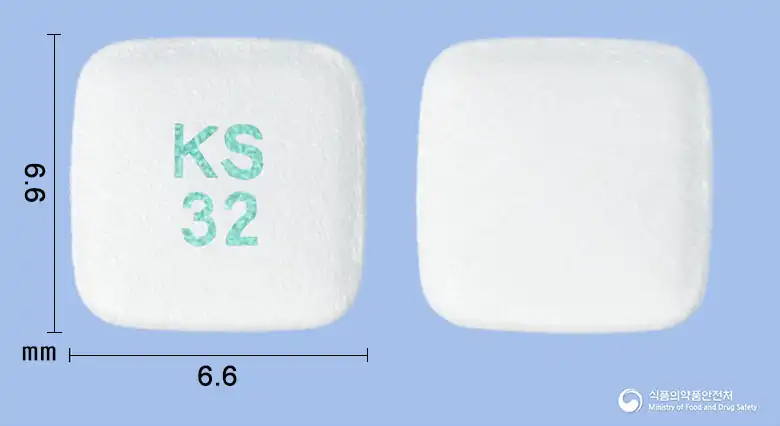 Viewing nowCombination
Ducapine Tablet 30/2.5 mg
Fimasartan Potassium Trihydrate 33.005mg · S-Amlodipine Besylate 2.5 Hydrate 3.74mg
Tablet · Prescription medication · Combination
Aprogen BioLogic Co., Ltd.
MFDS item code 202300085 · Approved 2023.01.06
Improvement of blood pressure control in essential hypertension
This medicine is used for patients with essential hypertension whose blood pressure is not adequately controlled with Pimasartan potassium monotherapy.
The recommended dosage for adults is 1 tablet once daily, to be taken with water regardless of meals. It is advisable to take it at the same time every day (e.g., in the morning). If blood pressure is not controlled with Pimasartan monotherapy, doses of 30/2.5 mg, 60/2.5 mg, or 60/5 mg may be administered based on the patient's condition. No initial dosage adjustment is required for elderly patients (70 years or younger). Mild
Safety and efficacy in pediatric and adolescent patients under 18 years of age have not been established.
This medication can cause serious harm to the fetus and newborn if taken during pregnancy, especially in the second and third trimesters. Therefore, if pregnancy is confirmed, it should be discontinued immediately. Do not use in individuals with allergies to this medication or similar drugs, pregnant or nursing women, patients undergoing kidney dialysis, patients with moderate to severe liver impairment, patients with biliary obstruction, patients with specific kidney disorders or diabetic nephropathy, patients with genetic issues such as lactose intolerance, patients with severe aortic stenosis, and patients in shock. Use this medication with caution in patients with low blood volume or salt deficiency, impaired kidney function, renal artery hypertension, aortic and mitral valve stenosis, primary aldosteronism, severe hypotension, elderly patients, and patients with allergies to certain dyes. This medication may cause side effects such as dizziness, headache, facial edema, urinary disorders, insomnia, flushing, and rare but serious side effects including severe kidney problems, gastrointestinal bleeding, and cerebrovascular disease. During treatment, be vigilant for symptoms of hypotension, especially when starting treatment or increasing the dose in patients using diuretics or with decreased blood volume. This medication may elevate blood potassium levels, so patients with high potassium levels need regular monitoring. Interactions may occur when taken with other antihypertensive agents or specific medications, so consult a physician or pharmacist if taking other medications. Avoid use during pregnancy as it may pose a risk to the fetus, and if nursing, consider avoiding administration or stopping breastfeeding due to potential transmission in breast milk. Safety and efficacy have not been established for children under 18 years of age, and caution is advised for elderly patients over 70 years as they may be more sensitive to the medication. Do not use this medication in patients with severe liver impairment. In cases of overdose, severe hypotension or cardiac function abnormalities may occur, so if symptoms arise, inform healthcare providers immediately and seek emergency treatment if necessary. Keep this medication out of reach of children, and be careful not to transfer it to other containers as it may affect quality and safety.
Urticaria, severe swelling (edema), chest tightness, difficulty breathing, cold sweat, pallor, severe rash with high fever, blisters, skin peeling, pain in the mucous membranes of the mouth/eyes, difficulty breathing or shortness of breath, asthma attacks, respiratory anomalies accompanied by cough and fever, jaundice (yellowing of the skin or eyes), extreme lethargy, sudden and severe headache, thunderclap headache, seizures, confusion, visual disturbances, paralysis, urination
Not everyone experiences these, and they can vary from person to person.
This medication is sensitive to light, so it should be stored in a light-blocking container. Additionally, it is recommended to store the medication at room temperature, between 1 and 30 degrees Celsius. Proper storage will help maintain the safety and effectiveness of the medication.
White film-coated tablet with rounded edges in a rectangular shape
30 tablets/bottle, 300 tablets/bottle
Even with the same ingredient, strength, dosage form and how it is taken can differ.
Viewing nowCombinationFimasartan Potassium Trihydrate 33.005mg · S-Amlodipine Besylate 2.5 Hydrate 3.74mg
Tablet · Prescription medication · Combination
Aprogen BioLogic Co., Ltd.
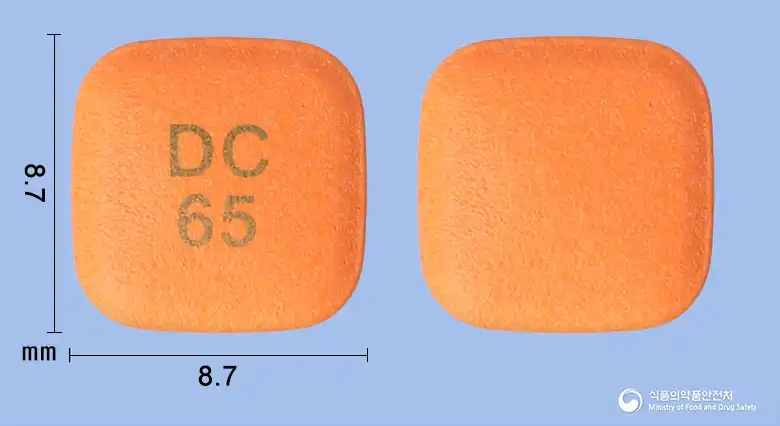 Combination
Fimasartan Potassium Trihydrate 66.01mg · S-Amlodipine Besylate 2.5 Hydrate 7.48mg
Tablet · Prescription medication · Combination
Donggu Bio Pharmaceutical Co., Ltd.
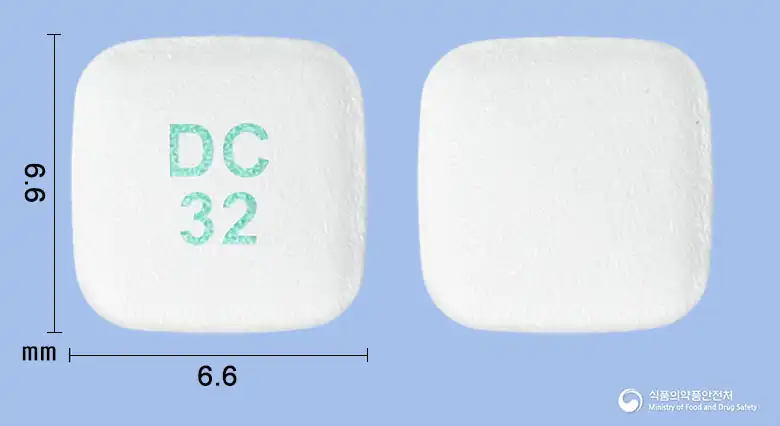 Combination
Fimasartan Potassium Trihydrate 33.005mg · S-Amlodipine Besylate 2.5 Hydrate 3.74mg
Tablet · Prescription medication · Combination
Donggu Bio Pharmaceutical Co., Ltd.
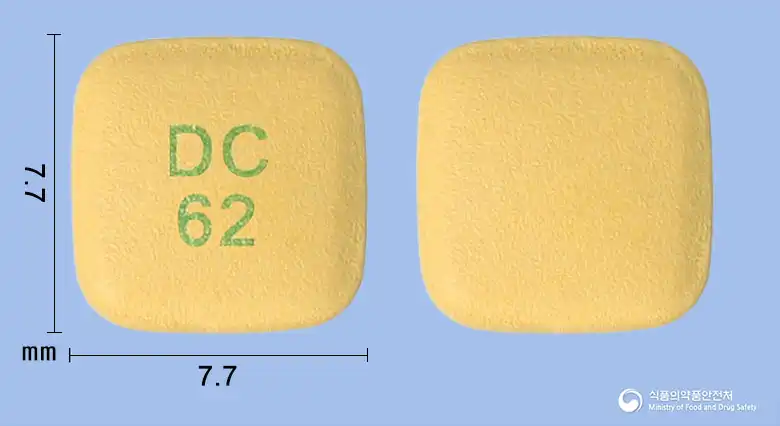 Combination
Fimasartan Potassium Trihydrate 66.01mg · S-Amlodipine Besylate 2.5 Hydrate 3.74mg
Tablet · Prescription medication · Combination
Donggu Bio Pharmaceutical Co., Ltd.
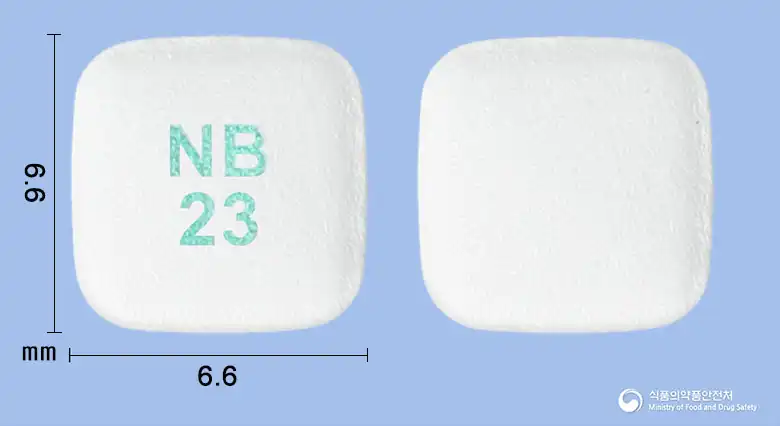 Combination
Fimasartan Potassium Trihydrate 33.005mg · S-Amlodipine Besylate 2.5 Hydrate 3.74mg
Tablet · Prescription medication · Combination
NBK Pharmaceutical Co., Ltd.
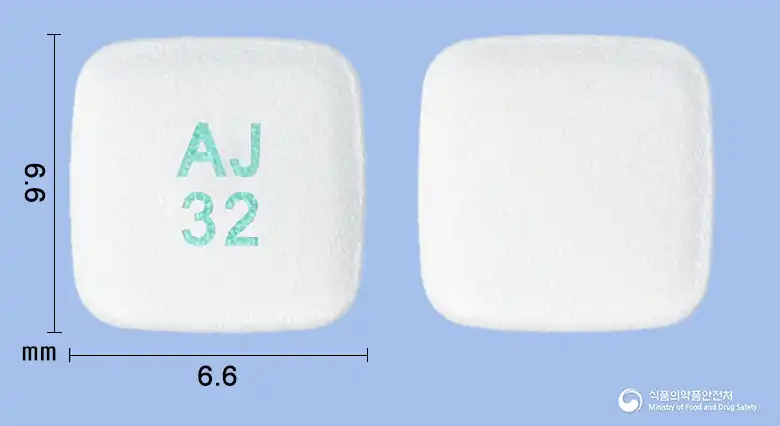 Combination
Fimasartan Potassium Trihydrate 33.005mg · S-Amlodipine Besylate 2.5 Hydrate 3.74mg
Tablet · Prescription medication · Combination
Ajou Pharmaceuticals Co., Ltd.
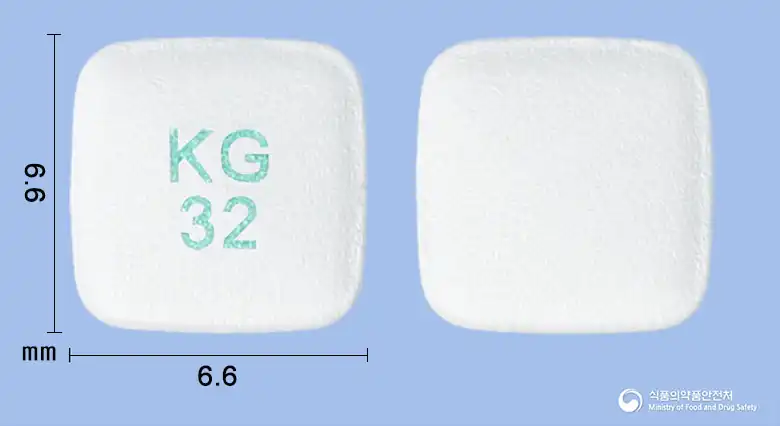 Combination
Fimasartan Potassium Trihydrate 33.005mg · S-Amlodipine Besylate 2.5 Hydrate 3.74mg
Tablet · Prescription medication · Combination
Kips Biopharma Co., Ltd.
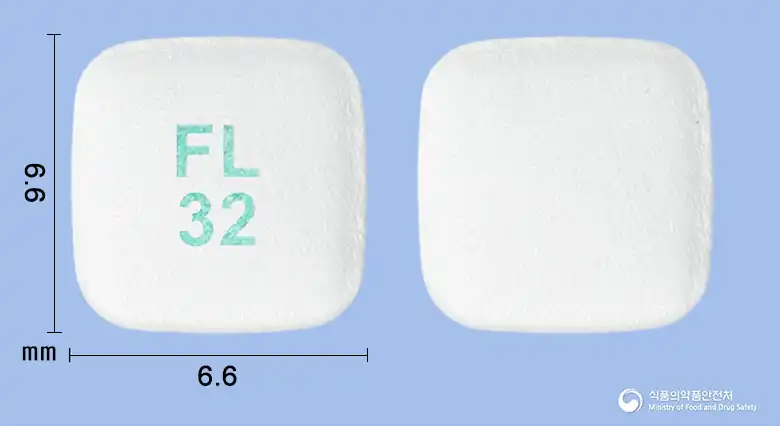 Combination
Fimasartan Potassium Trihydrate 33.005mg · S-Amlodipine Besylate 2.5 Hydrate 3.74mg
Tablet · Prescription medication · Combination
Bionex Co., Ltd.
Even with the same ingredient, the dose and directions can differ by strength and dosage form. Talk to a doctor or pharmacist before switching from a medication you are already taking.
No questions yet.
For anything that needs medical judgment, consult a doctor or pharmacist.
This drug information is based on data provided by the Korea Ministry of Food and Drug Safety.
Consult a doctor or pharmacist for accurate dosage, administration, and usage instructions.