
 한국어
한국어 English
 日本語
日本語 中文(简体)
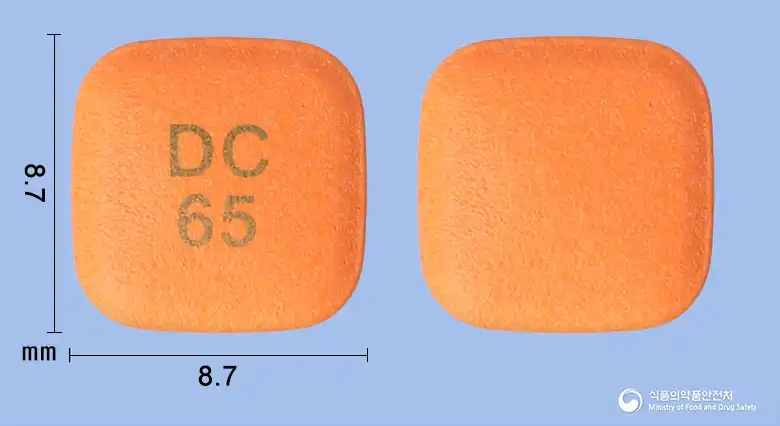 Viewing nowCombination
Escarb Tablets 60/5 mg
Fimasartan Potassium Trihydrate 66.01mg · S-Amlodipine Besylate 2.5 Hydrate 7.48mg
Tablet · Prescription medication · Combination
Donggu Bio Pharmaceutical Co., Ltd.
MFDS item code 202300053 · Approved 2023.01.05 · Insurance code 657308800
Improvement in blood pressure control for essential hypertension
This medicine can be an effective treatment option for patients with essential hypertension whose blood pressure is not adequately controlled by monotherapy with pimodizide potassium. Essential hypertension can raise blood pressure, putting strain on the heart and blood vessels, making proper management crucial. This drug helps stabilize blood pressure more reliably, aiding in the prevention of complications. Therefore, it is used when additional control is needed alongside treatment using pimodizide potassium.
The recommended dosage for this medication is 1 tablet once a day, taken with water regardless of meals. Taking it at the same time each day (e.g., morning) is recommended. No initial dose adjustment is necessary for elderly patients (70 years or younger). No dose adjustment is needed for patients with mild to moderate renal impairment (creatinine clearance 30 to 80 mL/min). For patients with severe renal impairment (creatinine clearance < 30 mL/min), treatment should begin with 30 mg of pimodizide.
The safety and efficacy for pediatric and adolescent patients under 18 years have not been established.
This medication can cause serious harm or death to the fetus and newborn if used during pregnancy, especially in the 2nd and 3rd trimesters; therefore, it should be discontinued immediately once pregnancy is confirmed. Patients with allergies to the active ingredient or similar drugs, those who are pregnant or breastfeeding, individuals undergoing dialysis, patients with severe liver disease, those with bile duct obstruction, diabetic patients with certain kidney diseases, individuals with specific genetic lactose intolerance, patients with severe aortic stenosis, patients in shock, etc., should not take this medication. Patients with reduced blood volume or salt, impaired kidney function, renal vascular hypertension, aortic stenosis and mitral valve stenosis, primary aldosteronism, severe hypotension, elderly patients, and those allergic to certain colorants in the medication should use this medicine cautiously. While taking this drug, side effects such as dizziness, headache, facial swelling, urinary disorders, insomnia, flushing may occur, and serious kidney issues or blood pressure drops may also occur in rare cases; any abnormal symptoms should prompt immediate consultation with medical personnel. During use, there may be risks of too low blood pressure or electrolyte imbalances, especially when taken alongside diuretics or with dietary restrictions; hence caution is necessary, and appropriate measures should be taken if symptoms arise. This medication may interact with other antihypertensive agents, potassium-sparing diuretics, lithium, and non-steroidal anti-inflammatory drugs. If taking other medications, be sure to inform your doctor or pharmacist. It should be avoided during pregnancy due to serious risks to the fetus and should be discussed with a professional during breastfeeding since the drug may be passed through breast milk. Safety and efficacy for pediatric patients under 18 years have not been established, and elderly patients may be more sensitive to the medication and require caution during use. In cases of overdose, severe hypotension and heart problems may occur, so seek appropriate medical treatment immediately.
Acute renal failure, chronic renal failure, acute hepatitis, hepatitis, jaundice, hypotension, syncope, blood pressure drop, severe hypotension, angioedema, urticaria, toxic epidermal necrolysis, heart failure, pulmonary edema, myocardial infarction, arrhythmias (including bradycardia, ventricular tachycardia, atrial fibrillation), pneumonia, lung disease, cough, asthma, hypertension, epilepsy, amyotrophic lateral sclerosis, neuropathy, neuritis, facial paralysis, normal pressure hydrocephalus, spinal stenosis, headache, intracranial hemorrhage
Not everyone experiences these, and they can vary from person to person.
This medication may be sensitive to light, so it should be stored in a container that protects from light. Additionally, it is best stored at room temperature between 1 to 30 degrees Celsius. This helps maintain the drug's effectiveness and safety.
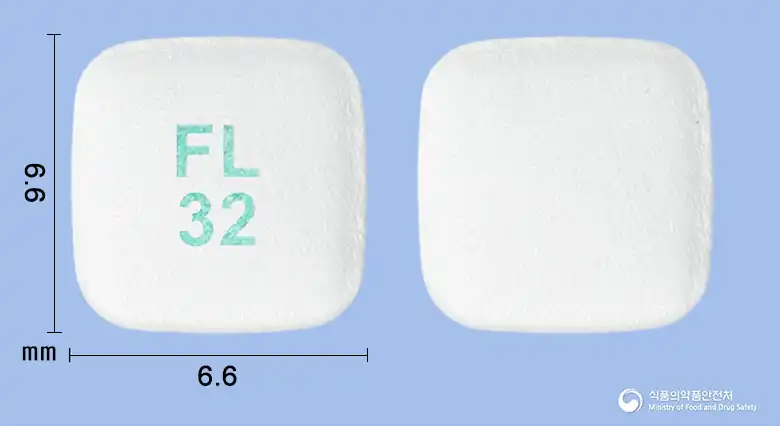
Orange colored, rounded square film-coated tablets
30 tablets/bottle, 300 tablets/bottle
Even with the same ingredient, strength, dosage form and how it is taken can differ.
Viewing nowCombinationFimasartan Potassium Trihydrate 66.01mg · S-Amlodipine Besylate 2.5 Hydrate 7.48mg
Tablet · Prescription medication · Combination
Donggu Bio Pharmaceutical Co., Ltd.
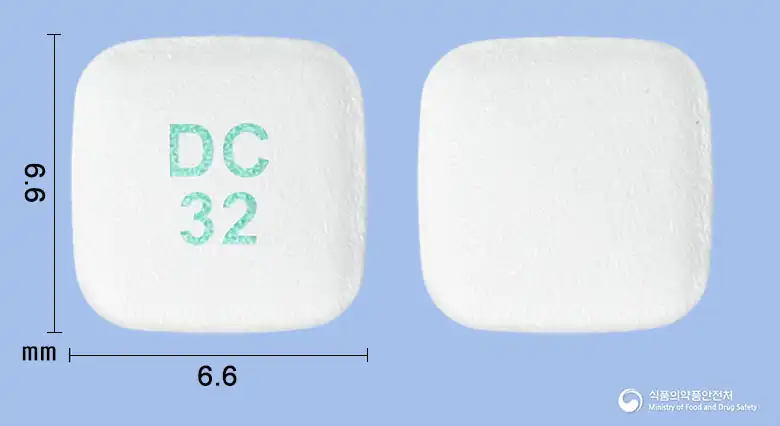 Combination
Fimasartan Potassium Trihydrate 33.005mg · S-Amlodipine Besylate 2.5 Hydrate 3.74mg
Tablet · Prescription medication · Combination
Donggu Bio Pharmaceutical Co., Ltd.
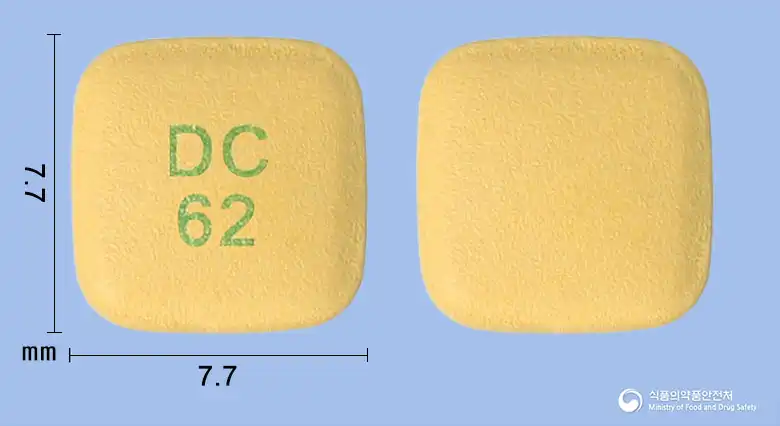 Combination
Fimasartan Potassium Trihydrate 66.01mg · S-Amlodipine Besylate 2.5 Hydrate 3.74mg
Tablet · Prescription medication · Combination
Donggu Bio Pharmaceutical Co., Ltd.
 Combination
Fimasartan Potassium Trihydrate 33.005mg · S-Amlodipine Besylate 2.5 Hydrate 3.74mg
Tablet · Prescription medication · Combination
NBK Pharmaceutical Co., Ltd.
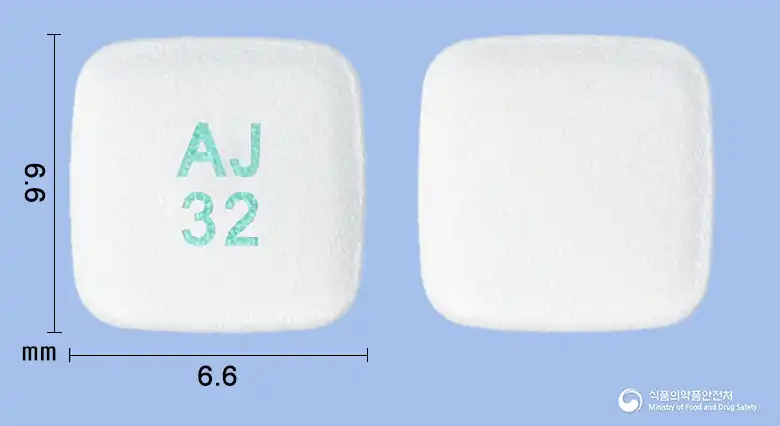 Combination
Fimasartan Potassium Trihydrate 33.005mg · S-Amlodipine Besylate 2.5 Hydrate 3.74mg
Tablet · Prescription medication · Combination
Ajou Pharmaceuticals Co., Ltd.
 Combination
Fimasartan Potassium Trihydrate 33.005mg · S-Amlodipine Besylate 2.5 Hydrate 3.74mg
Tablet · Prescription medication · Combination
Kips Biopharma Co., Ltd.
 Combination
Fimasartan Potassium Trihydrate 33.005mg · S-Amlodipine Besylate 2.5 Hydrate 3.74mg
Tablet · Prescription medication · Combination
Bionex Co., Ltd.
 Combination
Fimasartan Potassium Trihydrate 33.005mg · S-Amlodipine Besylate 2.5 Hydrate 3.74mg
Tablet · Prescription medication · Combination
Aprogen BioLogic Co., Ltd.
Even with the same ingredient, the dose and directions can differ by strength and dosage form. Talk to a doctor or pharmacist before switching from a medication you are already taking.
No questions yet.
For anything that needs medical judgment, consult a doctor or pharmacist.
This drug information is based on data provided by the Korea Ministry of Food and Drug Safety.
Consult a doctor or pharmacist for accurate dosage, administration, and usage instructions.