Medication info

Dapasita Tablets 10/100 mg (Dapagliflozin Propanediol Monohydrate, Sitagliptin Phosphate Monohydrate)

Prescription medicationTablet
Ingredient · strength
Dapagliflozin Propanediol Hydrate›12.3mg / 1 tabletSitagliptin Phosphate Hydrate›128.5mg / 1 tablet
Manufacturer / importer
익수제약(주)
Appearance
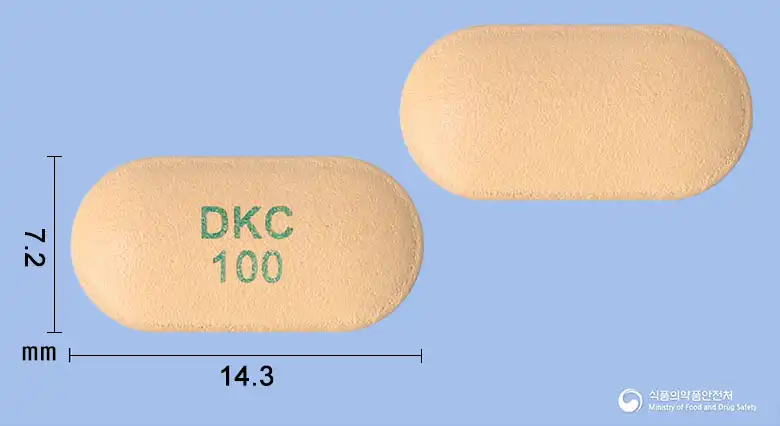
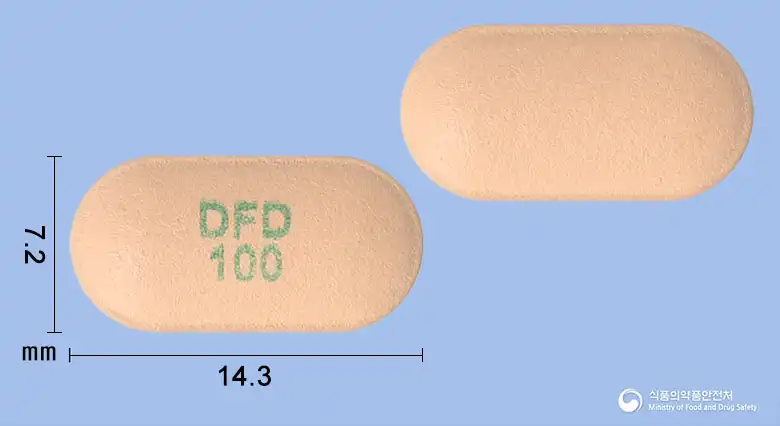
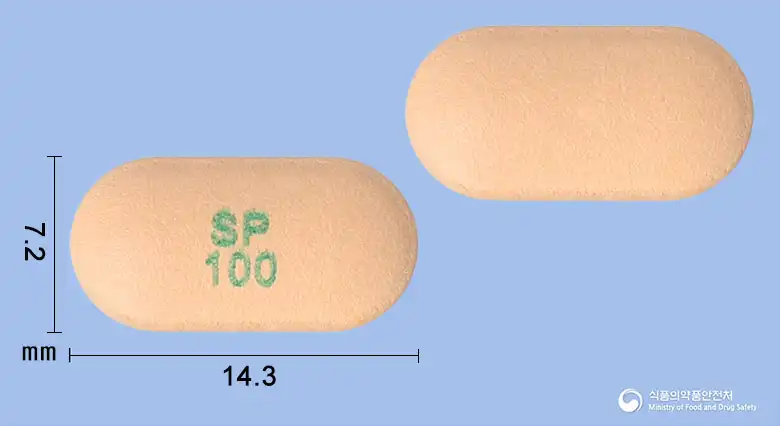
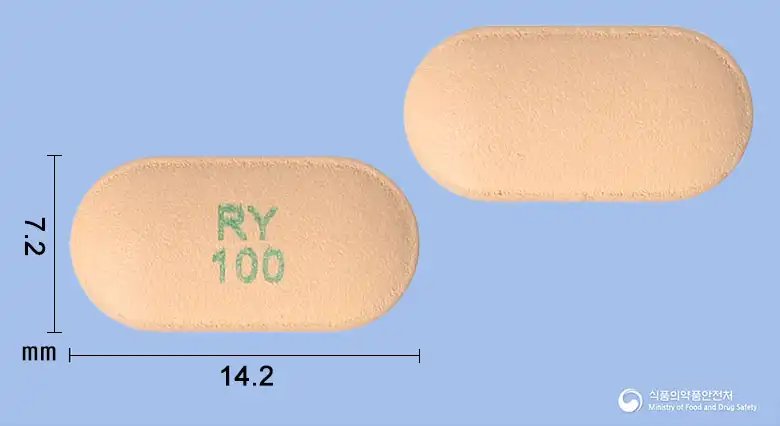
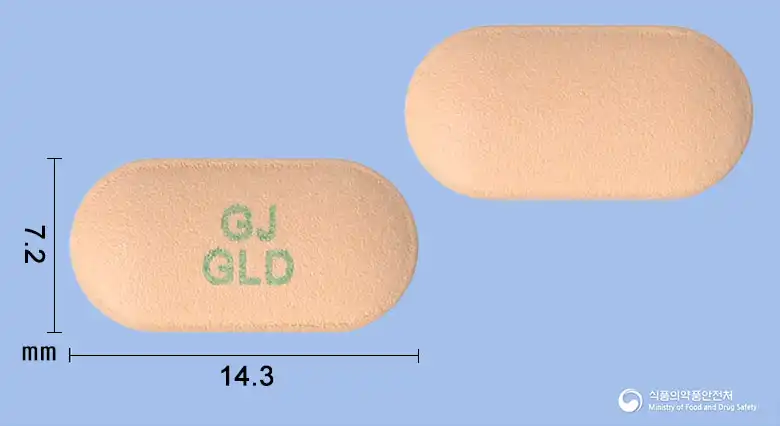
Beige oval film-coated tablet
Packaging
30 tablets/PTP [(10 tablets/PTP x 3)]
Approval status
Active

MFDS item code 202300031 · Approved 2023.01.03

Summary

Main use
Improvement of blood sugar control in type 2 diabetes
Who uses it
Adults
Adult dosage
This medication can be administered as 1 tablet once daily irrespective of meals to patients receiving sitagliptin 100 mg and dapagliflozin 10 mg. The tablet should be swallowed whole.

Ingredients

Manufacturer
익수제약(주)

Efficacy & effects

Improvement of blood sugar control in type 2 diabetes

View approved original text

This medication is used to help control blood sugar in patients with type 2 diabetes. It effectively improves blood glucose levels by combining sitagliptin and dapagliflozin to assist diet and exercise therapy. This allows for smoother blood sugar management for the patient.

Dosage and Administration

Adult dosage

This medication can be administered as 1 tablet once daily irrespective of meals to patients receiving sitagliptin 100 mg and dapagliflozin 10 mg. The tablet should be swallowed whole.

Precautions

This medication may cause severe allergic reactions due to the sitagliptin component; therefore, if skin rash or difficulty breathing occurs within three months of administration, it must be stopped immediately and a doctor consulted. This medication can cause serious pancreatic diseases known as pancreatitis; therefore, symptoms such as abdominal pain, nausea, or vomiting should immediately be reported to a healthcare professional. Patients with allergies to the active ingredients or excipients, type 1 diabetes, diabetic ketoacidosis, or those on dialysis should not use this medication. Patients with decreased blood volume or renal impairment must have their condition assessed before administration and should regularly monitor blood pressure and kidney function during treatment. Especially elderly patients or those on diuretics are at a higher risk of dehydration or hypotension and should be observed carefully. This medication can increase the risk of genital and urinary tract infections; if infectious symptoms develop, immediate treatment should be sought, and patients with a history of infections should be more cautious. There is a risk of hypoglycemia, so careful attention should be paid to hypoglycemic symptoms when used in combination with insulin or sulfonylureas, and dosage adjustments may be necessary if needed. Pregnant or breastfeeding women should avoid using this medication, and it should be discontinued immediately if pregnancy is confirmed. Safety and efficacy have not been established in pediatric patients, so use is not recommended. In case of overdose, there are no specific antidotes, and appropriate treatment should be administered according to the symptoms, and necessary action should be taken per healthcare professionals' directions. Care should be taken when driving or operating machinery due to the risk of hypoglycemia, especially when taken in conjunction with insulin or sulfonylureas.

Side effects and when to seek care immediately

Serious side effects

Hives, severe swelling (edema), chest tightness, difficulty breathing, cold sweat, pallor, severe allergic reactions, severe rash with high fever, blisters, peeling skin, oral/ocular mucosal pain, severe dermatological reactions, shortness of breath or difficulty breathing, asthma attacks, respiratory abnormalities accompanied by cough and fever, jaundice (yellowing of the skin or eyes), extreme lethargy, liver abnormalities (jaundice), sudden and severe

Mild side effects

  • Genital infections
  • urinary tract infections
  • hypoglycemia
  • dizziness
  • constipation
  • dry mouth
  • back pain
  • polyuria
  • nocturia
  • vulvar pruritus
Show 26 more
  • itching
  • nausea
  • diarrhea
  • headache
  • rhinitis
  • upper respiratory tract infection
  • dyspepsia
  • nausea
  • abdominal pain
  • weakness
  • fatigue
  • edema
  • chest pain
  • palpitations
  • insomnia
  • tinnitus
  • orthostatic hypotension
  • hair loss
  • dermatitis
  • dry skin
  • allergic dermatitis
  • contact dermatitis
  • abnormal sweating
  • eczema
  • cobblestone dermatitis
  • myopathy

Not everyone experiences these, and they can vary from person to person.

Storage

This medication should be stored in a tightly closed container to protect it from air and moisture. It is recommended to maintain a storage temperature between 1 and 30 degrees Celsius.

Appearance and packaging

Appearance

Beige oval film-coated tablet

Package unit

30 tablets/PTP [(10 tablets/PTP x 3)]

Same-ingredient medicines

Even with the same ingredient, strength, dosage form and how it is taken can differ.

Even with the same ingredient, the dose and directions can differ by strength and dosage form. Talk to a doctor or pharmacist before switching from a medication you are already taking.

Questions about this medicine

No questions yet.

For anything that needs medical judgment, consult a doctor or pharmacist.

Related searches

Search tags

Suggested searches

This drug information is based on data provided by the Korea Ministry of Food and Drug Safety.
Consult a doctor or pharmacist for accurate dosage, administration, and usage instructions.