
 한국어
 English
 日本語
 中文(简体)
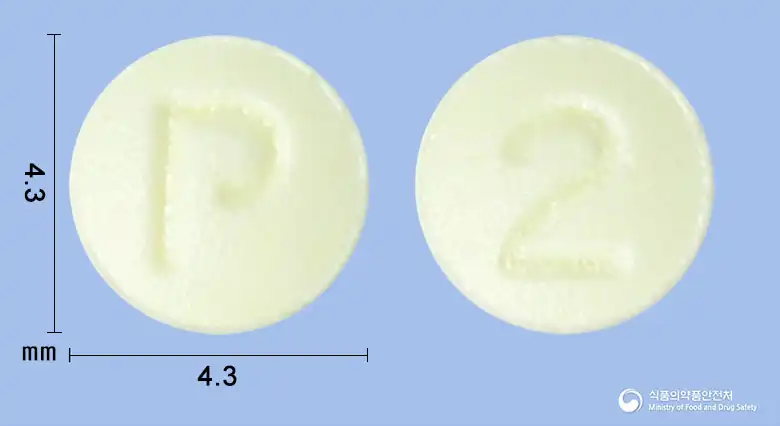 Viewing now
Azabio Tablets 12.5 mg (Azathioprine)
Azathioprine 12.5mg
Tablet · Prescription medication
(Co., Ltd.) HanKook PharmBio
MFDS item code 202204551 · Approved 2022.12.21 · Insurance code 659901820
Treatment of autoimmune diseases and suppression of rejection after kidney transplantation
This medication is used to suppress potential rejection reactions after kidney transplantation and to alleviate symptoms of autoimmune diseases.
After kidney transplantation: Administer azathioprine orally at an initial dose of 3-5 mg/kg of body weight per day and a maintenance dose of 0.5-2 mg/kg of body weight per day. In patients with a creatinine clearance of 20 mL/min or less, the dose must not exceed 1.5 mg/kg of body weight per day. Autoimmune diseases: For treatment of diseases other than chronic active arthritis, administer 2.0-2.5 mg/kg of body weight per day. For treatment of chronic active arthritis, administer 1.0-1.5mg/kg of body weight per day. The tolerated and effective doses vary from patient to patient; therefore, adjust the dose carefully to achieve the optimal therapeutic effect. Consider discontinuing treatment if the condition has not improved after 12 weeks. Adjust the dose appropriately according to age and symptoms.
This medication should not be administered to certain patients. For instance, patients allergic to this drug or similar medications, those with severe liver, kidney, or bone marrow diseases, and women who are pregnant or breastfeeding should not use this drug. Additionally, patients with very low white blood cell counts or specific genetic issues should also avoid this medication. This drug must be administered carefully to patients with suppressed bone marrow function or infections, as well as those with liver or kidney function issues. Special caution is necessary for patients with chickenpox or those taking other medications in combination. While taking this medication, there may be an increased risk of infection, and side effects may occur such as decreased blood cell counts, liver function abnormalities, pancreatitis, skin rashes, or hair loss. In severe cases, pneumonia or serious allergic reactions may happen, and if symptoms occur, immediate consultation with a doctor is essential. Regular blood tests and liver function tests should be performed throughout the treatment period, and adjustments to dosage or cessation of treatment may be required if abnormal symptoms appear. Long-term use may increase the risk of tumor development, necessitating periodic examinations as per the physician's instructions. This drug can interact with other medications, so if you are taking other medications, you must inform your doctor or pharmacist. Caution is especially important when used with immunosuppressants, anticoagulants, certain antibiotics, and some pain relievers. Women who are pregnant or potentially pregnant should not take this medication, and if breastfeeding, they should either stop the medication or stop breastfeeding. Special caution is also necessary for children and the elderly when administering this medication, with careful monitoring of kidney and liver function particularly in older patients. In case of overdose, symptoms such as bone marrow suppression, nausea, vomiting, and diarrhea may occur, and immediate medical intervention is required. This drug should be kept out of the reach of children and stored in its original container.
Not everyone experiences these, and they can vary from person to person.
This medication should be stored in a tightly closed container to protect it from exposure to air and light. Additionally, it is best to store it at room temperature between 1 to 30 degrees Celsius. Avoid direct sunlight and store in a dark place to maintain drug efficacy.
Pale yellow round film-coated tablets
100 tablets/box [10 tablets/PTP X 10 pieces], 10 tablets/box [10 tablets/PTP X 1 piece]
Even with the same ingredient, strength, dosage form and how it is taken can differ.
Viewing nowAzathioprine 12.5mg
Tablet · Prescription medication
(Co., Ltd.) HanKook PharmBio
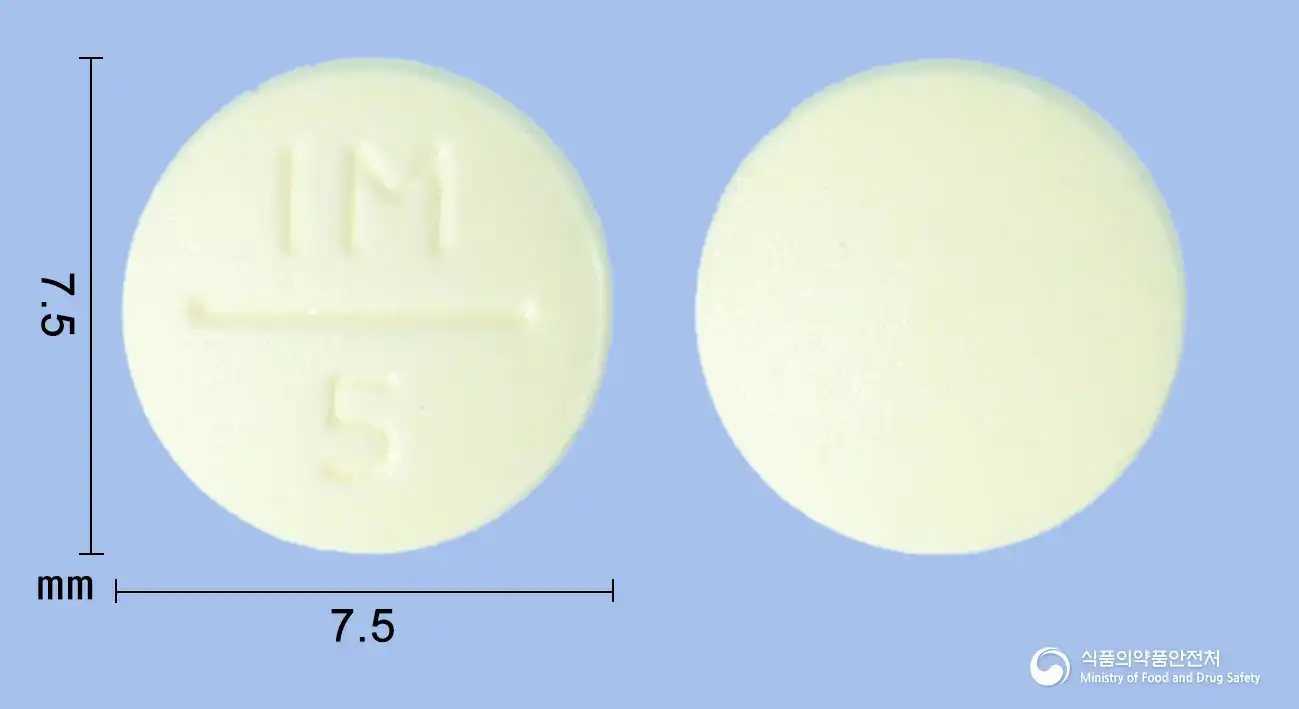
Azathioprine 50mg
Tablet · Prescription medication
Samil Pharmaceutical Co., Ltd.

Azathioprine 50mg
Tablet · Prescription medication
Handok Teva Co., Ltd.
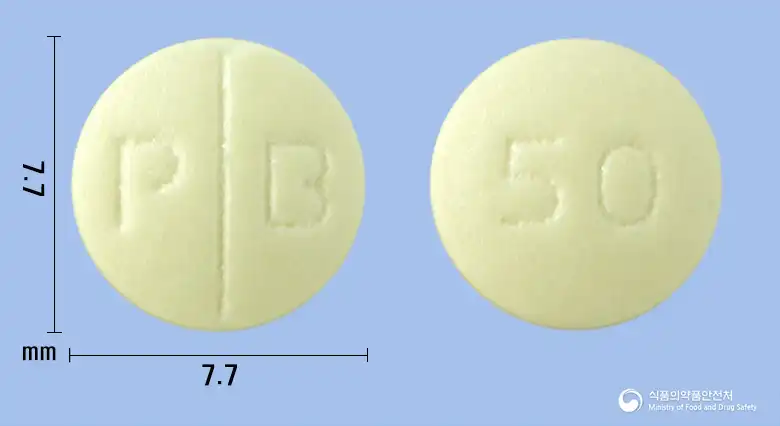
Azathioprine 50mg
Tablet · Prescription medication
Korea Pharmbio Co., Ltd.
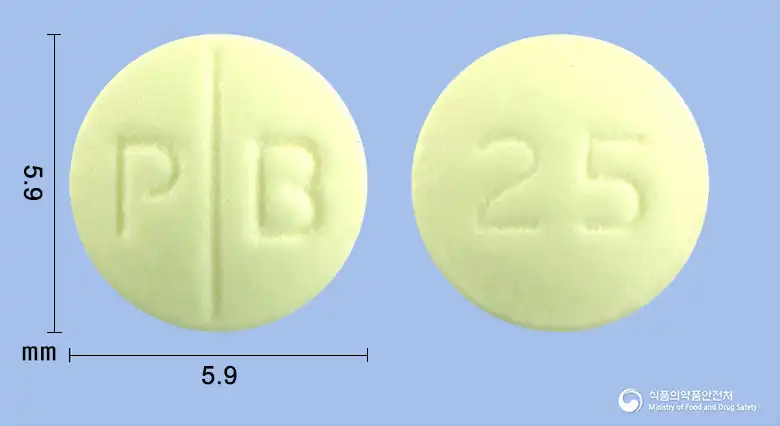
Azathioprine 25mg
Tablet · Prescription medication
Korea Pharmbio Co., Ltd.
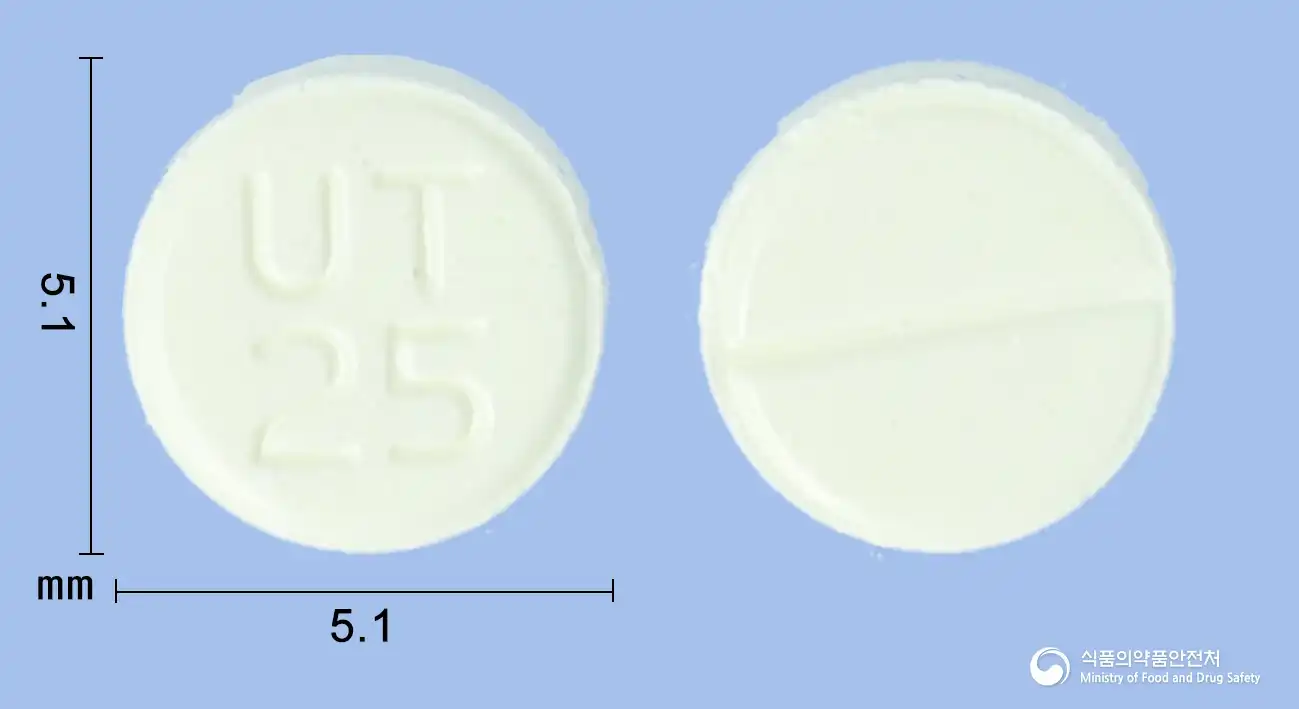
Azathioprine 25mg
Tablet · Prescription medication
Korea United Pharm Inc.
Azathioprine 50mg
Tablet · Prescription medication
Macknulty Pharmaceutical Co., Ltd.
Azathioprine 25mg
Tablet · Prescription medication
McNulty Pharmaceutical Co., Ltd.
Even with the same ingredient, the dose and directions can differ by strength and dosage form. Talk to a doctor or pharmacist before switching from a medication you are already taking.
No questions yet.
For anything that needs medical judgment, consult a doctor or pharmacist.
This drug information is based on data provided by the Korea Ministry of Food and Drug Safety.
Consult a doctor or pharmacist for accurate dosage, administration, and usage instructions.