
 한국어
한국어 English
 日本語
日本語 中文(简体)
 Viewing now
Benavobojeng 0.3 mg (Inavogliflozin)
Enavogliflozin 0.3mg
Tablet · Prescription medication
Daewoong Bio Co., Ltd.
MFDS item code 202204353 · Approved 2022.12.05 · Insurance code 694003990
Improvement of blood sugar control in type 2 diabetes
This medication is used in conjunction with dietary and exercise therapy to improve blood sugar control in patients with type 2 diabetes. It helps effectively manage blood sugar levels, either used alone or in combination with other medications. This contributes to maintaining stable blood sugar levels and reducing the risk of complications.
For type 2 diabetes monotherapy and additional combination therapy, take 0.3 mg once daily. This medication can be administered regardless of meals.
This medication should not be used in certain patients. For example, patients with allergies to the active ingredient or components of this drug, those with type 1 diabetes, severe kidney impairment, and moderate to severe liver dysfunction should not take this medication. Patients with reduced fluid volume or impaired kidney function should have their condition thoroughly evaluated before administration, and blood pressure and kidney function should be monitored frequently during treatment. In cases of heart failure that is severe, the use of this medication is not recommended, and caution should be taken in patients with mild liver impairment. Moreover, when taken with other hypoglycemic agents such as insulin or sulfonylureas, caution is required due to the risk of hypoglycemia. This medication can cause a serious metabolic disturbance called ketoacidosis, so patients with risk factors for ketoacidosis should be particularly cautious and should seek immediate medical attention if symptoms are suspected. There might be an increased risk of urinary tract infections or genital infections; thus, prompt treatment is needed when infection symptoms appear. Due to the diuretic effect of this medication, dehydration may occur, so elderly patients or those taking diuretics should ensure adequate fluid intake and monitor their condition closely. Women who are pregnant or breastfeeding are advised not to use this medication, and safety has not been established for children or adolescents. Elderly patients should be more cautious due to the increased risk of reduced kidney function and dehydration, and it is not recommended to start this medication in patients aged over 80. Patients with severe kidney impairment should not use this medication, and if kidney function continues to deteriorate, the medication should be discontinued. No specific toxic symptoms have been reported in case of overdose; however, appropriate treatment should be administered according to clinical status. During the use of this medication, regular checks of kidney function, blood pressure, and blood sugar status are necessary, and immediate consultation with healthcare professionals should be sought if any infection symptoms or unusual symptoms occur.
Not everyone experiences these, and they can vary from person to person.
Store this medication in a sealed container to protect it from air and moisture. It is recommended to maintain the storage temperature between 1 degree and 30 degrees Celsius at room temperature.
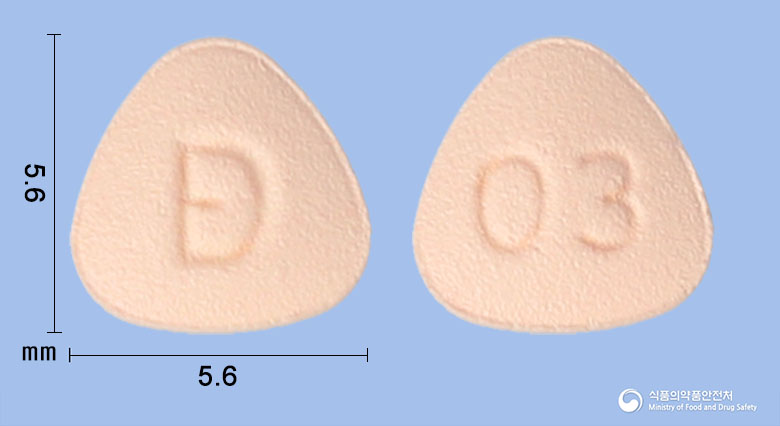
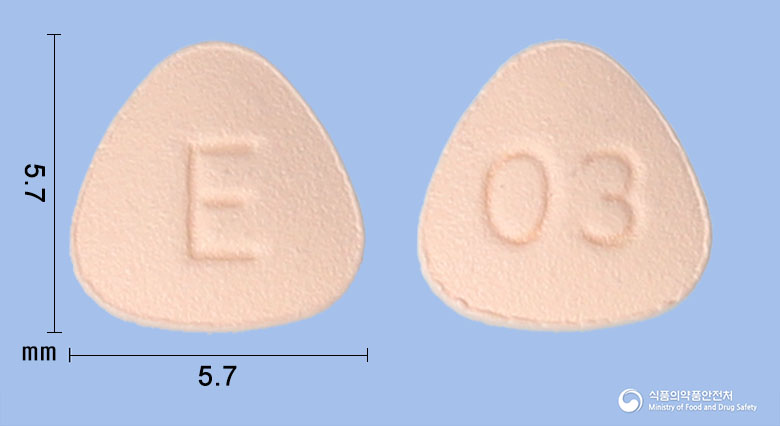
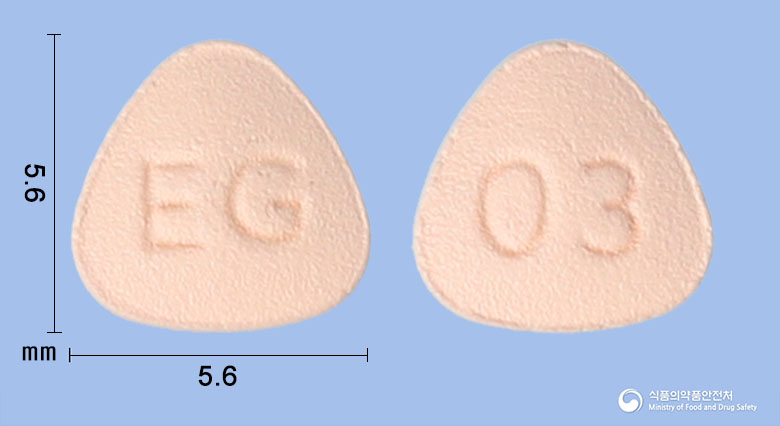
Light orange, biconvex, triangular film-coated tablets
30 tablets/box (10 tablets/PTPX3), 56 tablets/box (14 tablets/PTPX4), 30 tablets/bottle, 300 tablets/bottle
Even with the same ingredient, strength, dosage form and how it is taken can differ.
Viewing nowEnavogliflozin 0.3mg
Tablet · Prescription medication
Daewoong Bio Co., Ltd.
Enavogliflozin 0.3mg
Tablet · Prescription medication
Daewoong Pharmaceutical Co., Ltd.
Enavogliflozin 0.3mg
Tablet · Prescription medication
Hanol Bio Pharma Co., Ltd.
Even with the same ingredient, the dose and directions can differ by strength and dosage form. Talk to a doctor or pharmacist before switching from a medication you are already taking.
No questions yet.
For anything that needs medical judgment, consult a doctor or pharmacist.
This drug information is based on data provided by the Korea Ministry of Food and Drug Safety.
Consult a doctor or pharmacist for accurate dosage, administration, and usage instructions.