
 한국어
한국어 English
 日本語
日本語 中文(简体)
 Viewing now
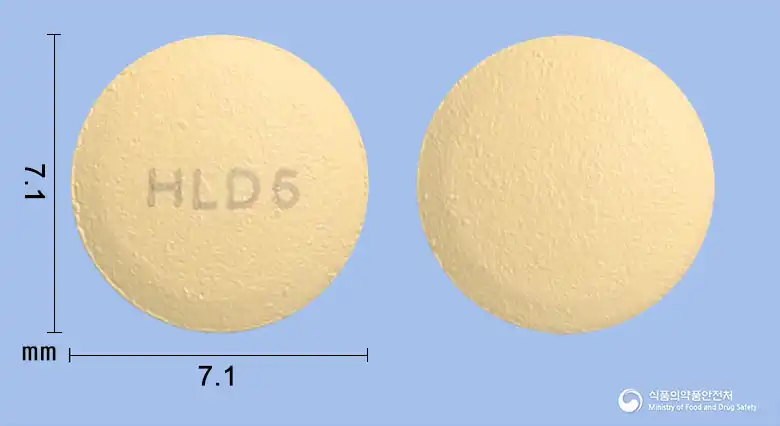
Daparo 5 mg (Dapagliflozin Propanediol Hydrate)
Dapagliflozin Propanediol Hydrate 6.15mg
Tablet · Prescription medication
Hanlim Pharmaceutical Co., Ltd.
MFDS item code 202204312 · Approved 2022.11.30 · Insurance code 645306840
Control of blood sugar in type 2 diabetes, reduction of risk of chronic heart failure (cardiovascular disease), inhibition of progression of chronic kidney disease
This medication is used in conjunction with diet and exercise therapy to help control blood sugar in patients with type 2 diabetes. It also helps reduce the risk of death and hospitalization due to cardiovascular disease in patients with chronic heart failure. In patients with chronic kidney disease, it is used to slow the decline of kidney function and reduce the risk of cardiovascular and kidney-related mortality. Thus, this medication is effective not only in controlling blood sugar but also in improving heart and kidney health.
The recommended dose of this medication is 10 mg once daily. This medication can be taken orally at any time of the day, regardless of food intake. The tablet should be swallowed whole.
The efficacy and safety of Dapagliflozin in children under 18 years of age have not been established. There is no relevant data.
This medication should not be administered to certain patients. It should not be used in patients with allergies to the active ingredient or excipients, patients with type 1 diabetes, patients with diabetic ketoacidosis, and patients with genetic lactose intolerance issues. Additionally, patients on dialysis should not take this medication. Patients with reduced fluid volume or kidney function problems should use this medication with caution. This medication may cause hypotension or temporary worsening of kidney function, so fluid status and kidney function should be assessed before administration, and any symptoms of hypotension or changes in kidney function should be carefully monitored after administration. In particular, caution is advised in patients with moderate or severe reductions in kidney function, as blood sugar control may be less effective. While taking this medication, side effects such as genital infections, urinary tract infections, hypoglycemia, reduced fluid volume, thirst, dizziness, constipation, dry mouth, back pain, dysuria, polyuria, nocturia, increased hematocrit, decreased renal creatinine clearance, dyslipidemia, increased serum creatinine, increased blood urea, weight loss, urticaria, cold sweat, itching, fatigue, swelling, face swelling, facial pain, warmth, flu-like symptoms, chest pain, and fatigue may occur. Pregnant women should not use this medication, and administration should be discontinued if pregnancy is confirmed. Breastfeeding women should also avoid taking this medication, and safety and efficacy in children have not been established. This medication may interact with other drugs, so patients taking diuretics, insulin, or sulfonylureas should consult their physician. Additionally, this medication may affect blood sugar test results, so caution is needed during blood sugar monitoring. In case of overdose, appropriate symptomatic treatment is required. This medication does not significantly affect the ability to drive or operate machinery, but caution should be exercised due to the risk of hypoglycemia. Finally, this medication should be stored out of the reach of children and kept in its original container for safety.
Urticaria, severe swelling (edema), chest tightness, difficulty breathing, cold sweat, pallor, severe rash with fever, blisters, peeling skin, pain in the mucous membranes of the mouth/eyes, shortness of breath or difficulty breathing, asthma attack, breathing difficulties accompanied by cough and fever, yellowing of the skin or eyes (jaundice), profound lethargy, sudden and severe headache, lightning-like headaches, seizures, confusion, visual disturbances, paralysis, urine
Genital infections, urinary tract infections, hypoglycemia, reduced fluid volume, thirst, dizziness, constipation, dry mouth, back pain, dysuria, polyuria, nocturia, increased hematocrit, decreased renal creatinine clearance at the start of treatment, dyslipidemia, increased serum creatinine, increased blood urea, weight loss, urticaria, cold sweat, itching, weakness, pain, facial swelling, facial pain, warmth, flu-like symptoms, chest pain, fatigue, swelling,
Not everyone experiences these, and they can vary from person to person.
This medication should be stored in a tightly closed container to prevent air and moisture from entering. It is best to store it at room temperature between 1 to 30 degrees Celsius.
Yellow, biconvex, round film-coated tablet
PTP - 28 tablets/box [7 tablets/PTP X 4]
Even with the same ingredient, strength, dosage form and how it is taken can differ.
Viewing nowDapagliflozin Propanediol Hydrate 6.15mg
Tablet · Prescription medication
Hanlim Pharmaceutical Co., Ltd.
Dapagliflozin Propanediol Hydrate 6.15mg
Tablet · Prescription medication
AstraZeneca Korea Co., Ltd.
Dapagliflozin Propanediol Hydrate 12.3mg
Tablet · Prescription medication
AstraZeneca Korea Co., Ltd.
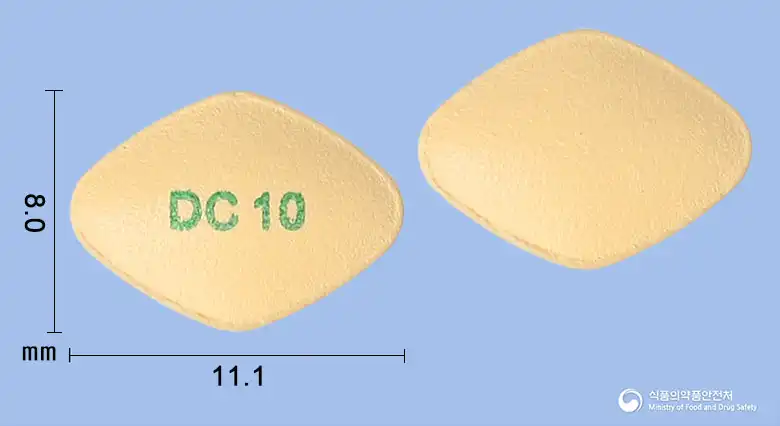
Dapagliflozin Propanediol Hydrate 12.3mg
Tablet · Prescription medication
Donggu Bio Pharmaceutical Co., Ltd.
Dapagliflozin Propanediol Hydrate 12.3mg
Tablet · Prescription medication
Il Sung IS Co., Ltd.
Dapagliflozin Propanediol Hydrate
Prescription medication
Optus Pharmaceutical Co., Ltd.
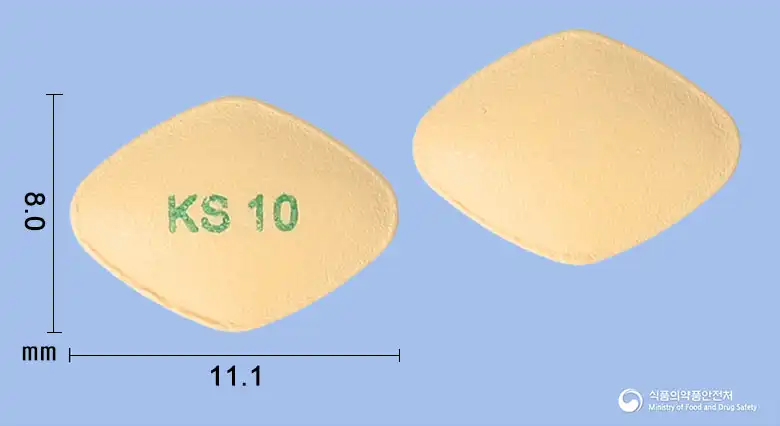
Dapagliflozin Propanediol Hydrate 12.3mg
Tablet · Prescription medication
Aprogen Biologics Co., Ltd.
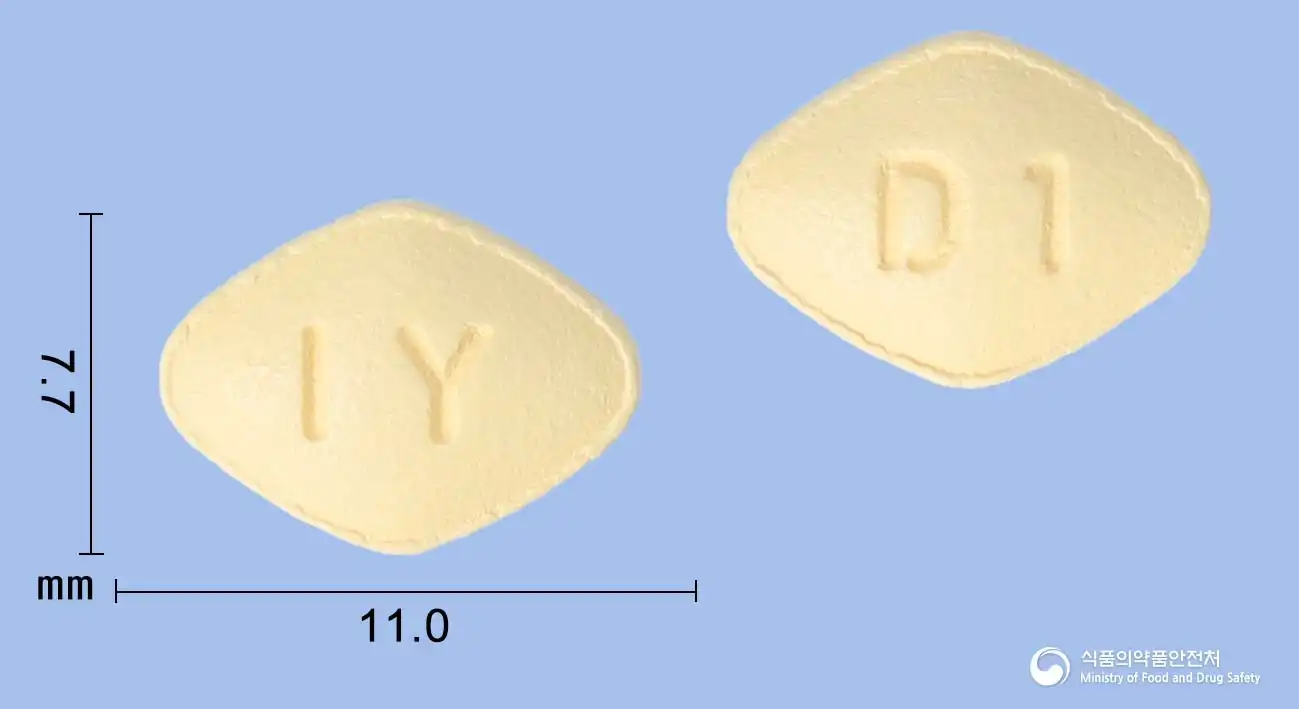
Dapagliflozin Propanediol Hydrate 12.3mg
Tablet · Prescription medication
Il Yang Pharmaceutical Co., Ltd.
Even with the same ingredient, the dose and directions can differ by strength and dosage form. Talk to a doctor or pharmacist before switching from a medication you are already taking.
No questions yet.
For anything that needs medical judgment, consult a doctor or pharmacist.
This drug information is based on data provided by the Korea Ministry of Food and Drug Safety.
Consult a doctor or pharmacist for accurate dosage, administration, and usage instructions.