
 한국어
한국어 English
 日本語
日本語 中文(简体)
 Viewing nowCombination
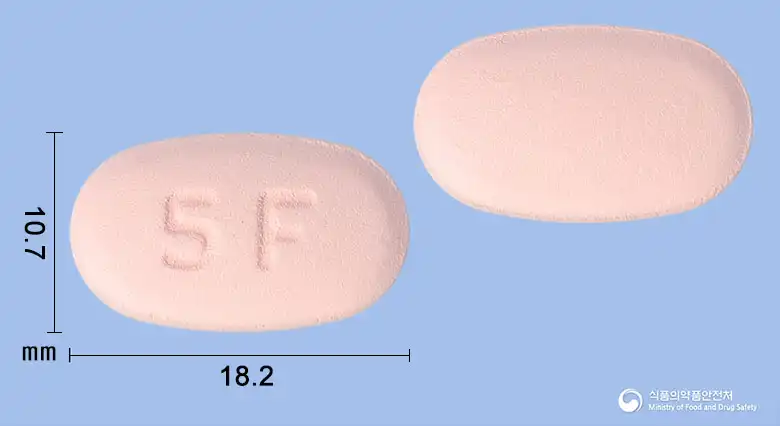
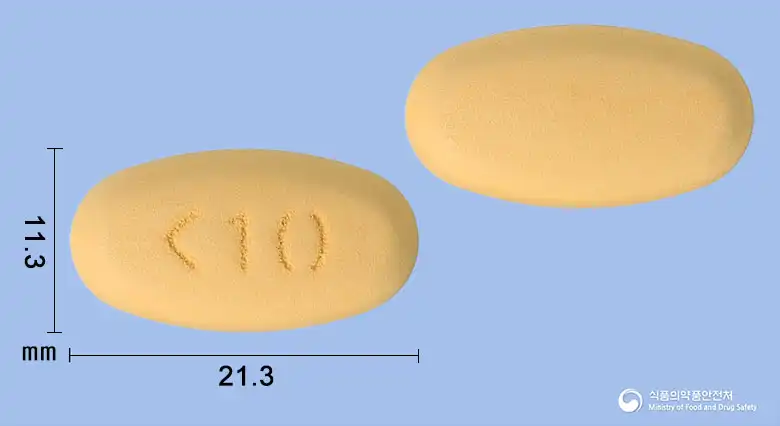
Poshvet Duo Extended Release Tablet 10/500 mg
Dapagliflozin citric acid 14.7mg · Metformin Hydrochloride 500mg
Tablet · Prescription medication · Combination
Genewon Science Co., Ltd.
MFDS item code 202204072 · Approved 2022.11.10 · Insurance code 671707210
Effect on blood glucose control and prevention of cardiovascular events in type 2 diabetes
This drug helps improve blood glucose control in adult patients with type 2 diabetes who are using dapagliflozin and metformin together. It can be used as an adjunct to dietary and exercise therapies to better manage blood glucose levels. For patients with insufficient blood glucose control among those with cardiovascular disease or risk factors, it is important to refer to expert guidance regarding the cardiovascular effects of dapagliflozin. This drug complements the main therapeutic methods for type 2 diabetes to improve blood glucose control.
This drug is usually administered once a day with the evening meal. The maximum dosage is once daily 10 mg of dapagliflozin/2000 mg of extended-release metformin, given as 2 tablets of 5 mg/1000 mg. If there is no previous experience with diabetes medication treatment, the initial therapy should be 1 tablet of 5 mg/500 mg or 10 mg/500 mg taken once daily. This drug should be swallowed whole and must not be crushed, cut, or chewed.
This drug is used for the treatment of diabetes and should not be administered to patients with impaired kidney function or severe kidney disease. It may very rarely cause a serious metabolic complication known as lactic acidosis, which can be life-threatening, so caution is needed. When used together with insulin or sulfonylurea medications, the risk of hypoglycemia may increase, and dosage adjustments may be necessary in such cases. Patients with reduced fluid volume or at risk of hypotension should be monitored for blood pressure and kidney function while using this drug. This drug may increase the risk of genital and urinary tract infections, so if infection symptoms appear, immediate medical consultation and treatment are required. Pregnant or breastfeeding women should not use this drug, and women who may become pregnant should immediately discontinue use upon confirmation of pregnancy. Older adults may have an increased risk of decreased kidney function, and careful dosage adjustments and regular kidney function tests are necessary. The risk of lactic acidosis may increase when taken with alcohol, so excessive drinking should be avoided while on this medication. Before and after surgery or examinations using iodine contrast agents, this medication should be temporarily discontinued, and kidney function should be checked before re-administration. In overdose situations, appropriate symptomatic treatment is needed, and the metformin component can be removed by dialysis, which may be helpful in emergencies. While taking this medication, if symptoms of hypoglycemia or lactic acidosis such as fatigue, muscle pain, or difficulty breathing occur, inform the doctor immediately, and regular blood tests and kidney function checks are recommended.
Vulvitis, balanitis and related genital infections, urinary tract infections, fungal infections, hypoglycemia (when used with sulfonylureas or insulin), reduced fluid volume, dry mouth, dizziness, constipation, dry mouth, low back pain, painful urination, polyuria, nocturia, vulvar pruritus, genital pruritus, increased hematocrit, decreased renal creatinine clearance at the beginning of treatment, dyslipidemia, increased serum creatinine at the beginning of treatment, increased blood urea nitrogen.
Not everyone experiences these, and they can vary from person to person.
This drug should be stored in a tightly sealed container to prevent exposure to air or moisture. It is also recommended to store it at room temperature between 1°C and 30°C away from direct sunlight.
Pink, oval, biconvex film-coated tablet
30 tablets/bottle
Even with the same ingredient, strength, dosage form and how it is taken can differ.
Viewing nowCombinationDapagliflozin citric acid 14.7mg · Metformin Hydrochloride 500mg
Tablet · Prescription medication · Combination
Genewon Science Co., Ltd.
 Combination
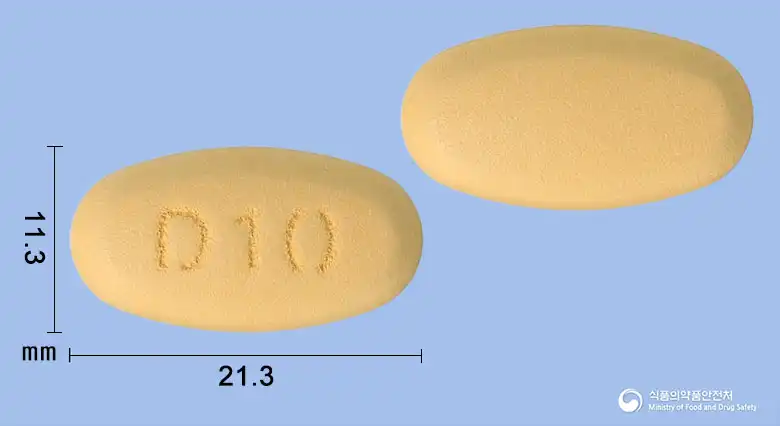
Dapagliflozin citric acid 14.7mg · Metformin Hydrochloride 1000mg
Tablet · Prescription medication · Combination
HK Inno.N Co., Ltd.
 Combination
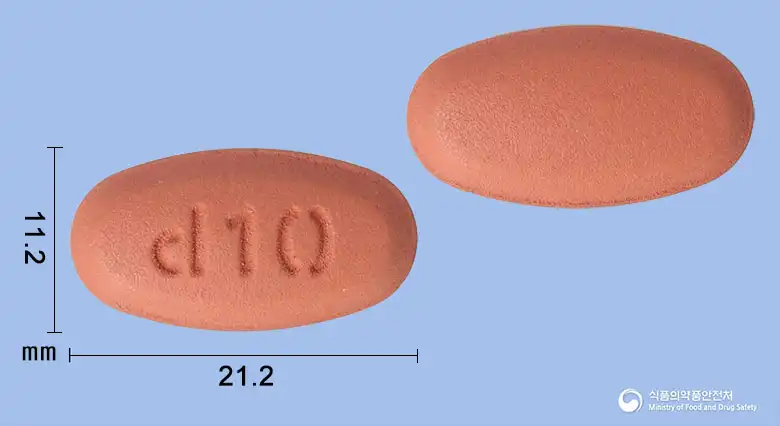
Dapagliflozin citric acid 7.35mg · Metformin Hydrochloride 1000mg
Tablet · Prescription medication · Combination
HK inno.N Co., Ltd.
Dapagliflozin citric acid 14.7mg · Metformin Hydrochloride 1000mg
Tablet · Prescription medication · Combination
Poonglim Pharmaceutical Co., Ltd.
Dapagliflozin citric acid 7.35mg · Metformin Hydrochloride 1000mg
Tablet · Prescription medication · Combination
Punglim Muhak Co., Ltd.
 Combination
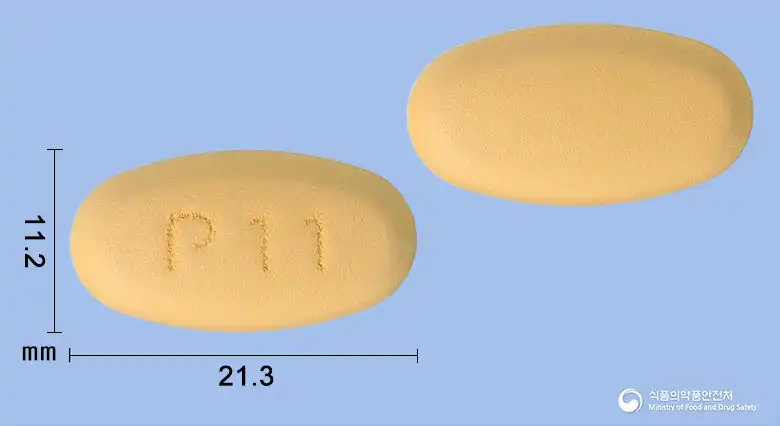
Dapagliflozin citric acid 14.7mg · Metformin Hydrochloride 1000mg
Tablet · Prescription medication · Combination
Korea Prime Pharmaceutical Co., Ltd.
Dapagliflozin citric acid 7.35mg · Metformin Hydrochloride 1000mg
Tablet · Prescription medication · Combination
Korea Prime Pharmaceutical Co., Ltd.
 Combination
Dapagliflozin citric acid 14.7mg · Metformin Hydrochloride 1000mg
Tablet · Prescription medication · Combination
KS Pharm Co., Ltd.
Even with the same ingredient, the dose and directions can differ by strength and dosage form. Talk to a doctor or pharmacist before switching from a medication you are already taking.
No questions yet.
For anything that needs medical judgment, consult a doctor or pharmacist.
This drug information is based on data provided by the Korea Ministry of Food and Drug Safety.
Consult a doctor or pharmacist for accurate dosage, administration, and usage instructions.