
 한국어
한국어 English
 日本語
日本語 中文(简体)
 Viewing now
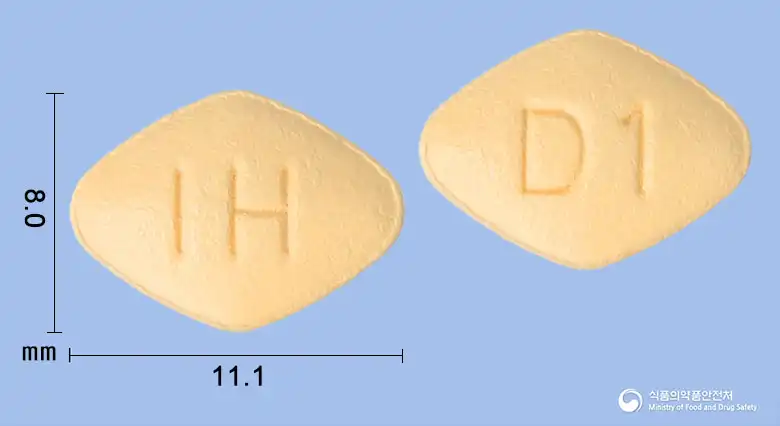
Dapaglu Tablet 10 mg (Dapagliflozin Propanediol Hydrate)
Dapagliflozin Propanediol Hydrate 12.3mg
Tablet · Prescription medication
Ilhwa Co., Ltd.
MFDS item code 202203754 · Approved 2022.10.05 · Insurance code 640904380
Effects of blood sugar control in type 2 diabetes and cardiovascular risk reduction
This medication is used to help control blood sugar levels in patients with type 2 diabetes. It can be prescribed either alone or in combination therapy along with dietary and exercise therapy. In particular, for patients who do not have sufficient blood sugar control and have cardiovascular diseases or risk factors, it should be taken under the guidance of an expert considering its impact on the occurrence of cardiovascular events. This medication can assist in blood sugar management and reduce the risk of associated complications.
The recommended dosage for this medication is 10 mg once daily for monotherapy and additional combination therapy with insulin or other blood glucose-lowering agents. If used in conjunction with insulin or insulin secretagogues like sulfonylureas, lower doses of insulin or insulin secretagogues may be considered to reduce the risk of hypoglycemia. If there is no previous experience with diabetes medication treatment, the starting dose is 5 mg once daily or 10 mg once daily when combined with metformin.
The efficacy and safety of dapagliflozin in patients under 18 years of age have not been established. There is no relevant data.
This medication should not be used in patients who have had allergic reactions to the active ingredient or additives. It should not be administered to patients with type 1 diabetes or diabetic ketoacidosis, nor to patients with genetic lactose metabolism disorders. It is safer not to administer this drug to patients undergoing dialysis. Patients with reduced fluid volume or poor kidney function should use this medication with caution, ensuring to check fluid status and kidney function before administration. This medication can lower blood pressure, so patients at risk of hypotension, the elderly, or those taking diuretics should be careful. Patients with allergies to the dye components in this medication should also take it cautiously. Taking this medication may increase the risk of genital infections or urinary tract infections, so if any infection symptoms appear, immediate consultation with medical personnel is advised. There is a risk of hypoglycemia, so when taken with insulin or blood sugar-lowering medications, blood sugar changes should be closely monitored. Symptoms of dehydration or hypotension due to decreased fluid volume may occur, requiring adequate fluid intake and symptom observation. Serious metabolic abnormalities such as ketoacidosis may occur; therefore, if symptoms such as vomiting, abdominal pain, or difficulty breathing arise, immediate hospital visit is necessary. Patients with decreased kidney function may find this medication less effective, and there is a possibility of worsening kidney function, thus regular checks are needed. It is recommended that women who are pregnant or breastfeeding do not use this medication. In case of overdose, there are no specific antidotes, and treatment should be given according to symptoms; do not increase dosage without doctor's instructions. This medication does not significantly affect driving or operating machinery, but caution is needed due to the risk of hypoglycemia. This medication should be kept out of reach of children and stored in its original container to ensure safety.
Hives, severe swelling, chest tightness, difficulty breathing, cold sweat, pallor, severe rash with fever, blisters, skin peeling, pain in oral/ocular mucosa, shortness of breath or difficulty breathing, asthma attacks, respiratory abnormalities accompanied by cough + fever, yellowing of the skin or eyes, severe lethargy throughout the body, sudden and very severe headache, thunderclap headache, seizures, confusion of consciousness, visual disturbances, paralysis, significantly decreased urine output
Not everyone experiences these, and they can vary from person to person.
This medication should be stored in a tightly closed container to avoid contact with air or moisture, preferably at room temperature between 1 to 30 degrees Celsius. Proper storage will help maintain the drug's efficacy and ensure safe use.
Yellow, biconvex, diamond-shaped film-coated tablet
30 tablets/bottle, 300 tablets/bottle
Even with the same ingredient, strength, dosage form and how it is taken can differ.
Viewing nowDapagliflozin Propanediol Hydrate 12.3mg
Tablet · Prescription medication
Ilhwa Co., Ltd.
Dapagliflozin Propanediol Hydrate 6.15mg
Tablet · Prescription medication
AstraZeneca Korea Co., Ltd.
Dapagliflozin Propanediol Hydrate 12.3mg
Tablet · Prescription medication
AstraZeneca Korea Co., Ltd.
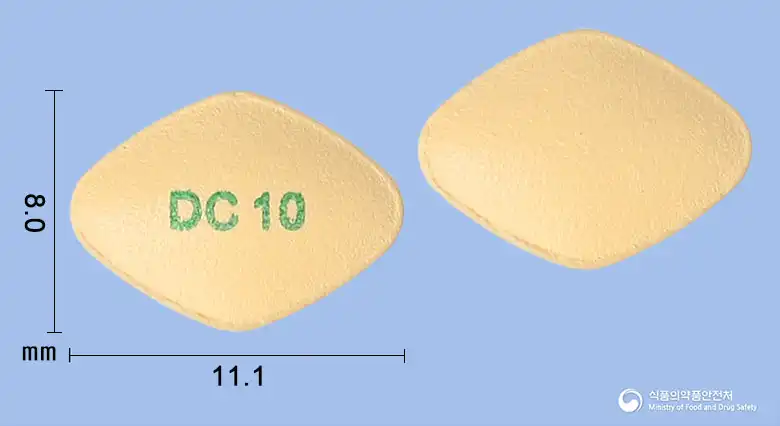
Dapagliflozin Propanediol Hydrate 12.3mg
Tablet · Prescription medication
Donggu Bio Pharmaceutical Co., Ltd.
Dapagliflozin Propanediol Hydrate 12.3mg
Tablet · Prescription medication
Il Sung IS Co., Ltd.
Dapagliflozin Propanediol Hydrate
Prescription medication
Optus Pharmaceutical Co., Ltd.
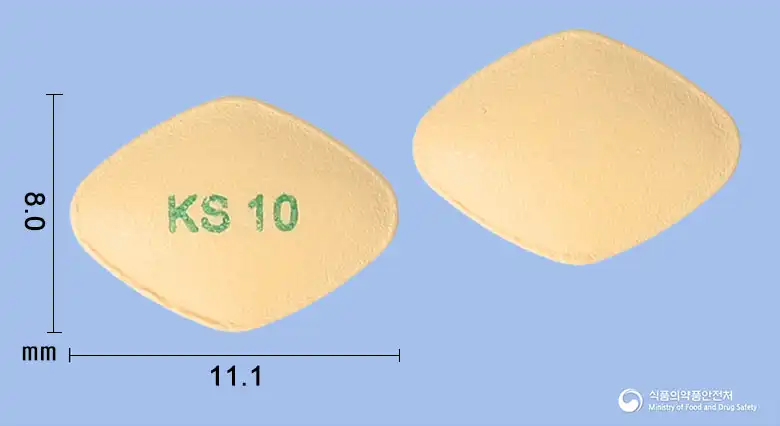
Dapagliflozin Propanediol Hydrate 12.3mg
Tablet · Prescription medication
Aprogen Biologics Co., Ltd.
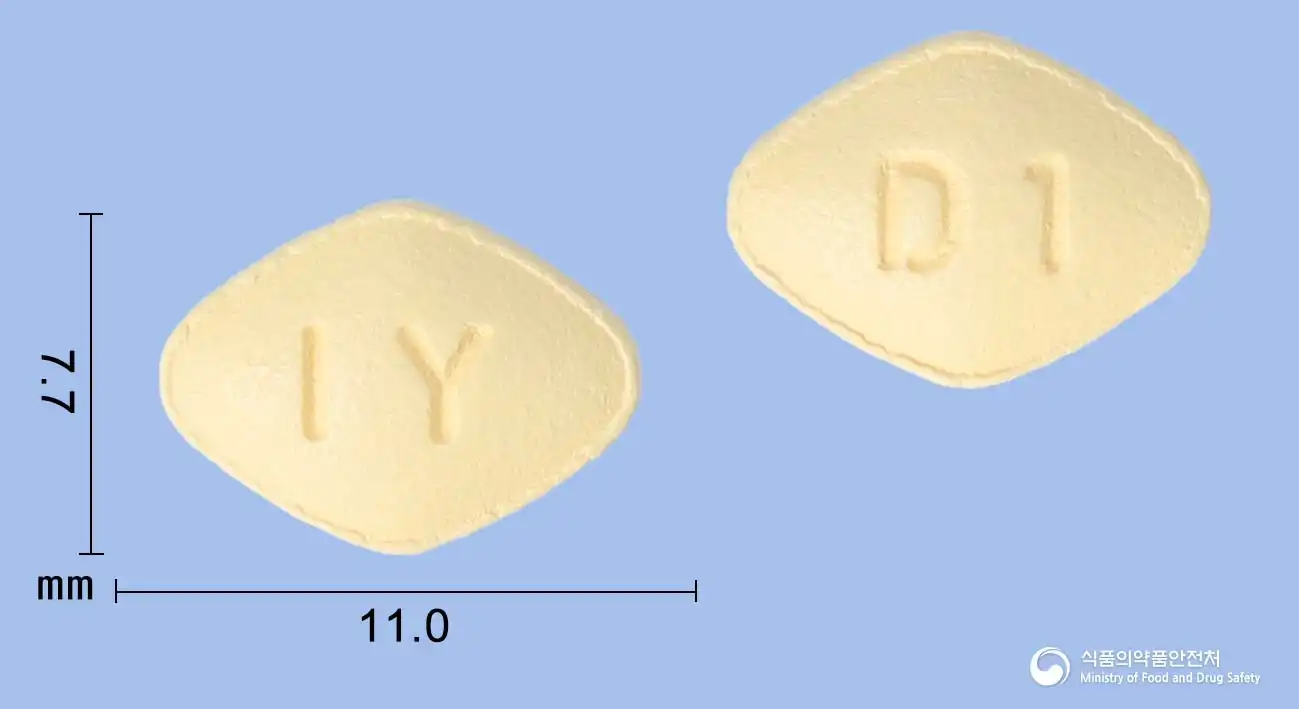
Dapagliflozin Propanediol Hydrate 12.3mg
Tablet · Prescription medication
Il Yang Pharmaceutical Co., Ltd.
Even with the same ingredient, the dose and directions can differ by strength and dosage form. Talk to a doctor or pharmacist before switching from a medication you are already taking.
No questions yet.
For anything that needs medical judgment, consult a doctor or pharmacist.
This drug information is based on data provided by the Korea Ministry of Food and Drug Safety.
Consult a doctor or pharmacist for accurate dosage, administration, and usage instructions.