
 한국어
 English
 日本語
 中文(简体)
 Viewing nowCombination
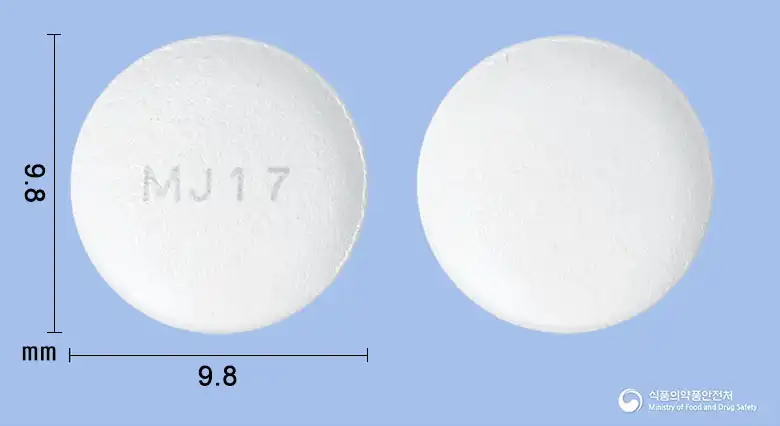
Acerisone Tablet
Eperisone Hydrochloride 75mg · Aceclofenac 100mg
Tablet · Prescription medication · Combination
(Mother's Pharmaceuticals Co., Ltd.)
MFDS item code 202203691 · Approved 2022.09.27 · Insurance code 622804890
Relief of pain from acute low back pain accompanied by muscle spasms
This medication helps alleviate pain that occurs when the muscles in the musculoskeletal system suddenly stiffen or spasm. It particularly helps to relax muscles in patients with acute low back pain, reducing discomfort and facilitating movement. It acts quickly to alleviate symptoms when pain is severe. This medication also contributes to the reduction of inflammation associated with muscle pain, improving the quality of life. Overall, it effectively improves pain caused by muscle spasms associated with acute low back pain.
○ Adults: Administer 1 tablet orally twice daily after meals. Take this medicine whole without crushing, splitting, or chewing it. It should be administered for the shortest possible duration to minimize adverse reactions. ○ Patients with hepatic impairment This medicine is not recommended for initial treatment of patients with hepatic impairment who require a dose reduction (see section 5, General Precautions, under Precautions for Use). ○ Older adults This medicine is not recommended for older adults who require a dose reduction (see section 9, Administration to Older Adults, under Precautions for Use).
This medication poses a risk of gastrointestinal bleeding if taken by individuals who regularly consume more than three alcoholic drinks daily, so it is essential to consult a doctor or pharmacist. It contains a non-steroidal anti-inflammatory drug that may increase the risk of cardiovascular or cerebrovascular diseases; therefore, individuals with risk factors such as heart disease, hypertension, diabetes, or smoking should use it cautiously. Use this medication for the minimum effective dose and the shortest duration possible, and symptoms and responses should be regularly monitored during treatment. It can cause serious gastrointestinal problems such as gastrointestinal bleeding, ulcers, and perforation, so particularly elderly individuals or those with a history of gastrointestinal diseases should exercise extra caution. Individuals with active peptic ulcers or bleeding, known hypersensitivity to this medication or similar drugs, a history of asthma or allergic reactions, and severe heart failure or kidney and liver function impairment should not take this medication. Those with compromised kidney or liver function, heart failure, hypertension, the elderly, and asthma patients should use this medication under close medical supervision. This medication may cause various adverse reactions such as dizziness, increased liver enzymes, gastrointestinal disturbances, and skin rashes, so report any symptoms to medical personnel immediately. Especially beware of serious skin reactions or hypersensitivity reactions such as anaphylaxis; if symptoms like skin rash, itching, or difficulty breathing occur, stop taking the medication immediately and seek medical attention. This medication may interact with other drugs, so inform your doctor or pharmacist of any medications currently being taken. Do not take this medication in the third trimester of pregnancy as it may pose risks to the fetus, and use cautiously in the first and second trimesters. Breastfeeding women should consult with medical personnel about the use of this medication as it may affect the baby through breast milk. Safety and efficacy in children and adolescents have not been established, so its use is not recommended. Elderly patients may have decreased physical function, increasing the risk of adverse reactions; therefore, dosage adjustments or careful consideration of use is necessary. In case of overdose, symptoms such as gastrointestinal irritation, hypotension, respiratory depression, and seizures may occur, requiring immediate medical attention. Keep this medication out of reach of children, and avoid transferring it to another container, as this could cause a decrease in quality or accidents.
Not everyone experiences these, and they can vary from person to person.
Store this medication in a tightly sealed container to prevent air or moisture from entering, preferably at room temperature between 1 to 30 degrees Celsius. Storing it this way will help maintain the medication's effectiveness and prevent degradation.
White to nearly white, round, prolonged release film-coated tablets
Package - 30 tablets/bottle, Package - 100 tablets/bottle
Even with the same ingredient, strength, dosage form and how it is taken can differ.
Viewing nowCombinationEperisone Hydrochloride 75mg · Aceclofenac 100mg
Tablet · Prescription medication · Combination
(Mother's Pharmaceuticals Co., Ltd.)
 Combination
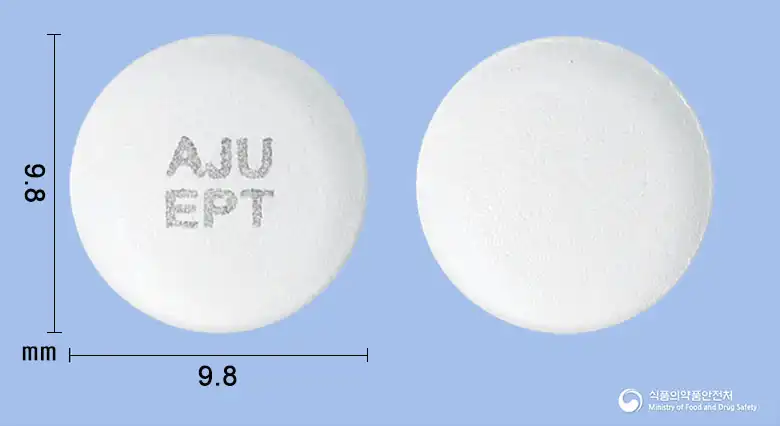
Eperisone Hydrochloride 75mg · Aceclofenac 100mg
Tablet · Prescription medication · Combination
Aju Pharmaceuticals Co., Ltd.
 Combination
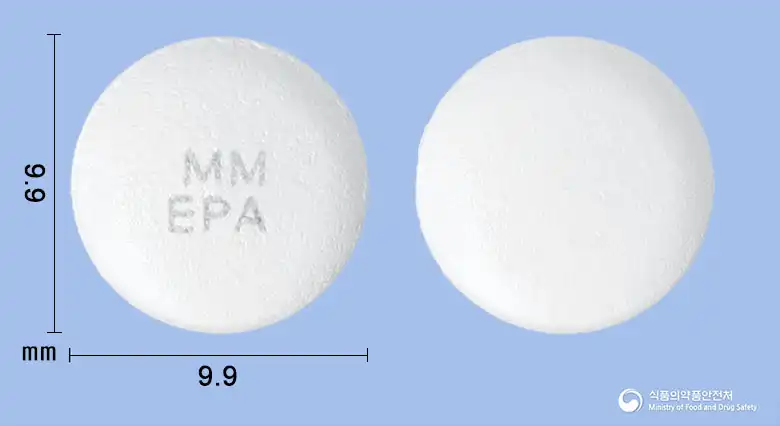
Eperisone Hydrochloride 75mg · Aceclofenac 100mg
Tablet · Prescription medication · Combination
Myeongmoon Pharm Co., Ltd.
 Combination
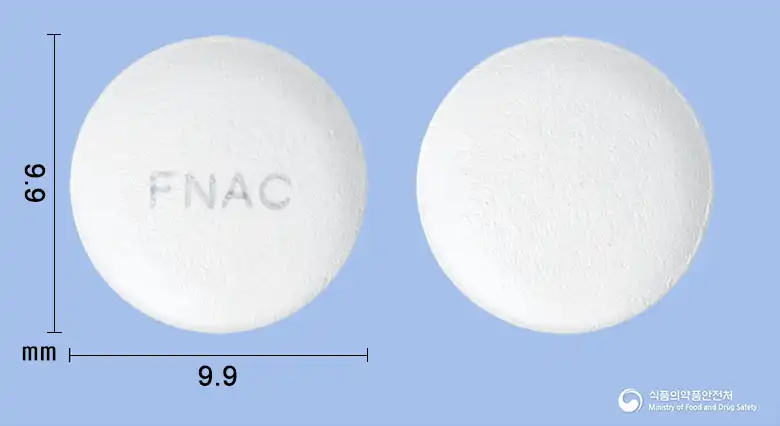
Eperisone Hydrochloride 75mg · Aceclofenac 100mg
Tablet · Prescription medication · Combination
Hanin Pharmaceutical Co., Ltd.
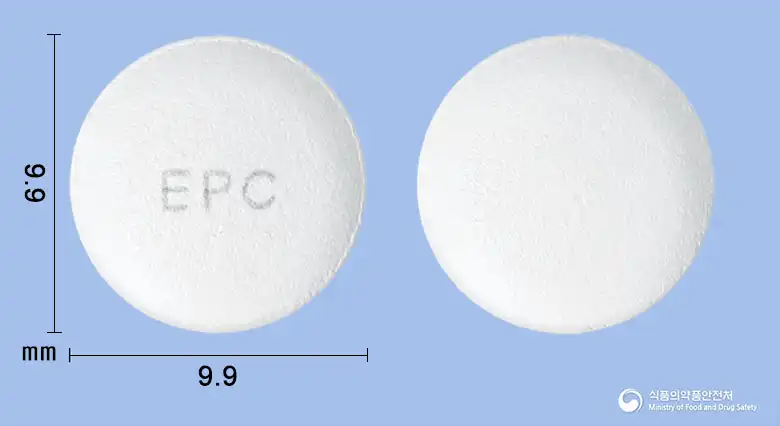 Combination
Eperisone Hydrochloride 75mg · Aceclofenac 100mg
Tablet · Prescription medication · Combination
Hankook Hyutecs Pharmaceutical Co., Ltd.
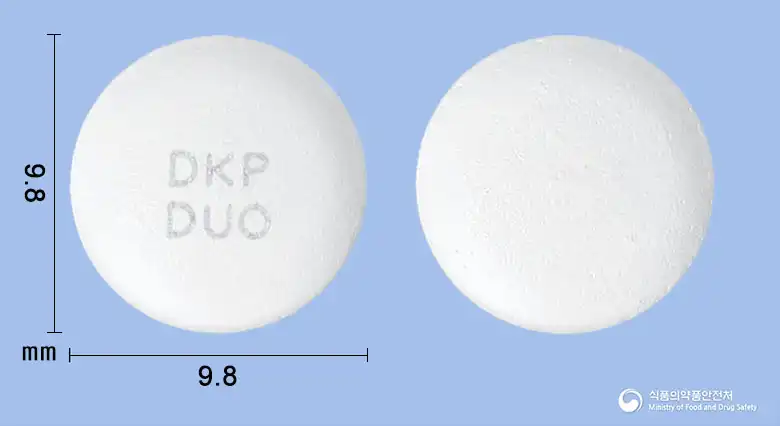 Combination
Eperisone Hydrochloride 75mg · Aceclofenac 100mg
Tablet · Prescription medication · Combination
Donggu Bio Pharmaceutical Co., Ltd.
Even with the same ingredient, the dose and directions can differ by strength and dosage form. Talk to a doctor or pharmacist before switching from a medication you are already taking.
No questions yet.
For anything that needs medical judgment, consult a doctor or pharmacist.
This drug information is based on data provided by the Korea Ministry of Food and Drug Safety.
Consult a doctor or pharmacist for accurate dosage, administration, and usage instructions.