
 한국어
한국어 English
 日本語
日本語 中文(简体)
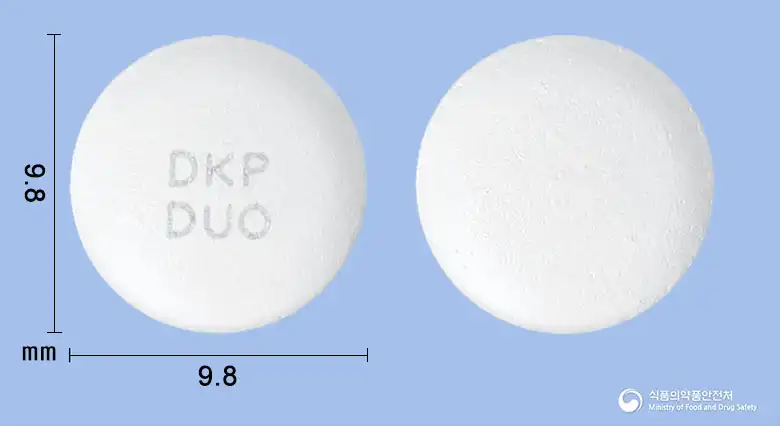 Viewing nowCombination
Airfenac Duo Tablets
Eperisone Hydrochloride 75mg · Aceclofenac 100mg
Tablet · Prescription medication · Combination
Donggu Bio Pharmaceutical Co., Ltd.
MFDS item code 202203690 · Approved 2022.09.27 · Insurance code 657308700
Relief of muscle spasms in the musculoskeletal system and acute low back pain
This medication helps relieve pain in patients with acute low back pain caused by musculoskeletal muscle spasms. It reduces sudden lower back pain and muscle cramps, aiding in comfortable daily living. It alleviates muscle tension, reduces discomfort, and improves mobility. Through these effects, it can greatly assist in the management of the patient's pain. Therefore, it is used for the relief of pain associated with acute low back pain accompanied by muscle spasms.
Administer 1 tablet orally after meals twice daily. This medication should be taken whole without crushing, splitting, or chewing.
This medication may pose a risk of gastrointestinal bleeding if taken by individuals who regularly consume more than three drinks per day, so consultation with a physician or pharmacist is essential. The ingredients in this medication may increase the risk of cardiovascular diseases, so patients with cardiovascular risk factors such as heart failure, hypertension, or diabetes should use it with caution. Serious gastrointestinal side effects such as gastrointestinal bleeding, ulcers, and perforation may occur, so individuals with a history of gastrointestinal diseases or the elderly should be particularly cautious. Those with a history of active peptic ulcers or bleeding, or who are allergic to this medication or similar medications, should not take it. Patients with heart failure, heart disease, severe kidney or liver impairment, pregnant women in late pregnancy, and nursing mothers should avoid using this medication for safety. Patients with kidney or liver function issues, the elderly, asthma patients, and hypertension patients should be particularly cautious when administering this medication and should follow their physician's instructions. If dizziness, skin rashes, difficulty breathing, or gastrointestinal bleeding symptoms occur during use, immediate consultation with medical personnel is required. This medication may interact with other drugs, so anyone taking anticoagulants, diuretics, ACE inhibitors, or antidiabetic drugs should definitely inform their physician. Particularly in the last three months of pregnancy, it should not be taken as it may harm the fetus, and women planning to become pregnant should also exercise caution. This medication is not recommended for use in children and adolescents as its safety and efficacy have not been established in this population. Elderly individuals face a higher risk of side effects due to decreased bodily functions, so the dose should be reduced or administered cautiously. In case of overdose, symptoms such as gastrointestinal disturbances, hypotension, respiratory depression, and convulsions may appear, so immediate medical attention is necessary. This medication should be kept out of the reach of children, and transferring it to another container should be avoided as it may compromise quality.
Hives, severe swelling, edema, chest tightness, difficulty breathing, cold sweat, pallor, severe allergic reactions, high fever and severe rash, blisters, skin peeling, pain in oral and ocular mucosa, severe skin adverse reactions, difficulty breathing or shortness of breath, asthma attacks, breathing abnormalities accompanied by cough and fever, yellowing of skin or eyes, jaundice, extreme drowsiness, liver abnormalities, sudden and severe headaches, lightning-like pain
Dizziness, abnormal liver enzyme levels, itching, rash, facial flushing, increased blood pressure, palpitations, dyspepsia, abdominal pain, nausea, diarrhea, constipation, stomatitis, hematemesis, exacerbation of pancreatitis, exacerbation of colitis, hair loss, weakness, unsteadiness, drowsiness, headache, insomnia, neck stiffness, fever, disorientation, confusion, hallucinations, tinnitus, fatigue, increased blood sugar, urinary retention, urinary incontinence, sensation of residual urine, increased blood urea and creatinine levels, weight gain, increased nocturia
Not everyone experiences these, and they can vary from person to person.
This medication may be sensitive to air and moisture, so it must be stored in a tightly sealed container. It is important to maintain a storage temperature between 1 to 30 degrees Celsius. Proper storage will help maintain the medication’s efficacy for a longer period.
White to almost white circular sustained-release film-coated tablet
Bottle packaging - 30 tablets/bottle, Bottle packaging - 100 tablets/bottle
Even with the same ingredient, strength, dosage form and how it is taken can differ.
Viewing nowCombinationEperisone Hydrochloride 75mg · Aceclofenac 100mg
Tablet · Prescription medication · Combination
Donggu Bio Pharmaceutical Co., Ltd.
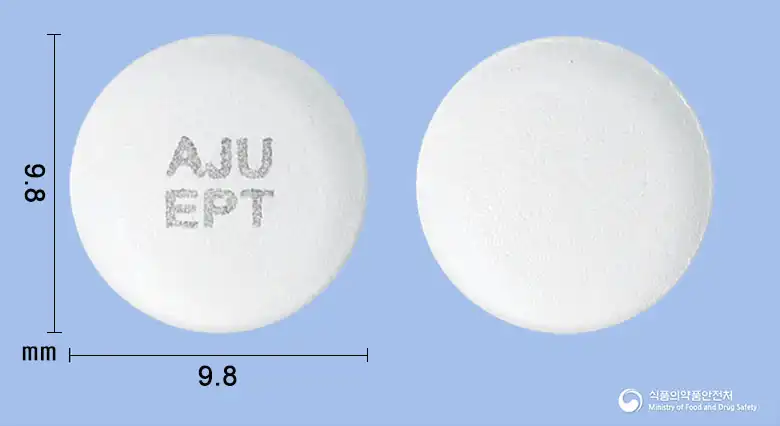 Combination
Eperisone Hydrochloride 75mg · Aceclofenac 100mg
Tablet · Prescription medication · Combination
Aju Pharmaceuticals Co., Ltd.
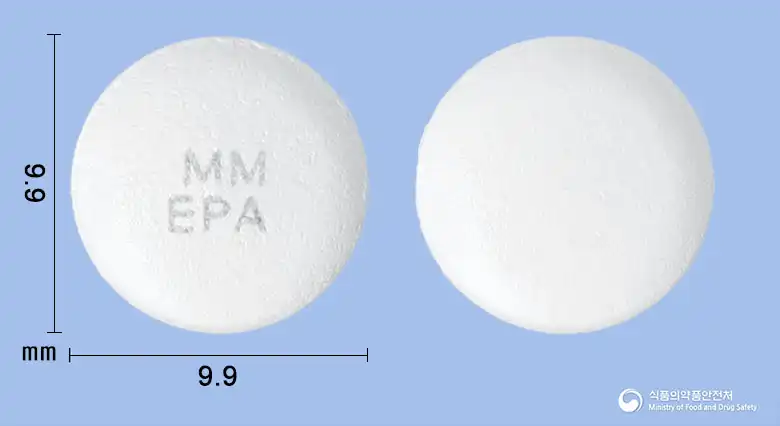 Combination
Eperisone Hydrochloride 75mg · Aceclofenac 100mg
Tablet · Prescription medication · Combination
Myeongmoon Pharm Co., Ltd.
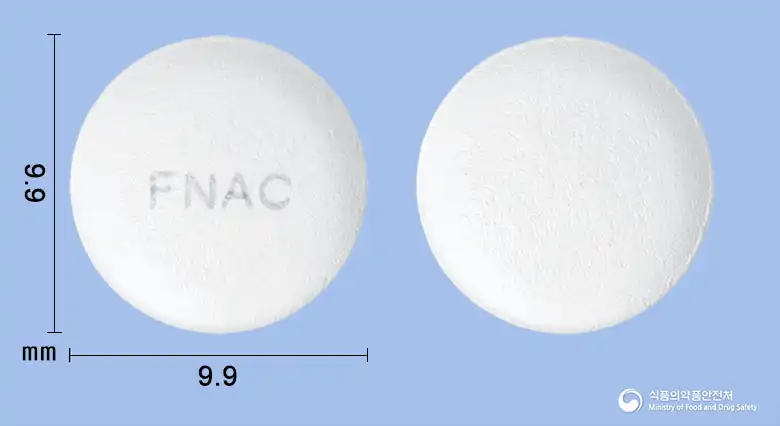 Combination
Eperisone Hydrochloride 75mg · Aceclofenac 100mg
Tablet · Prescription medication · Combination
Hanin Pharmaceutical Co., Ltd.
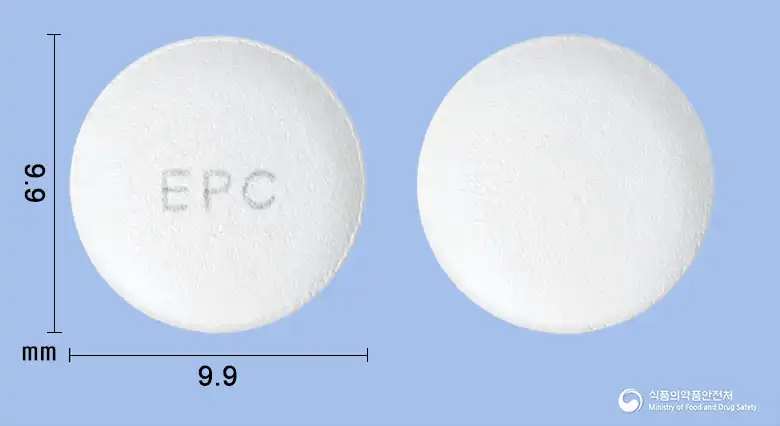 Combination
Eperisone Hydrochloride 75mg · Aceclofenac 100mg
Tablet · Prescription medication · Combination
Hankook Hyutecs Pharmaceutical Co., Ltd.
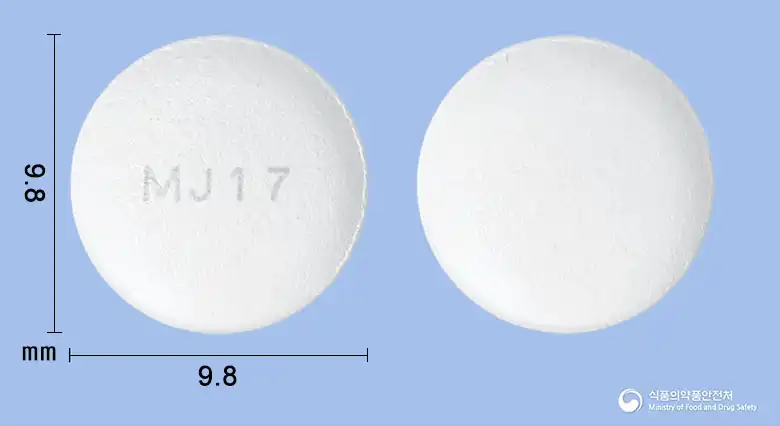 Combination
Eperisone Hydrochloride 75mg · Aceclofenac 100mg
Tablet · Prescription medication · Combination
(Mother's Pharmaceuticals Co., Ltd.)
Even with the same ingredient, the dose and directions can differ by strength and dosage form. Talk to a doctor or pharmacist before switching from a medication you are already taking.
No questions yet.
For anything that needs medical judgment, consult a doctor or pharmacist.
This drug information is based on data provided by the Korea Ministry of Food and Drug Safety.
Consult a doctor or pharmacist for accurate dosage, administration, and usage instructions.