
 한국어
 English
 日本語
 中文(简体)
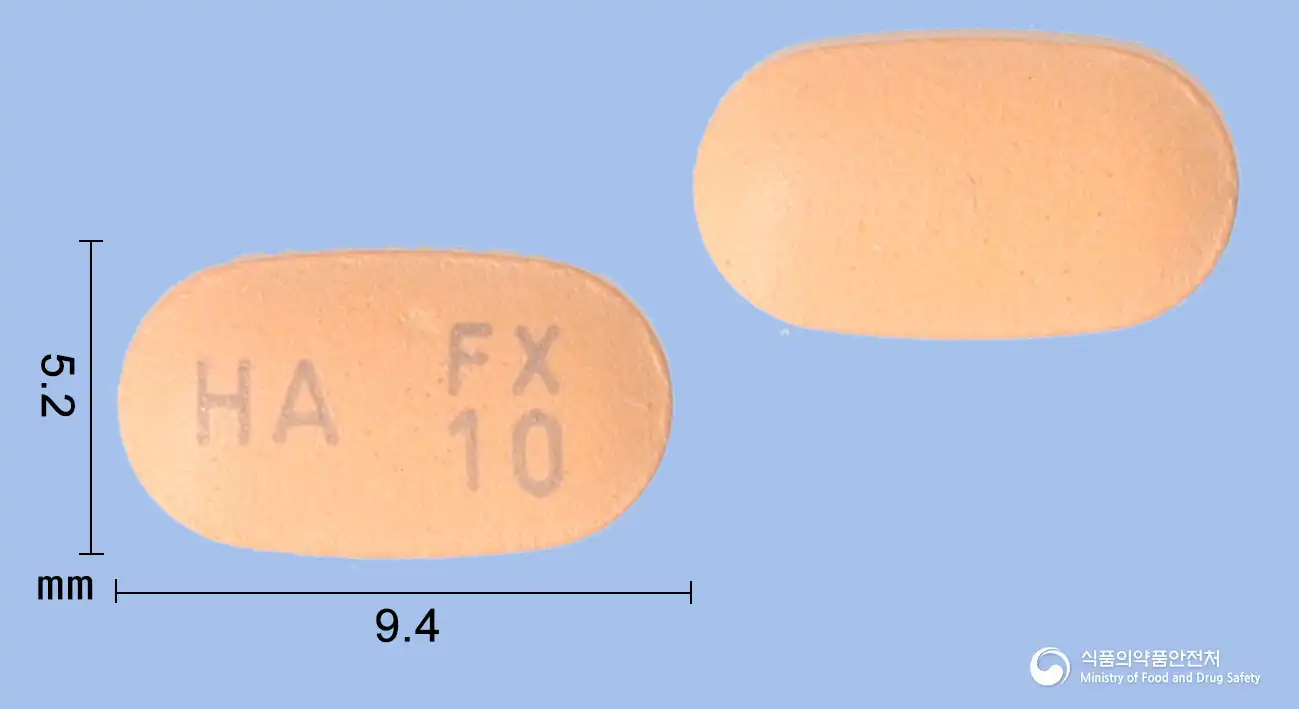 Viewing now
Epsito Tablet 10 mg (Fexuprazan Hydrochloride)
Fexuprazan Hydrochloride 10mg
Tablet · Prescription medication
Hanol Bio Pharma Co., Ltd.
MFDS item code 202203386 · Approved 2022.08.24 · Insurance code 655605510
Improvement of gastric mucosal lesions in gastritis; treatment of erosive gastroesophageal reflux disease
This medication is used for the treatment of erosive gastroesophageal reflux disease and the improvement of gastric mucosal lesions due to acute and chronic gastritis. It helps protect the gastric and esophageal mucosa by regulating gastric acid secretion and alleviating symptoms. It aims to improve the patient's stomach health for a more comfortable daily life.
This medicine is administered to adults as follows. 1. Treatment of erosive gastroesophageal reflux disease - Take 40 mg orally once daily for 4 weeks. - In patients whose esophagitis has not healed or whose symptoms persist, continue treatment for an additional 4 weeks. 2. Improvement of gastric mucosal lesions in acute and chronic gastritis <10 mg only> - Take 10 mg orally twice daily for 2 weeks. This medicine may be taken with or without food.
This medication should not be used in certain patients. Patients with allergies or hypersensitivity to this medication or its components should not take it. Additionally, patients taking specific antivirals (atazanavir, nelaminavir, rilpivirine) should also avoid using this medication. It is safer for pregnant or breastfeeding women not to take this medication. As this medication contains lactose, patients with lactose intolerance or related genetic conditions should not use it. Care should be taken when administering this medication to patients with liver or kidney function problems due to a lack of experience. Elderly patients or those with a history of allergies to specific colorants included in this medication (Yellow No. 4, Yellow No. 5) should be particularly cautious. Adverse reactions such as dyspepsia, diarrhea, headache, and skin rash may occur while taking this medication. Most adverse reactions are mild, but if symptoms persist or worsen, medical consultation is necessary. This medication may suppress gastric acid secretion and slightly increase the risk of bacterial infection in the stomach; therefore, if diarrhea symptoms do not improve, further testing may be required. Additionally, the risk of fractures related to osteoporosis may increase with long-term use, so monitoring of bone health may be necessary if required. Long-term use of more than 3 months may lower serum magnesium levels, so regular blood tests are recommended. Vitamin B12 deficiency may also occur, so testing should be done if related symptoms arise. This medication changes the pH in the stomach and may affect the absorption of other medications, so care should be taken with potential interactions with concurrent medications. Pregnant or breastfeeding women are advised against using this medication, and in the case of breastfeeding, it is recommended to discontinue breastfeeding. Safety and efficacy in children and adolescents have not been sufficiently established, so caution is required for use. Elderly individuals may be more affected by the medication due to declines in liver and kidney function, so consultation with medical personnel before taking the medication is necessary. No specific toxic symptoms have been reported in case of overdose, but if symptoms appear, it is important to visit a healthcare facility immediately for appropriate treatment. This medication should be stored out of the reach of children and should not be transferred to other containers.
Not everyone experiences these, and they can vary from person to person.
This medication may be sensitive to air or moisture and should be stored in a tightly sealed container. It is preferable to maintain storage temperature between 1 degree and 30 degrees Celsius at room temperature. Proper storage helps ensure the safety of the medication's effectiveness.
Orange rectangular film-coated tablet
28 tablets/box [7 tablets/PTP*4], 28 tablets/bottle, 100 tablets/bottle, 300 tablets/bottle
Even with the same ingredient, strength, dosage form and how it is taken can differ.
Viewing nowFexuprazan Hydrochloride 10mg
Tablet · Prescription medication
Hanol Bio Pharma Co., Ltd.
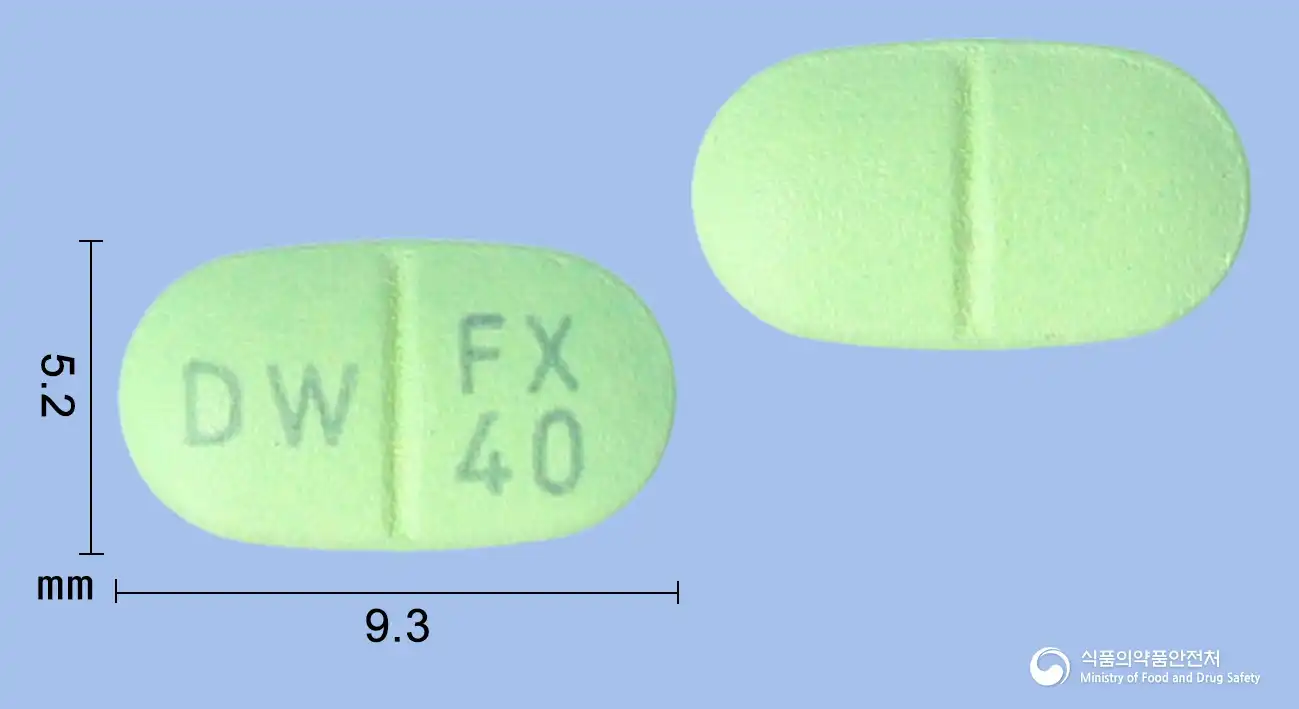
Fexuprazan Hydrochloride 40mg
Tablet · Prescription medication
Daiwoong Pharmaceutical Co., Ltd.
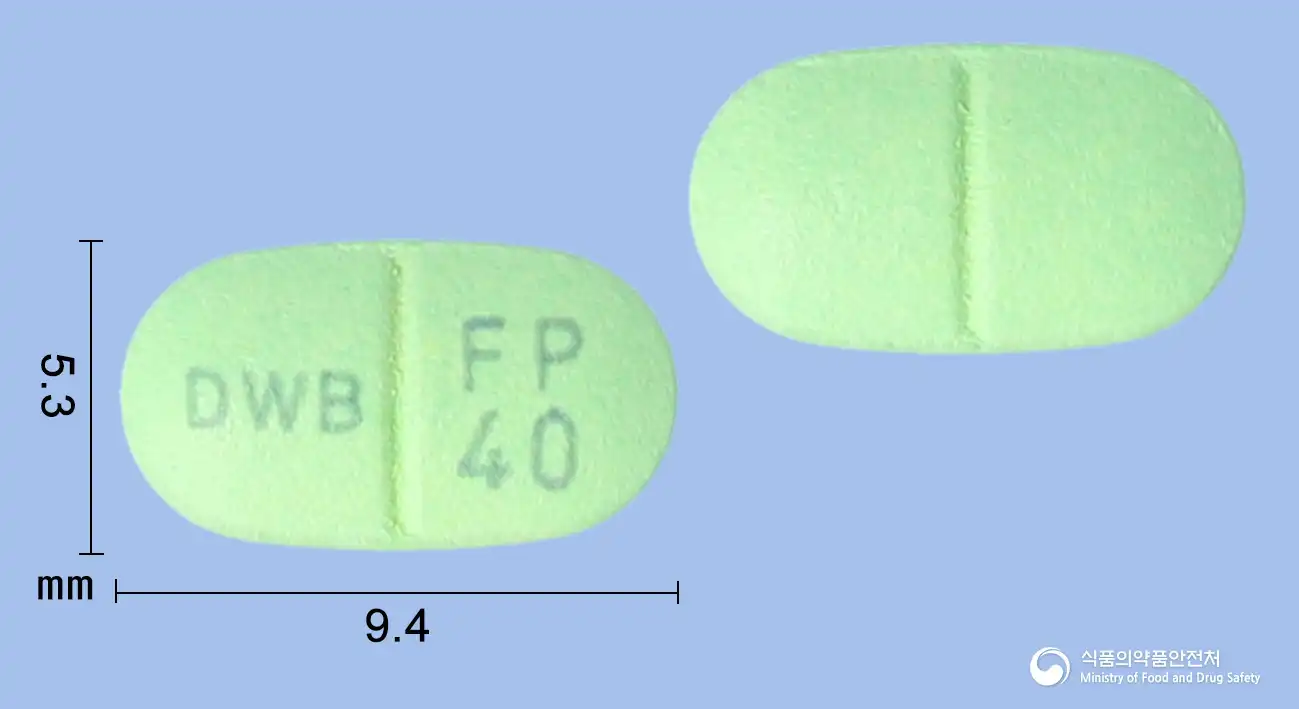
Fexuprazan Hydrochloride 40mg
Tablet · Prescription medication
Daewoong Bio Co., Ltd.
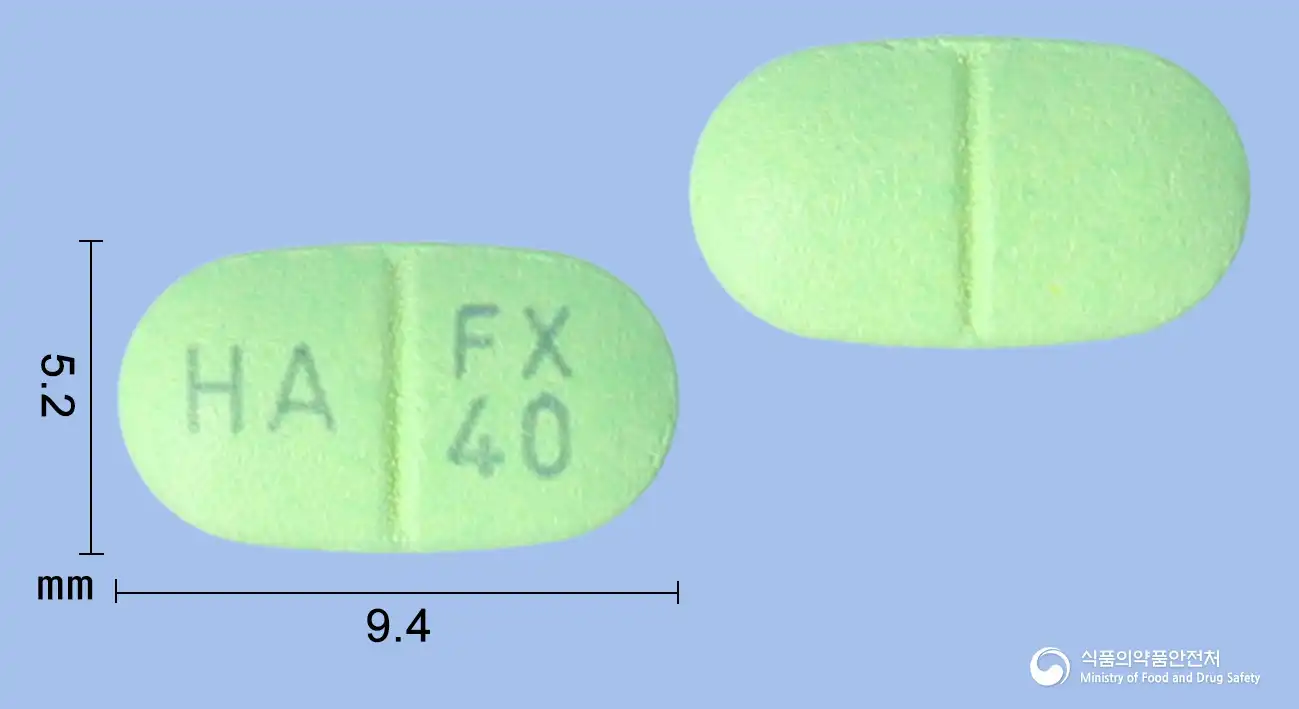
Fexuprazan Hydrochloride 40mg
Tablet · Prescription medication
Hanol Biopharma Co., Ltd.
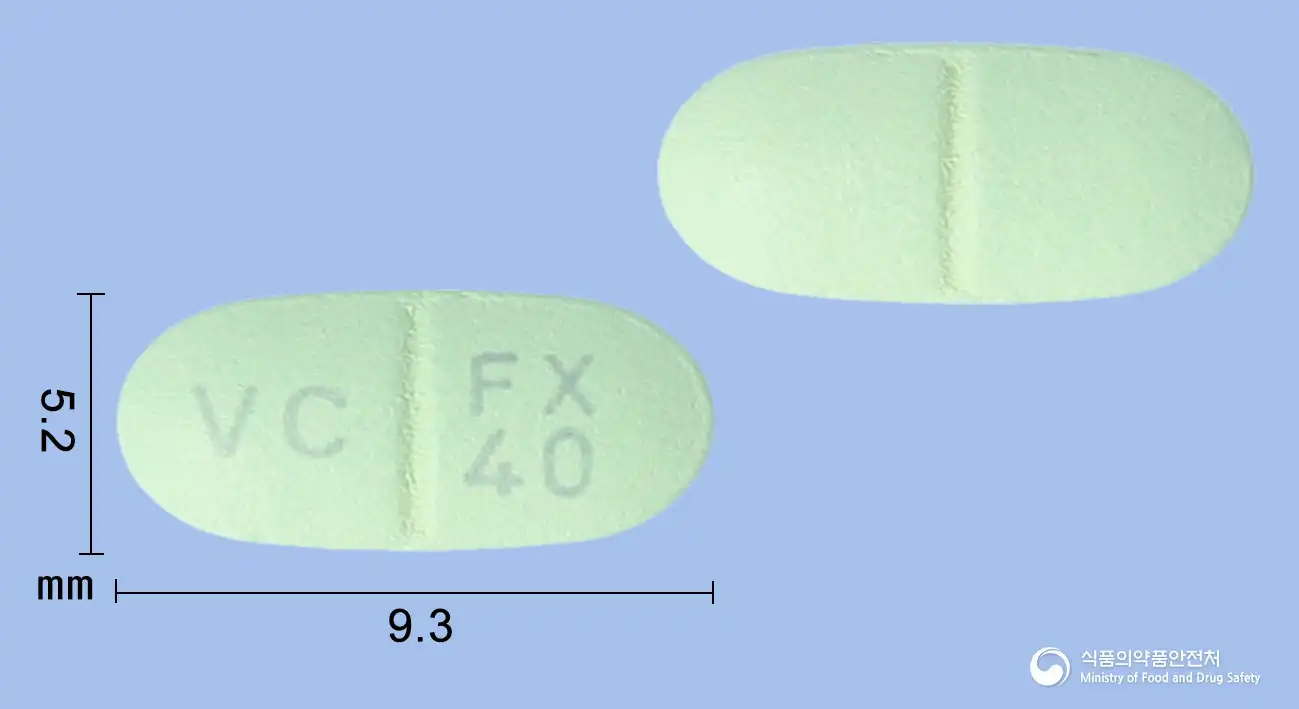
Fexuprazan Hydrochloride 40mg
Tablet · Prescription medication
IN Therapeutics Co., Ltd.
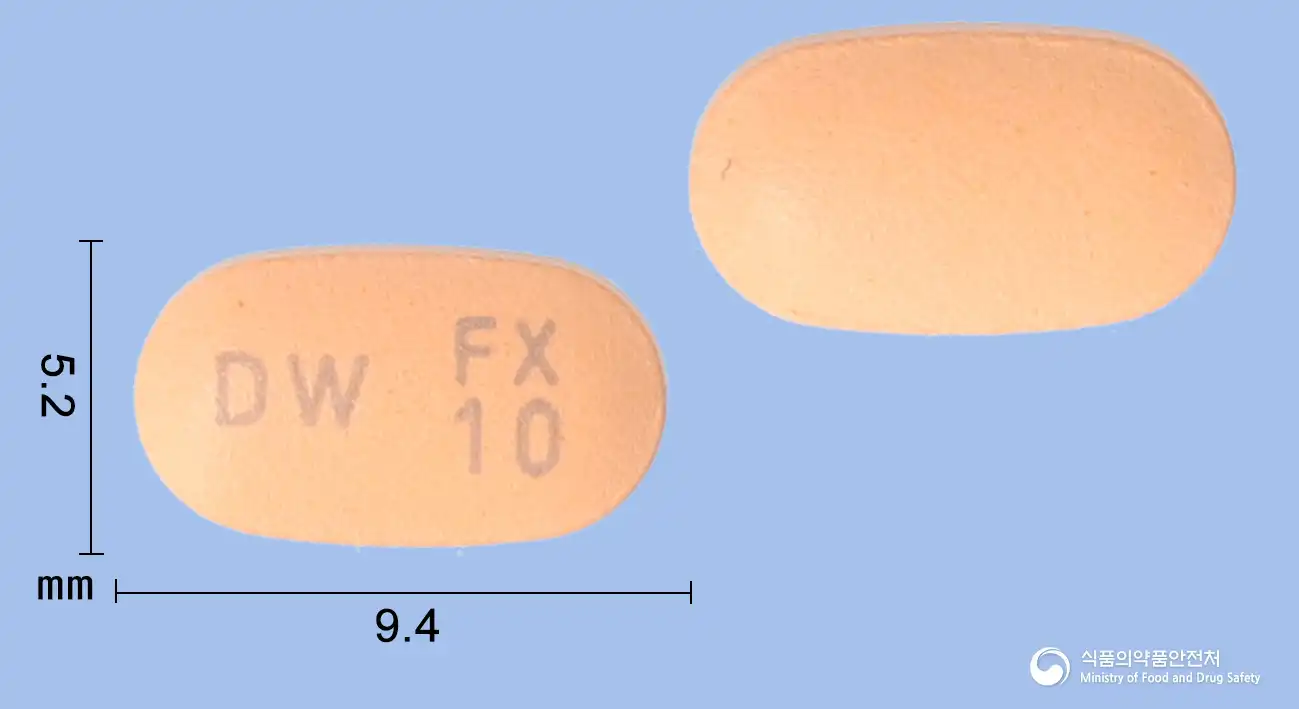
Fexuprazan Hydrochloride 10mg
Tablet · Prescription medication
Daewoong Pharmaceutical Co., Ltd.
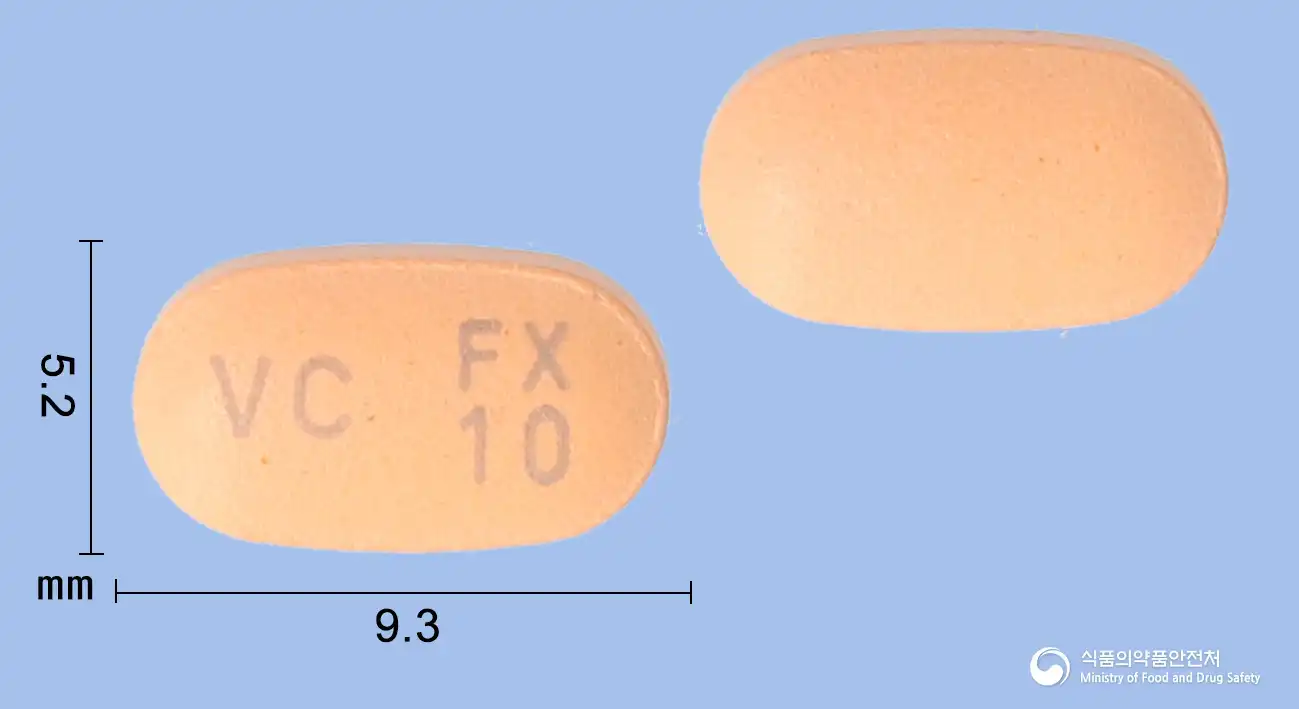
Fexuprazan Hydrochloride 10mg
Tablet · Prescription medication
Ain Therapeutics Co., Ltd.
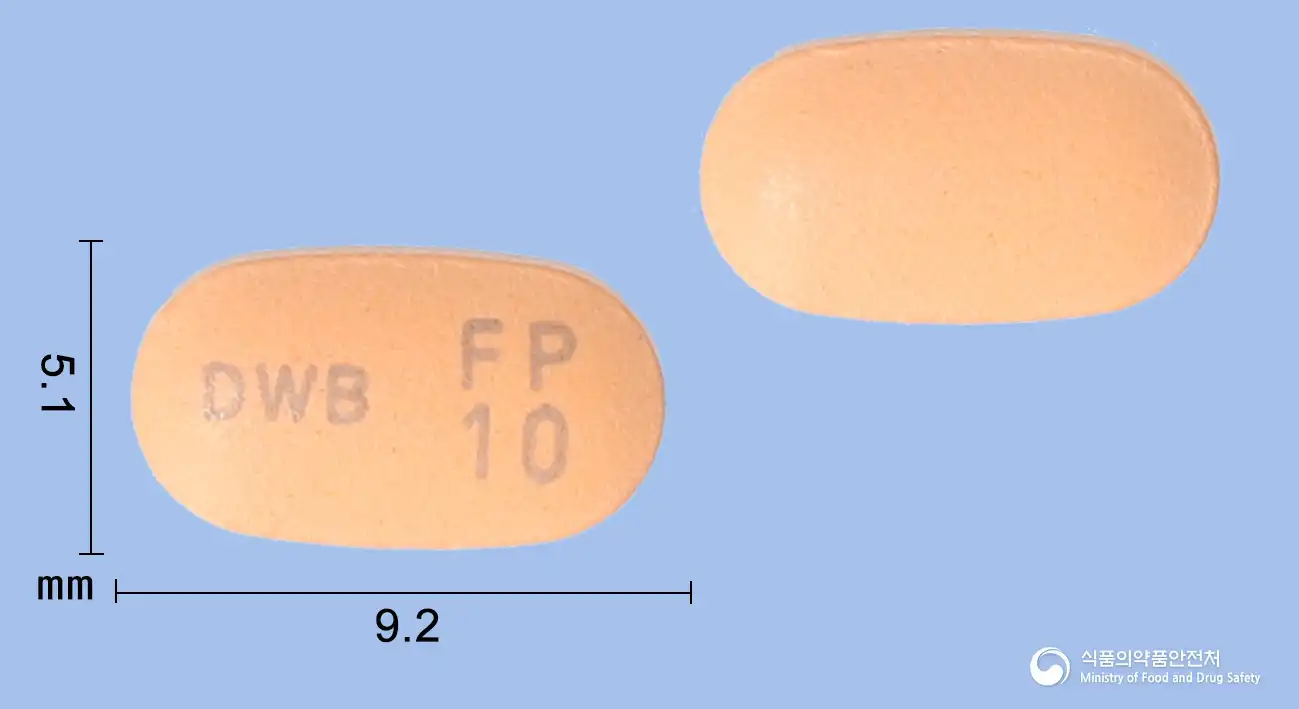
Fexuprazan Hydrochloride 10mg
Tablet · Prescription medication
Daewoong Bio Co., Ltd.
Even with the same ingredient, the dose and directions can differ by strength and dosage form. Talk to a doctor or pharmacist before switching from a medication you are already taking.
No questions yet.
For anything that needs medical judgment, consult a doctor or pharmacist.
This drug information is based on data provided by the Korea Ministry of Food and Drug Safety.
Consult a doctor or pharmacist for accurate dosage, administration, and usage instructions.