
 한국어
 English
 日本語
 中文(简体)
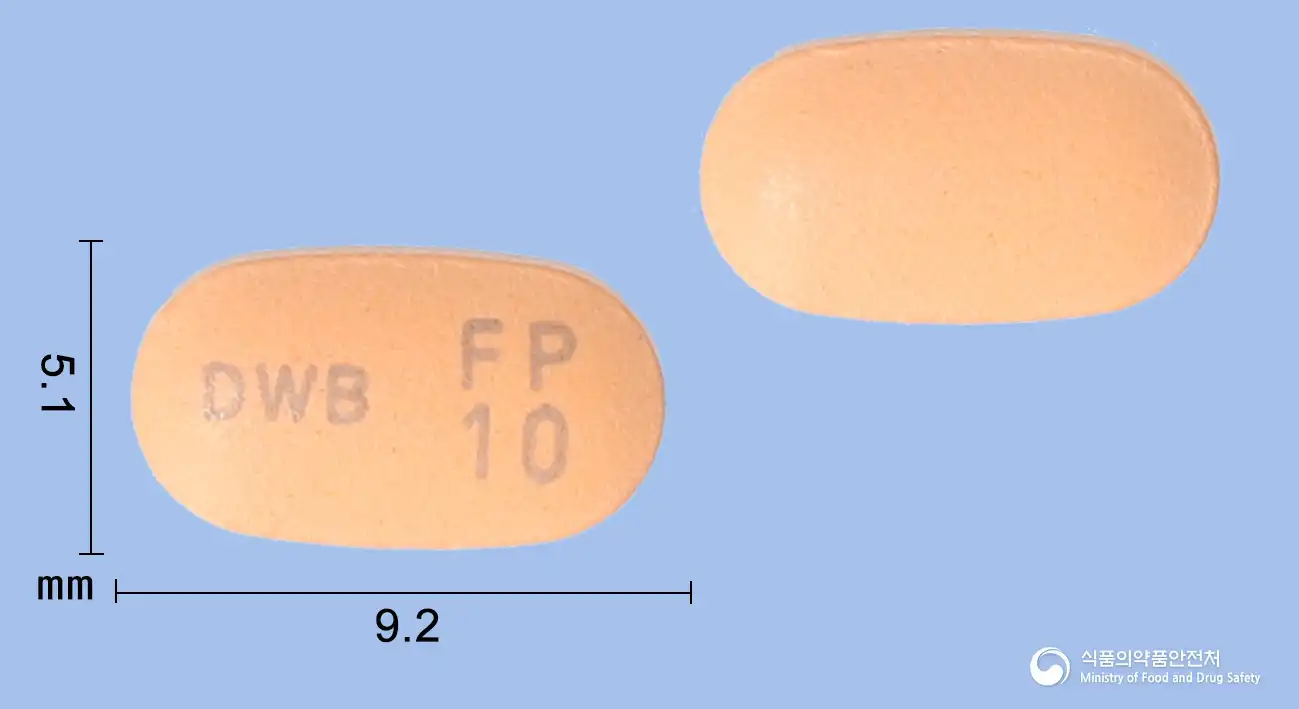 Viewing now
Wicap 10 mg (Fexuprazan Hydrochloride)
Fexuprazan Hydrochloride 10mg
Tablet · Prescription medication
Daewoong Bio Co., Ltd.
MFDS item code 202203385 · Approved 2022.08.24 · Insurance code 694003860
Improvement of gastric mucosal lesions in gastritis; treatment of erosive gastroesophageal reflux disease
This medication is used for the treatment of erosive gastroesophageal reflux disease and helps to improve gastric mucosal lesions caused by acute and chronic gastritis. Therefore, it is effective in protecting the gastric mucosa and promoting gastrointestinal health.
This medicine is administered to adults as follows. 1. Treatment of erosive gastroesophageal reflux disease - Take 40 mg orally once daily for 4 weeks. - In patients whose esophagitis has not healed or whose symptoms persist, continue treatment for an additional 4 weeks. 2. Improvement of gastric mucosal lesions in acute and chronic gastritis <10 mg only> - Take 10 mg orally twice daily for 2 weeks. This medicine may be taken with or without food.
This medication should not be administered to certain patients. First, patients with a known allergy or hypersensitivity to this drug or its components should not use it. Also, patients who are taking specific antiviral agents such as Atazanavir, Nelfinavir, and Rilpivirine should not take this medication concurrently. Pregnant or breastfeeding women should also refrain from using this drug. This medication contains lactose, and should not be administered to patients with lactose intolerance or certain genetic digestive disorders. Caution must be taken when using this medication in patients with liver or kidney impairment, the elderly, and those with allergies to certain pigment components (Yellow No. 4, Yellow No. 5). Gastrointestinal symptoms such as dyspepsia, diarrhea, nausea, and abdominal discomfort may occur while taking this medication. Additionally, side effects such as headache, skin rash, itching, and muscle pain have also been reported. This medication suppresses gastric acid, so there may be a slight increase in the risk of bacterial infection in the gastrointestinal tract due to reduced stomach acid. Particularly in hospitalized patients, there may be an increased risk of diarrhea caused by Clostridium difficile, which requires caution. Long-term or high-dose use may increase the risk of fractures related to osteoporosis, so appropriate management may be needed, including bone density tests if necessary. Long-term use of more than three months may result in low blood magnesium levels; thus, it is necessary to regularly check magnesium levels and supplement if needed. Prolonged use of this medication may lead to vitamin B12 deficiency, so testing should be considered if related symptoms occur. This medication can increase the acidity in the stomach, which may affect the absorption of other drugs, so consult with a physician or pharmacist when taking it with other medications. Pregnant or breastfeeding women should not take this medication, and it is safer to discontinue breastfeeding if using this drug while nursing. Safety and efficacy for children and adolescents have not been adequately established, so caution should be exercised in their use. Elderly patients or those with impaired liver or kidney function should use this medication with greater caution. No severe side effects have been reported in cases of overdose, but if an overdose is suspected, immediately inform medical professionals and seek appropriate treatment. This medication should be kept out of reach of children and should not be transferred to another container.
Not everyone experiences these, and they can vary from person to person.
This medication should be stored in a tightly closed container to prevent air or moisture from entering, and should be kept at room temperature between 1 and 30 degrees Celsius. This storage method helps maintain the medication's efficacy over time.
Orange, rectangular, film-coated tablet
28 tablets/box [7 tablets/PTP*4], 28 tablets/bottle, 300 tablets/bottle
Even with the same ingredient, strength, dosage form and how it is taken can differ.
Viewing nowFexuprazan Hydrochloride 10mg
Tablet · Prescription medication
Daewoong Bio Co., Ltd.
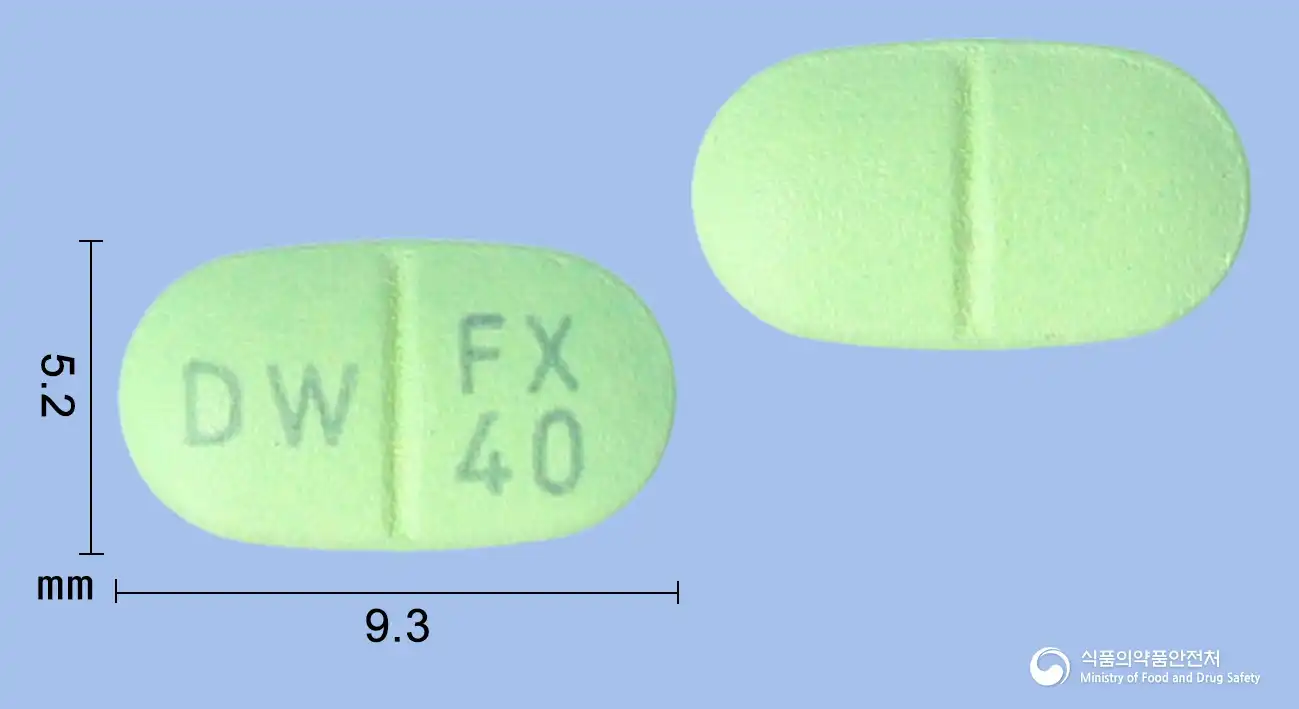
Fexuprazan Hydrochloride 40mg
Tablet · Prescription medication
Daiwoong Pharmaceutical Co., Ltd.
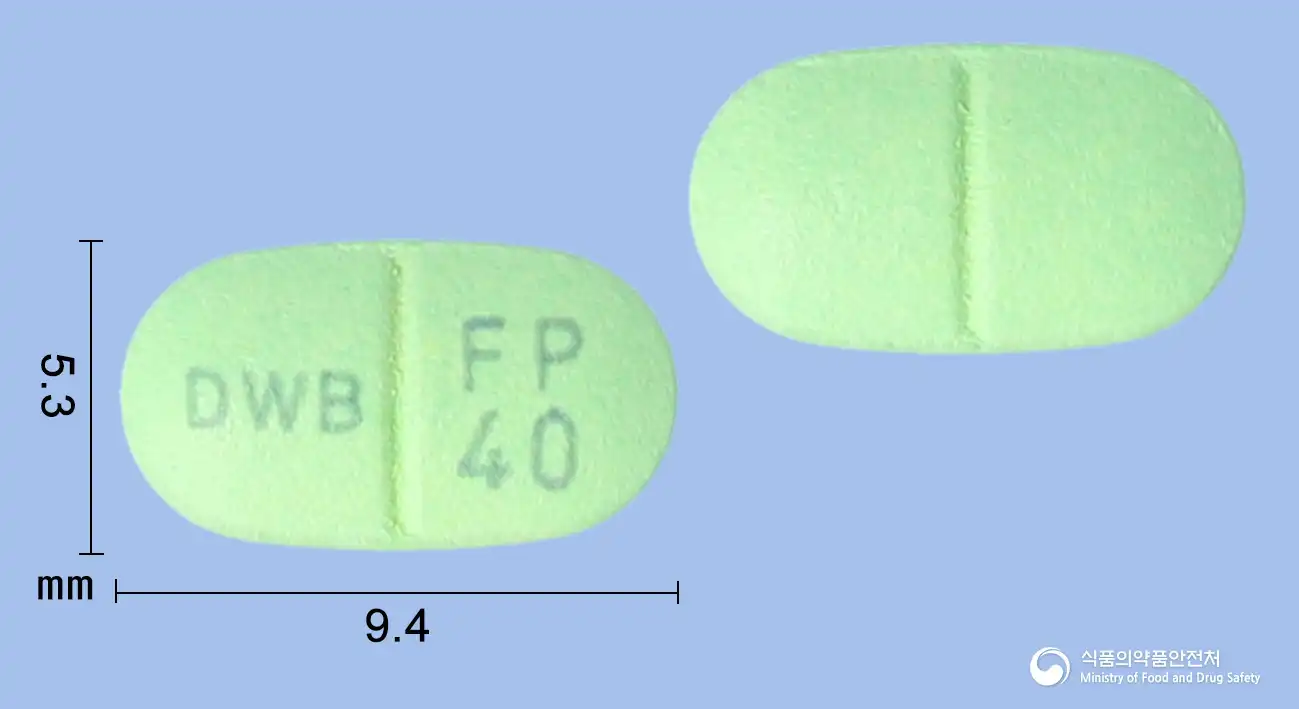
Fexuprazan Hydrochloride 40mg
Tablet · Prescription medication
Daewoong Bio Co., Ltd.
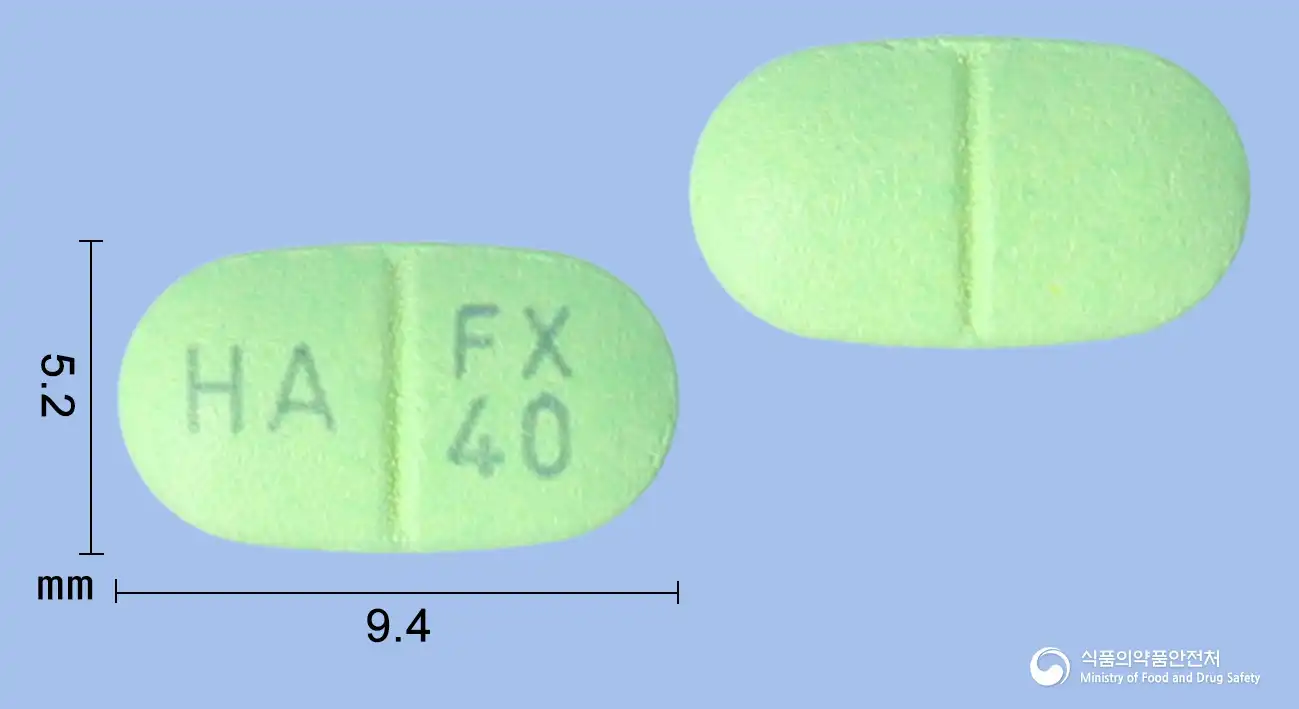
Fexuprazan Hydrochloride 40mg
Tablet · Prescription medication
Hanol Biopharma Co., Ltd.
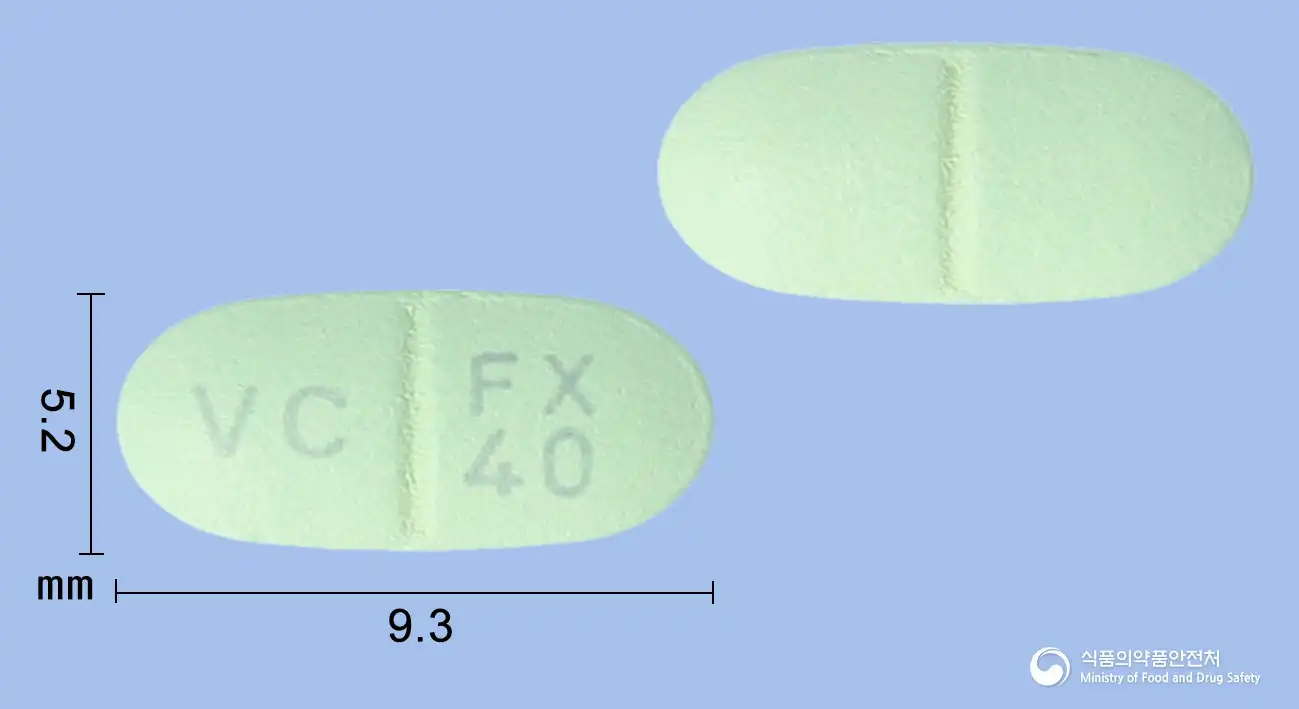
Fexuprazan Hydrochloride 40mg
Tablet · Prescription medication
IN Therapeutics Co., Ltd.
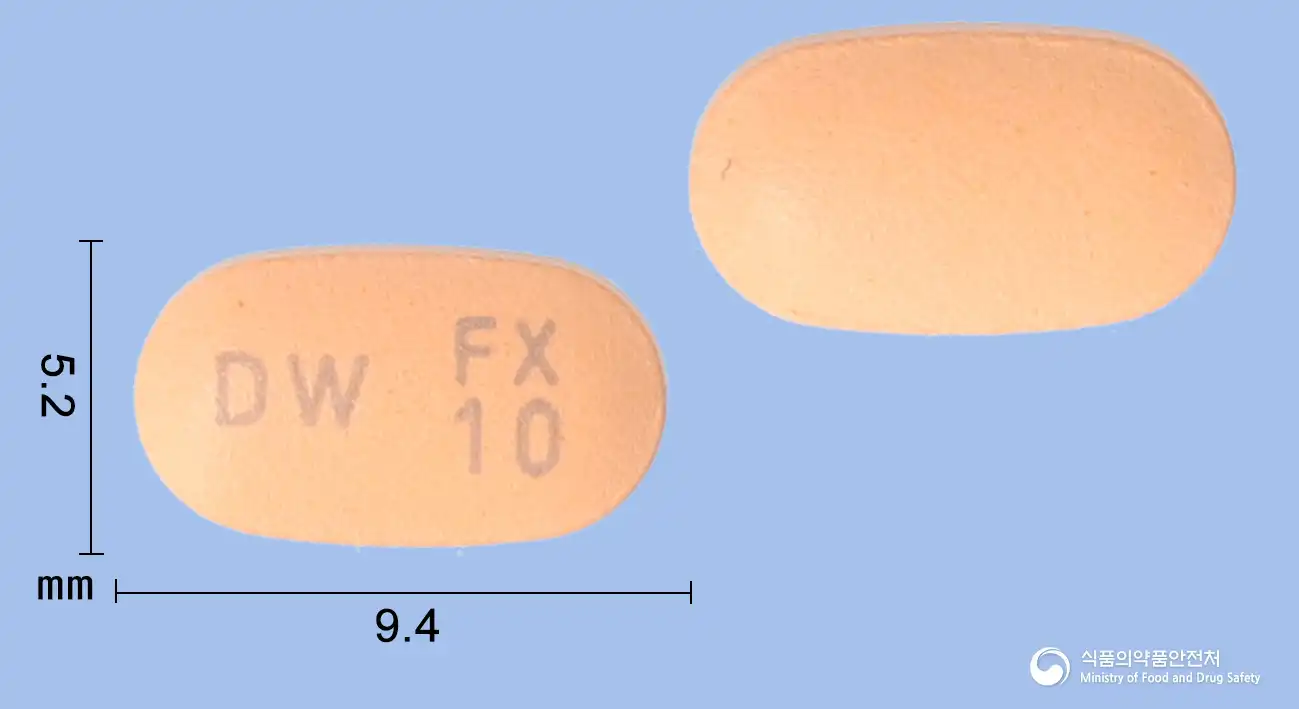
Fexuprazan Hydrochloride 10mg
Tablet · Prescription medication
Daewoong Pharmaceutical Co., Ltd.
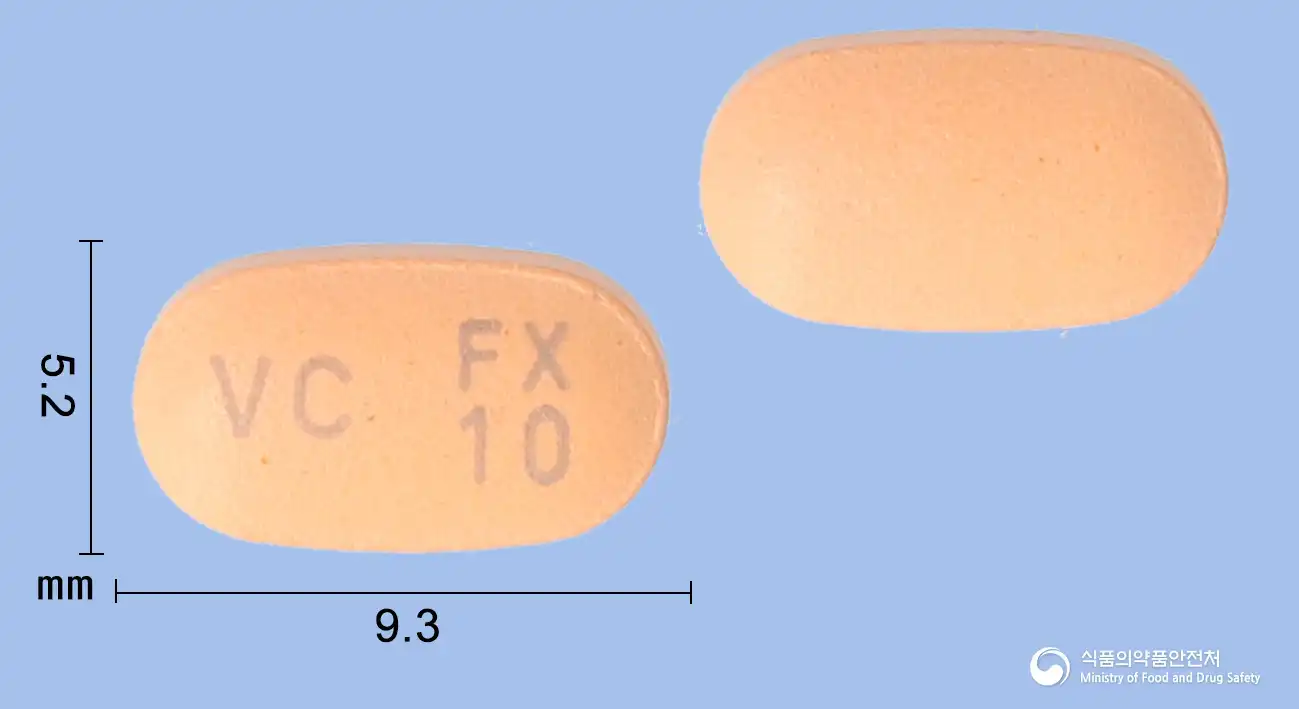
Fexuprazan Hydrochloride 10mg
Tablet · Prescription medication
Ain Therapeutics Co., Ltd.
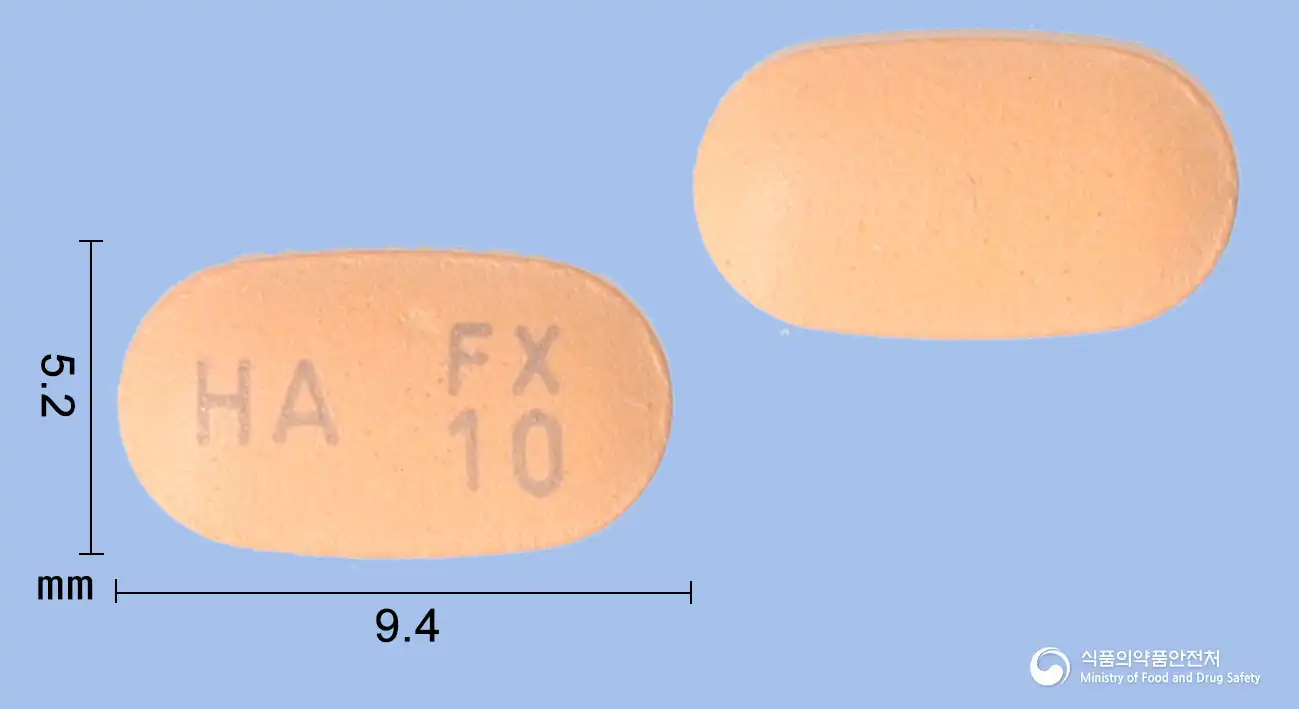
Fexuprazan Hydrochloride 10mg
Tablet · Prescription medication
Hanol Bio Pharma Co., Ltd.
Even with the same ingredient, the dose and directions can differ by strength and dosage form. Talk to a doctor or pharmacist before switching from a medication you are already taking.
No questions yet.
For anything that needs medical judgment, consult a doctor or pharmacist.
This drug information is based on data provided by the Korea Ministry of Food and Drug Safety.
Consult a doctor or pharmacist for accurate dosage, administration, and usage instructions.