
 한국어
한국어 English
 日本語
日本語 中文(简体)
Dosage form image
Viewing nowGastor Injection 20 Milligrams (Famotidine)
Famotidine 20mg
Injections · Prescription medication
Dong-A ST Co., Ltd.
MFDS item code 202203264 · Approved 2022.08.11 · Insurance code 642507651
Inhibition of upper gastrointestinal bleeding (such as peptic ulcers and hemorrhagic gastritis) and prevention of stress-related bleeding.
This medication is used to inhibit upper gastrointestinal bleeding, particularly from peptic ulcers, acute stress ulcers, and hemorrhagic gastritis. It also treats conditions of excessive gastric acid secretion, such as Zollinger-Ellison syndrome, and prevents upper gastrointestinal bleeding caused by physical stress from major surgeries, severe cerebrovascular disorders, head trauma, multiple organ failure, and severe burns. Lastly, it reduces gastric acid secretion prior to anesthesia, thereby lowering the risk of gastric contents regurgitating into the esophagus during surgery. It effectively acts on various upper gastrointestinal-related diseases and conditions to improve symptoms and assist in treatment.
For typical adults, this medication (20 mg/10 mL injection) should be diluted with normal saline or dextrose injection to a total volume of 20 mL (20 mg/20 mL solution) and administered slowly by intravenous injection twice a day (every 12 hours) or infused into an intravenous solution. - Upper gastrointestinal bleeding and Zollinger-Ellison syndrome: Generally, efficacy is observed within one week, and once oral administration becomes possible, it should be switched to oral administration. - Upper
This medication should not be used in patients who are hypersensitive to its components. Patients with impaired renal function should use this medication with caution, as their blood concentration may increase; therefore, the dosage may need to be reduced or the dosing interval increased. Caution is required in patients with heart disease due to the risk of cardiovascular side effects. Patients with liver dysfunction may also experience exacerbation of symptoms; hence, careful administration is necessary. Elderly patients are likely to have decreased renal function, making dose adjustments necessary due to the potential increase in drug concentration. This medication can rarely cause serious allergic reactions, blood disorders, skin conditions, liver dysfunction, muscle damage, cardiac arrhythmia, and renal impairment, so the administration should be stopped immediately if any abnormal symptoms occur, and health care professionals should be consulted. Common side effects can include dyspepsia, rash, changes in blood values, and neurological symptoms; therefore, attention should be given if symptoms arise. It is only to be used in specific situations, such as prevention of postoperative stress-induced gastrointestinal bleeding, and the treatment duration and dosage must be strictly adhered to. There may be interactions with other drugs, so if any other medications are being taken, it is essential to inform healthcare professionals. Women who are pregnant or may become pregnant should carefully consider the necessity of this medication, and breastfeeding should be discontinued during use. Safety in pediatric patients has not been sufficiently established, so this medication should be used cautiously in children. When using an ampoule, it should be cleaned to avoid contamination by glass fragments. This medication may mask the symptoms of gastric cancer, so it should be confirmed that gastric cancer is not present before administration.
Shock, hypersensitivity (anaphylaxis, difficulty breathing, generalized flushing, angioedema, hives), pancytopenia, agranulocytosis, aplastic anemia, hemolytic anemia, Stevens-Johnson syndrome, Lyell's syndrome, liver dysfunction, jaundice, rhabdomyolysis, QT interval prolongation, ventricular tachycardia, ventricular fibrillation, altered consciousness, seizures, interstitial nephritis, acute renal failure, failure contraction.
Not everyone experiences these, and they can vary from person to person.
This medication should be stored in a sealed container to protect it from exposure to air, ideally at room temperature between 1 and 30 degrees Celsius. This storage method ensures that the drug's effectiveness is well maintained and prevents deterioration.
A colorless to pale yellow transparent liquid in a colorless and transparent vial.
10 vials/box [10 milliliters/vial × 10]
Even with the same ingredient, strength, dosage form and how it is taken can differ.
Famotidine 20mg
Injections · Prescription medication
Dong-A ST Co., Ltd.
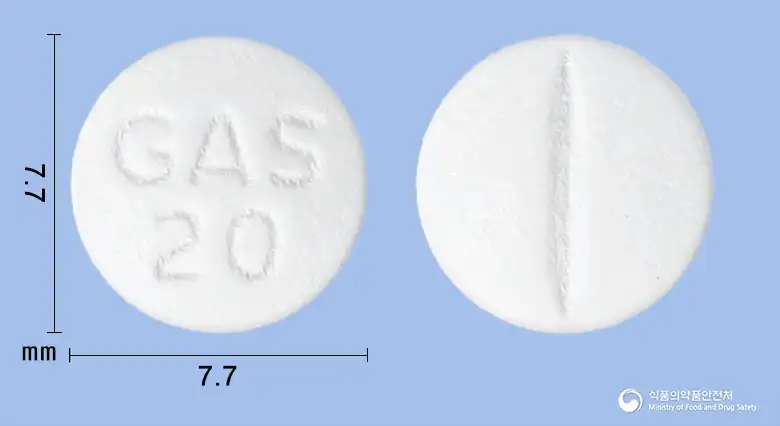
Famotidine 20mg
Prescription medication
Dong-A ST Co., Ltd.
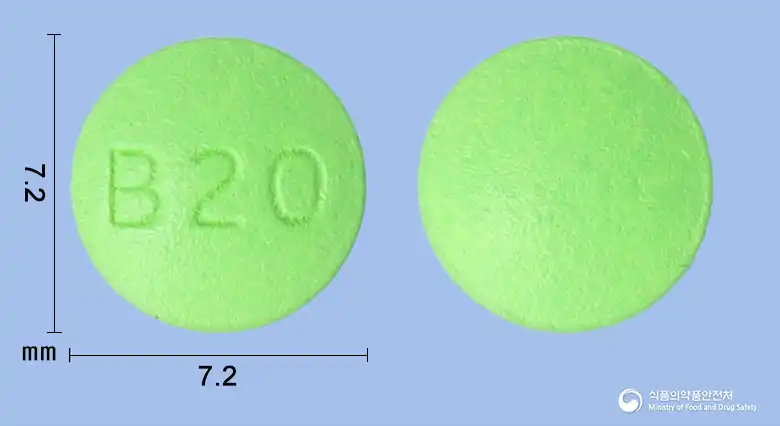
Famotidine 20mg
Tablet · Prescription medication
JW Pharmaceutical Corporation
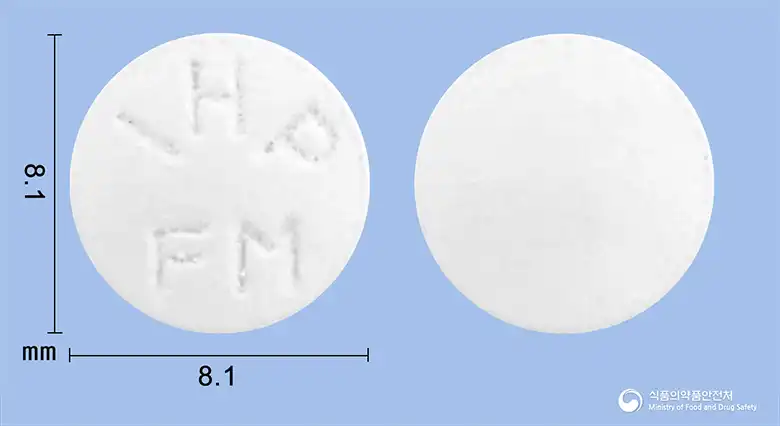
Famotidine 20mg
Tablet · Prescription medication
(Stock Company) Ilhwa
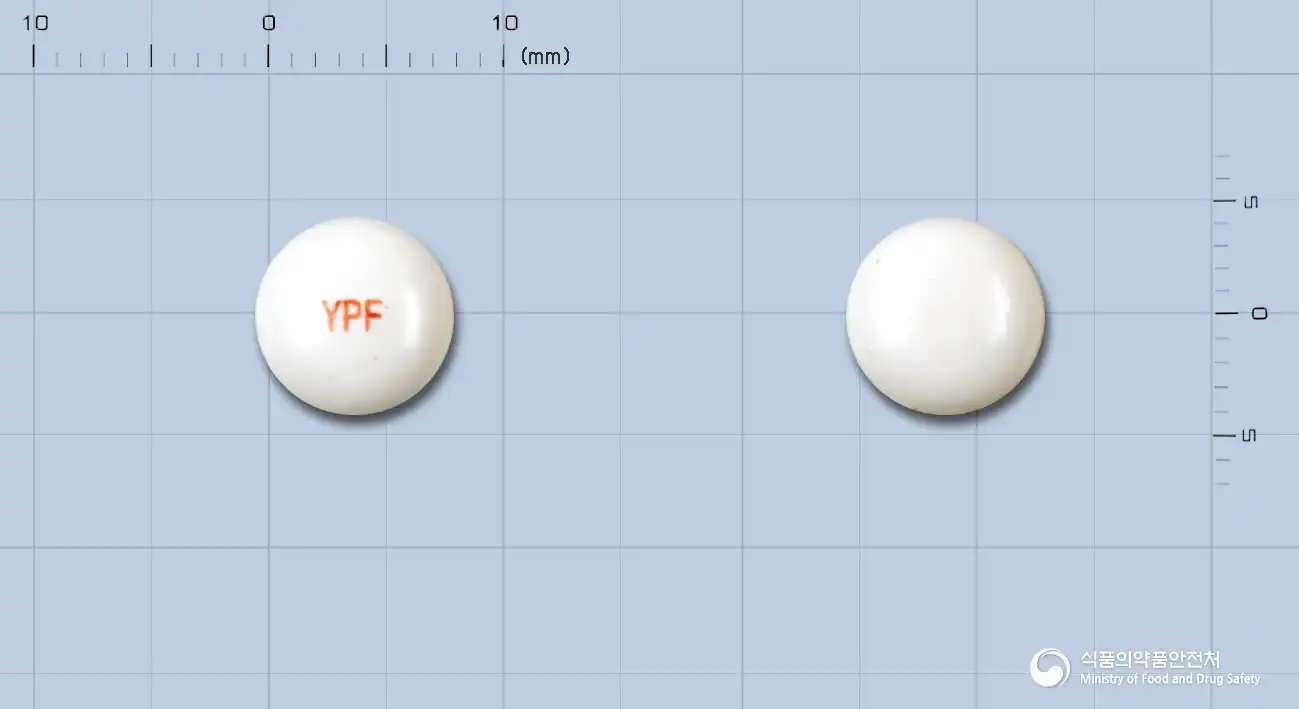
Famotidine 20mg
Prescription medication
Youngpoong Pharmaceutical Co., Ltd.
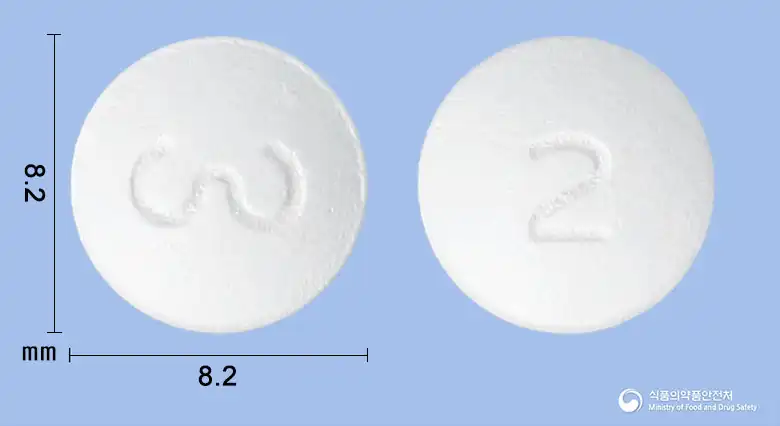
Famotidine 20mg
Tablet · Prescription medication
Withus Pharmaceutical Co., Ltd.
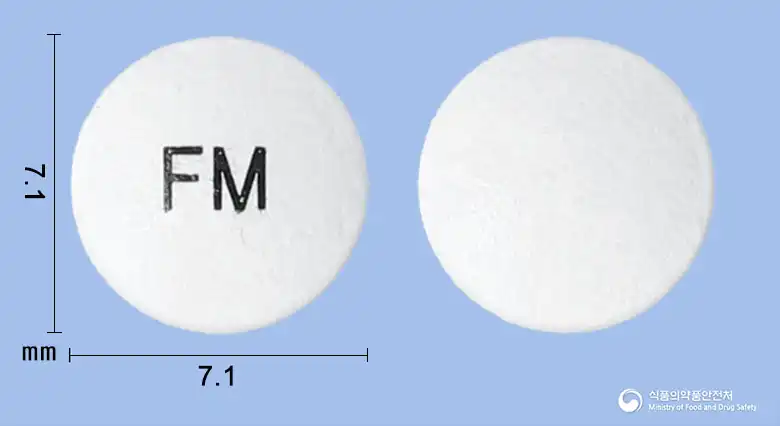
Famotidine 20mg
Prescription medication
(Stock Company) Seoul Pharmaceutical
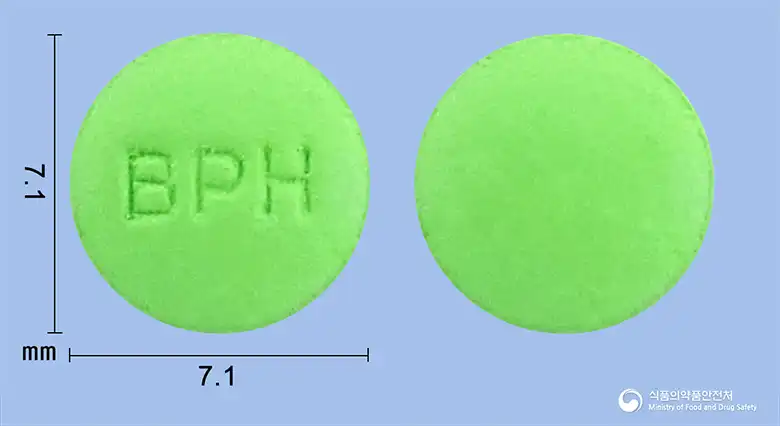
Famotidine 20mg
Tablet · Prescription medication
(Stock Company) Genupharm
Even with the same ingredient, the dose and directions can differ by strength and dosage form. Talk to a doctor or pharmacist before switching from a medication you are already taking.
No questions yet.
For anything that needs medical judgment, consult a doctor or pharmacist.
This drug information is based on data provided by the Korea Ministry of Food and Drug Safety.
Consult a doctor or pharmacist for accurate dosage, administration, and usage instructions.