
 한국어
 English
 日本語
 中文(简体)
 Viewing nowCombination
Nuvorozet Tablets 40/5/10/10 Milligrams
Telmisartan 40mg · Rosuvastatin Calcium Micronized 10.4mg +2 more
Tablet · Prescription medication · Combination
Jonggeun Dang Co., Ltd.
MFDS item code 202203012 · Approved 2022.07.20 · Insurance code 643309110
Treatment of hypertension and dyslipidemia (hypercholesterolemia and mixed dyslipidemia)
This medication is used when patients with both hypertension and dyslipidemia who are already taking telmisartan and S-amlodipine combination therapy and rosuvastatin and ezetimibe combination therapy require additional blood pressure and cholesterol control. It is particularly effective when essential hypertension is not adequately controlled with telmisartan or S-amlodipine monotherapy. Additionally, it is used as an adjunct to diet in patients with primary hypercholesterolemia or both familial and non-familial hypercholesterolemia, and mixed dyslipidemia to reduce total cholesterol, LDL cholesterol, Apo B, triglycerides, and non-HDL cholesterol, and to increase HDL cholesterol. This medication helps to improve blood pressure and blood lipid levels simultaneously.
This medicine is for use in adults only. The dose should be individualized for each patient based on the efficacy and tolerability of the telmisartan/S-amlodipine (amlodipine) combination and the rosuvastatin/ezetimibe combination. The recommended dose of this medicine is 1 tablet once daily, taken with water, with or without food. If possible, it is recommended that it be taken at the same time each day (e.g., in the morning). Take this medicine whole; do not chew, divide, or crush it. ○ Telmisartan/S-amlodipine (amlodipine) The recommended dose of the telmisartan/S-amlodipine (amlodipine) combination is once daily. Before administering the telmisartan/S-amlodipine (amlodipine) combination, it is recommended that the dose be adjusted using the individual components (telmisartan or S-amlodipine (amlodipine)). However, if blood pressure is not controlled with the individual components, switching directly to the telmisartan/S-amlodipine (amlodipine) combination may be considered as follows. - 40/2.5 mg: For patients whose blood pressure is not adequately controlled with S-amlodipine 2.5 mg (amlodipine 5 mg) or telmisartan 40 mg. - 80/2.5 mg: For patients whose blood pressure is not adequately controlled with S-amlodipine 2.5 mg (amlodipine 5 mg). - 40/5 mg: For patients whose blood pressure is not adequately controlled with telmisartan 40 mg or 80 mg. - 80/5 mg: For patients whose blood pressure is not adequately controlled with telmisartan 80 mg or this medicine 40/5 mg. ◦ Patients with hepatic impairment: The daily dose of telmisartan should not exceed 40 mg in patients with mild or moderate hepatic impairment. ◦ Older adults: In older adults aged 75 years or older, treatment should be initiated at a low dose and the dose increased gradually because amlodipine clearance is reduced. ○ Rosuvastatin/ezetimibe Primary hypercholesterolemia The dosage range of the rosuvastatin/ezetimibe combination is 5/10 mg∼20/10 mg once daily. The recommended initial dose is 5/10 mg once daily. The dose may be adjusted in patients who require a greater reduction in LDL cholesterol. After starting treatment with the rosuvastatin/ezetimibe combination or adjusting the dose, check blood lipid levels at intervals of at least 4 weeks and adjust the dose accordingly; the dose may be increased up to a maximum of 20/10 mg daily. For patients taking the telmisartan/S-amlodipine (amlodipine) combination and the rosuvastatin/ezetimibe combination concomitantly, they may switch to this medicine (a combination product containing the same amounts of each active ingredient) for convenience.
This medication can cause serious harm to the fetus, especially during the second and third trimesters of pregnancy, and should be discontinued immediately upon confirmation of pregnancy. Muscle-related side effects may occur rarely; if symptoms such as myalgia, weakness, or cramping occur, notify a physician immediately. This medication should not be used in patients with certain liver diseases or severe liver dysfunction, and regular liver function tests are required. Patients with severe kidney dysfunction or certain kidney diseases should also avoid this medication. Caution is needed when administering this medication in cases of severely low blood pressure or serious heart disease. This medication may elevate potassium levels in the blood, so caution is necessary in patients with high potassium levels or those taking drugs that can raise potassium levels. Dizziness or drowsiness may occur while taking this medication, so caution is advised when driving or operating hazardous machinery. Patients with certain genetic disorders or lactose intolerance should not take this medication. There may be interactions with other medications, so be sure to inform healthcare professionals of any other medications being taken. This medication can affect liver and kidney function, thus regular blood tests and health evaluations are needed. If any unusual symptoms such as muscle pain or weakness, rash, swelling occur, consult a healthcare professional immediately.
Not everyone experiences these, and they can vary from person to person.
This medication should be stored in a tightly sealed container to prevent exposure to air or moisture, and it is safest to store it at room temperature between 1 to 30 degrees Celsius. Storing it this way will help maintain the effectiveness of the medication for a longer period.
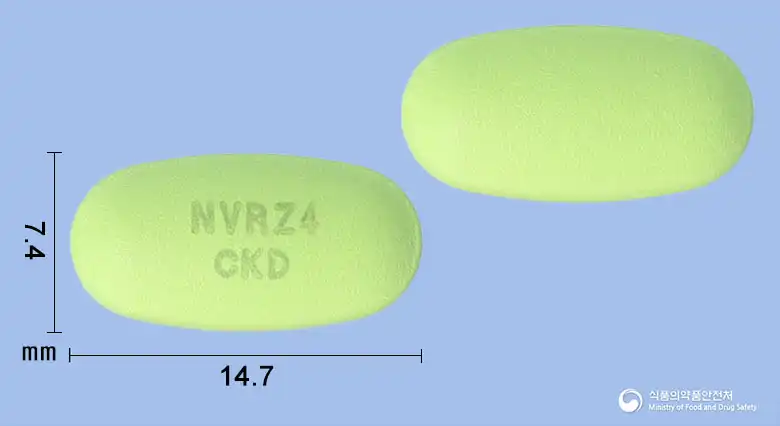
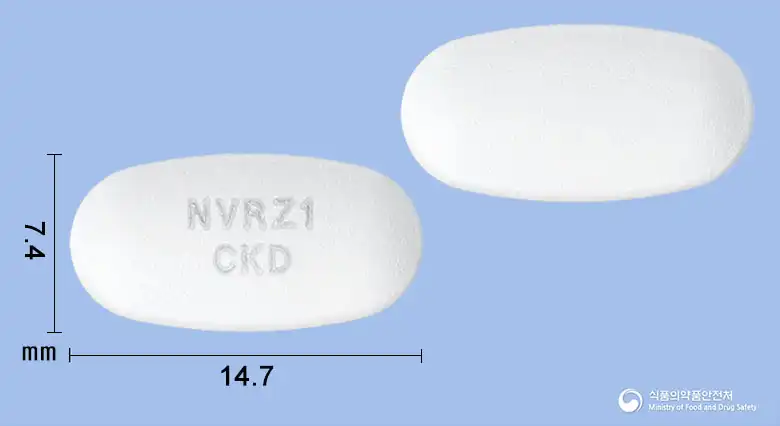
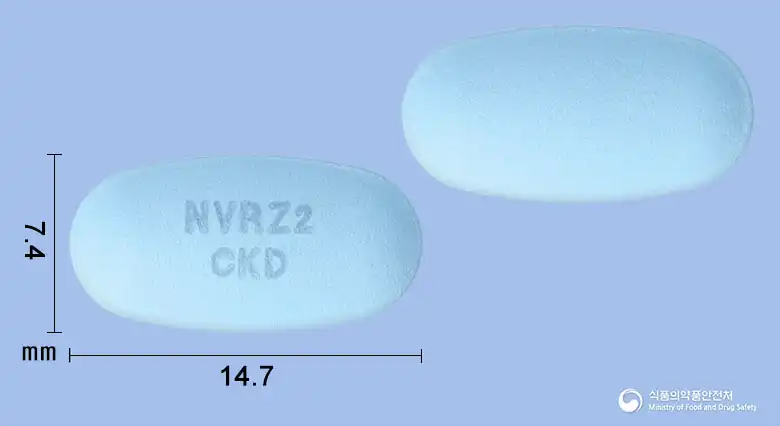
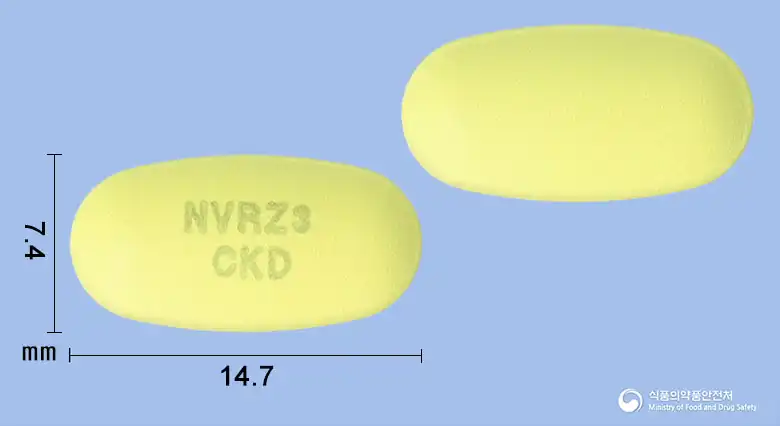
Pale green oval film-coated tablet
30 tablets/bottle
Even with the same ingredient, strength, dosage form and how it is taken can differ.
Viewing nowCombinationTelmisartan 40mg · Rosuvastatin Calcium Micronized 10.4mg +2 more
Tablet · Prescription medication · Combination
Jonggeun Dang Co., Ltd.
 Combination
Telmisartan 40mg · Rosuvastatin Calcium Micronized 5.2mg +2 more
Tablet · Prescription medication · Combination
Jongkundang Co., Ltd.
 Combination
Rosuvastatin Calcium Micronized 10.4mg · Ezetimibe 10mg +2 more
Tablet · Prescription medication · Combination
Jongkundang Co., Ltd.
 Combination
Telmisartan 40mg · Rosuvastatin Calcium Micronized 5.2mg +2 more
Tablet · Prescription medication · Combination
Jongkundang Co., Ltd.
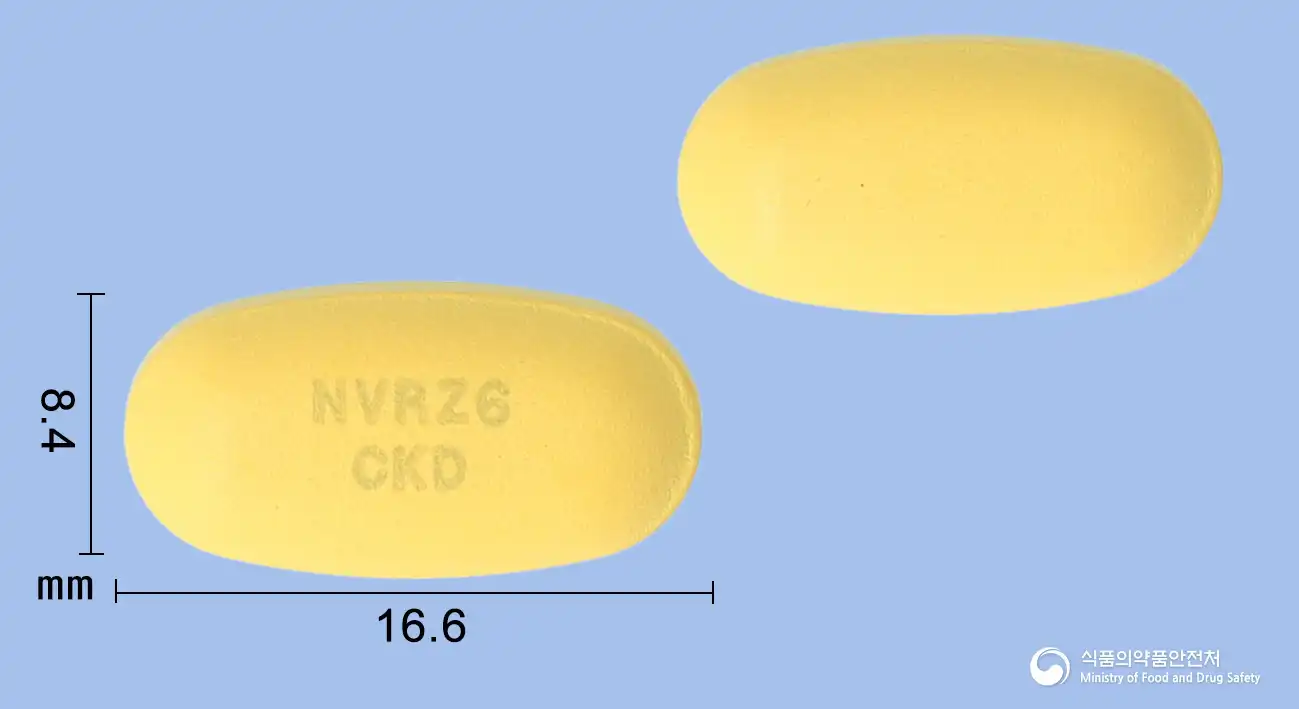 Combination
Telmisartan 80mg · Rosuvastatin Calcium Micronized 10.4mg +2 more
Tablet · Prescription medication · Combination
Jongkundang Co., Ltd.
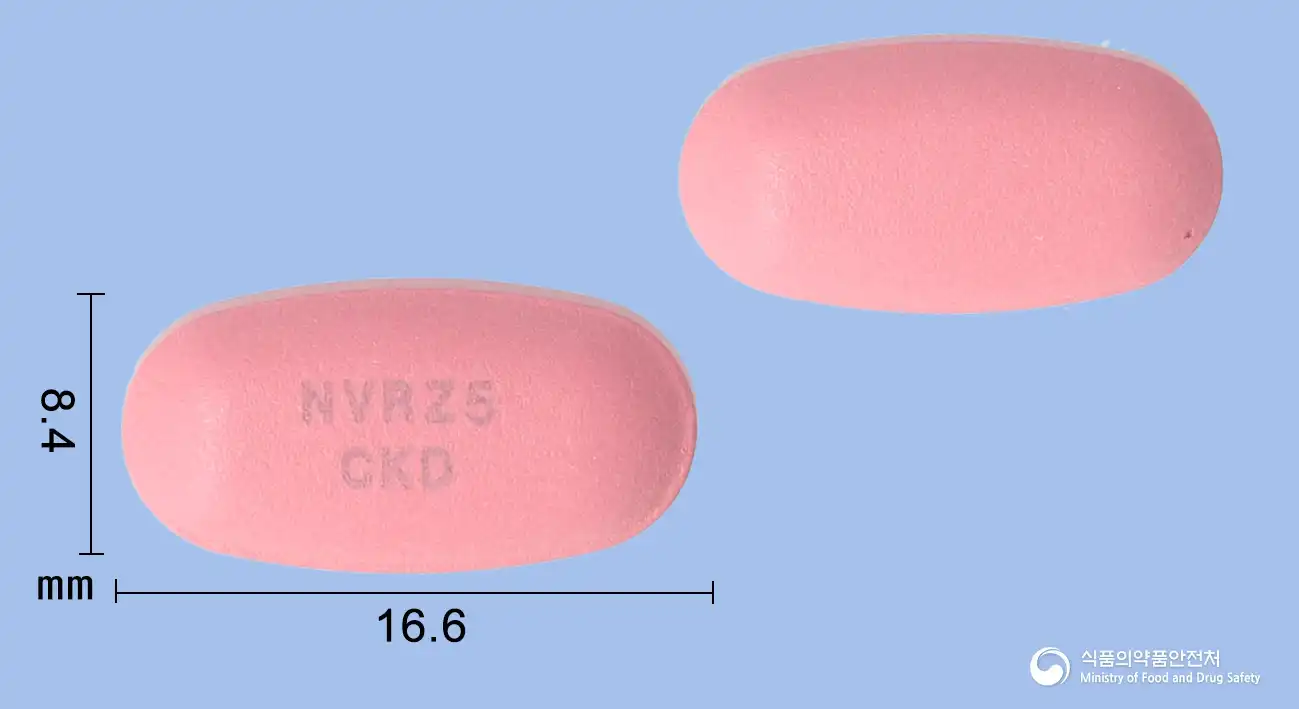 Combination
Telmisartan 80mg · Rosuvastatin Calcium Micronized 5.2mg +2 more
Tablet · Prescription medication · Combination
Jongkundang Co., Ltd.
Even with the same ingredient, the dose and directions can differ by strength and dosage form. Talk to a doctor or pharmacist before switching from a medication you are already taking.
No questions yet.
For anything that needs medical judgment, consult a doctor or pharmacist.
This drug information is based on data provided by the Korea Ministry of Food and Drug Safety.
Consult a doctor or pharmacist for accurate dosage, administration, and usage instructions.