
 한국어
한국어 English
 日本語
日本語 中文(简体)
Dosage form image
Viewing nowCombinationParaduo Tablet 20/800 mg
Rabeprazole Sodium 20mg · Sodium Bicarbonate 800mg
Tablet · Prescription medication · Combination
Dasan Pharmaceutical Co., Ltd.
MFDS item code 202202821 · Approved 2022.07.04
Treatment of gastric ulcers and gastroesophageal reflux disease (erosive, ulcerative)
This medication is used to treat ulcers of the stomach and duodenum. It also alleviates erosive or ulcerative symptoms in gastroesophageal reflux disease and is effective for long-term maintenance treatment of these conditions. Therefore, it is used for gastric ulcers, duodenal ulcers, and gastroesophageal reflux disease.
For gastric ulcers and duodenal ulcers: 20/800 mg can be taken orally once a day according to symptoms. Typically, for gastric ulcers, it is administered up to 8 weeks; for duodenal ulcers, up to 6 weeks. For erosive or ulcerative gastroesophageal reflux disease: 20/800 mg is taken orally once a day for 4 to 8 weeks. If unresolved after 8 weeks of proton pump inhibitor (PPI) therapy, it can be taken additively at 20/800 mg orally 2 times a day for an additional 8 weeks.
This medication should not be used by patients who have allergies to specific components or have a history of hypersensitivity. Patients currently taking atazanavir or rilpivirine should not be given this medication. Pregnant or breastfeeding women should not take this medication. Patients with liver or kidney impairment, elderly patients, or those with weak cardiac or pulmonary function should use this medication with caution. Particularly, patients with electrolyte imbalances or those requiring restricted sodium intake need to be cautious when taking this medication. This medication contains the dye Yellow No. 4, so individuals allergic to this component should exercise caution. If symptoms of allergic reaction such as rash, urticaria, or itching occur, discontinue use immediately and consult a doctor. Since changes in red or white blood cell counts may occur, regular blood tests are recommended. Liver function tests should also be conducted regularly, and if hepatitis or jaundice symptoms appear, discontinue use immediately. Various symptoms related to the heart have been reported, so caution is advised in case of cardiovascular abnormalities. Gastrointestinal symptoms such as diarrhea, abdominal pain, nausea, and vomiting may occur, and persistent abnormal symptoms should be reported to a doctor. Neurological symptoms such as headaches, insomnia, and dizziness may arise, so these symptoms should be monitored. Respiratory symptoms or skin rashes, hair loss, and dermatitis have also been reported, and any unusual symptoms should be discussed with a professional. Long-term use of this medication can increase the risk of osteoporosis and fractures, so periodic assessments are required during extended use. Additionally, hypomagnesemia may occur rarely, so magnesium levels should be checked when taking this medication for prolonged periods or in combination with certain drugs. This medication strongly suppresses stomach acid, which can increase the risk of bacterial infections in the gastrointestinal tract, so if diarrhea persists, consult a doctor. Caution is needed as drowsiness may occur when driving or operating machinery. Using this drug in combination with medications like methotrexate can increase toxicity, so advice from a doctor or pharmacist is essential. Prolonged use can lead to vitamin B12 absorption issues, so supplementation may be necessary if needed. This medication can trigger or exacerbate autoimmune diseases such as skin or systemic lupus erythematosus, so immediate consultation with an expert is required if related symptoms arise. Before the examination for neuroendocrine tumors, this medication should be temporarily discontinued as it may affect the test results. There is a risk of gastric adenomatous polyp occurrence, so regular endoscopic examinations are recommended during prolonged use. Kidney issues such as acute interstitial nephritis may also arise, so discontinue use immediately if any symptoms of kidney dysfunction occur. Patients on sodium-restricted diets should be cautious due to the sodium content of this medication. This medication should be swallowed whole without chewing or crushing it, and should be stored out of reach of children.
Urticaria, severe swelling (edema), tightness in the chest, difficulty breathing, cold sweat, pallor, fulminant hepatitis, liver dysfunction, jaundice, severe neurological symptoms (sudden and severe headache, thunderclap headache, seizures, confusion, visual disturbances, paralysis), severe edema accompanied by increased blood pressure, urticarial skin rash, systemic allergic reactions (hypotension, breathing difficulties, facial swelling), acute interstitial nephritis, renal crisis.
Not everyone experiences these, and they can vary from person to person.
This medication should be stored in a tightly sealed container to protect it from moisture, and it is best kept at room temperature between 1 and 30 degrees Celsius. Storing it this way will help maintain the effectiveness of the medication for a long time.
White round tablets
Bottle packaging - 28 tablets/bottle
Even with the same ingredient, strength, dosage form and how it is taken can differ.
Rabeprazole Sodium 20mg · Sodium Bicarbonate 800mg
Tablet · Prescription medication · Combination
Dasan Pharmaceutical Co., Ltd.
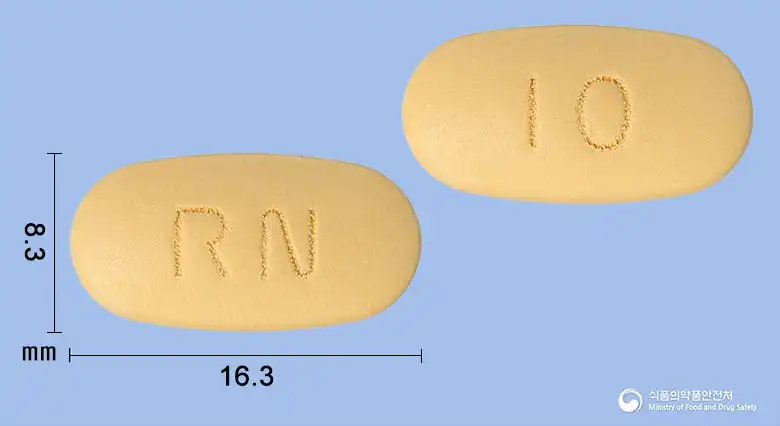 Combination
Sodium Bicarbonate 500mg · Rabeprazole Sodium 10mg
Tablet · Prescription medication · Combination
Youngjin Pharmaceutical Co., Ltd.
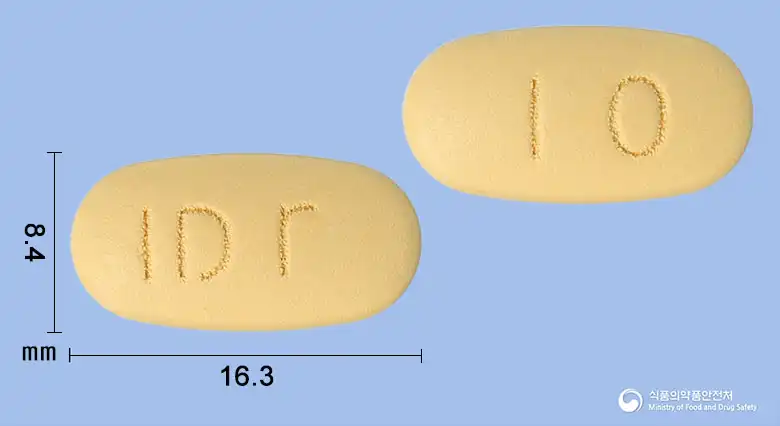 Combination
Sodium Bicarbonate 500mg · Rabeprazole Sodium 10mg
Tablet · Prescription medication · Combination
Ildong Pharmaceutical Co., Ltd.
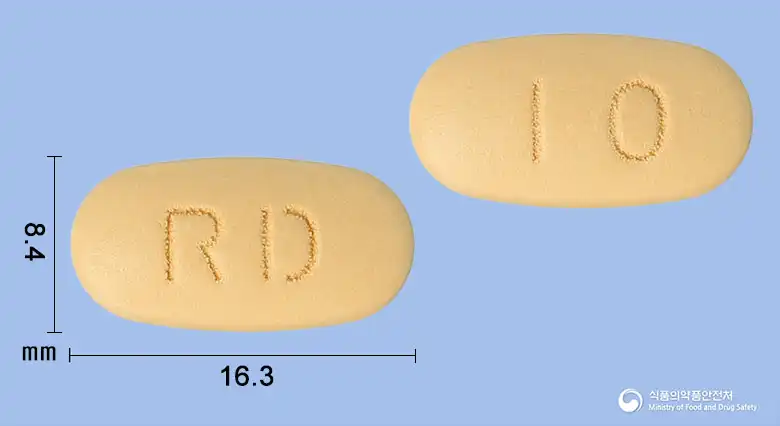 Combination
Sodium Bicarbonate 500mg · Rabeprazole Sodium 10mg
Tablet · Prescription medication · Combination
Samjin Pharmaceutical Co., Ltd.
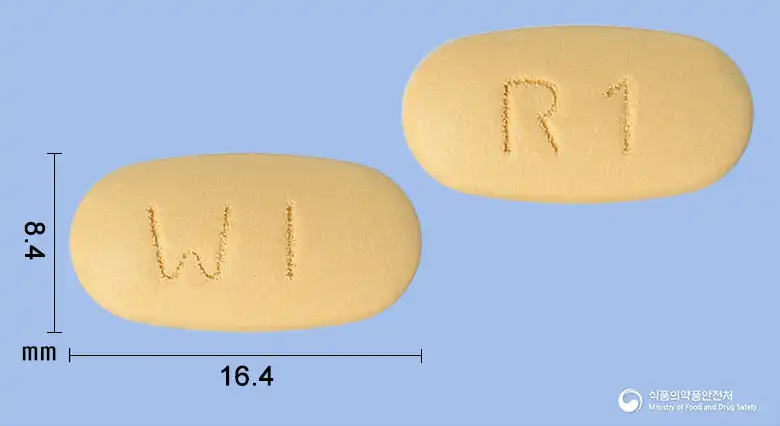 Combination
Sodium Bicarbonate 500mg · Rabeprazole Sodium 10mg
Tablet · Prescription medication · Combination
Hwanin Pharmaceutical Co., Ltd.
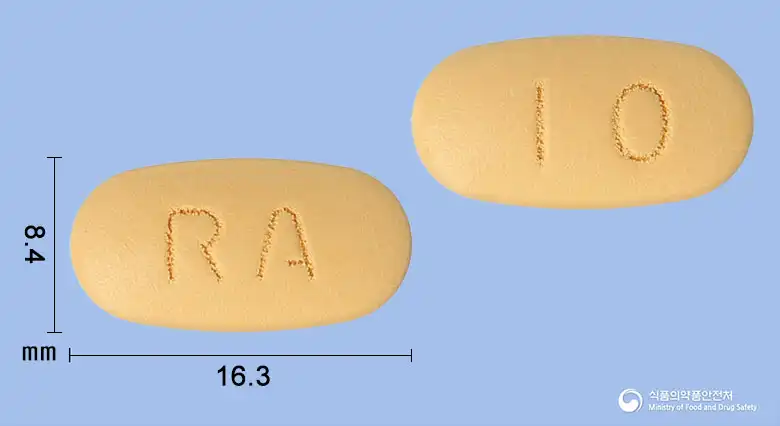 Combination
Sodium Bicarbonate 500mg · Rabeprazole Sodium 10mg
Tablet · Prescription medication · Combination
Donghwa Pharmaceutical Co., Ltd.
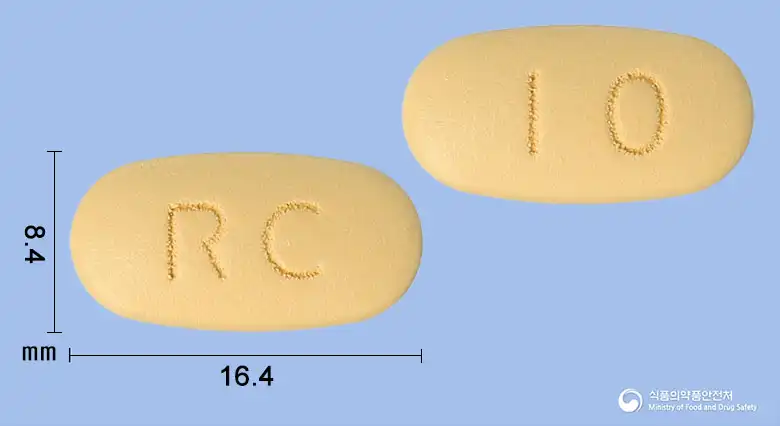 Combination
Sodium Bicarbonate 500mg · Rabeprazole Sodium 10mg
Tablet · Prescription medication · Combination
Dong-A ST Co., Ltd.
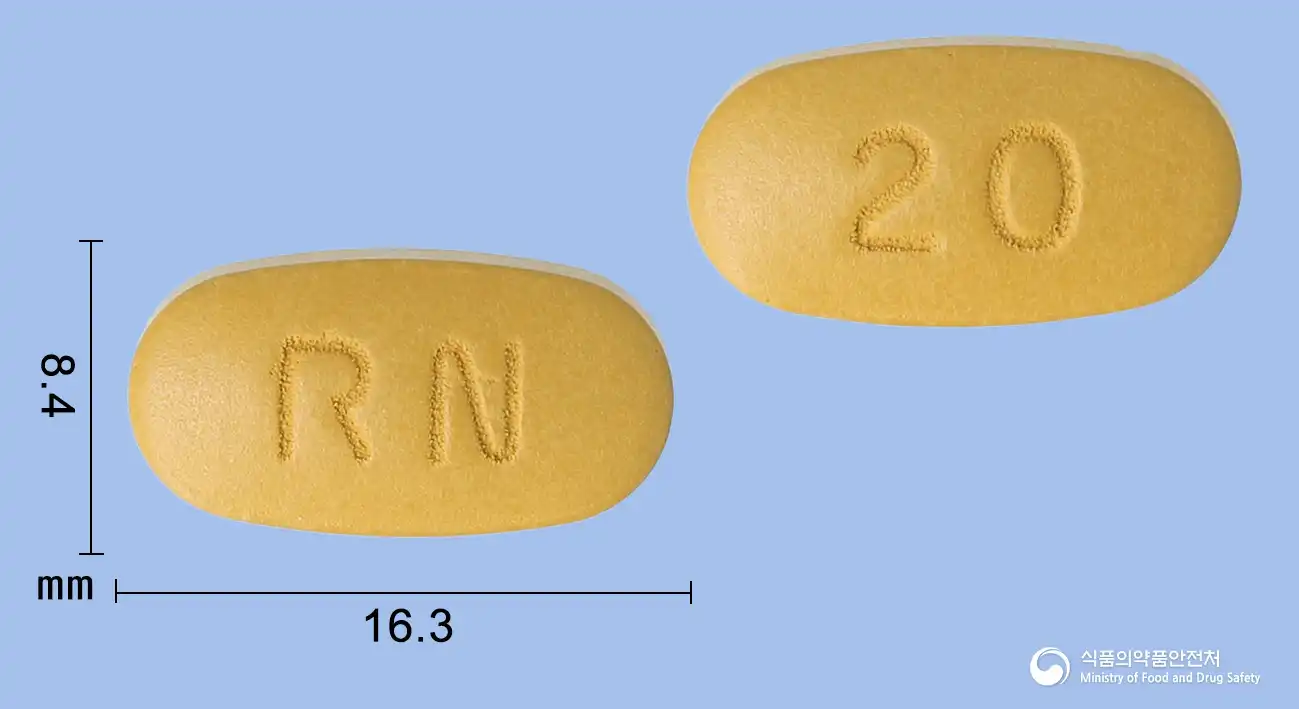 Combination
Sodium Bicarbonate 500mg · Rabeprazole Sodium 20mg
Tablet · Prescription medication · Combination
Youngjin Pharmaceutical Co., Ltd.
Even with the same ingredient, the dose and directions can differ by strength and dosage form. Talk to a doctor or pharmacist before switching from a medication you are already taking.
No questions yet.
For anything that needs medical judgment, consult a doctor or pharmacist.
This drug information is based on data provided by the Korea Ministry of Food and Drug Safety.
Consult a doctor or pharmacist for accurate dosage, administration, and usage instructions.