
 한국어
한국어 English
 日本語
日本語 中文(简体)
 Viewing nowCombination
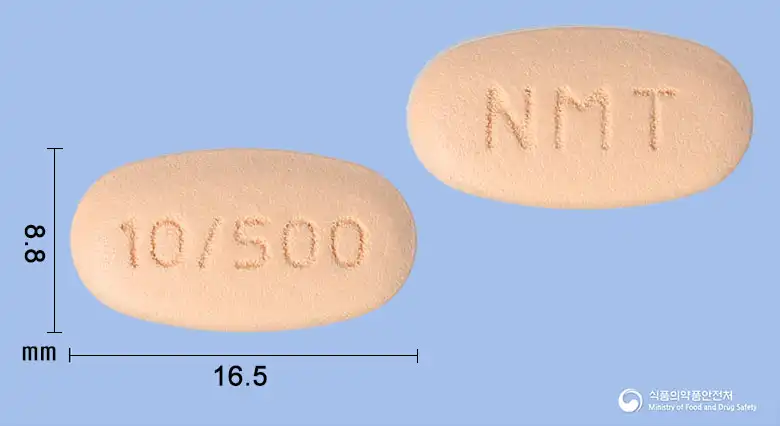
Tenetrium Extended Release Tablet 10/500 mg
Metformin Hydrochloride 500mg · Teneligliptin Hydrochloride Hydrate 12.98mg
Tablet · Prescription medication · Combination
Kyungdong Pharmaceutical Co., Ltd.
MFDS item code 202202807 · Approved 2022.07.06 · Insurance code 648104780
Improvement of blood glucose control in type 2 diabetes
This medication is used to help patients with type 2 diabetes control their blood sugar levels in conjunction with diet and exercise regimens. The combination of teneligliptin and metformin effectively lowers blood sugar levels. This leads to improved blood glucose control, aiding in the management of diabetes and supporting patients in maintaining a healthier blood glucose status in their daily lives. This medication offers a positive effect in the treatment of diabetes.
This medication is generally administered once daily with dinner. This Tenetrium 20/1000 mg extended-release tablet is taken once daily, at a single dose of 1 tablet. Tenetrium 10/750 mg or 10/500 mg extended-release tablets are taken once daily, at a single dose of 2 tablets simultaneously. The initial dosage provides teneligliptin 20 mg once daily along with the standard dosage of metformin. The maximum recommended daily dosage is teneligliptin 20 mg.
This medication is used for the treatment of diabetes and helps in blood sugar control. It can rarely cause a very serious side effect called lactic acidosis, which is highly dangerous. Lactic acidosis is a condition where there is an excessive buildup of lactic acid in the body, leading to acidity, which can be life-threatening if not treated. Renal function is very important during the course of this medication. Patients with impaired kidney function should not use this medication and should regularly check their renal function. Patients with heart conditions or heart failure, as well as those in serious conditions such as acute myocardial infarction or septicemia, should also refrain from using this medication. This medication should be stopped at least 48 hours before tests using iodine-based contrast agents and should only be resumed once renal function is confirmed to be normal after the tests. It is recommended that this medication is not used in pregnant women or those who may become pregnant. Hypoglycemia may occur when used in conjunction with other diabetes medications or insulin, so patients should be well aware of the symptoms and handling of hypoglycemia. During the use of this medication, if severe abdominal pain, vomiting, shortness of breath, or weakness appears, it is imperative to consult a physician immediately. Patients with impaired liver or lung function should exercise caution. Long-term use may lead to decreased levels of vitamin B12, hence regular blood tests are necessary. Older adults may experience decreased kidney function, requiring dosage adjustments and regular checks of renal function. Taking this medication with alcohol increases the risk of side effects, so alcohol consumption should be avoided. It is advisable for breastfeeding women to avoid taking this medication and consult a doctor if they need to take it. In case of overdose, one should immediately visit a healthcare facility for appropriate treatment, and hemodialysis may be necessary. This medication should be kept out of reach of children and should not be transferred to other containers. During the use of this medication, regular physician visits are necessary, and any unusual symptoms should be reported immediately.
Hives, liver dysfunction, interstitial pneumonia symptoms (coughing, shortness of breath, fever, abnormal lung sounds), bullous pemphigoid (blisters, erosions), acute pancreatitis symptoms (severe abdominal pain, vomiting), severe hypoglycemia, cerebral infarction, hepatic encephalopathy, severe edema, respiratory distress, angina, unstable angina, acute myocardial infarction, increased blood pressure, severe allergic reactions, jaundice, severe neurological symptoms (headache, seizures, confusion, visual).
Not everyone experiences these, and they can vary from person to person.
This medication should be stored in a tightly sealed container to protect it from air and moisture, and it is recommended to store it at room temperature between 1°C and 30°C.
Orange colored, biconvex, oval-shaped extended-release film-coated tablet
30 tablets/bottle
Even with the same ingredient, strength, dosage form and how it is taken can differ.
Viewing nowCombinationMetformin Hydrochloride 500mg · Teneligliptin Hydrochloride Hydrate 12.98mg
Tablet · Prescription medication · Combination
Kyungdong Pharmaceutical Co., Ltd.
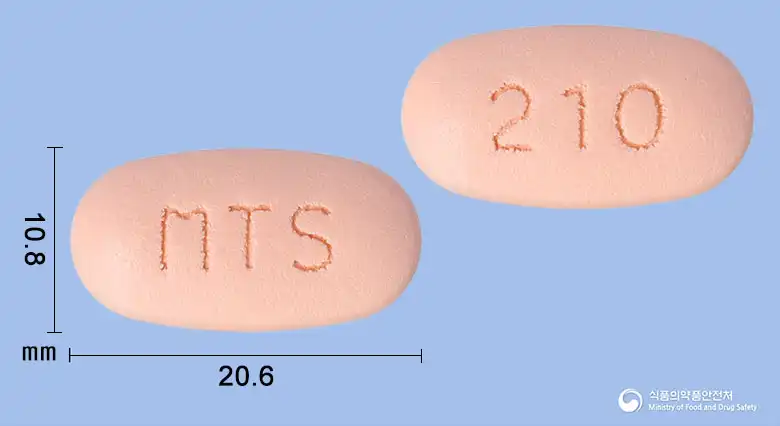 Combination
Teneligliptin Hydrochloride Hydrate 26mg · Metformin Hydrochloride 1000mg
Tablet · Prescription medication · Combination
Mothers Pharmaceutical Co., Ltd.
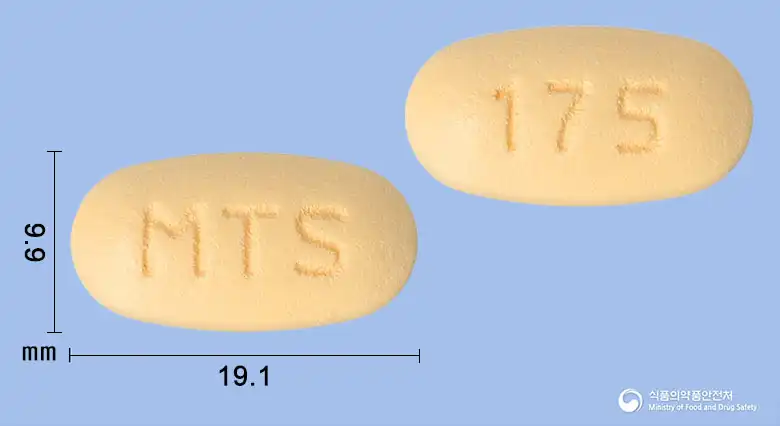 Combination
Teneligliptin Hydrochloride Hydrate 13mg · Metformin Hydrochloride 750mg
Tablet · Prescription medication · Combination
Mothers Pharmaceutical Co., Ltd.
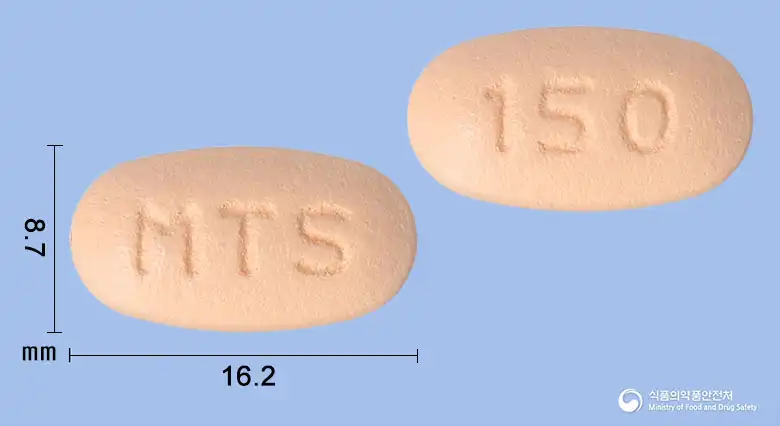 Combination
Teneligliptin Hydrochloride Hydrate 13mg · Metformin Hydrochloride 500mg
Tablet · Prescription medication · Combination
Mothers Pharmaceutical Co., Ltd.
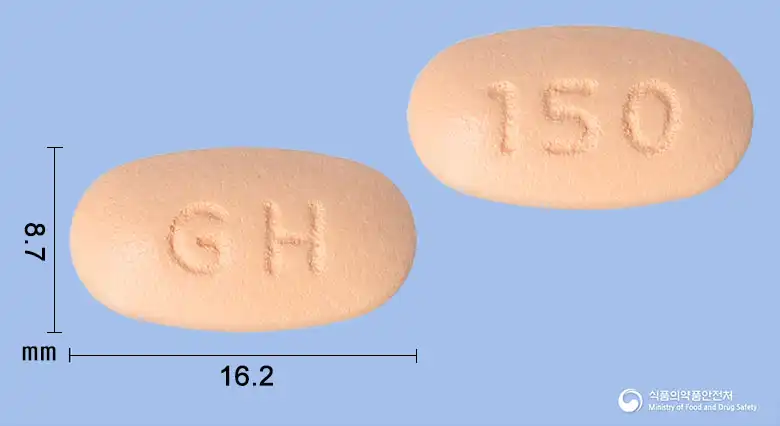 Combination
Teneligliptin Hydrochloride Hydrate 13mg · Metformin Hydrochloride 500mg
Tablet · Prescription medication · Combination
(Yoo) Hanpung Pharmaceutical Co., Ltd.
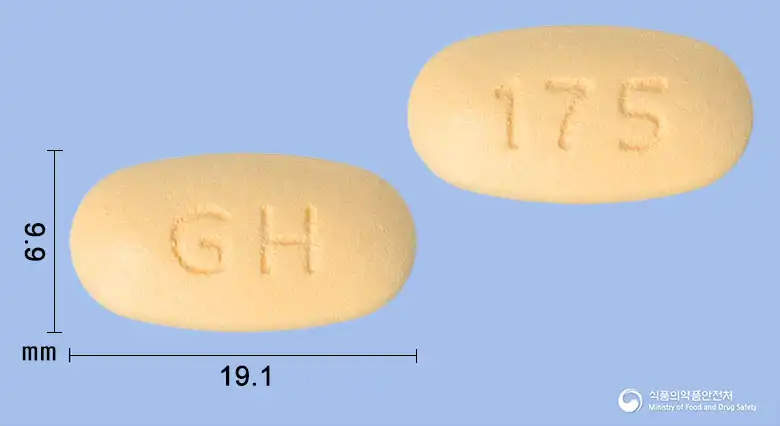 Combination
Teneligliptin Hydrochloride Hydrate 13mg · Metformin Hydrochloride 750mg
Tablet · Prescription medication · Combination
Hanpoong Pharmaceutical Co., Ltd.
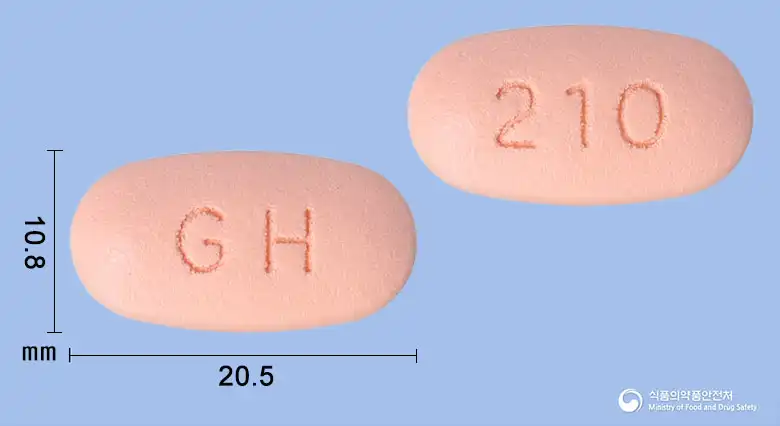 Combination
Teneligliptin Hydrochloride Hydrate 26mg · Metformin Hydrochloride 1000mg
Tablet · Prescription medication · Combination
Hanpung Pharmaceutical Co., Ltd.
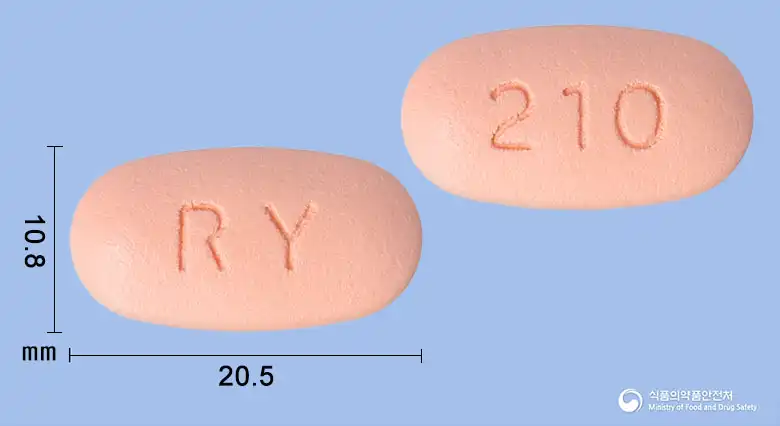 Combination
Teneligliptin Hydrochloride Hydrate 26mg · Metformin Hydrochloride 1000mg
Tablet · Prescription medication · Combination
Iyeon Pharmaceutical Co., Ltd.
Even with the same ingredient, the dose and directions can differ by strength and dosage form. Talk to a doctor or pharmacist before switching from a medication you are already taking.
No questions yet.
For anything that needs medical judgment, consult a doctor or pharmacist.
This drug information is based on data provided by the Korea Ministry of Food and Drug Safety.
Consult a doctor or pharmacist for accurate dosage, administration, and usage instructions.