
 한국어
한국어 English
 日本語
日本語 中文(简体)
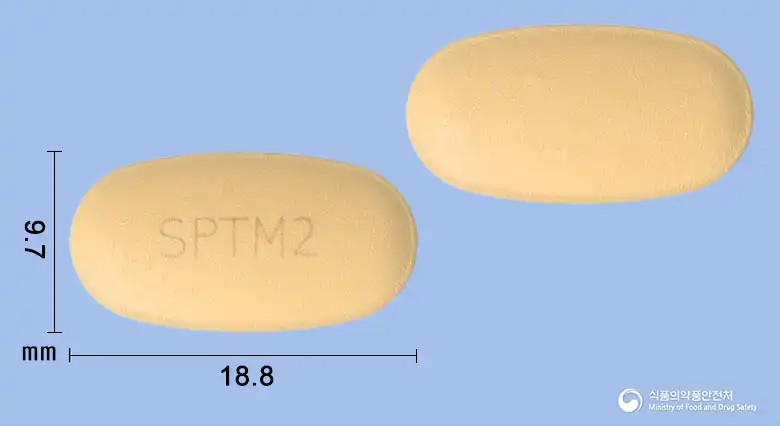 Viewing nowCombination
Teriglmeth Sustained Release Tablet 10/750 mg
Metformin Hydrochloride 750mg · Teneligliptin Ditosylate Dihydrate 18.92mg
Tablet · Prescription medication · Combination
Shinpoong Pharmaceutical Co., Ltd.
MFDS item code 202202741 · Approved 2022.07.01 · Insurance code 648508030
Improvement of blood sugar control in type 2 diabetes
This medicine is used to help control blood sugar in patients with type 2 diabetes. It is particularly effective when combined with teneligliptin and metformin, supplementing dietary and exercise therapies. This helps to improve blood sugar levels and facilitate diabetes management. It is a medication that assists patients in maintaining steady management.
This medicine is generally administered once daily with the evening meal. The 10/750 mg or 10/500 mg sustained release tablets are taken twice daily at a time of 2 tablets simultaneously. The 20/1000 mg sustained release tablet is taken once daily at a time of 1 tablet. To maintain the sustained release properties, this medicine should be swallowed whole without splitting, crushing, grinding, or chewing.
This medicine is a diabetes treatment used to lower blood sugar levels. It should not be used in patients with poor kidney function or severe heart disease. Additionally, it should be temporarily discontinued when there are unstable health conditions such as acute infections, severe trauma, or before and after surgery. This medicine can rarely cause a serious side effect called lactic acidosis, which occurs when excess lactic acid builds up in the body, creating a dangerous condition, so caution is necessary. Symptoms of lactic acidosis include fatigue, muscle pain, difficulty breathing, abdominal pain, and if these symptoms occur, the patient should immediately inform their doctor. This medicine can cause hypoglycemia when taken with insulin or sulfonylurea medications, so patients should be well informed about the symptoms of hypoglycemia and how to respond. Patients with impaired liver function or those who consume excessive alcohol should avoid taking this medicine, and alcohol intake should be avoided during the course of treatment. It is important to regularly check kidney function and vitamin B12 levels through blood tests. During the use of this medicine, if sudden severe abdominal pain, vomiting, skin rash, or difficulty breathing occur, patients should immediately consult healthcare professionals. Women who are pregnant or may become pregnant should not take this medicine, and it is also not recommended for nursing mothers. Older adults are more prone to decreased kidney function, so dosage adjustments and regular kidney function tests are necessary. This medicine can interact with other drugs, so if the patient is taking any other medications, they must inform healthcare providers.
Severe lactic acidosis, severe hypoglycemia, severe allergic reactions (including urticaria), severe skin reaction (similar to bullous pemphigoid, vesicles, erosion), liver abnormalities (liver dysfunction, jaundice), respiratory problems (interstitial pneumonia, difficulty breathing), acute pancreatitis, serious neurological symptoms (cerebral infarction, hepatic coma, confusion, headache, paralysis), severe edema or urinary issues (high blood pressure, generalized edema), cardiovascular collapse (shock), acute myocardial
Not everyone experiences these, and they can vary from person to person.
This medicine must be stored in a tightly closed container to prevent exposure to air or moisture. The storage temperature should be maintained at room temperature between 1 degree and 30 degrees Celsius.
Yellow oval sustained release film-coated tablet
30 tablets/bottle
Even with the same ingredient, strength, dosage form and how it is taken can differ.
Viewing nowCombinationMetformin Hydrochloride 750mg · Teneligliptin Ditosylate Dihydrate 18.92mg
Tablet · Prescription medication · Combination
Shinpoong Pharmaceutical Co., Ltd.
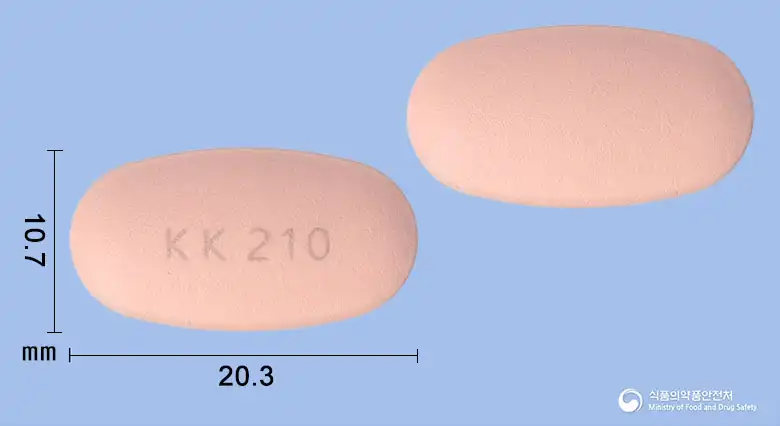 Combination
Metformin Hydrochloride 1000mg · Teneligliptin Ditosylate Dihydrate 37.84mg
Tablet · Prescription medication · Combination
Genewon Science Co., Ltd.
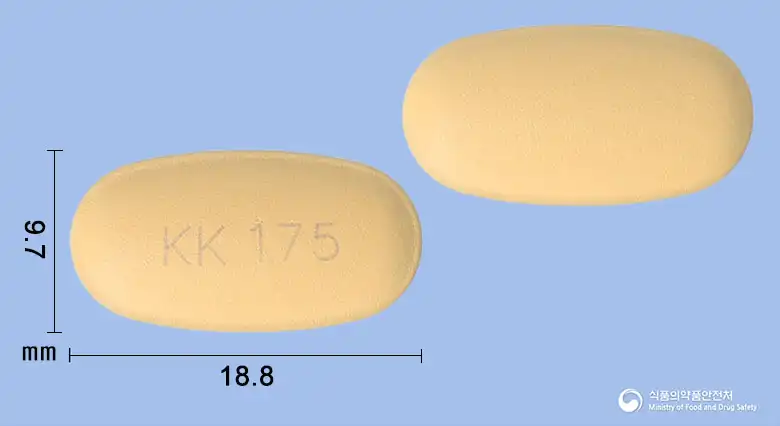 Combination
Metformin Hydrochloride 750mg · Teneligliptin Ditosylate Dihydrate 18.92mg
Tablet · Prescription medication · Combination
Genewon Science Co., Ltd.
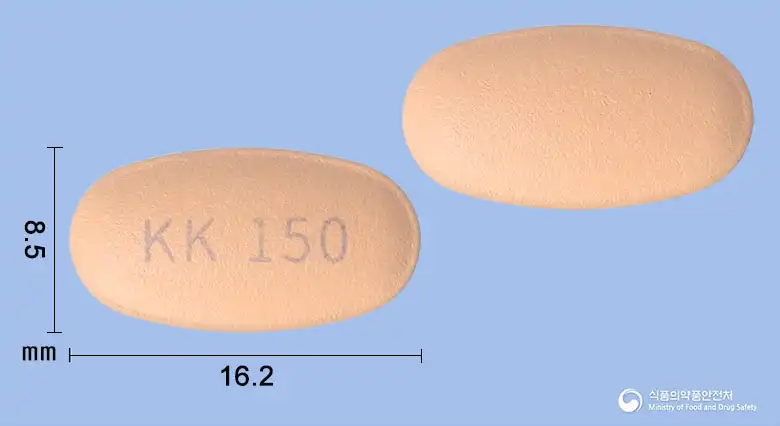 Combination
Metformin Hydrochloride 500mg · Teneligliptin Ditosylate Dihydrate 18.92mg
Tablet · Prescription medication · Combination
Genewon Science Co., Ltd.
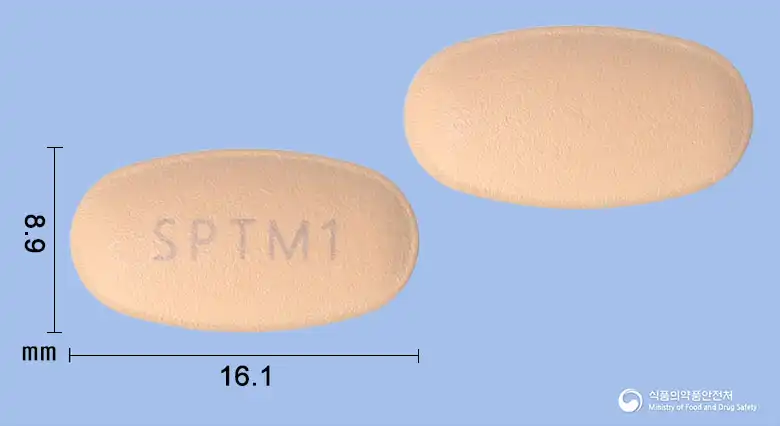 Combination
Metformin Hydrochloride 500mg · Teneligliptin Ditosylate Dihydrate 18.92mg
Tablet · Prescription medication · Combination
Shinpoong Pharmaceutical Co., Ltd.
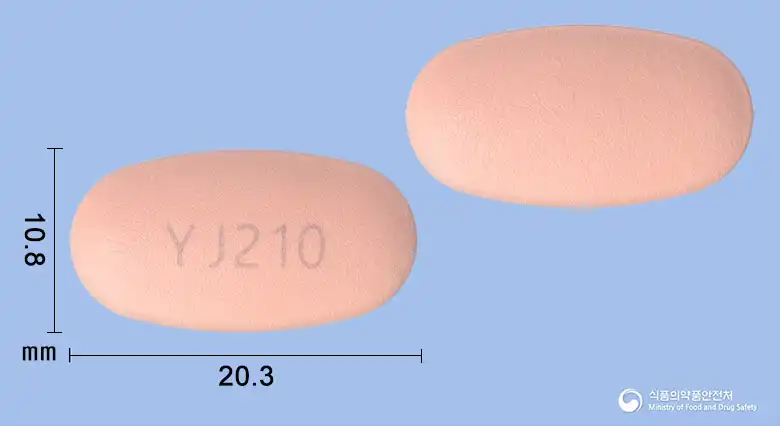 Combination
Metformin Hydrochloride 1000mg · Teneligliptin Ditosylate Dihydrate 37.84mg
Tablet · Prescription medication · Combination
Youngjin Pharmaceutical Co., Ltd.
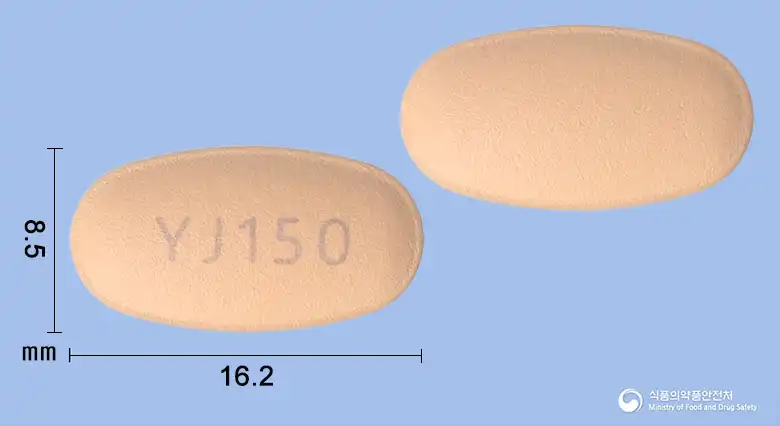 Combination
Metformin Hydrochloride 500mg · Teneligliptin Ditosylate Dihydrate 18.92mg
Tablet · Prescription medication · Combination
Youngjin Pharmaceutical Co., Ltd.
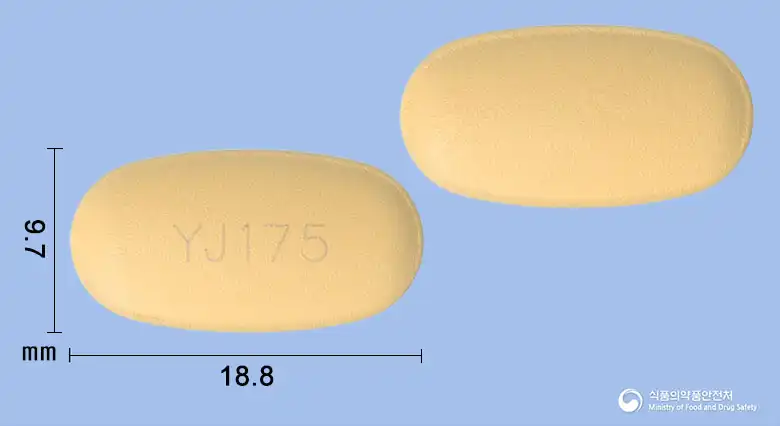 Combination
Metformin Hydrochloride 750mg · Teneligliptin Ditosylate Dihydrate 18.92mg
Tablet · Prescription medication · Combination
Youngjin Pharmaceutical Co., Ltd.
Even with the same ingredient, the dose and directions can differ by strength and dosage form. Talk to a doctor or pharmacist before switching from a medication you are already taking.
No questions yet.
For anything that needs medical judgment, consult a doctor or pharmacist.
This drug information is based on data provided by the Korea Ministry of Food and Drug Safety.
Consult a doctor or pharmacist for accurate dosage, administration, and usage instructions.