
 한국어
한국어 English
 日本語
日本語 中文(简体)
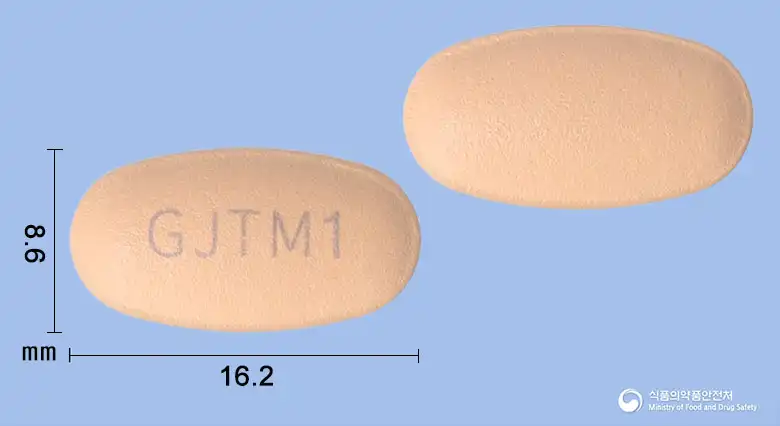 Viewing nowCombination
Teriam Extended-release Tablets 10/500 mg
Metformin Hydrochloride 500mg · Teneligliptin Ditosylate Dihydrate 18.92mg
Tablet · Prescription medication · Combination
Kujoo Pharmaceutical Co., Ltd.
MFDS item code 202202730 · Approved 2022.07.01 · Insurance code 669806290
Improvement of blood sugar control in type 2 diabetes
This medication helps patients with type 2 diabetes achieve better blood sugar control when taken alongside dietary and exercise therapies. The combination of teneligliptin and metformin provides stable management of blood sugar, assisting in diabetes treatment. Thanks to this combined effect, improvement in diabetes symptoms and positive effects in preventing complications can be expected. Therefore, this medication is used for blood sugar control in type 2 diabetes patients.
This medication is generally taken once daily with the evening meal, and the dosage is gradually adjusted to reduce gastrointestinal side effects associated with metformin. The 20/1000 mg extended-release tablet is taken once daily, 1 tablet at a time. Patients taking the 10/750 mg or 10/500 mg extended-release tablets should take 2 tablets at a time, once daily. For patients where adequate blood sugar control is not achievable with metformin monotherapy, the initial dosage of this medication should provide teneligliptin 20 mg once daily along with the existing dosage of metformin. For patients switching from combination therapy of teneligliptin and metformin to this medication, the dosage can be initiated based on the existing dosing of teneligliptin and metformin. When converting from immediate-release metformin to extended-release formulations, blood sugar control must be closely monitored, and dosage adjustments should be made appropriately. When co-administered with sulfonylureas, a reduction of the sulfonylureas may be considered to decrease the risk of hypoglycemia. The maximum recommended daily dosage is teneligliptin 20 mg and extended-release metformin 2000 mg. The safety and efficacy of this medication have not been specifically assessed in patients switching from other hypoglycemic agents. Any changes in treatment for type 2 diabetes can cause alterations in blood sugar control and should be conducted under careful monitoring. To maintain the extended-release characteristics, this medication should be swallowed whole and not divided, crushed, powdered, or chewed.
This medication is used to assist in blood sugar control. However, it should not be used in patients with poor kidney function, heart disease, or impaired liver function. Additionally, this medication can rarely cause a serious condition called lactic acidosis, which can be life-threatening, so caution is required. During the use of this medication, symptoms of hypoglycemia may occur, especially when taken with insulin or other diabetes medications; thus, it is important to closely monitor blood sugar levels. In case of surgery, severe infections, dehydration, vomiting, diarrhea, etc., the use of this medication should be temporarily suspended, and kidney function tests should be performed before resuming treatment. Women who are pregnant, potentially pregnant, or breastfeeding are advised not to take this medication. The risk may increase when this medication is taken with alcohol, so it should be avoided. Furthermore, regular kidney function and blood tests should be performed during the use of this medication to monitor health status. If sudden abdominal pain, vomiting, severe fatigue, or breathing difficulties occur, consult a doctor immediately. Special caution is required for children and the elderly, as the elderly may have impaired kidney function, necessitating dose adjustments and regular testing. This medication may interact with other drugs, so if you are taking other medications, be sure to inform your doctor or pharmacist. Finally, the medication should be stored out of the reach of children, and it is safe not to change the container voluntarily.
Urticaria, severe swelling (edema), chest tightness, difficulty breathing, cold sweat, pallor, severe rash with high fever, blisters, peeling skin, pain in mucosal membranes of mouth or eyes, shortness of breath or difficulty breathing, asthma attacks, respiratory abnormalities with cough and fever, jaundice (yellowing of skin or eyes), profound lethargy, sudden and severe headache, thunderclap headache, seizures, confusion of consciousness, vision abnormalities, paralysis, urine
Not everyone experiences these, and they can vary from person to person.
This medication should be stored in a tightly closed container to avoid exposure to air or moisture. Additionally, it is best to store the medication at room temperature, between 1 to 30 degrees Celsius, away from extreme heat or cold.
Orange oval-shaped extended-release film-coated tablets
30 tablets/bottle
Even with the same ingredient, strength, dosage form and how it is taken can differ.
Viewing nowCombinationMetformin Hydrochloride 500mg · Teneligliptin Ditosylate Dihydrate 18.92mg
Tablet · Prescription medication · Combination
Kujoo Pharmaceutical Co., Ltd.
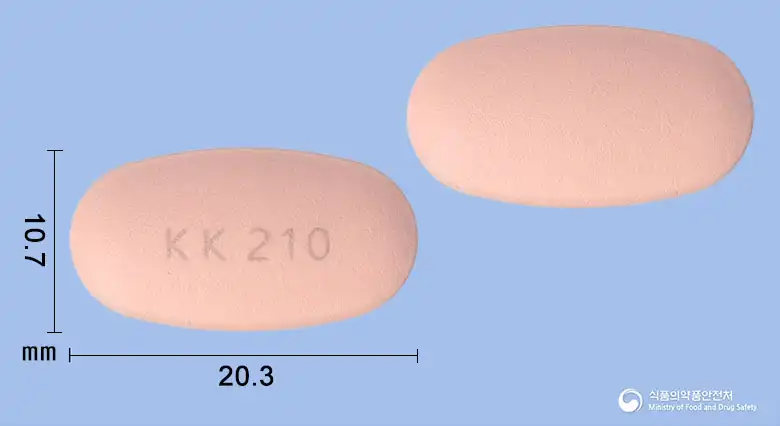 Combination
Metformin Hydrochloride 1000mg · Teneligliptin Ditosylate Dihydrate 37.84mg
Tablet · Prescription medication · Combination
Genewon Science Co., Ltd.
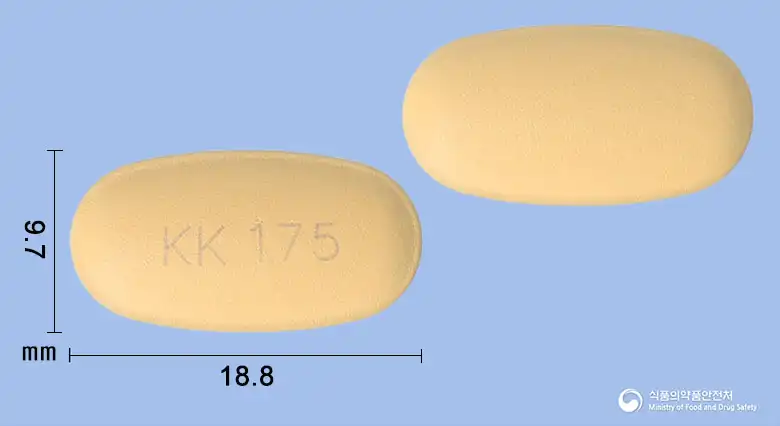 Combination
Metformin Hydrochloride 750mg · Teneligliptin Ditosylate Dihydrate 18.92mg
Tablet · Prescription medication · Combination
Genewon Science Co., Ltd.
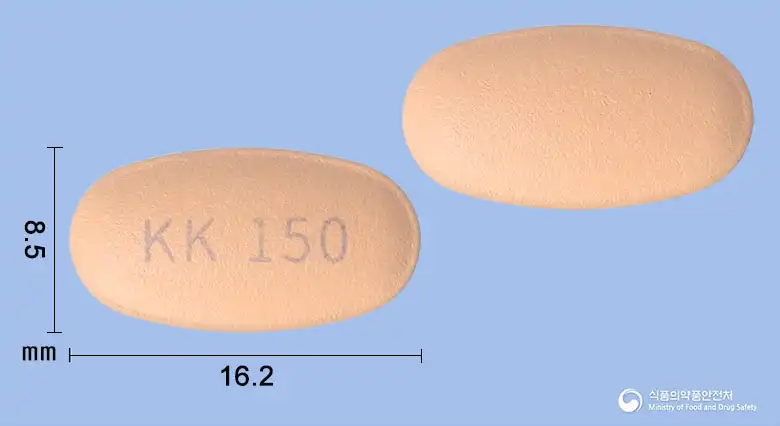 Combination
Metformin Hydrochloride 500mg · Teneligliptin Ditosylate Dihydrate 18.92mg
Tablet · Prescription medication · Combination
Genewon Science Co., Ltd.
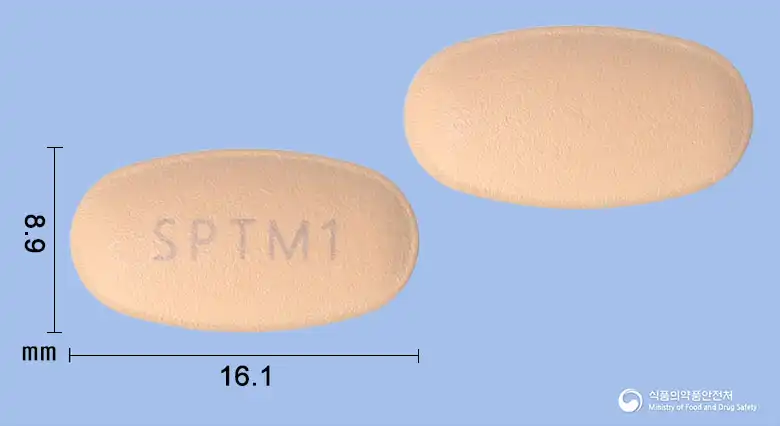 Combination
Metformin Hydrochloride 500mg · Teneligliptin Ditosylate Dihydrate 18.92mg
Tablet · Prescription medication · Combination
Shinpoong Pharmaceutical Co., Ltd.
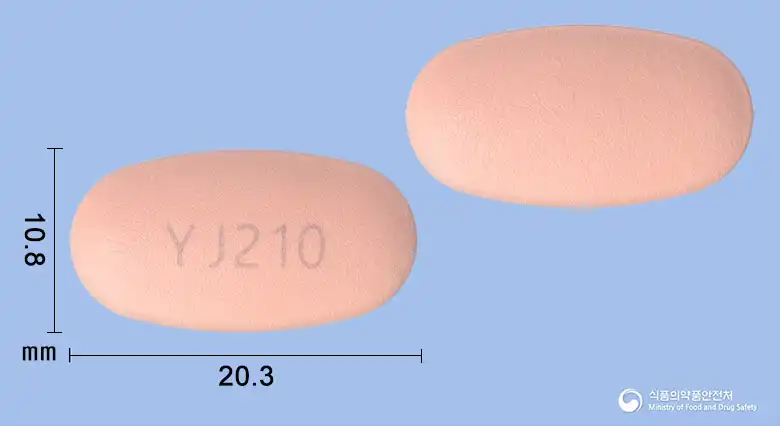 Combination
Metformin Hydrochloride 1000mg · Teneligliptin Ditosylate Dihydrate 37.84mg
Tablet · Prescription medication · Combination
Youngjin Pharmaceutical Co., Ltd.
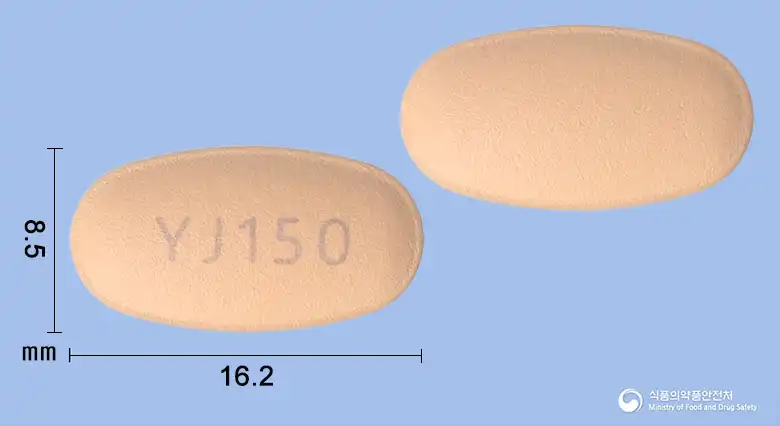 Combination
Metformin Hydrochloride 500mg · Teneligliptin Ditosylate Dihydrate 18.92mg
Tablet · Prescription medication · Combination
Youngjin Pharmaceutical Co., Ltd.
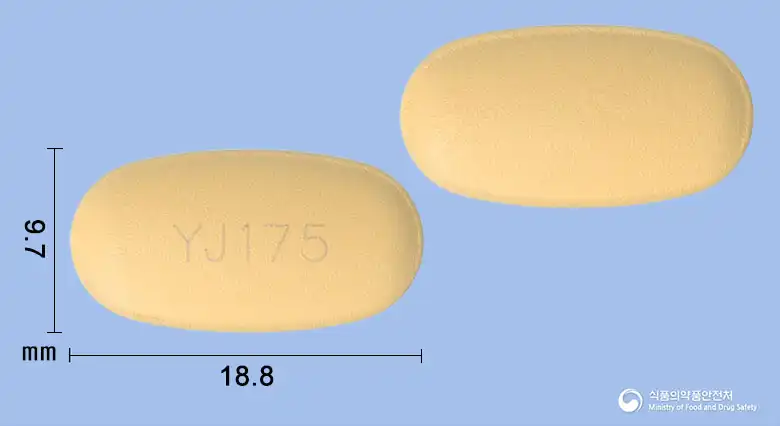 Combination
Metformin Hydrochloride 750mg · Teneligliptin Ditosylate Dihydrate 18.92mg
Tablet · Prescription medication · Combination
Youngjin Pharmaceutical Co., Ltd.
Even with the same ingredient, the dose and directions can differ by strength and dosage form. Talk to a doctor or pharmacist before switching from a medication you are already taking.
No questions yet.
For anything that needs medical judgment, consult a doctor or pharmacist.
This drug information is based on data provided by the Korea Ministry of Food and Drug Safety.
Consult a doctor or pharmacist for accurate dosage, administration, and usage instructions.