
 한국어
한국어 English
 日本語
日本語 中文(简体)
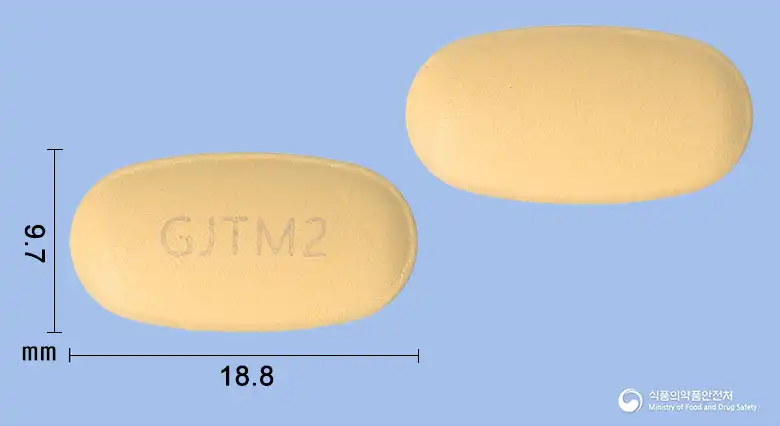 Viewing nowCombination
Teriam Extended Release Tablet 10/750 mg
Metformin Hydrochloride 750mg · Teneligliptin Ditosylate Dihydrate 18.92mg
Tablet · Prescription medication · Combination
KooJoo Pharmaceutical Co., Ltd.
MFDS item code 202202729 · Approved 2022.07.01 · Insurance code 669806280
Improvement of blood glucose control in type 2 diabetes
This medication is used to assist in controlling blood glucose levels in patients with type 2 diabetes in conjunction with diet and exercise therapy. The combination of Teneligliptin and Metformin works together to effectively lower and manage blood glucose levels. Therefore, regular use of this medication can significantly aid in improving blood glucose control.
This medication is generally administered once daily with the evening meal. The 20/1000 mg extended release tablet is taken once daily as one tablet. The 10/750 mg or 10/500 mg extended release tablets are taken once daily as two tablets simultaneously. The initial dosage should provide 20 mg of Teneligliptin once daily along with the current dosage of Metformin. The maximum recommended daily dosage is 20 mg of Teneligliptin and.
This medication aids in controlling blood glucose levels. However, it should not be administered to patients with impaired kidney function or heart disease. Additionally, this medication should be discontinued before examinations using iodinated contrast agents, and can be resumed only after confirming normal kidney function. It is also advisable that pregnant women or women of childbearing potential, as well as patients with liver dysfunction, avoid using this medication. This medication can occasionally cause serious side effects such as hypoglycemia, gastrointestinal disturbances, liver dysfunction, and acute pancreatitis, so patients should consult a doctor immediately if symptoms occur. Particularly, the risk of hypoglycemia may increase when taken with other diabetes medications, so caution is needed. Regular monitoring of kidney and liver function and checking vitamin B12 levels is recommended during the use of this medication. Alcohol consumption should be avoided as it may increase the risk of lactic acidosis. Moreover, the medication should be temporarily discontinued during surgeries or when health conditions deteriorate due to severe infections or trauma. Elderly patients or those taking specific medications should also exercise caution, and both the patients and their families should be well aware of the symptoms of hypoglycemia and lactic acidosis. While taking this medication, patients should follow the doctor's instructions and inform healthcare professionals immediately of any abnormal symptoms.
Hives, severe swelling, chest tightness, difficulty breathing, cold sweat, paleness, severe rash with high fever, blisters, skin peeling, pain in oral/ocular mucosa, shortness of breath or difficulty breathing, asthma attack, respiratory anomalies accompanied by cough and fever, yellowing of skin or eyes (jaundice), extreme lethargy, sudden and severe headache, thunderclap headache, seizures, confusion, visual disturbances, paralysis, decreased urine output.
Not everyone experiences these, and they can vary from person to person.
This medication may be sensitive to air and moisture, so it must be stored in a tightly sealed container. It is recommended to maintain the storage temperature between 1 and 30 degrees Celsius at room temperature. This helps to preserve the efficacy of the medication for an extended period.
Yellow oval-shaped extended release film-coated tablet
30 tablets/bottle
Even with the same ingredient, strength, dosage form and how it is taken can differ.
Viewing nowCombinationMetformin Hydrochloride 750mg · Teneligliptin Ditosylate Dihydrate 18.92mg
Tablet · Prescription medication · Combination
KooJoo Pharmaceutical Co., Ltd.
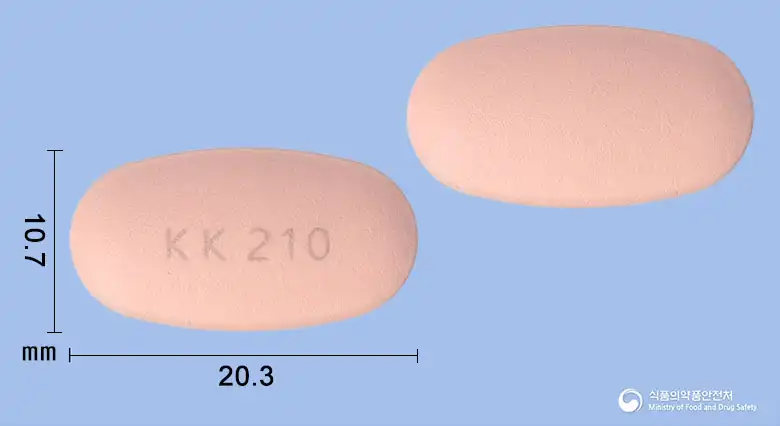 Combination
Metformin Hydrochloride 1000mg · Teneligliptin Ditosylate Dihydrate 37.84mg
Tablet · Prescription medication · Combination
Genewon Science Co., Ltd.
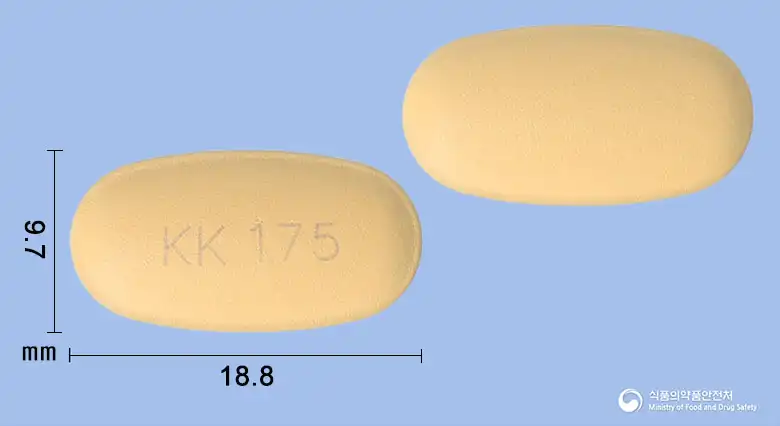 Combination
Metformin Hydrochloride 750mg · Teneligliptin Ditosylate Dihydrate 18.92mg
Tablet · Prescription medication · Combination
Genewon Science Co., Ltd.
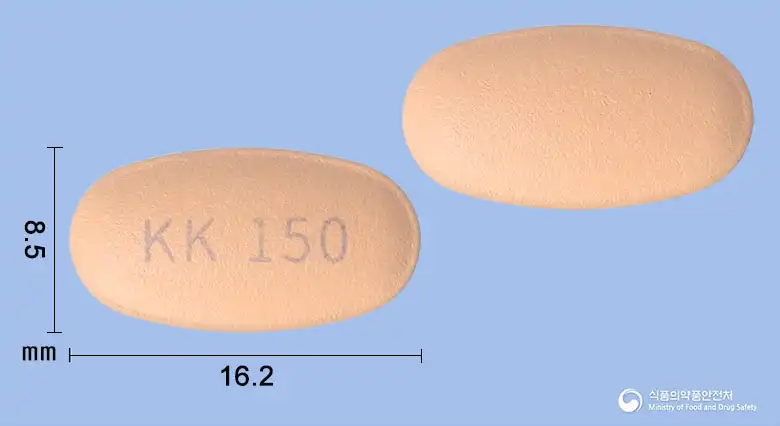 Combination
Metformin Hydrochloride 500mg · Teneligliptin Ditosylate Dihydrate 18.92mg
Tablet · Prescription medication · Combination
Genewon Science Co., Ltd.
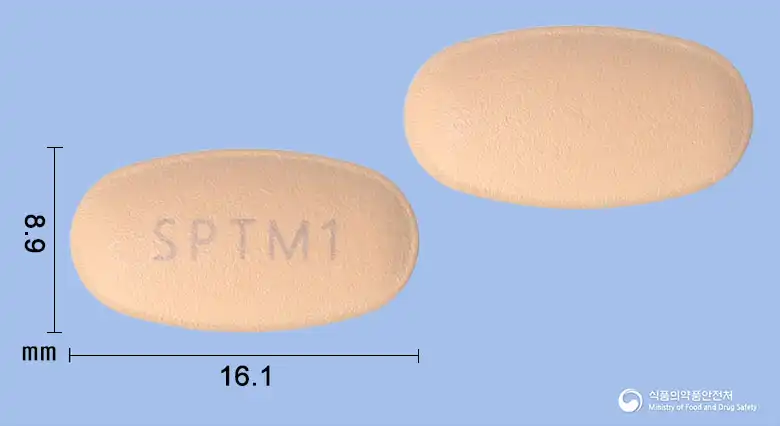 Combination
Metformin Hydrochloride 500mg · Teneligliptin Ditosylate Dihydrate 18.92mg
Tablet · Prescription medication · Combination
Shinpoong Pharmaceutical Co., Ltd.
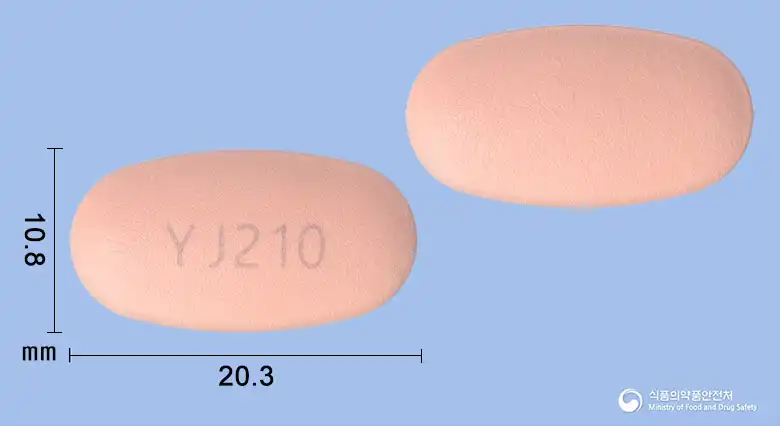 Combination
Metformin Hydrochloride 1000mg · Teneligliptin Ditosylate Dihydrate 37.84mg
Tablet · Prescription medication · Combination
Youngjin Pharmaceutical Co., Ltd.
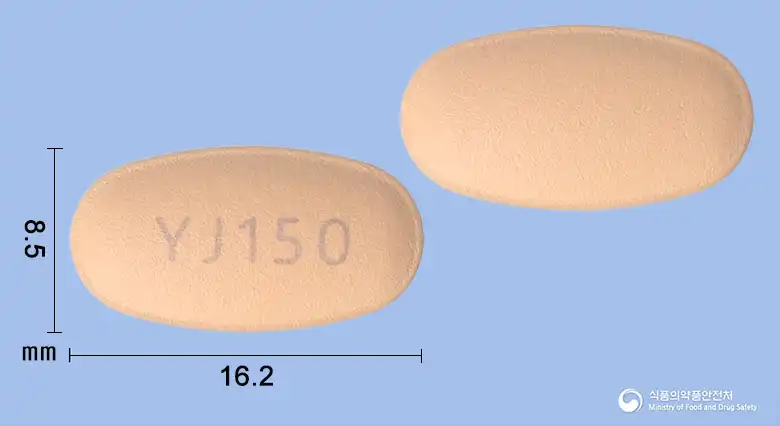 Combination
Metformin Hydrochloride 500mg · Teneligliptin Ditosylate Dihydrate 18.92mg
Tablet · Prescription medication · Combination
Youngjin Pharmaceutical Co., Ltd.
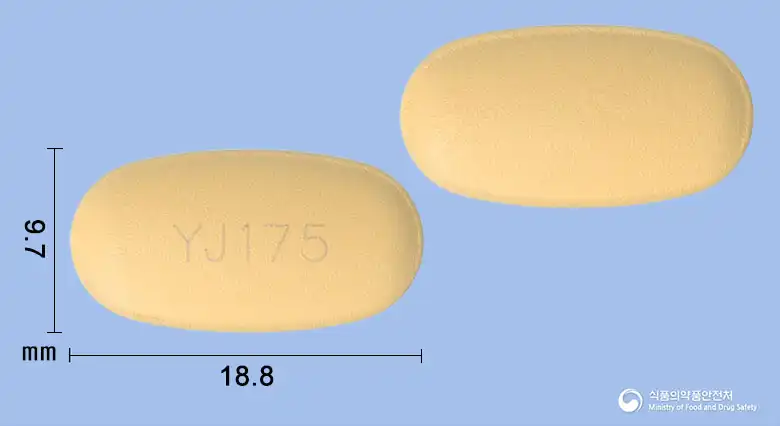 Combination
Metformin Hydrochloride 750mg · Teneligliptin Ditosylate Dihydrate 18.92mg
Tablet · Prescription medication · Combination
Youngjin Pharmaceutical Co., Ltd.
Even with the same ingredient, the dose and directions can differ by strength and dosage form. Talk to a doctor or pharmacist before switching from a medication you are already taking.
No questions yet.
For anything that needs medical judgment, consult a doctor or pharmacist.
This drug information is based on data provided by the Korea Ministry of Food and Drug Safety.
Consult a doctor or pharmacist for accurate dosage, administration, and usage instructions.