
 한국어
한국어 English
 日本語
日本語 中文(简体)
 Viewing nowCombination
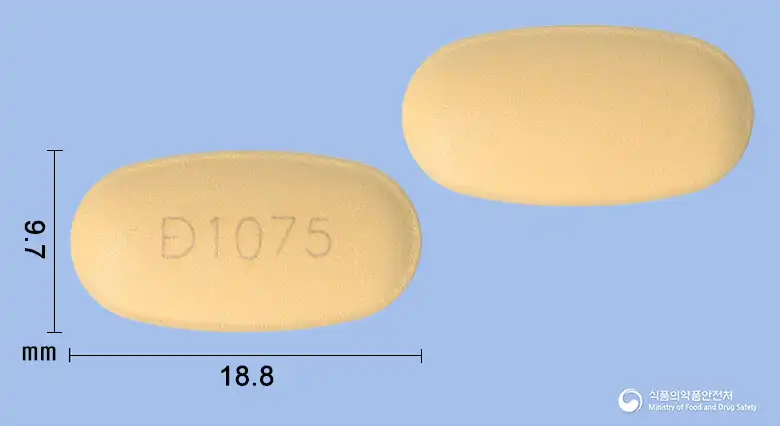
Tenelrode M Extended Release Tablets 10/750 mg
Metformin Hydrochloride 750mg · Teneligliptin Ditosylate Dihydrate 18.92mg
Tablet · Prescription medication · Combination
Daewoong Bio Co., Ltd.
MFDS item code 202202723 · Approved 2022.07.01 · Insurance code 694003810
Improvement of blood sugar control in type 2 diabetes
This medication is used to improve blood sugar control in patients with type 2 diabetes. It is particularly suitable for patients taking both Teneligliptin and Metformin, and plays a supportive role in dietary and exercise management. This helps effectively manage blood sugar levels to maintain a healthy lifestyle.
The dosage of this medication is determined based on each patient's current treatment regimen, efficacy, and tolerability. Generally, it is administered once a day with the evening meal, and the dosage is adjusted gradually to reduce gastrointestinal side effects related to metformin. The 20/1000 mg extended-release tablet is taken once a day, 1 tablet at a time. For those taking the 10/750 mg or 10/500 mg extended-release tablets, it is taken once a day, 2 tablets at a time. The initial dosage for patients who cannot achieve sufficient blood sugar control with metformin monotherapy is to provide 20 mg of Teneligliptin once daily along with the existing dosage of metformin. For patients transitioning to this medication from a combination therapy of Teneligliptin and Metformin, the dose may start with the existing dosages of Teneligliptin and Metformin. When transitioning from metformin immediate-release to extended-release formulations, blood sugar control should be closely monitored and the dosage adjusted accordingly. When co-administered with sulfonylureas, a reduction in sulfonylurea dosage can be considered to reduce the risk of hypoglycemia. The maximum recommended daily dose is 20 mg of Teneligliptin and 2000 mg of extended-release metformin. The safety and efficacy of this medication have not been specifically evaluated in patients transitioning from other blood sugar-lowering agents. Any changes in the treatment of type 2 diabetes that may affect blood sugar control should be carefully monitored. To maintain the extended-release characteristics, this medication should be swallowed whole and not divided, crushed, chewed, or broken.
This medication is used in the treatment of diabetes and has the effect of lowering blood sugar. However, it can very rarely cause a serious condition called lactic acidosis, which means excessive accumulation of lactic acid in the body can lead to dangerous situations. It should not be administered in patients with poor kidney function or those with heart disease or liver impairment, and it should be temporarily discontinued before and after examination using radiocontrast iodine. Furthermore, it is not to be used in patients with type 1 diabetes or acute metabolic acidosis. During the use of this medication, hypoglycemic symptoms may occur, so caution is advised when taken with insulin or other antihyperglycemic agents, as the risk of hypoglycemia may increase. Patients with a history of abdominal surgery, heart disease, or pancreatitis should also use this drug with caution. This medication requires attention in patients with liver dysfunction, respiratory impairment, excessive alcohol consumption, dehydration, vomiting, diarrhea, and other conditions. It is recommended not to use it in women who are pregnant or may become pregnant. While taking this medication, regular checks on kidney and liver function should be conducted to ensure there are no abnormalities, and vitamin B12 levels should also be monitored periodically. If severe abdominal pain, vomiting, difficulty breathing, or weakness occurs, consult a physician immediately. Additionally, this medication may interact with other drugs, so be sure to inform healthcare professionals of any other medications being taken. In case of overdose, visit a hospital immediately for appropriate treatment. Finally, store this medication out of reach of children and do not change containers arbitrarily.
Hives, severe swelling, allergic dermatitis, chest tightness, difficulty breathing, cold sweat, pallor, severe rash with fever, blisters, skin peeling, pain in mucous membranes of mouth/eyes, severe skin reactions, shortness of breath or difficulty breathing, asthma attacks, respiratory abnormalities accompanied by cough and fever, yellowing of the skin or eyes (jaundice), extreme lethargy, liver dysfunction (jaundice), sudden and severe headache, lightning-like
Not everyone experiences these, and they can vary from person to person.
This medication may be sensitive to air or moisture, so it should be stored in a tightly sealed container. Additionally, it should be kept away from extremely cold or hot places and stored at a temperature between 1 and 30 degrees Celsius.
Yellow oval-shaped extended-release film-coated tablet
30 tablets/bottle, 300 tablets/bottle
Even with the same ingredient, strength, dosage form and how it is taken can differ.
Viewing nowCombinationMetformin Hydrochloride 750mg · Teneligliptin Ditosylate Dihydrate 18.92mg
Tablet · Prescription medication · Combination
Daewoong Bio Co., Ltd.
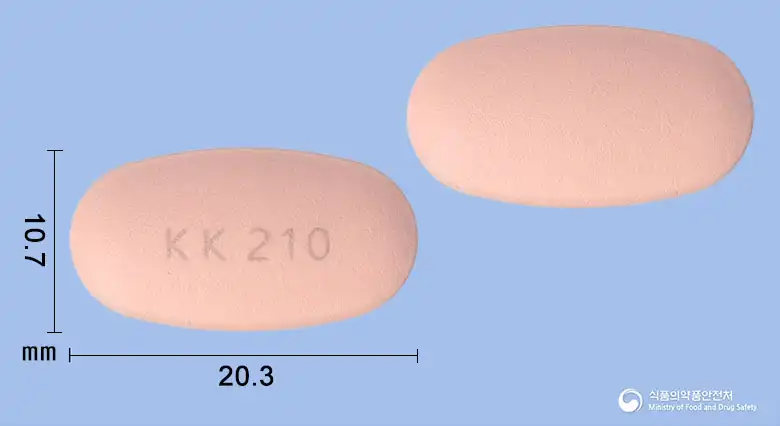 Combination
Metformin Hydrochloride 1000mg · Teneligliptin Ditosylate Dihydrate 37.84mg
Tablet · Prescription medication · Combination
Genewon Science Co., Ltd.
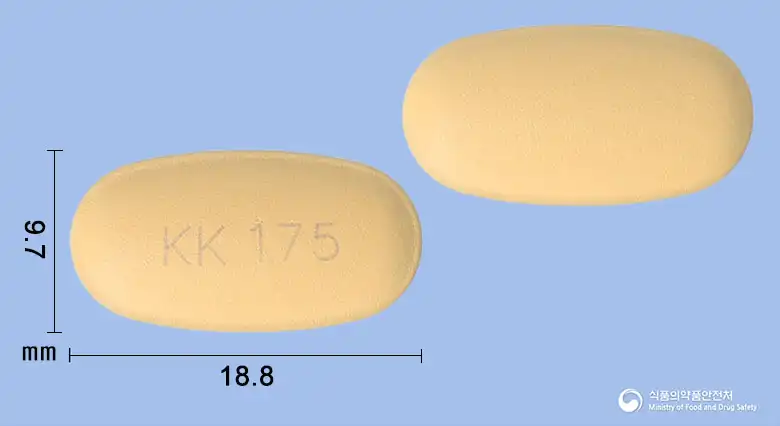 Combination
Metformin Hydrochloride 750mg · Teneligliptin Ditosylate Dihydrate 18.92mg
Tablet · Prescription medication · Combination
Genewon Science Co., Ltd.
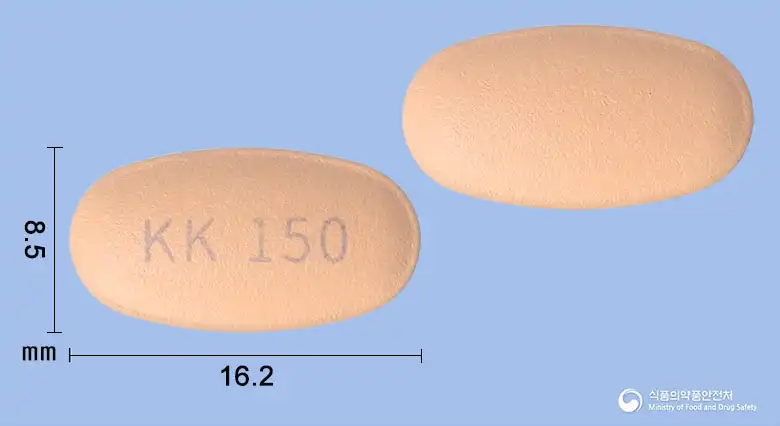 Combination
Metformin Hydrochloride 500mg · Teneligliptin Ditosylate Dihydrate 18.92mg
Tablet · Prescription medication · Combination
Genewon Science Co., Ltd.
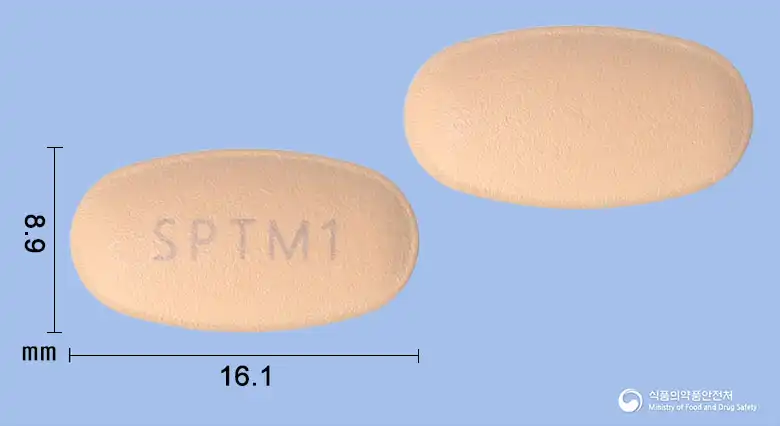 Combination
Metformin Hydrochloride 500mg · Teneligliptin Ditosylate Dihydrate 18.92mg
Tablet · Prescription medication · Combination
Shinpoong Pharmaceutical Co., Ltd.
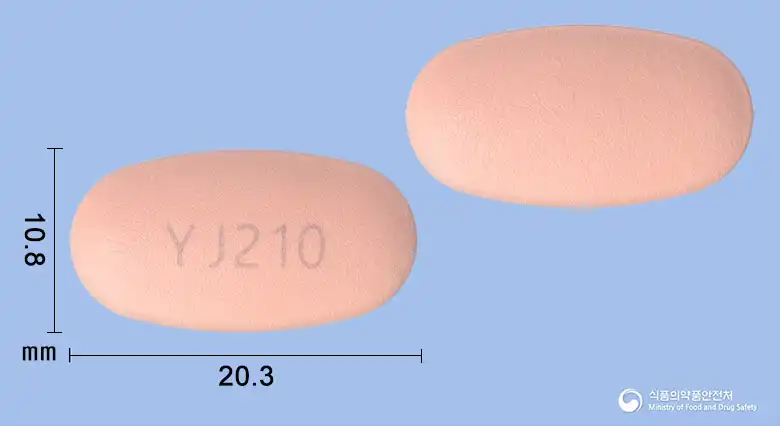 Combination
Metformin Hydrochloride 1000mg · Teneligliptin Ditosylate Dihydrate 37.84mg
Tablet · Prescription medication · Combination
Youngjin Pharmaceutical Co., Ltd.
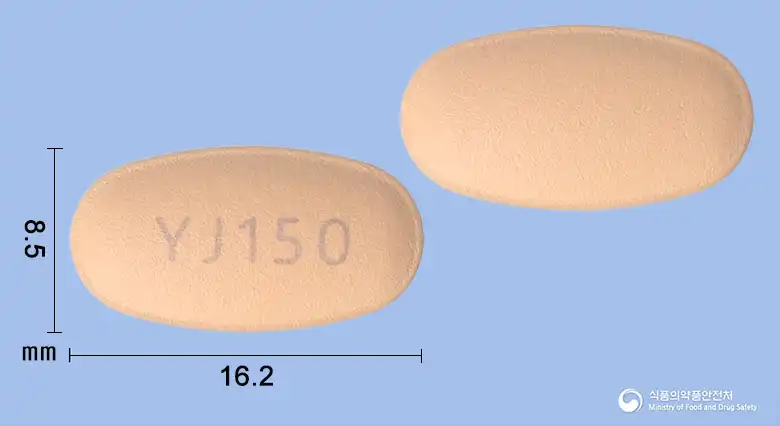 Combination
Metformin Hydrochloride 500mg · Teneligliptin Ditosylate Dihydrate 18.92mg
Tablet · Prescription medication · Combination
Youngjin Pharmaceutical Co., Ltd.
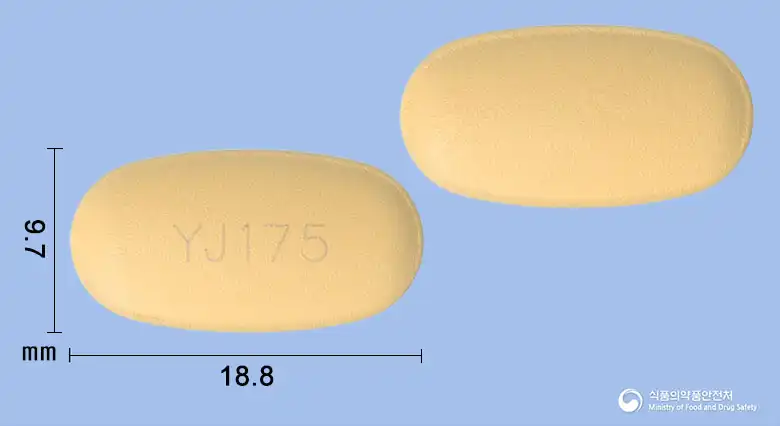 Combination
Metformin Hydrochloride 750mg · Teneligliptin Ditosylate Dihydrate 18.92mg
Tablet · Prescription medication · Combination
Youngjin Pharmaceutical Co., Ltd.
Even with the same ingredient, the dose and directions can differ by strength and dosage form. Talk to a doctor or pharmacist before switching from a medication you are already taking.
No questions yet.
For anything that needs medical judgment, consult a doctor or pharmacist.
This drug information is based on data provided by the Korea Ministry of Food and Drug Safety.
Consult a doctor or pharmacist for accurate dosage, administration, and usage instructions.