
 한국어
한국어 English
 日本語
日本語 中文(简体)
 Viewing nowCombination
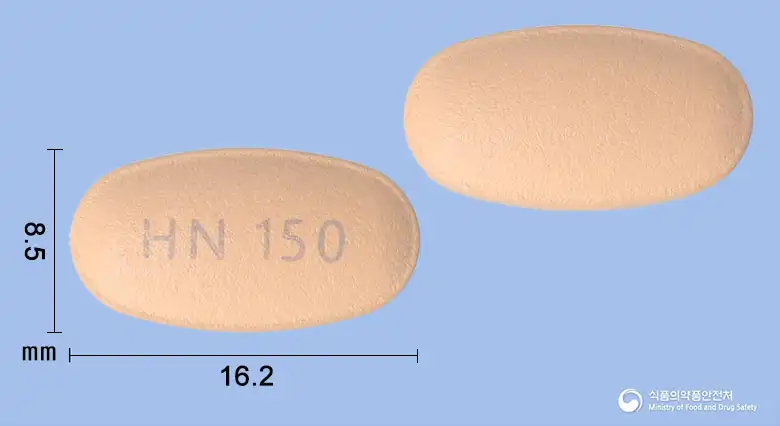
Terium M Sustained-Release Tablet 10/500 mg
Metformin Hydrochloride 500mg · Teneligliptin Ditosylate Dihydrate 18.92mg
Tablet · Prescription medication · Combination
Hana Pharmaceutical Co., Ltd.
MFDS item code 202202712 · Approved 2022.07.01 · Insurance code 657807740
Improvement of blood sugar control in type 2 diabetes
This medication is used to assist patients with type 2 diabetes in controlling their blood sugar when taken in combination with teneligliptin and metformin. It significantly helps in maintaining stable blood sugar levels while implementing dietary and exercise regimens. This is effective in improving the health of those who have difficulty managing their blood sugar. Therefore, this medication is used to enhance blood sugar control in patients with type 2 diabetes.
This medication is generally administered once daily with the evening meal. For the sustained-release formulation of this medication at 20/1000 mg, take 1 tablet once daily. For the sustained-release formulation of this medication at 10/750 mg or 10/500 mg, take 2 tablets simultaneously once daily. The initial dosage should include 20 mg of teneligliptin once daily along with the patient’s existing dose of metformin. The maximum recommended dosage per day is 20 mg of teneligliptin and.
This medication can very rarely cause a serious condition called lactic acidosis. Lactic acidosis can occur when there is an excessive accumulation of lactate in the body, which can become dangerous and sometimes life-threatening. Caution should be exercised when taking this medication in combination with insulin or sulfonylurea medications, as hypoglycemia may occur. Hypoglycemia can lead to dizziness, trembling, and in severe cases, decreased consciousness due to extremely low blood sugar levels. Patients with moderate to severe renal impairment or heart issues, and in situations where acute renal failure is a concern, should not take this medication. Prior to receiving tests using radiocontrast iodine, this medication should be discontinued at least 48 hours in advance, and should only be resumed once renal function has returned to normal. Patients with type 1 diabetes, those in metabolic acidosis, and patients allergic to any of the drug components should also refrain from taking this medication. In cases of poor physical condition due to surgery, severe infections, or serious trauma, the medication should be temporarily suspended until the patient's condition improves. It is also advisable not to administer this medication to patients with impaired liver function, severe lung diseases, or those who consume alcohol excessively. Women who are pregnant or may become pregnant should not take this medication, and caution should be exercised during breastfeeding. While taking this medication, regular checks of renal function and blood tests should be conducted to monitor for any abnormalities. Patients who are elderly or have reduced renal function may require more frequent testing. If symptoms of hypoglycemia occur, consume foods containing sugar immediately, and if symptoms are severe, consult a healthcare professional. This medication can occasionally lead to side effects such as abdominal pain, constipation, nausea, dizziness, and may rarely cause acute pancreatitis, interstitial pneumonia, or skin rashes, so any unusual symptoms should be promptly reported to a healthcare provider. Alcohol consumption may increase the risk of lactic acidosis, hence it is advisable to avoid drinking while on this medication. Furthermore, this medication may interact with other diabetes medications, so it is essential to inform a healthcare provider about any other medications being taken. Patients engaged in tasks requiring concentration, such as operating machinery or driving a vehicle, should particularly be aware of symptoms of hypoglycemia or lactic acidosis. In case of an overdose, visit a medical facility immediately for appropriate treatment, which may include blood dialysis to remove the drug. This medication should be kept out of reach of children, and it is advisable not to transfer it to other containers.
Hypoglycemia, lactic acidosis, liver dysfunction, interstitial pneumonia, pseudo-bullous dermatitis, acute pancreatitis, liver abnormalities (jaundice), severe allergic reactions (urticaria, severe swelling, chest tightness, difficulty breathing, cold sweat, pallor), respiratory problems (shortness of breath or difficulty breathing, asthma attacks, respiratory abnormalities accompanied by cough + fever), severe neurological symptoms (sudden and very severe headache, thunderclap headache, seizures, confusion of consciousness, visual disturbances,
Not everyone experiences these, and they can vary from person to person.
This medication may be sensitive to air and moisture, so it should be stored in a tightly sealed container. The storage temperature should be maintained between 1 and 30 degrees Celsius to ensure the medication remains effective for a long time.
Orange oval sustained-release film-coated tablet
30 tablets/bottle
Even with the same ingredient, strength, dosage form and how it is taken can differ.
Viewing nowCombinationMetformin Hydrochloride 500mg · Teneligliptin Ditosylate Dihydrate 18.92mg
Tablet · Prescription medication · Combination
Hana Pharmaceutical Co., Ltd.
 Combination
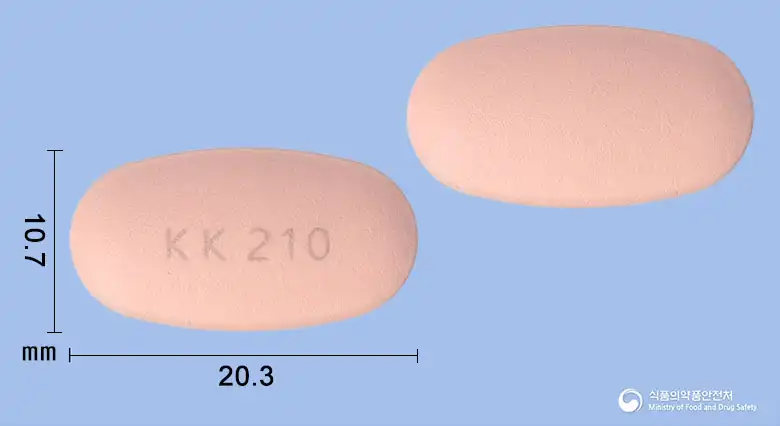
Metformin Hydrochloride 1000mg · Teneligliptin Ditosylate Dihydrate 37.84mg
Tablet · Prescription medication · Combination
Genewon Science Co., Ltd.
 Combination
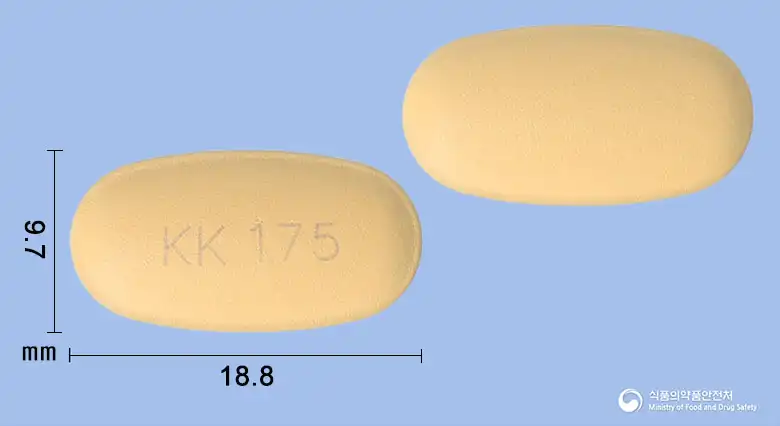
Metformin Hydrochloride 750mg · Teneligliptin Ditosylate Dihydrate 18.92mg
Tablet · Prescription medication · Combination
Genewon Science Co., Ltd.
 Combination
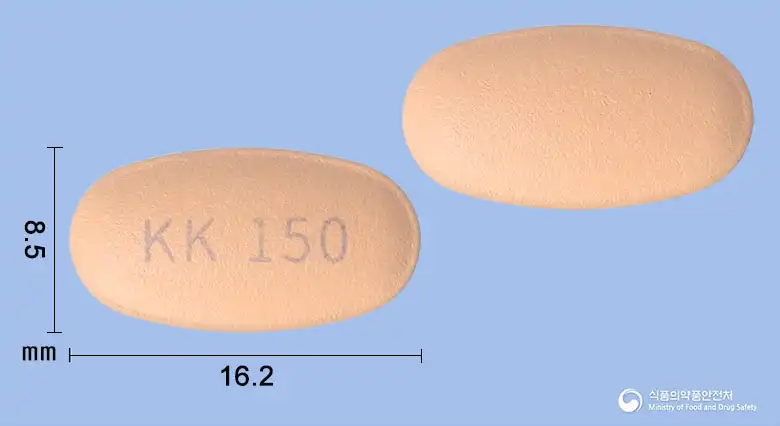
Metformin Hydrochloride 500mg · Teneligliptin Ditosylate Dihydrate 18.92mg
Tablet · Prescription medication · Combination
Genewon Science Co., Ltd.
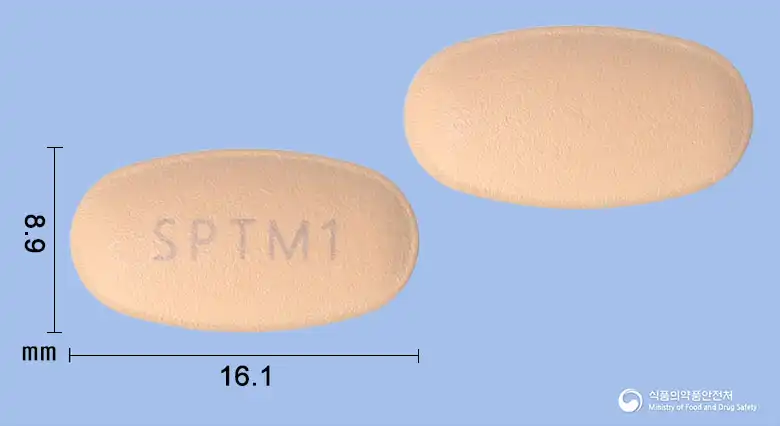 Combination
Metformin Hydrochloride 500mg · Teneligliptin Ditosylate Dihydrate 18.92mg
Tablet · Prescription medication · Combination
Shinpoong Pharmaceutical Co., Ltd.
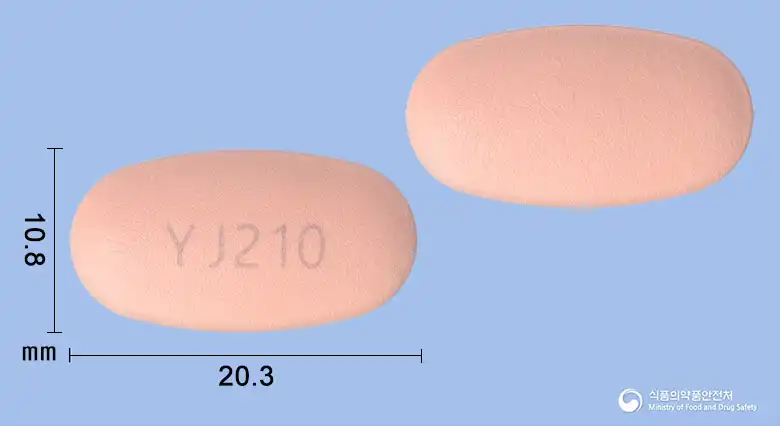 Combination
Metformin Hydrochloride 1000mg · Teneligliptin Ditosylate Dihydrate 37.84mg
Tablet · Prescription medication · Combination
Youngjin Pharmaceutical Co., Ltd.
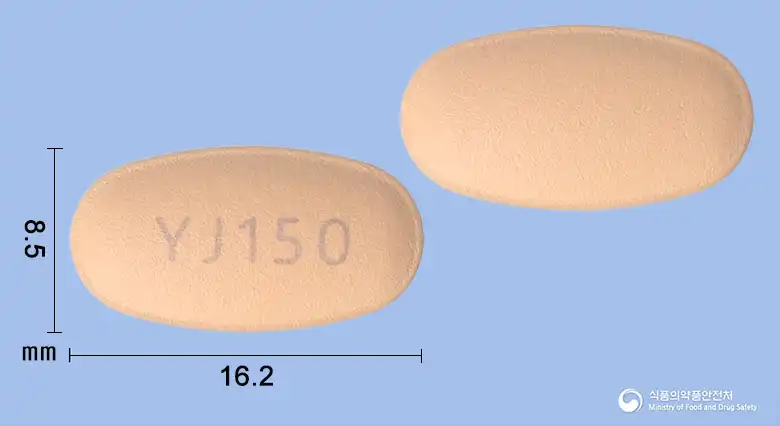 Combination
Metformin Hydrochloride 500mg · Teneligliptin Ditosylate Dihydrate 18.92mg
Tablet · Prescription medication · Combination
Youngjin Pharmaceutical Co., Ltd.
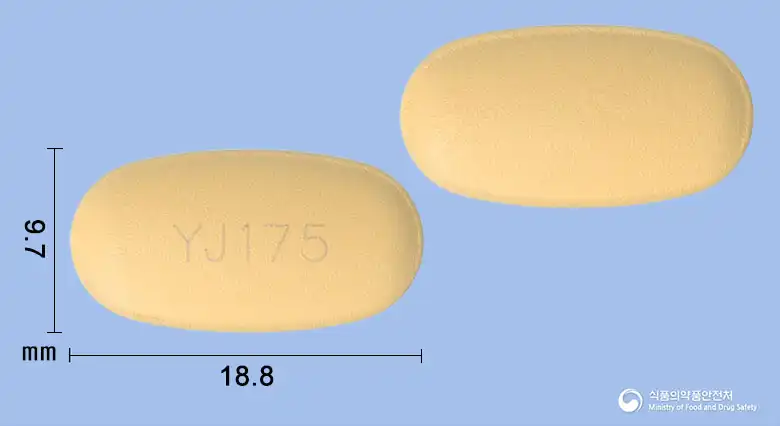 Combination
Metformin Hydrochloride 750mg · Teneligliptin Ditosylate Dihydrate 18.92mg
Tablet · Prescription medication · Combination
Youngjin Pharmaceutical Co., Ltd.
Even with the same ingredient, the dose and directions can differ by strength and dosage form. Talk to a doctor or pharmacist before switching from a medication you are already taking.
No questions yet.
For anything that needs medical judgment, consult a doctor or pharmacist.
This drug information is based on data provided by the Korea Ministry of Food and Drug Safety.
Consult a doctor or pharmacist for accurate dosage, administration, and usage instructions.