
 한국어
한국어 English
 日本語
日本語 中文(简体)
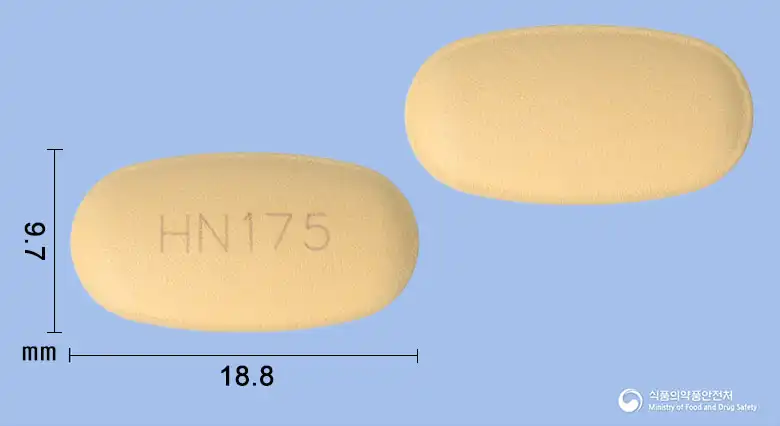 Viewing nowCombination
Terium M Extended Release Tablet 10/750 mg
Metformin Hydrochloride 750mg · Teneligliptin Ditosylate Dihydrate 18.92mg
Tablet · Prescription medication · Combination
Hana Pharmaceutical Co., Ltd.
MFDS item code 202202711 · Approved 2022.07.01 · Insurance code 657807720
Improvement of blood glucose control in Type 2 diabetes
This medication is used to aid blood glucose control in patients with Type 2 diabetes suitable for the combined treatment of Teneligliptin and Metformin. It effectively helps manage blood sugar when combined with dietary and exercise therapies. In other words, this drug enhances blood glucose control alongside lifestyle improvements to assist in the treatment of Type 2 diabetes.
This medication is generally administered once daily with the evening meal. This drug 20/1000 mg extended-release tablet is taken once daily, 1 tablet at a time. Patients taking this drug 10/750 mg or 10/500 mg extended-release tablets should take 2 tablets at once once daily. The maximum recommended daily dosage is 20 mg of Teneligliptin and 2000 mg of extended-release Metformin. To maintain its extended-release properties, this medication should not be split, crushed, chewed, or altered.
This medication is used for the treatment of diabetes and assists in blood sugar control. There is a risk of developing a rare side effect known as lactic acidosis, which can occur when taking this medication, and caution is advised. Lactic acidosis is a condition where lactic acid accumulates excessively in the body, which can be dangerous and may pose a threat to life if left untreated. Patients with impaired kidney function, heart disease, acute infections, or severe trauma should not use this medication. Additionally, if you are scheduled for tests using radiographic contrast agents, you should discontinue this medication 48 hours prior to testing and resume only after confirming normal kidney function. It is also safest for pregnant women or women who may become pregnant, patients with impaired liver function, malnourished patients, or those who are dehydrated to avoid taking this medication. There may be an increased risk of hypoglycemia when used with other diabetes treatments, so it is important to be aware of the symptoms of hypoglycemia and how to respond to them. If unusual symptoms such as sudden abdominal pain, vomiting, severe fatigue, shortness of breath, or dizziness occur, you should consult a doctor immediately. This medication requires dosage adjustment based on kidney function, and regular kidney function tests should be performed, especially for elderly patients or those with reduced renal function. It is advised to avoid alcohol consumption during treatment, and regular blood tests are recommended as vitamin B12 levels may decrease. This medication is not recommended for breastfeeding women, and safety in pediatric patients has not been established. In case of overdose, seek immediate medical attention for appropriate treatment, and blood dialysis may be needed in some cases. Store this medication out of the reach of children and avoid transferring it to other containers. During treatment, it is necessary to periodically monitor liver function, kidney function, and blood glucose levels, and if any unusual symptoms occur, consult healthcare personnel immediately.
Not everyone experiences these, and they can vary from person to person.
This medication should be stored in a tightly sealed container to protect it from air and moisture. It is best to maintain the storage temperature between 1 and 30 degrees Celsius at room temperature.
Yellow oval-shaped extended-release film-coated tablets
30 tablets/bottle
Even with the same ingredient, strength, dosage form and how it is taken can differ.
Viewing nowCombinationMetformin Hydrochloride 750mg · Teneligliptin Ditosylate Dihydrate 18.92mg
Tablet · Prescription medication · Combination
Hana Pharmaceutical Co., Ltd.
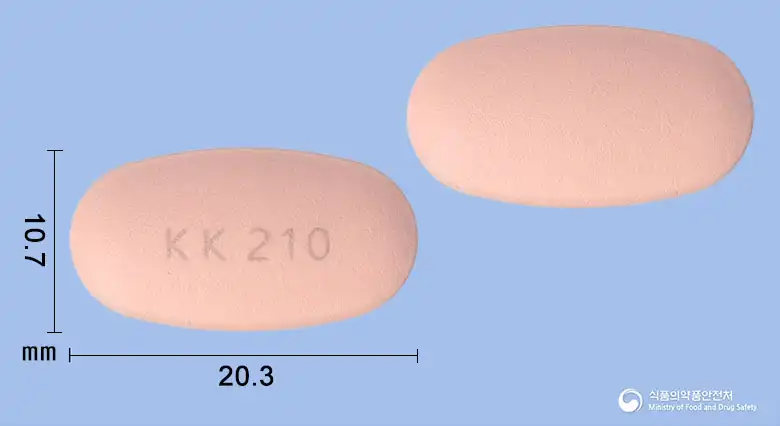 Combination
Metformin Hydrochloride 1000mg · Teneligliptin Ditosylate Dihydrate 37.84mg
Tablet · Prescription medication · Combination
Genewon Science Co., Ltd.
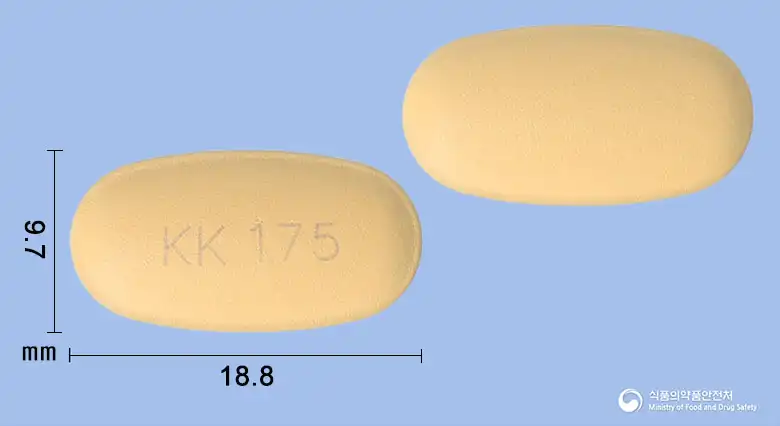 Combination
Metformin Hydrochloride 750mg · Teneligliptin Ditosylate Dihydrate 18.92mg
Tablet · Prescription medication · Combination
Genewon Science Co., Ltd.
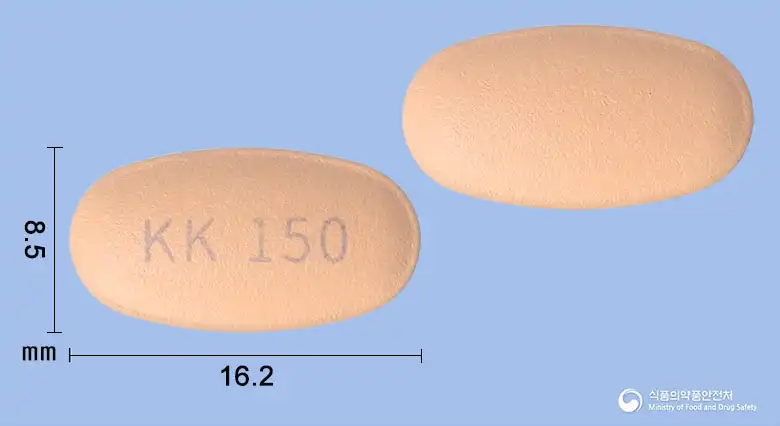 Combination
Metformin Hydrochloride 500mg · Teneligliptin Ditosylate Dihydrate 18.92mg
Tablet · Prescription medication · Combination
Genewon Science Co., Ltd.
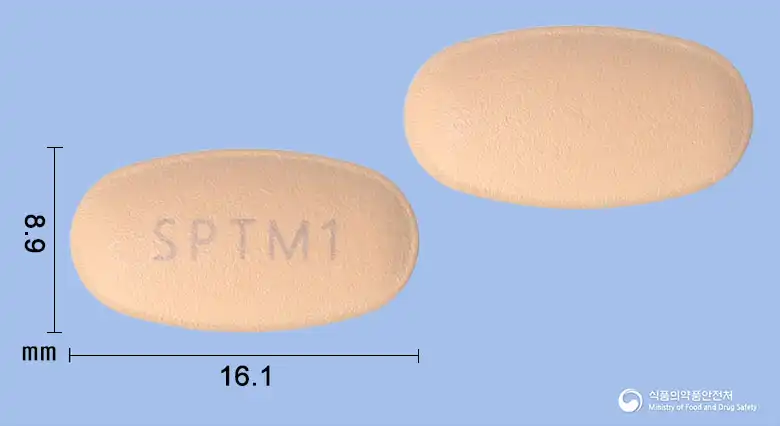 Combination
Metformin Hydrochloride 500mg · Teneligliptin Ditosylate Dihydrate 18.92mg
Tablet · Prescription medication · Combination
Shinpoong Pharmaceutical Co., Ltd.
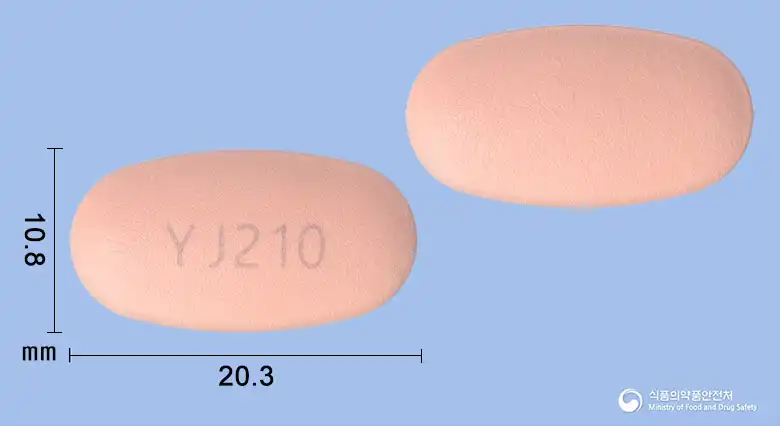 Combination
Metformin Hydrochloride 1000mg · Teneligliptin Ditosylate Dihydrate 37.84mg
Tablet · Prescription medication · Combination
Youngjin Pharmaceutical Co., Ltd.
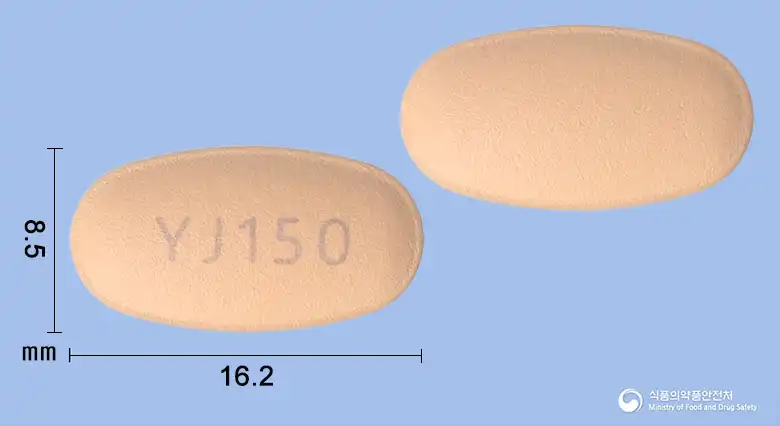 Combination
Metformin Hydrochloride 500mg · Teneligliptin Ditosylate Dihydrate 18.92mg
Tablet · Prescription medication · Combination
Youngjin Pharmaceutical Co., Ltd.
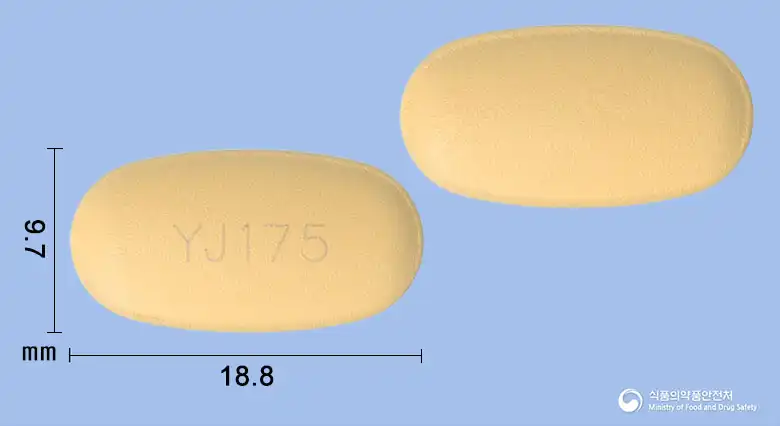 Combination
Metformin Hydrochloride 750mg · Teneligliptin Ditosylate Dihydrate 18.92mg
Tablet · Prescription medication · Combination
Youngjin Pharmaceutical Co., Ltd.
Even with the same ingredient, the dose and directions can differ by strength and dosage form. Talk to a doctor or pharmacist before switching from a medication you are already taking.
No questions yet.
For anything that needs medical judgment, consult a doctor or pharmacist.
This drug information is based on data provided by the Korea Ministry of Food and Drug Safety.
Consult a doctor or pharmacist for accurate dosage, administration, and usage instructions.