
 한국어
한국어 English
 日本語
日本語 中文(简体)
 Viewing nowCombination
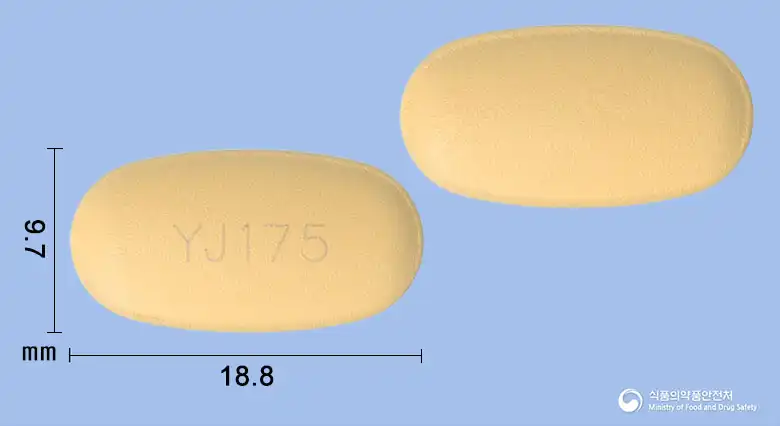
Teriphthine M Extended-Release Tablet 10/750 mg
Metformin Hydrochloride 750mg · Teneligliptin Ditosylate Dihydrate 18.92mg
Tablet · Prescription medication · Combination
Youngjin Pharmaceutical Co., Ltd.
MFDS item code 202202706 · Approved 2022.07.01 · Insurance code 642405040
Improvement in blood sugar control for type 2 diabetes
This medication is an adjunct to diet and exercise for better blood sugar control in patients with type 2 diabetes. Teneligliptin and Metformin work together to help effectively manage blood sugar levels. By doing so, it helps maintain stable blood sugar levels, thereby contributing to the prevention of complications. Therefore, it is a very useful drug in the treatment of type 2 diabetes.
This medication is generally administered once daily with the evening meal. The 20/1000 mg extended-release tablet is taken once daily, 1 tablet at a time. Patients taking the 10/750 mg or 10/500 mg extended-release tablets take 2 tablets at the same time once daily. The initial dose is 20 mg of teneligliptin once daily along with the existing dosage of metformin. The maximum recommended daily dose is teneligliptin 20 mg and extended-release metformin 2000 mg.
This medication is used for blood sugar control and can rarely cause a serious metabolic complication known as lactic acidosis. The risk of lactic acidosis is higher in patients with impaired kidney function or weak heart and liver function, so caution is needed. This medication should not be used in patients with moderate or severe renal impairment, patients with severe heart failure, or patients at risk of acute kidney injury. Additionally, this medication should be temporarily discontinued before and after procedures using radiologic contrast agents. Depending on the type of diabetes, there may be cases where this medication is not used, so patients with type 1 diabetes or diabetic ketoacidosis should not take this medication. The risk of hypoglycemia may increase when this medication is used together with insulin or sulfonylureas, so patients should be well aware of hypoglycemic symptoms and take appropriate measures immediately if they occur. Patients with impaired liver function, severe lung disease, excessive alcohol consumption, or dehydration also need to be cautious when using this medication. Pregnant women or women who may become pregnant are advised not to use this medication, and nursing mothers should consult a physician regarding the use of this medication. When administered to elderly patients, regular monitoring of kidney function and appropriate dosage adjustments are necessary. In case of overdose, seek immediate medical attention for appropriate treatment, and drug removal can be achieved through hemodialysis. This medication should be kept out of reach of children and should not be transferred to other containers for safety. During the use of this medication, it may be temporarily discontinued during acute infections, severe trauma, or pre- and post-surgery when the physical condition is unstable, and any abnormal symptoms should be reported to healthcare professionals immediately.
Hypoglycemia, lactic acidosis, severe allergic reactions (including hives), liver dysfunction, interstitial pneumonia, similar bullous dermatitis, acute pancreatitis, severe edema, respiratory distress, severe skin reactions (severe rash, blisters, skin peeling, pain in mouth/eyes mucosa), serious neurological symptoms (acute headache, seizures, confusional state, visual disturbances, paralysis), severe skin reactions with high fever, sudden and very severe headaches, cerebral infarction,
Not everyone experiences these, and they can vary from person to person.
This medication may be sensitive to air or moisture, so it should be stored in a tightly sealed container. It is recommended to maintain the storage temperature between 1 degree and 30 degrees Celsius at room temperature. This helps to maintain the drug's effectiveness.
Yellow oval-shaped extended-release film-coated tablet
30 tablets/bottle
Even with the same ingredient, strength, dosage form and how it is taken can differ.
Viewing nowCombinationMetformin Hydrochloride 750mg · Teneligliptin Ditosylate Dihydrate 18.92mg
Tablet · Prescription medication · Combination
Youngjin Pharmaceutical Co., Ltd.
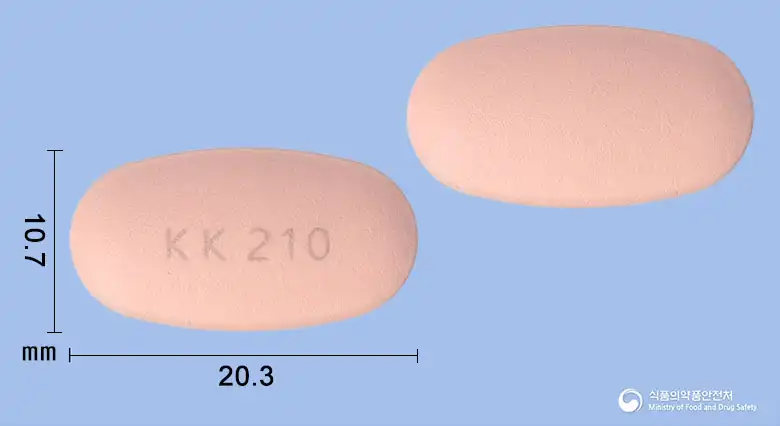 Combination
Metformin Hydrochloride 1000mg · Teneligliptin Ditosylate Dihydrate 37.84mg
Tablet · Prescription medication · Combination
Genewon Science Co., Ltd.
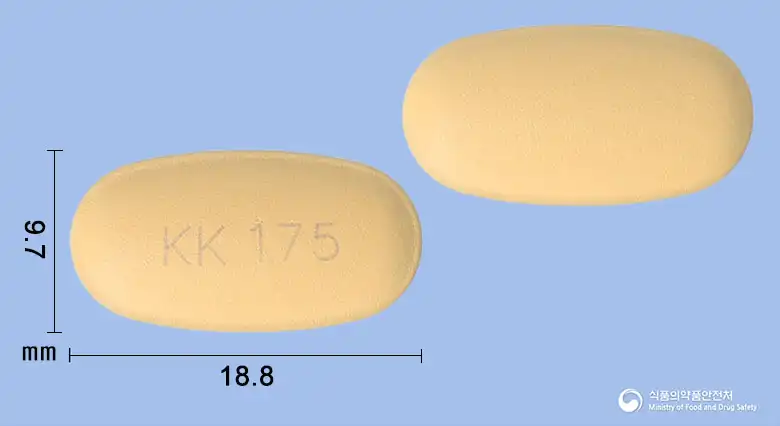 Combination
Metformin Hydrochloride 750mg · Teneligliptin Ditosylate Dihydrate 18.92mg
Tablet · Prescription medication · Combination
Genewon Science Co., Ltd.
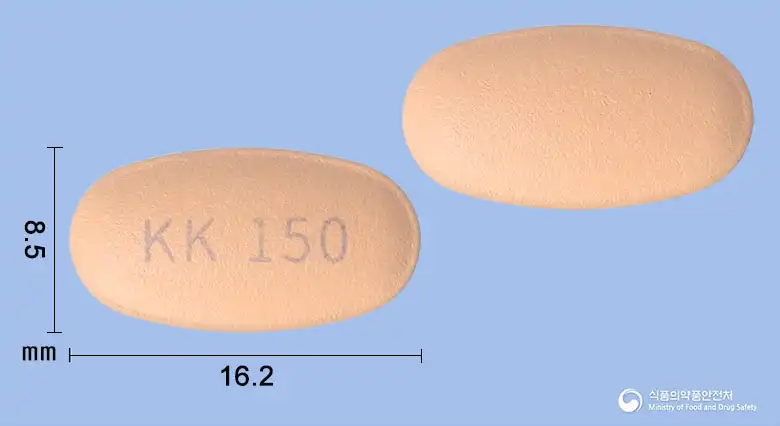 Combination
Metformin Hydrochloride 500mg · Teneligliptin Ditosylate Dihydrate 18.92mg
Tablet · Prescription medication · Combination
Genewon Science Co., Ltd.
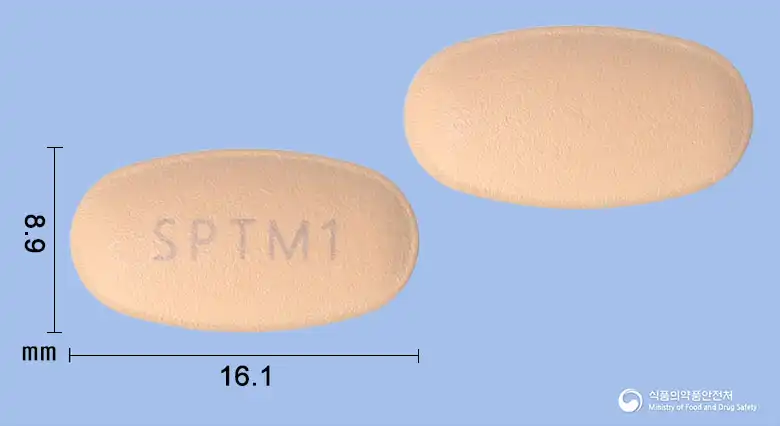 Combination
Metformin Hydrochloride 500mg · Teneligliptin Ditosylate Dihydrate 18.92mg
Tablet · Prescription medication · Combination
Shinpoong Pharmaceutical Co., Ltd.
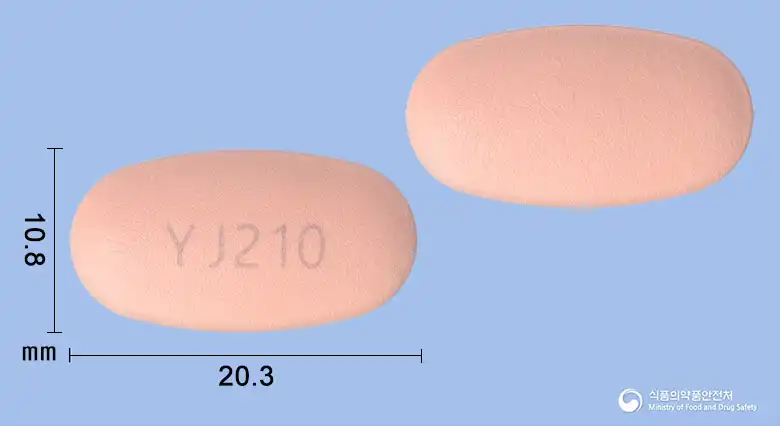 Combination
Metformin Hydrochloride 1000mg · Teneligliptin Ditosylate Dihydrate 37.84mg
Tablet · Prescription medication · Combination
Youngjin Pharmaceutical Co., Ltd.
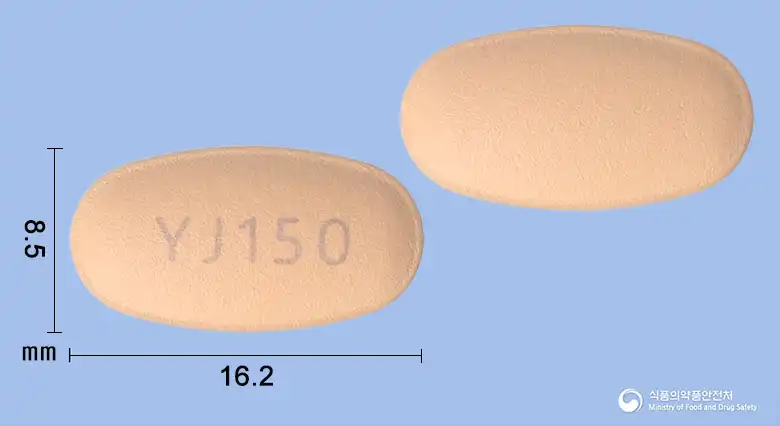 Combination
Metformin Hydrochloride 500mg · Teneligliptin Ditosylate Dihydrate 18.92mg
Tablet · Prescription medication · Combination
Youngjin Pharmaceutical Co., Ltd.
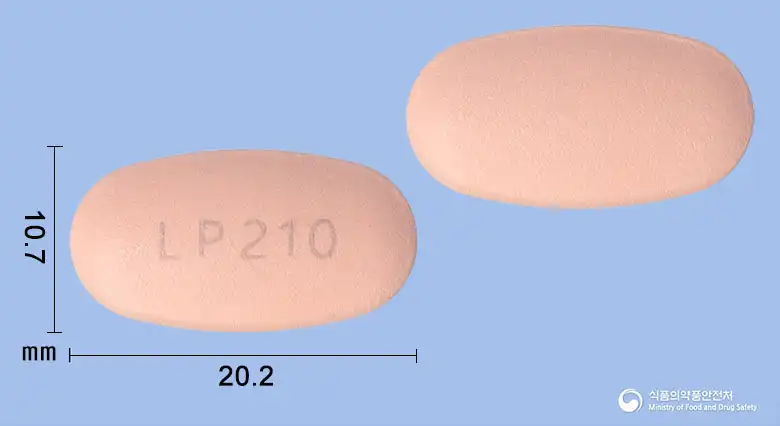 Combination
Metformin Hydrochloride 1000mg · Teneligliptin Ditosylate Dihydrate 37.84mg
Tablet · Prescription medication · Combination
LightPharm Tech Co., Ltd.
Even with the same ingredient, the dose and directions can differ by strength and dosage form. Talk to a doctor or pharmacist before switching from a medication you are already taking.
No questions yet.
For anything that needs medical judgment, consult a doctor or pharmacist.
This drug information is based on data provided by the Korea Ministry of Food and Drug Safety.
Consult a doctor or pharmacist for accurate dosage, administration, and usage instructions.