
 한국어
한국어 English
 日本語
日本語 中文(简体)
 Viewing nowCombination
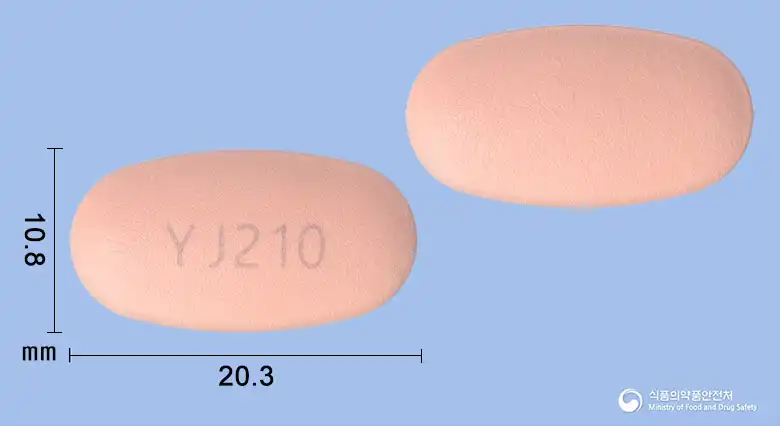
Terriptin M Sustained-release Tablet 20/1000 mg
Metformin Hydrochloride 1000mg · Teneligliptin Ditosylate Dihydrate 37.84mg
Tablet · Prescription medication · Combination
Youngjin Pharmaceutical Co., Ltd.
MFDS item code 202202704 · Approved 2022.07.01 · Insurance code 642405050
Improvement of blood glucose control in type 2 diabetes
This medication helps control blood glucose levels in patients with type 2 diabetes by taking Teneligliptin and Metformin together. It is suitable for patients who are also following diet and exercise therapy, and is used to effectively improve blood glucose levels.
This medication is generally administered once daily with the evening meal; the 20/1000 mg sustained-release tablet is to be taken once daily at a dosage of one tablet. Patients taking the 10/750 mg or 10/500 mg sustained-release tablets should take two tablets at once once daily. The initial dosage is Teneligliptin 20 mg once daily along with the existing dose of Metformin. The maximum recommended dosage per day is Teneligliptin 20 mg and
This medication is used to treat diabetes and plays a role in lowering blood glucose levels. It may rarely cause a serious condition called lactic acidosis during its use, which can become dangerous due to excessive buildup of lactate in the body, so caution is necessary. It is particularly important that patients with poor kidney function, heart disease, or liver dysfunction do not use this medication. This medication should be discontinued at least 48 hours before exams using iodine-based contrast agents, and should be resumed only after normal kidney function is confirmed post-examination. Women who are pregnant or may become pregnant should avoid taking this medication, and breastfeeding mothers should consult with a physician. When used in combination with other diabetes medications, hypoglycemic symptoms may occur; therefore, patients should be well-informed about the symptoms and how to manage them. Additionally, it is important to regularly monitor kidney function and conduct blood tests during the period of taking this medication to check for any abnormalities. Excessive alcohol consumption may increase the risk of lactic acidosis when taking this medication, so alcohol should be avoided. This medication may cause side effects such as gastrointestinal disturbances, liver function abnormalities, pneumonia, skin rashes, etc.; therefore, if any abnormal manifestations occur, it is vital to consult a physician immediately. Elderly patients may experience decreased kidney function, and thus, dosage adjustments and regular testing are needed. If a surgery is planned, this medication should be discontinued 48 hours before the surgery, and resumed only after normal kidney function is confirmed post-surgery. This medication may interact with certain other drugs; therefore, if taking other medications, it is essential to inform the doctor or pharmacist. Lastly, this medication is not used in children as its safety and efficacy have not been established.
Not everyone experiences these, and they can vary from person to person.
This medication may be sensitive to air and moisture; therefore, it must be stored in a tightly sealed container. It is important to maintain a storage temperature between 1 and 30 degrees Celsius at room temperature. This will help preserve the efficacy of the medication for safe use.
Pink oval-shaped sustained-release film-coated tablet
30 tablets per bottle
Even with the same ingredient, strength, dosage form and how it is taken can differ.
Viewing nowCombinationMetformin Hydrochloride 1000mg · Teneligliptin Ditosylate Dihydrate 37.84mg
Tablet · Prescription medication · Combination
Youngjin Pharmaceutical Co., Ltd.
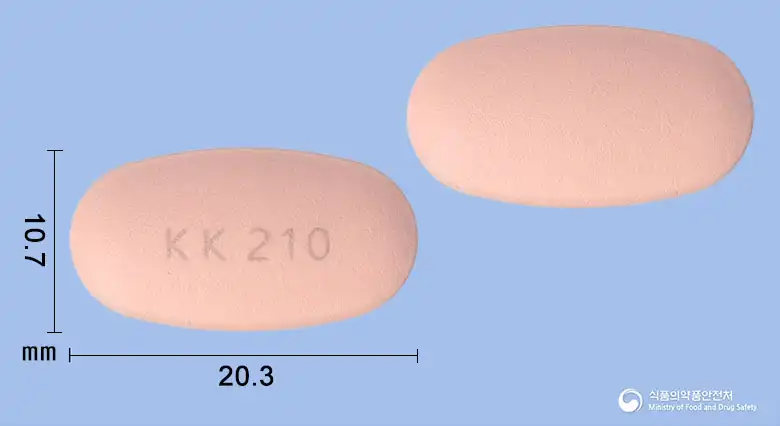 Combination
Metformin Hydrochloride 1000mg · Teneligliptin Ditosylate Dihydrate 37.84mg
Tablet · Prescription medication · Combination
Genewon Science Co., Ltd.
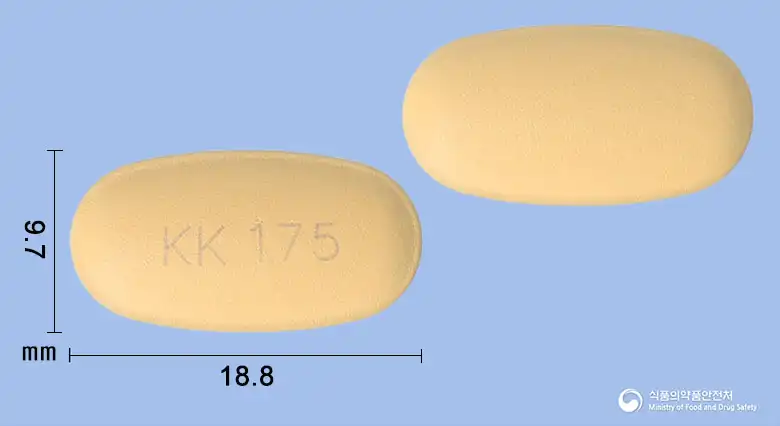 Combination
Metformin Hydrochloride 750mg · Teneligliptin Ditosylate Dihydrate 18.92mg
Tablet · Prescription medication · Combination
Genewon Science Co., Ltd.
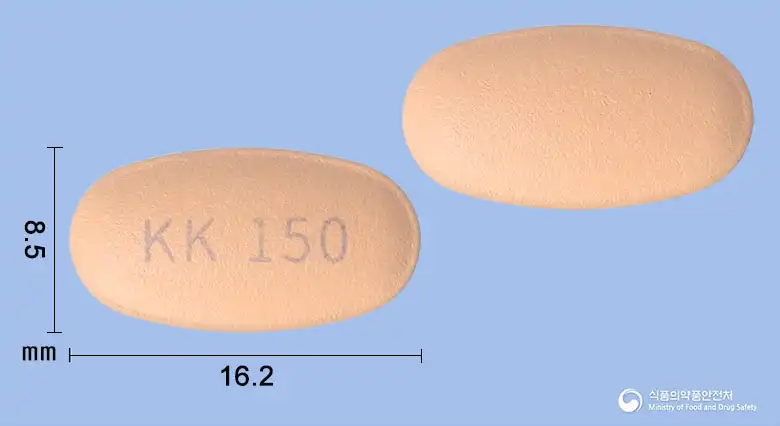 Combination
Metformin Hydrochloride 500mg · Teneligliptin Ditosylate Dihydrate 18.92mg
Tablet · Prescription medication · Combination
Genewon Science Co., Ltd.
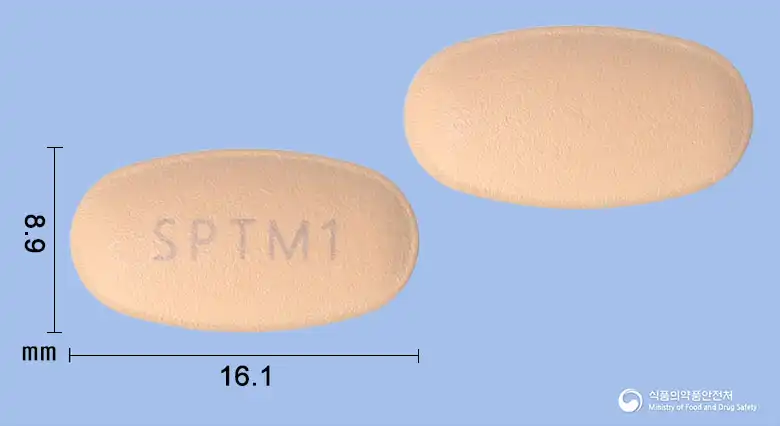 Combination
Metformin Hydrochloride 500mg · Teneligliptin Ditosylate Dihydrate 18.92mg
Tablet · Prescription medication · Combination
Shinpoong Pharmaceutical Co., Ltd.
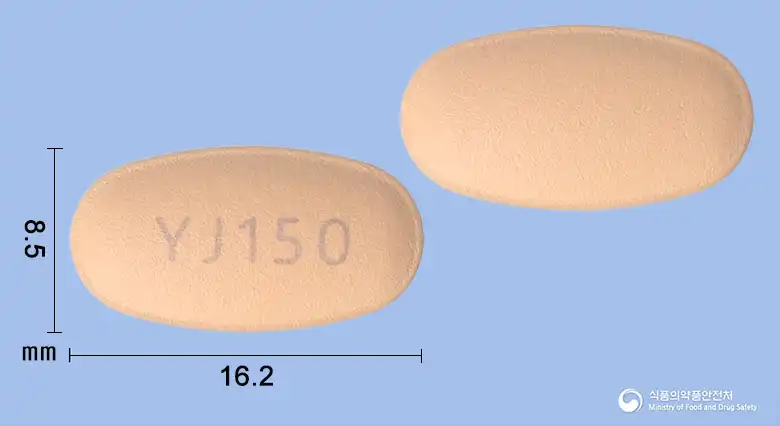 Combination
Metformin Hydrochloride 500mg · Teneligliptin Ditosylate Dihydrate 18.92mg
Tablet · Prescription medication · Combination
Youngjin Pharmaceutical Co., Ltd.
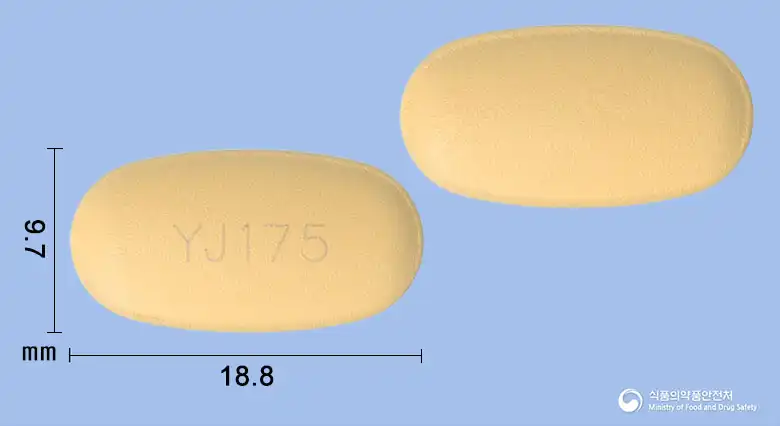 Combination
Metformin Hydrochloride 750mg · Teneligliptin Ditosylate Dihydrate 18.92mg
Tablet · Prescription medication · Combination
Youngjin Pharmaceutical Co., Ltd.
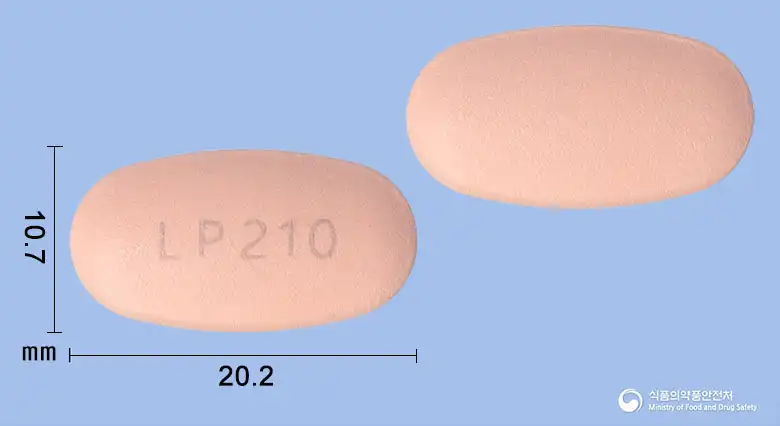 Combination
Metformin Hydrochloride 1000mg · Teneligliptin Ditosylate Dihydrate 37.84mg
Tablet · Prescription medication · Combination
LightPharm Tech Co., Ltd.
Even with the same ingredient, the dose and directions can differ by strength and dosage form. Talk to a doctor or pharmacist before switching from a medication you are already taking.
No questions yet.
For anything that needs medical judgment, consult a doctor or pharmacist.
This drug information is based on data provided by the Korea Ministry of Food and Drug Safety.
Consult a doctor or pharmacist for accurate dosage, administration, and usage instructions.