
 한국어
 English
 日本語
 中文(简体)
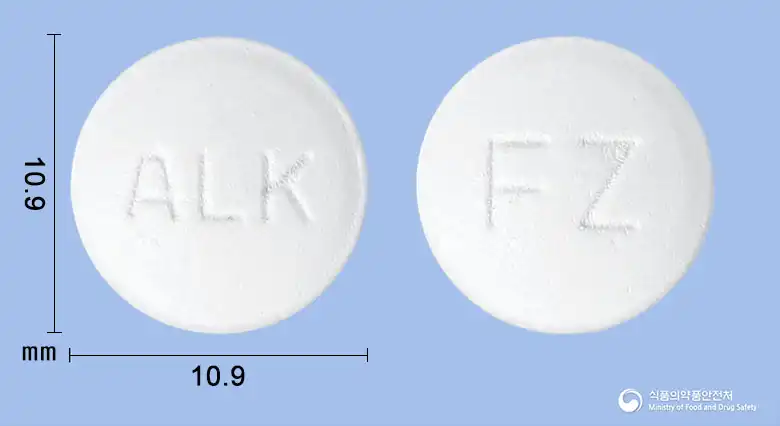 Viewing nowCombination
Phenozetive Tablets
Ezetimibe 10mg · Fenofibrate 160mg
Tablet · Prescription medication · Combination
Albogene Korea Co., Ltd.
MFDS item code 202202635 · Approved 2022.06.23 · Insurance code 652607140
Adjunct to diet to reduce cholesterol and other lipids in mixed dyslipidemia
This medication is used as an adjunct to dietary therapy to reduce levels of total cholesterol, low-density lipoprotein cholesterol (LDL-C), apolipoprotein B, and non-high-density lipoprotein cholesterol (non-HDL-C) in patients with mixed dyslipidemia. It helps reduce bad cholesterol in the body and improve blood lipid profiles, thereby playing a role in reducing the risk of cardiovascular disease.
Adults: Take 1 tablet of this medicine once daily immediately after a meal. This medicine must be administered in conjunction with dietary therapy. Fenofibrate, one of the ingredients in this medicine, may be less well absorbed on an empty stomach, so take it immediately after a meal. ○ Do not administer to patients with hepatic impairment. ○ Patients with renal impairment: Do not administer this medicine to patients with moderate to severe renal impairment (serum creatinine level of 2.5 mg/dL or higher). ○ Older adults: Dose reduction is generally not necessary if renal function is not impaired. Patients taking ezetimibe and fenofibrate concomitantly may switch to this medicine (a combination product with the same amounts of each active ingredient) for convenience.
This drug should not be used by patients who are allergic to this drug or its components. Patients with liver problems or persistently high liver function test results should not take this drug in combination with certain lipid-lowering agents. Women who are pregnant or may become pregnant, as well as breastfeeding women, should not take this drug. Patients with poor liver function and those with severe kidney disease should also avoid using this drug. Patients with diseases of the gallbladder or bile ducts, and those who have a history of gallstones should use this drug with caution. Patients who have experienced photosensitivity reactions while taking fibrate drugs or ketoprofen should avoid this medication. This drug is not to be used in children. This drug may cause symptoms such as muscle pain or weakness during treatment, so any such symptoms should be reported to a doctor immediately. There may be changes in liver function or fluctuations in blood test results, so regular liver function tests are necessary. This drug can interact with other medications, so it is essential to follow a doctor's instructions, especially when taking anticoagulants or certain lipid-lowering agents. Pregnant or breastfeeding women should avoid taking this medication due to the potential effects on the fetus or baby. Elderly patients may have reduced kidney and liver function, so caution is necessary when using this drug, and regular check-ups are recommended. In case of overdose, there is no specific antidote, so appropriate treatment should be administered according to symptoms. This medication should be kept out of reach of children, and transferring to other containers can compromise the drug's quality.
Not everyone experiences these, and they can vary from person to person.
This medication may be sensitive to air or moisture, so it must be stored in a tightly sealed container. It is advisable to maintain storage temperatures between 1 degree and 30 degrees Celsius at room temperature. This will help preserve the drug's efficacy and safety for a longer period.
White round film-coated tablet
30 tablets/PTP[(10 tablets/PTP×3)], 30 tablets/bottle, 100 tablets/bottle
Even with the same ingredient, strength, dosage form and how it is taken can differ.
Viewing nowCombinationEzetimibe 10mg · Fenofibrate 160mg
Tablet · Prescription medication · Combination
Albogene Korea Co., Ltd.
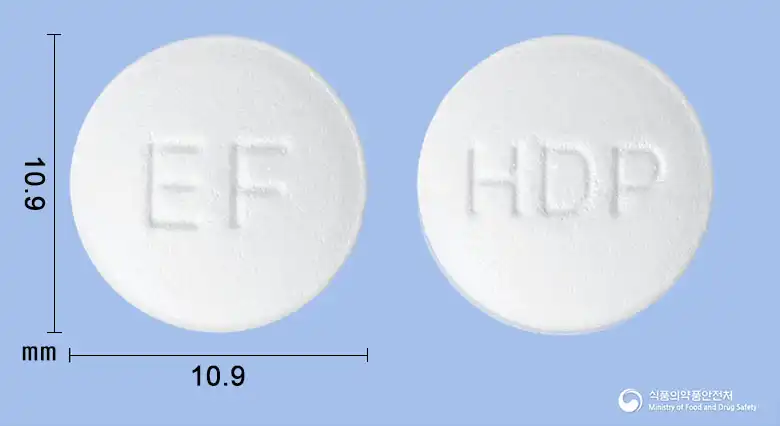 Combination
Ezetimibe 10mg · Fenofibrate 160mg
Tablet · Prescription medication · Combination
Hyundai Pharmaceutical Co., Ltd.
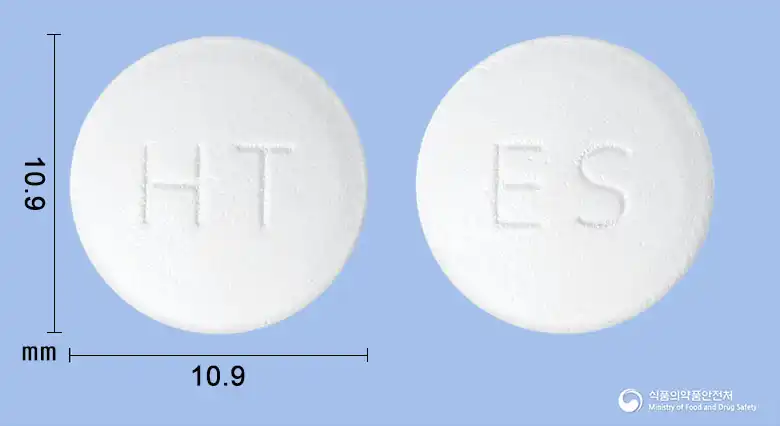 Combination
Ezetimibe 10mg · Fenofibrate 160mg
Tablet · Prescription medication · Combination
Korea Hyutecs Pharmaceutical Co., Ltd.
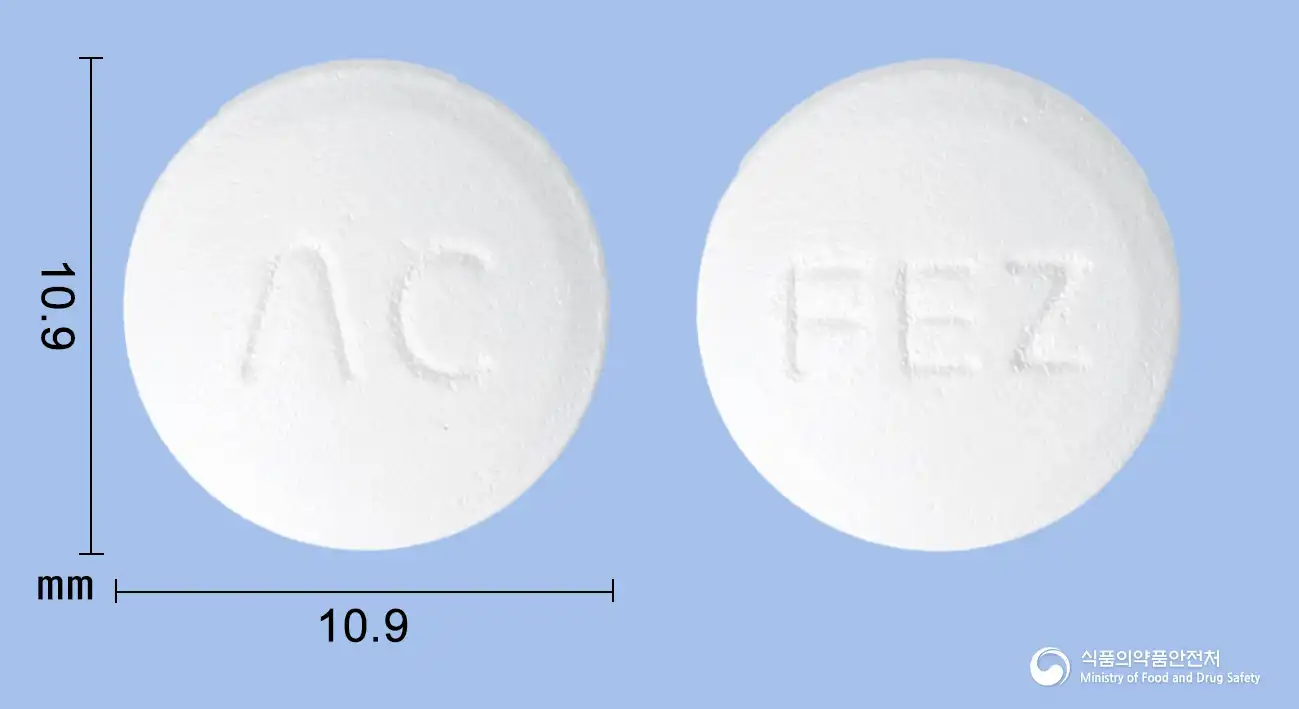 Combination
Ezetimibe 10mg · Fenofibrate 160mg
Tablet · Prescription medication · Combination
Allico Pharmaceutical Co., Ltd.
Even with the same ingredient, the dose and directions can differ by strength and dosage form. Talk to a doctor or pharmacist before switching from a medication you are already taking.
No questions yet.
For anything that needs medical judgment, consult a doctor or pharmacist.
This drug information is based on data provided by the Korea Ministry of Food and Drug Safety.
Consult a doctor or pharmacist for accurate dosage, administration, and usage instructions.