
 한국어
한국어 English
 日本語
日本語 中文(简体)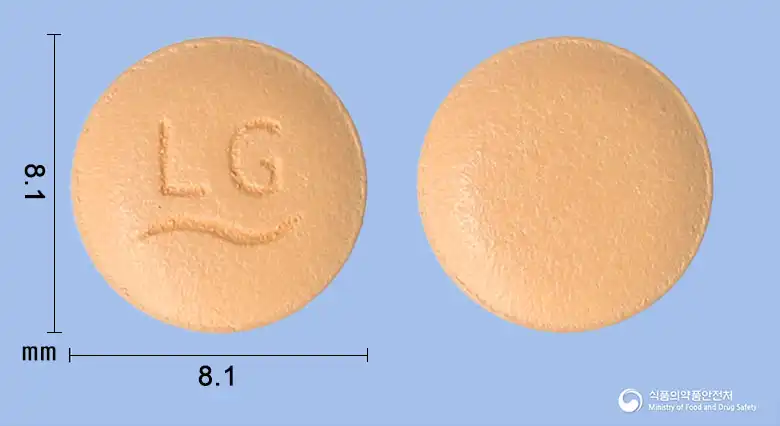
Summary
- Main use
- Improvement of blood sugar control in type 2 diabetes
- Who uses it
- Adults
- Adult dosage
- For patients receiving 50 mg of Gemigliptin and 10 mg of Dapagliflozin, one tablet may be administered once daily without regard to meals.
Ingredients
- Manufacturer
- (주)엘지화학
Efficacy & effects
Improvement of blood sugar control in type 2 diabetes
View approved original textHide original text
This medication is used as an adjunct to help control blood sugar in patients with type 2 diabetes by combining Gemigliptin and Dapagliflozin. When administered alongside dietary control and exercise therapy, it can effectively manage blood glucose levels. This can be helpful in maintaining stable blood sugar levels, thus positively impacting diabetes management.
Dosage and Administration
Adult dosage
For patients receiving 50 mg of Gemigliptin and 10 mg of Dapagliflozin, one tablet may be administered once daily without regard to meals.
Precautions
This medication contains two components, Gemigliptin and Dapagliflozin, which assist in blood sugar control. Firstly, this medication should not be used in certain patients. For example, it is contraindicated in patients with allergies to its ingredients or excipients, those with type 1 diabetes, diabetic ketoacidosis, lactose intolerance, and patients undergoing dialysis. Additionally, this medication should be used cautiously in some patients. For instance, patients with heart failure, severe liver dysfunction, a history of acute pancreatitis, decreased fluid volume, or renal dysfunction should take this medication with care. Patients using this medication should be aware of the symptoms of hypoglycemia, especially when taken in conjunction with other hypoglycemic agents, as the risk of hypoglycemia may increase. Moreover, infections, particularly urinary or genital infections, may occur with this medication, so patients should immediately inform healthcare professionals if they notice any signs of infection. This medication may lead to serious side effects such as pancreatitis, acute kidney injury, diabetic ketoacidosis, and infrequently, skin rashes or hypersensitivity reactions, so any unusual symptoms should be discussed with a physician immediately. Women who are pregnant or breastfeeding should avoid using this medication, especially while breastfeeding. Elderly patients should be closely monitored for potential renal and hepatic function decline when using this medication. In case of overdose, patients should seek medical attention immediately for appropriate treatment, typically requiring symptom management and monitoring. Finally, while this medication generally has low interaction potential with other drugs, caution is advised when used with certain medications; thus, patients should inform their doctor or pharmacist of all other medications they are taking.
Side effects and when to seek care immediately
Serious side effects
- Urticaria
- severe swelling (edema)
- chest tightness
- shortness of breath
- cold sweat
- acute pancreatitis
- angina pectoris
- acute kidney injury
- renal dysfunction
- pyelonephritis
Show 12 moreCollapse
- severe allergic reactions
- severe skin adverse reactions
- respiratory issues
- liver dysfunction (jaundice)
- serious neurological symptoms
- severe edema or urinary irregularities
- Stevens-Johnson syndrome
- blistering dermatosis
- anaphylactic reactions
- ketoacidosis
- urosepsis
- perineal necrosis.
Mild side effects
- Dyspepsia
- constipation
- nausea
- gastritis
- colon polyps
- headache
- dizziness
- pruritus
- myalgia
- lumbar pain
Show 25 moreCollapse
- limb pain
- arthralgia
- insomnia
- urticaria
- cold sweat
- rash
- hematuria
- frequency of urination
- weight loss
- hyperglycemia
- hypoglycemia
- myalgia
- palpitations
- fatigue
- chest pain
- weakness
- hunger
- pruritus
- hunger
- cough
- epistaxis
- oropharyngeal pain
- allergic rhinitis
- asthma
- etc.
Not everyone experiences these, and they can vary from person to person.
Storage
This medication should be stored in a tightly closed container that can block air and moisture, and kept at room temperature between 1°C and 30°C. This will help maintain the medication's efficacy over time.
Appearance and packaging
Appearance
Light brown round film-coated tablet
Package unit
56 tablets - 56 tablets/box [(14 tablets/PTP)x4], 14 tablets - 14 tablets/box [(14 tablets/PTP)x1]
Questions about this medicine
No questions yet.
For anything that needs medical judgment, consult a doctor or pharmacist.