
 한국어
한국어 English
 日本語
日本語 中文(简体)
 Viewing nowCombination
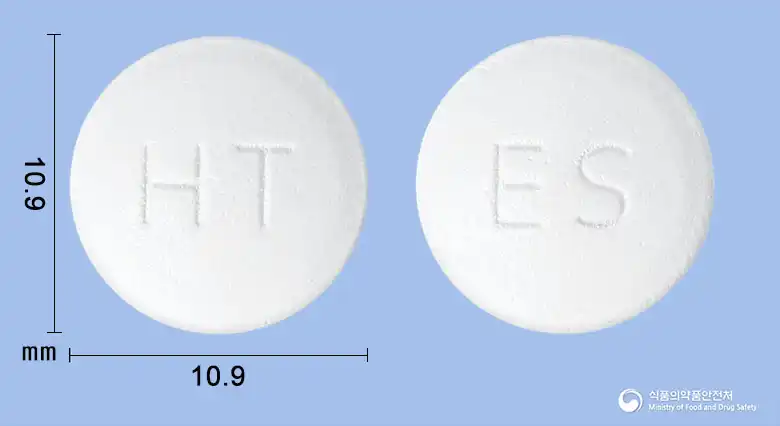
Ezesufura Tablets (Ezetimibe, Fenofibrate)
Ezetimibe 10mg · Fenofibrate 160mg
Tablet · Prescription medication · Combination
Korea Hyutecs Pharmaceutical Co., Ltd.
MFDS item code 202202578 · Approved 2022.06.20 · Insurance code 649105580
Improvement of mixed dyslipidemia (total cholesterol, LDL-C, etc.)
This medication helps to lower total cholesterol, LDL cholesterol, apolipoprotein B, and non-HDL cholesterol levels in patients with mixed dyslipidemia. It is mainly used to improve blood lipid abnormalities while assisting with dietary changes. This contributes to reducing the risk of cardiovascular diseases and maintaining healthy blood vessel conditions. Therefore, this medication is used as an effective adjunct in the treatment of dyslipidemia.
The dosage for adults is one tablet taken immediately after a meal once daily. Since fenofibrate, one of the components of this medication, may be less absorbed on an empty stomach, it must be taken immediately after a meal.
This medication should not be used in certain patients. First, patients with allergies to this medication or its components should not be administered this drug. Patients with liver problems or persistent liver dysfunction, and women who are pregnant or breastfeeding should also avoid using this medication. In addition, patients with moderate to severe renal impairment, gallbladder disorders, children, and those with pancreatitis should not take this medication. This medication contains lactose and should not be administered to patients with lactose intolerance. Patients with mild kidney impairment or liver dysfunction, patients with hypoalbuminemia, patients with a history of gallstones, patients taking anticoagulants, and elderly patients should use this medication cautiously. Particularly, caution is required regarding potential drug interactions and adverse reactions. This medication may cause side effects such as headache, abdominal pain, diarrhea, fatigue, and muscle pain, while rare occurrences of liver dysfunction, myopathy, and allergic reactions have been reported. If any unusual symptoms appear, consult a physician immediately. Regular tests for liver and kidney function should be conducted, and administration may be discontinued if symptoms worsen or if strange signs occur. Women who are pregnant or may become pregnant, as well as breastfeeding mothers, should not take this medication. This medication should not be used in children, and elderly patients should be carefully administered based on their kidney and liver function status. In case of overdose, there is no specific antidote, and appropriate treatment should be provided based on symptoms. This medication should be kept out of the reach of children, and it is safe not to transfer it to another container.
Urticaria, angioedema, rash, anaphylaxis, erythema multiforme, cholelithiasis, cholecystitis, liver dysfunction, hepatitis, pancreatitis, urticaria, photosensitive eczema, phototoxicity, photoreaction, severe skin reactions (Stevens-Johnson syndrome, toxic epidermal necrolysis), acute hypersensitivity reactions, DRESS syndrome, thrombocytopenia, agranulocytosis, ventricular arrhythmias, renal failure, deterioration of renal function, rhabdomyolysis, myopathy, serum amino transferase elevation
Not everyone experiences these, and they can vary from person to person.
This medication should be stored in a tightly closed container to protect it from air and moisture. It is best to maintain the storage temperature between 1 degree Celsius and 30 degrees Celsius at room temperature.
White, round, film-coated tablet
30 tablets/PTP [(10 tablets/PTP×3)], 30 tablets/bottle, 100 tablets/bottle
Even with the same ingredient, strength, dosage form and how it is taken can differ.
Viewing nowCombinationEzetimibe 10mg · Fenofibrate 160mg
Tablet · Prescription medication · Combination
Korea Hyutecs Pharmaceutical Co., Ltd.
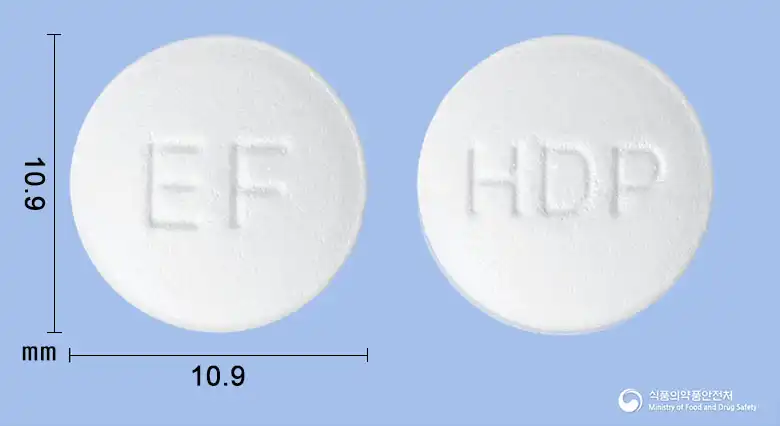 Combination
Ezetimibe 10mg · Fenofibrate 160mg
Tablet · Prescription medication · Combination
Hyundai Pharmaceutical Co., Ltd.
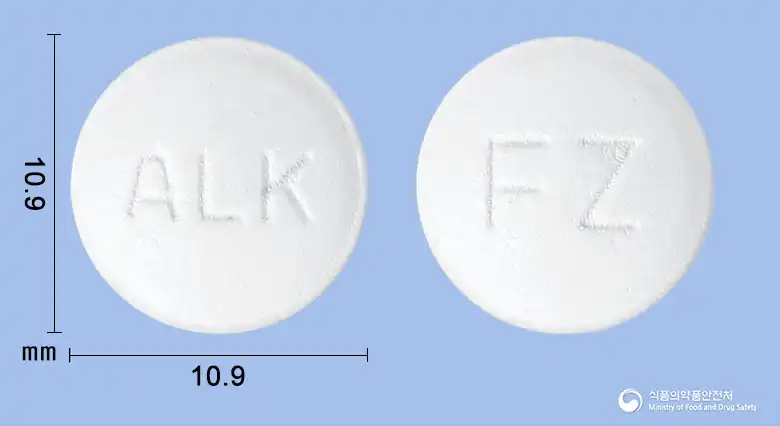 Combination
Ezetimibe 10mg · Fenofibrate 160mg
Tablet · Prescription medication · Combination
Albogene Korea Co., Ltd.
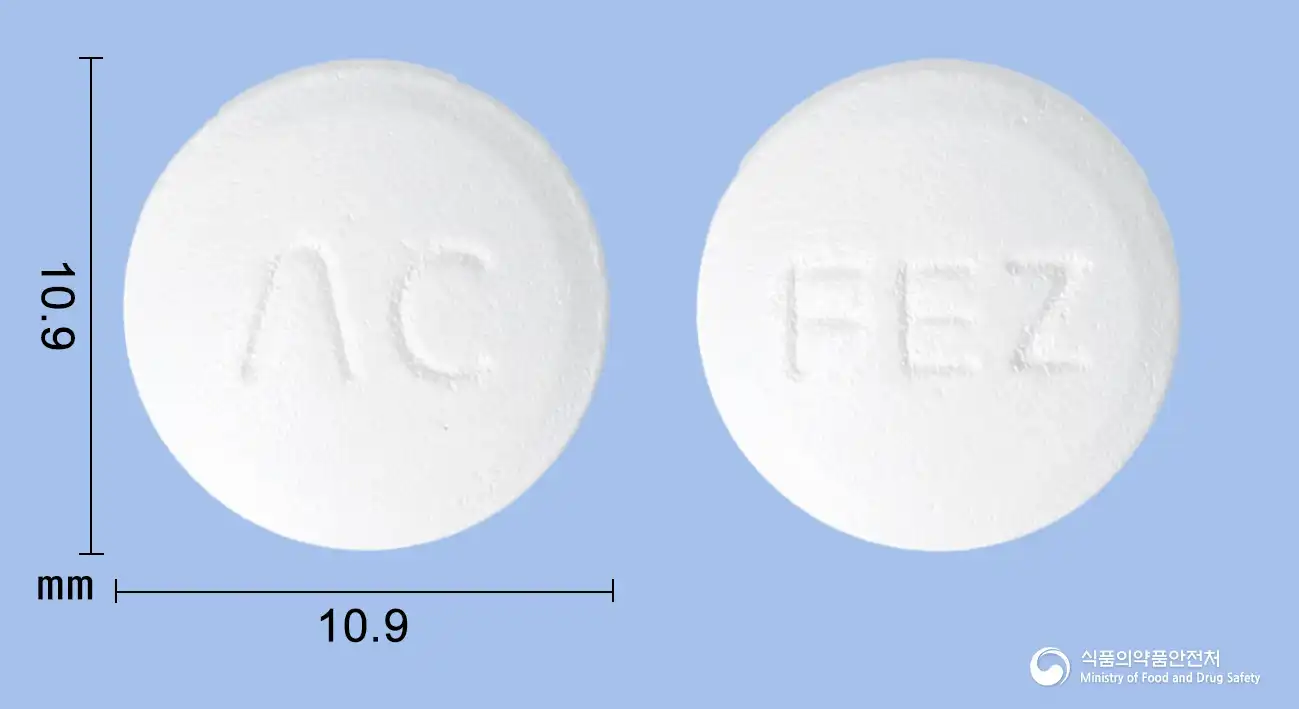 Combination
Ezetimibe 10mg · Fenofibrate 160mg
Tablet · Prescription medication · Combination
Allico Pharmaceutical Co., Ltd.
Even with the same ingredient, the dose and directions can differ by strength and dosage form. Talk to a doctor or pharmacist before switching from a medication you are already taking.
No questions yet.
For anything that needs medical judgment, consult a doctor or pharmacist.
This drug information is based on data provided by the Korea Ministry of Food and Drug Safety.
Consult a doctor or pharmacist for accurate dosage, administration, and usage instructions.