
 한국어
한국어 English
 日本語
日本語 中文(简体)
 Viewing now
Bukwang Ascorbic Acid Tablet 50 Milligrams
Ascorbic Acid 50mg
Tablet · OTC medication
Bukwang Pharm Co., Ltd.
MFDS item code 202202571 · Approved 2022.06.20 · Insurance code 642204590
Prevention of scurvy and improvement of consumptive diseases (pregnancy, physical fatigue), alleviation of symptoms of vitamin C deficiency (capillary bleeding, skin diseases)
This medication is used for the prevention and treatment of scurvy. It is also beneficial for consumptive diseases such as those resulting in increased demand for vitamin C during pregnancy and lactation as well as during and after illness. It is effective against symptoms of capillary bleeding such as gum bleeding, nosebleeds, and hematuria, and pigmentation caused by sunlight and skin diseases (melasma, freckles). It is also used to treat malabsorption symptoms suspected of being due to vitamin C deficiency. Overall, this medicine is effective in improving various symptoms caused by vitamin C deficiency.
Adults: As ascorbic acid, typically take 500–1000 mg once daily or divided into several doses. Take with a sufficient amount of water.
This medication should not be taken by individuals with certain allergic reactions. Patients with hyperoxaluria, thalassemia, gout, and cystinuria should also avoid this medication. Especially, patients with G6PD deficiency should be cautious as taking this medication in high doses may cause the destruction of red blood cells. Patients with kidney stones should avoid taking more than 1 gram per day. This medication contains lactose, so individuals with lactose intolerance or related genetic disorders should not take it. During the use of this medication, high doses during pregnancy may cause scurvy in newborns; caution is advised. Excessive alcohol consumption or smoking is recommended to be avoided. The tablet or capsule form of this medication should be taken with plenty of water, and it is advised not to lie down immediately after taking it to prevent esophagitis. Caution should also be taken with chewable forms, as the acidic components of the medication can damage tooth enamel. Pregnant or lactating women and patients with kidney stones must consult a healthcare professional before taking this medication. It is also necessary for individuals taking medications that affect blood coagulation to discuss this with a doctor. Interactions may occur when taken with other specific medications, so it is important to inform about any other drugs being used. Smokers or those who drink alcohol chronically should also consult before using this medication. If symptoms such as nausea, vomiting, diarrhea, abdominal pain, flushing, headache, or insomnia occur, stop taking the medication immediately and consult a professional. Caution is necessary as overdose may lead to kidney stones or precipitation of uric acid. When taking this medication, always adhere to the prescribed dosage and regimen, and if administering to children, supervision by a guardian is required. If symptoms do not improve after about a month of use, it is recommended to consult a healthcare professional. Also, this medication may affect the results of some blood glucose tests, so it should be mentioned before testing.
Nausea, vomiting, diarrhea, abdominal pain, flushing, headache, insomnia, interference with blood glucose detection in urine tests
Not everyone experiences these, and they can vary from person to person.
This medication should be stored in a tightly sealed container to prevent air and moisture from entering and should ideally be kept at room temperature between 1 and 30 degrees C. Storing it this way will help maintain its effectiveness and ensure safe use.
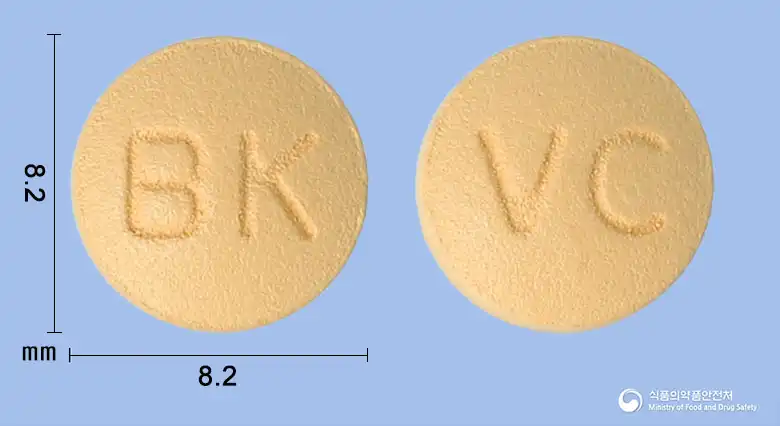
Orange round film-coated tablet
1000 tablets/bottle
Even with the same ingredient, strength, dosage form and how it is taken can differ.
Viewing nowAscorbic Acid 50mg
Tablet · OTC medication
Bukwang Pharm Co., Ltd.
Ascorbic Acid 50mg
Prescription medication
Daehan Pharmaceutical Industry Co., Ltd.
Ascorbic Acid 50mg
Injections · Prescription medication
Jeil Pharmaceutical Co., Ltd.
Ascorbic Acid 250mg
Injections · Prescription medication
Daewon Pharmaceutical Co., Ltd.
Ascorbic Acid 250mg
Injections · Prescription medication
(Company) Jeil Pharmaceutical
Ascorbic Acid 250mg
Injections · Prescription medication
Huons Co., Ltd.
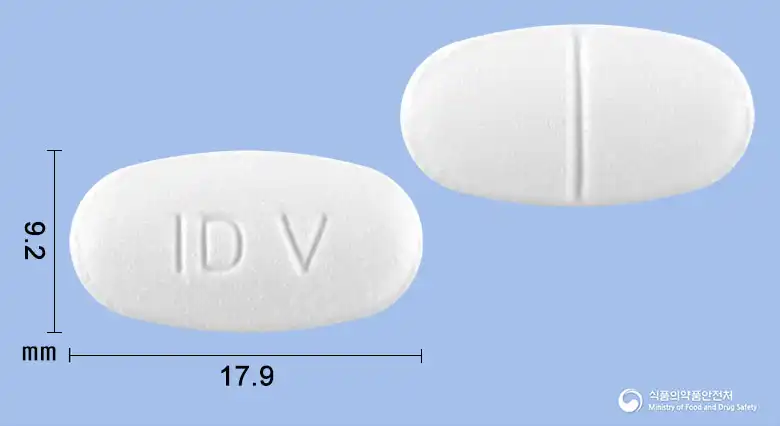
Ascorbic Acid 1031.01mg
Tablet · OTC medication
Ildong Pharmaceutical Co., Ltd.
Ascorbic Acid 500mg
Injections · Prescription medication
Aprogen Biologics Co., Ltd.
Even with the same ingredient, the dose and directions can differ by strength and dosage form. Talk to a doctor or pharmacist before switching from a medication you are already taking.
No questions yet.
For anything that needs medical judgment, consult a doctor or pharmacist.
This drug information is based on data provided by the Korea Ministry of Food and Drug Safety.
Consult a doctor or pharmacist for accurate dosage, administration, and usage instructions.