
 한국어
한국어 English
 日本語
日本語 中文(简体)
 Viewing now
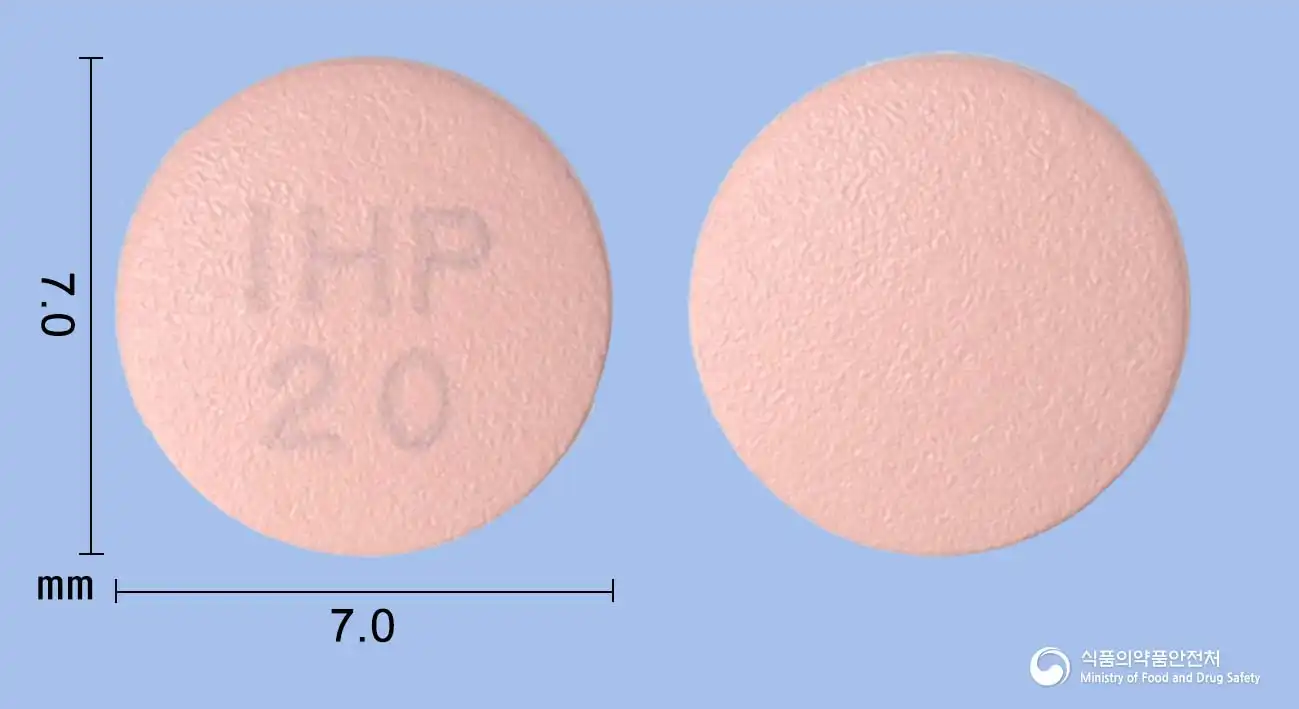
Teneglo Tablets 20 mg (Teneligliptin Hydrochloride Hydrate)
Teneligliptin Hydrochloride Hydrate 26mg
Tablet · Prescription medication
Ilhwa Co., Ltd.
MFDS item code 202202517 · Approved 2022.06.15 · Insurance code 640904320
Improvement in blood sugar control for type 2 diabetes
This medication is used to help control blood sugar levels in patients with type 2 diabetes. It can be administered alongside dietary and exercise therapies, either alone or in combination with other medications to enhance efficacy. It aids in the stable management of blood sugar levels and is used for effective treatment of type 2 diabetes.
The recommended dose of this medication for monotherapy or combination therapy is 20 mg once daily. It can be taken regardless of meals. When prescribed in combination with sulfonylureas, a reduction in the dose of sulfonylureas may be considered to reduce the risk of hypoglycemia. No adjustment of dosage is necessary in patients with renal impairment. No adjustment of dosage is necessary in patients with mild to moderate hepatic impairment.
This medication should not be used in patients with allergies to the active ingredient or other components of this medication. Additionally, it is not suitable for patients with diabetic ketoacidosis, diabetic coma, or type 1 diabetes, and should not be administered to such patients. For patients with severe infections, pre- and post-surgery conditions, or severe trauma, it is advisable to manage blood sugar with insulin injections instead of this medication. The safety of this drug has not been established in patients with severe liver dysfunction, therefore caution is advised. In patients with mild to moderate heart failure, it should be administered cautiously, and it is not recommended for those with severe heart failure. Patients using sulfonylureas or insulin are at risk of hypoglycemia and should be careful. Caution is also required in patients with pituitary insufficiency, adrenal insufficiency, poor nutritional status, irregular eating habits, heavy exercise, or excessive alcohol consumption as they are at risk of hypoglycemia. Patients with a history of abdominal surgery or intestinal obstruction should also be cautious when using this medication. Patients prone to QT interval prolongation due to heart disease or hypokalemia should avoid this drug due to the risk of side effects. If symptoms of acute pancreatitis occur, it is important to inform a physician immediately, and discontinuation of this medication may be necessary. While taking this medication, hypoglycemic symptoms may occur, so it is important to have sugar-containing foods prepared to manage symptoms appropriately. Symptoms such as bowel obstruction, severe constipation, abdominal pain, or vomiting should be discussed with medical personnel immediately. Immediate treatment is necessary for liver dysfunction, interstitial pneumonia, or the development of skin blisters or rashes. This medication may increase the risk of hypoglycemia when used with other antidiabetic medications, so blood sugar changes should be monitored carefully. Use of this drug is not recommended during pregnancy or breastfeeding, and patients should consult a physician prior to use. Caution is needed for children and the elderly, as the safety and efficacy of this medication have not been adequately established, or they may experience reduced physiological function. In case of overdose, standard treatment should be followed, and additional treatment may be needed based on the condition, so medical personnel should be notified immediately. This medication should be kept out of reach of children and should not be transferred to other containers. Finally, if blistering skin diseases or severe joint pain occur while taking this medication, patients should consult a doctor immediately.
Hives, severe swelling (edema), chest discomfort, difficulty breathing, cold sweat, paleness, severe allergic reaction, severe rash with fever, blisters, skin peeling, pain in oral/ocular mucosa, severe skin reactions, asthma attack, respiratory issues accompanied by cough and fever, difficulty breathing, yellowing of skin or eyes (jaundice), extreme drowsiness, liver abnormalities (jaundice), sudden and severe headache, thunderclap headache
Not everyone experiences these, and they can vary from person to person.
This medication should be stored in a tightly sealed container that allows for good airflow and should be kept at room temperature between 1°C and 30°C. Storing it this way helps to maintain the drug's effectiveness.
Pink, round, film-coated tablets
30 tablets/bottle, 60 tablets/bottle
Even with the same ingredient, strength, dosage form and how it is taken can differ.
Viewing nowTeneligliptin Hydrochloride Hydrate 26mg
Tablet · Prescription medication
Ilhwa Co., Ltd.
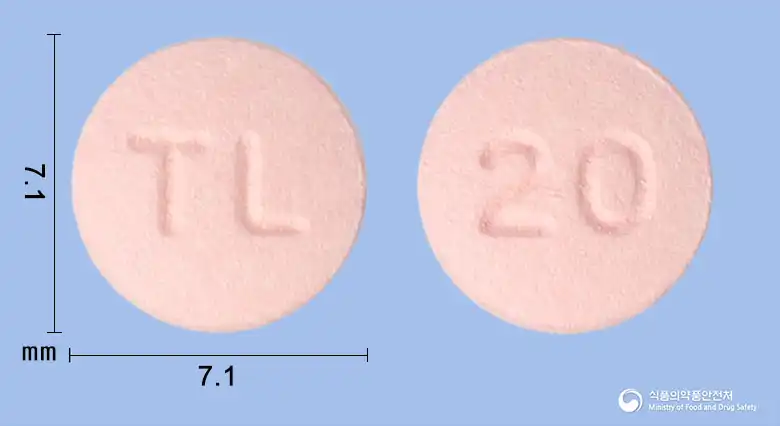
Teneligliptin Hydrochloride Hydrate 25.96mg
Tablet · Prescription medication
Kyungdong Pharmaceutical Co., Ltd.
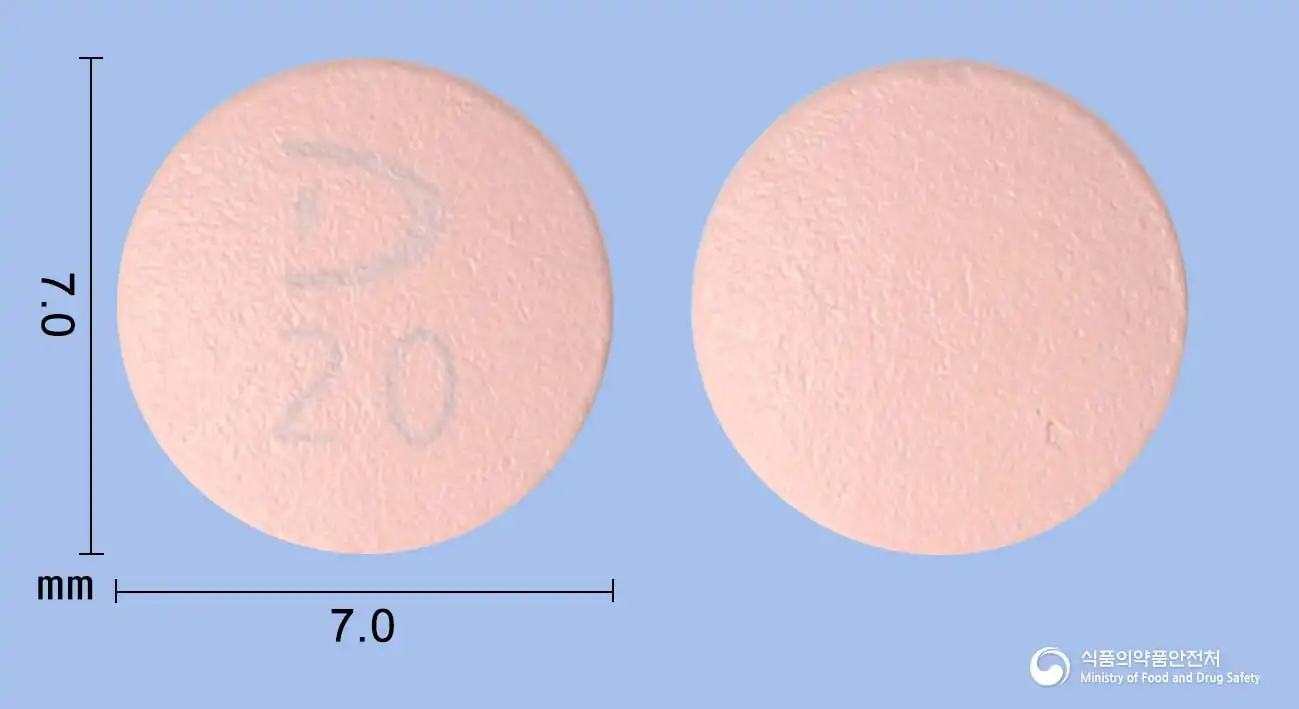
Teneligliptin Hydrochloride Hydrate 26mg
Tablet · Prescription medication
Darim Biotech Co., Ltd.
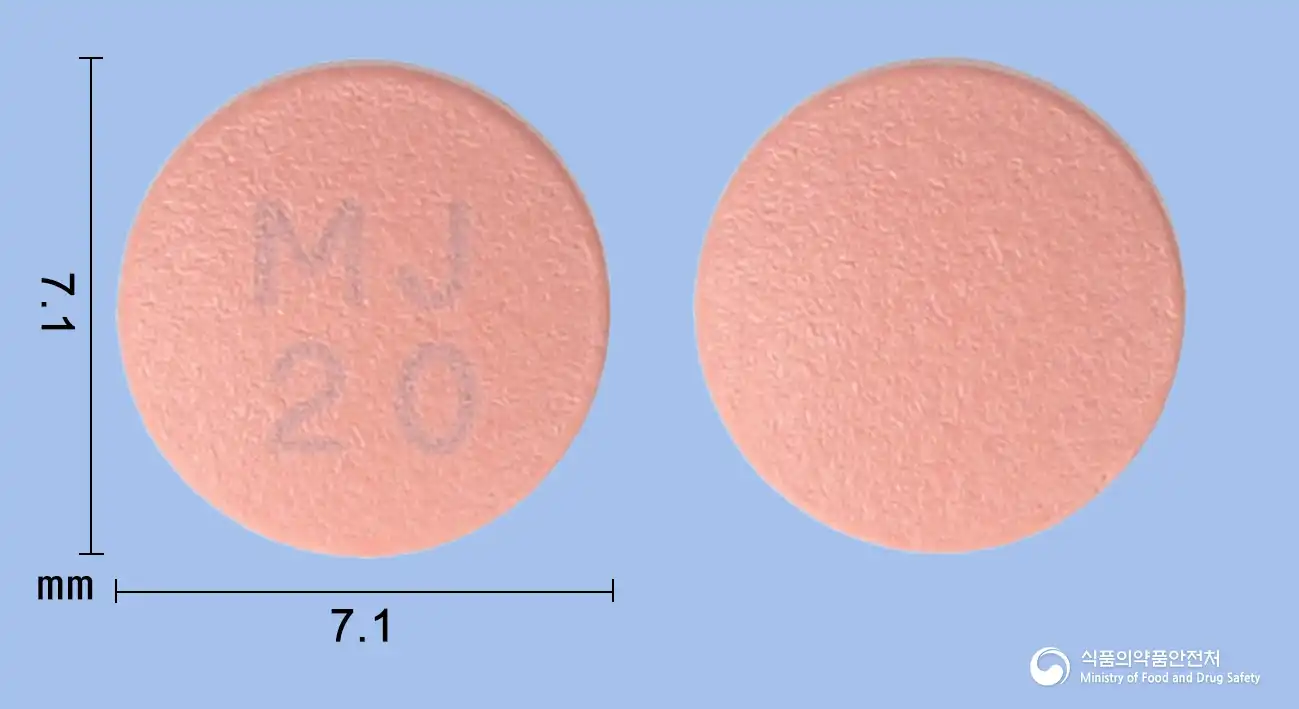
Teneligliptin Hydrochloride Hydrate 26mg
Tablet · Prescription medication
Mothers Pharmaceutical Co., Ltd.
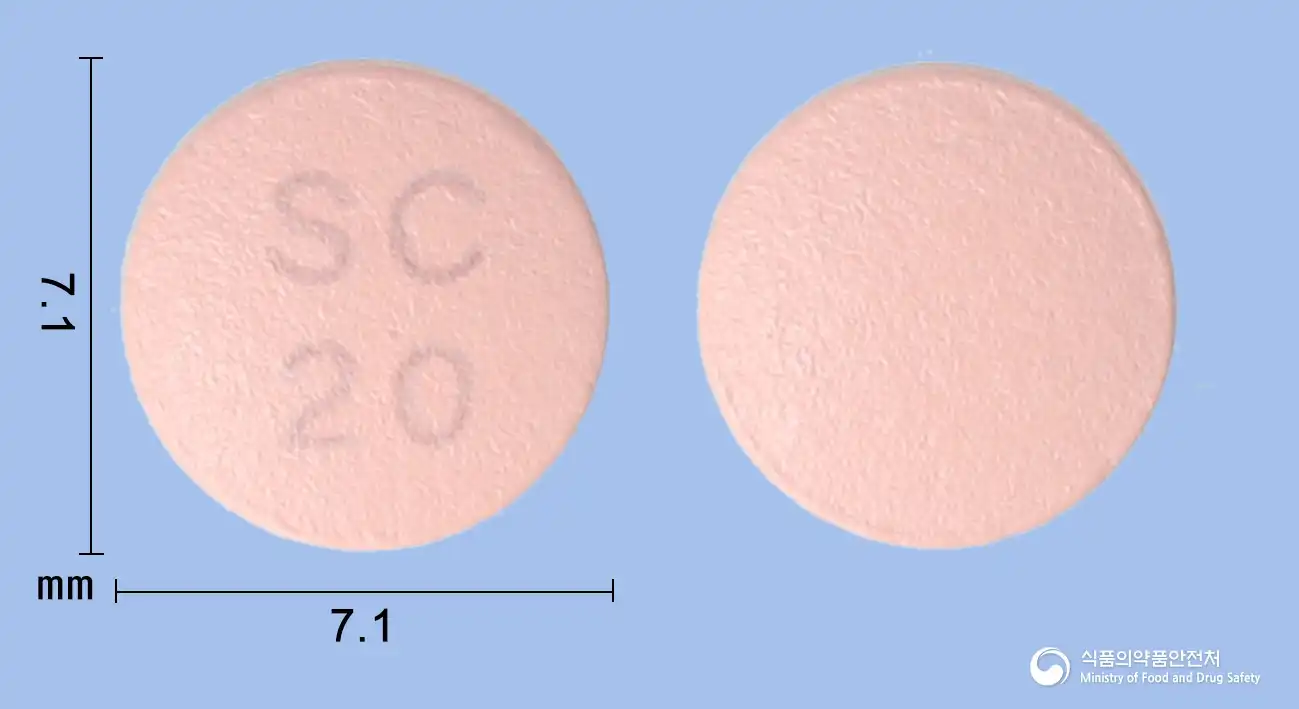
Teneligliptin Hydrochloride Hydrate 26mg
Tablet · Prescription medication
Samchundang Pharmaceutical Co., Ltd.
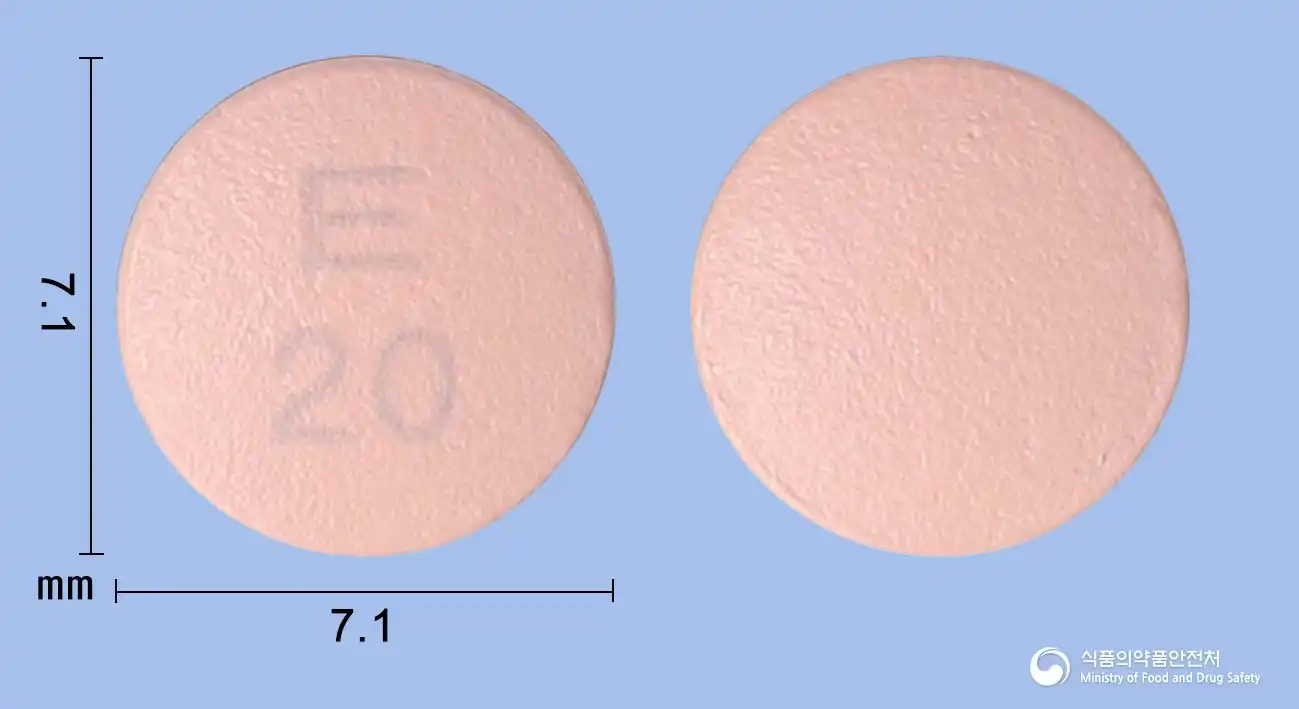
Teneligliptin Hydrochloride Hydrate 26mg
Tablet · Prescription medication
Dongkwang Pharmaceutical Co., Ltd.
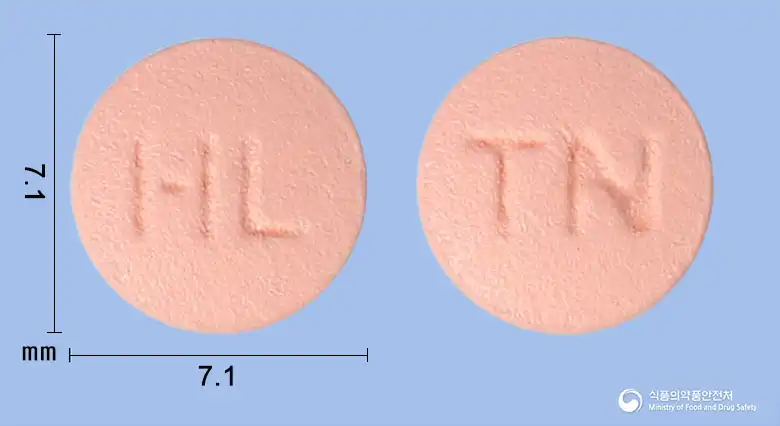
Teneligliptin Hydrochloride Hydrate 26mg
Tablet · Prescription medication
Hanlim Pharmaceutical Co., Ltd.
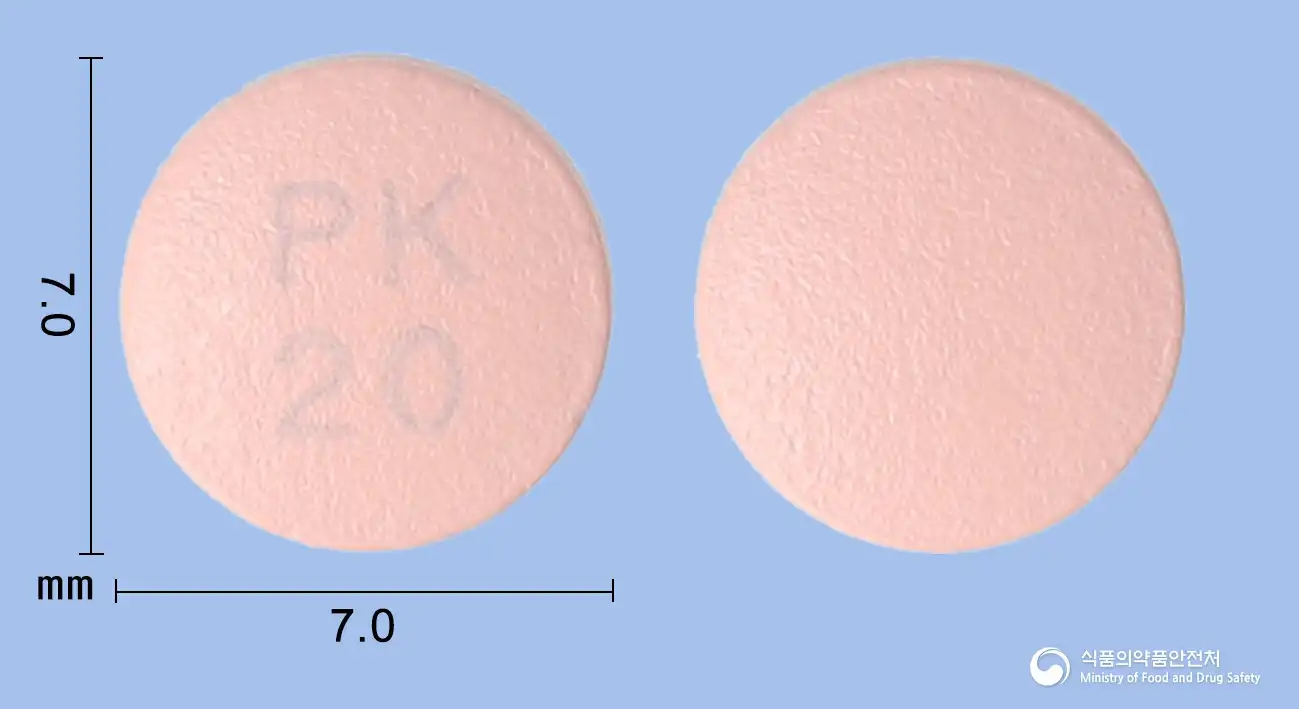
Teneligliptin Hydrochloride Hydrate 26mg
Tablet · Prescription medication
Korea PAVIS Pharmaceutical Co., Ltd.
Even with the same ingredient, the dose and directions can differ by strength and dosage form. Talk to a doctor or pharmacist before switching from a medication you are already taking.
No questions yet.
For anything that needs medical judgment, consult a doctor or pharmacist.
This drug information is based on data provided by the Korea Ministry of Food and Drug Safety.
Consult a doctor or pharmacist for accurate dosage, administration, and usage instructions.