
 한국어
한국어 English
 日本語
日本語 中文(简体)
 Viewing nowCombination
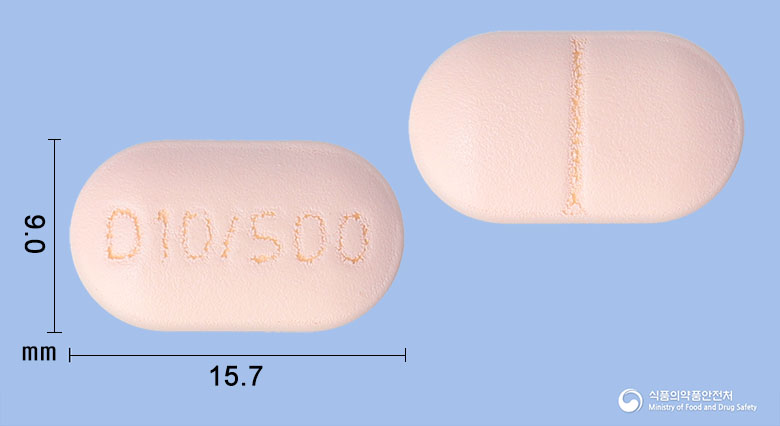
Daparon Duo Sustained Release Tablet 10/500 mg
Metformin Hydrochloride 500mg · Dapagliflozin Bis L-proline 15.6mg
Tablet · Prescription medication · Combination
Hanmi Pharmaceutical Co., Ltd.
MFDS item code 202202499 · Approved 2022.06.15 · Insurance code 643508580
Blood glucose control in type 2 diabetes and prevention of cardiovascular events
This medication aids in blood glucose control for patients with type 2 diabetes by utilizing a combination of dapagliflozin and metformin. It effectively manages blood glucose in conjunction with dietary and exercise interventions. Particularly suitable for adult patients with type 2 diabetes who have not adequately controlled blood glucose, and can be used cautiously in cases with cardiovascular diseases or risk factors. It is advisable to refer to professional guidelines for detailed cardiovascular-related information. This medication improves blood glucose control safely and effectively.
This medication is generally taken once a day with the evening meal. The maximum dosage is one daily dose of 10 mg of dapagliflozin and sustained release 2000 mg of metformin, or two tablets of 5 mg/1000 mg. When initiating therapy in patients without prior experience of diabetes medication, the recommended starting dose is one tablet of either 5 mg/500 mg or 10 mg/500 mg once daily. This medication should be swallowed whole and should not be crushed, split, or chewed.
This medication is used for the treatment of diabetes and helps regulate blood glucose levels. However, it can exceptionally cause a dangerous condition called lactic acidosis, so patients with poor kidney function, severe infections, or heart disease should not use it. Caution is also needed when using it in combination with insulin or sulfonylurea as there is a risk of hypoglycemia. This medication should not be administered to patients with moderate to severe renal impairment, and temporary cessation is required in acute conditions such as dehydration, severe infections, or before and after surgery. Pregnant or breastfeeding women should not use this medication. Regular checks of kidney function, blood pressure, and fluid status should be conducted during use, particularly for the elderly or those on diuretics. This medication may cause side effects such as genital infections, urinary tract infections, hypoglycemia, dehydration, dizziness, constipation, dry mouth, low back pain, urinary pain, polyuria, nocturia, external genital itching, genital itching, increased hematocrit, decreased initial renal creatinine clearance, dyslipidemia, increased serum creatinine at the beginning of treatment, elevated blood urea, weight loss, diarrhea, nausea/vomiting, and vitamin B12 deficiency, so it is advisable to consult medical personnel if symptoms occur. Alcohol consumption can increase the risk of side effects from this medication, so excessive drinking should be avoided during treatment. This medication does not significantly affect driving or machine operation but caution is advisable due to the possibility of dizziness. Finally, store it out of reach of children and keep it in its original container to prevent misuse or degradation of quality.
Lactic acidosis (severe metabolic complication), severe hypoglycemia, ketoacidosis, urosepsis and pyelonephritis, acute kidney injury and renal dysfunction, Guillain-Barré syndrome, bacterial pneumonia, sialadenitis, chest pain, acute cholecystitis, atrial fibrillation, palpitations, perineal necrosis, urticaria, severe swelling (edema), chest tightness, dyspnea, cold sweat, pallor, high fever with severe rash, blisters, skin peeling, mucosal pain in the mouth/eyes, difficulty breathing.
Vulvovaginitis, balanitis and related genital infections, urinary tract infections, fungal infections, hypoglycemia, decreased fluid volume, thirst, dizziness, constipation, dry mouth, low back pain, urinary pain, polyuria, nocturia, external genital itching, genital itching, increased hematocrit, decreased initial kidney creatinine clearance, dyslipidemia, increased serum creatinine at the beginning of treatment, elevated blood urea, weight loss, diarrhea, nausea/vomiting, vitamin B12 deficiency.
Not everyone experiences these, and they can vary from person to person.
This medication should be kept in a tightly sealed container to prevent exposure to air or moisture. It is important to maintain a storage temperature between 1 to 30 degrees Celsius at room temperature.
Pink, biconvex, rectangular, sustained-release film-coated tablet
30 tablets/bottle
Even with the same ingredient, strength, dosage form and how it is taken can differ.
Viewing nowCombinationMetformin Hydrochloride 500mg · Dapagliflozin Bis L-proline 15.6mg
Tablet · Prescription medication · Combination
Hanmi Pharmaceutical Co., Ltd.
 Combination
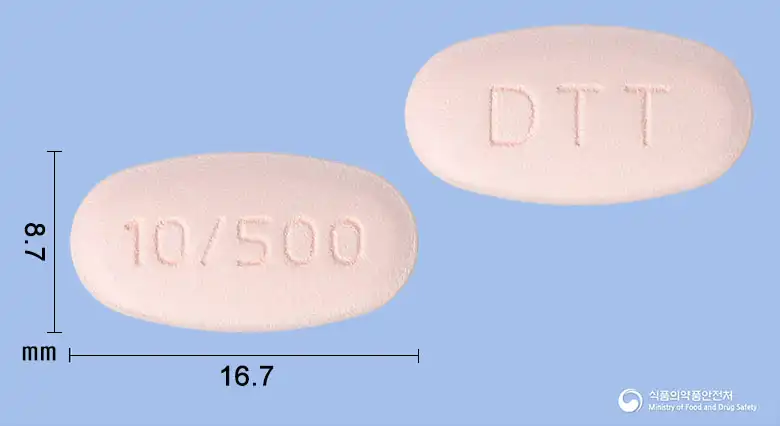
Dapagliflozin Bis L-proline 15.63mg · Metformin Hydrochloride 500mg
Tablet · Prescription medication · Combination
Kyungdong Pharmaceutical Co., Ltd.
 Combination
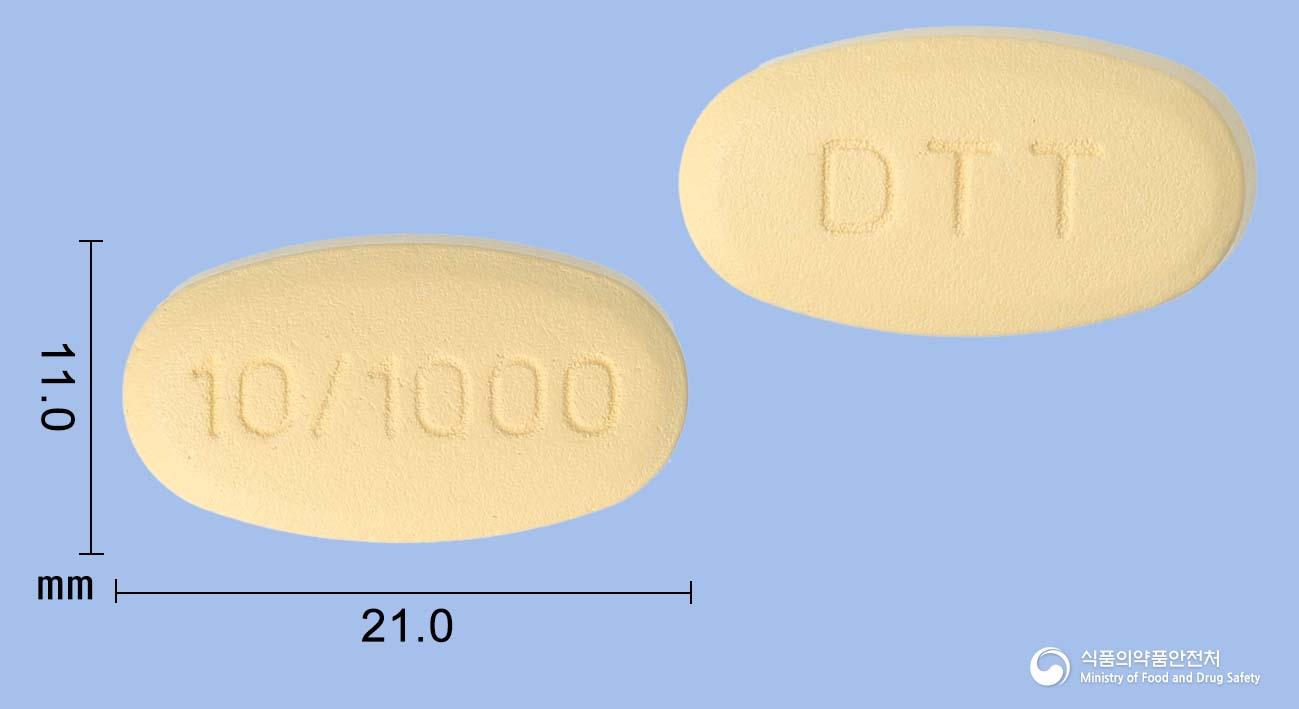
Dapagliflozin Bis L-proline 15.63mg · Metformin Hydrochloride 1000mg
Tablet · Prescription medication · Combination
Kyungdong Pharmaceutical Co., Ltd.
 Combination
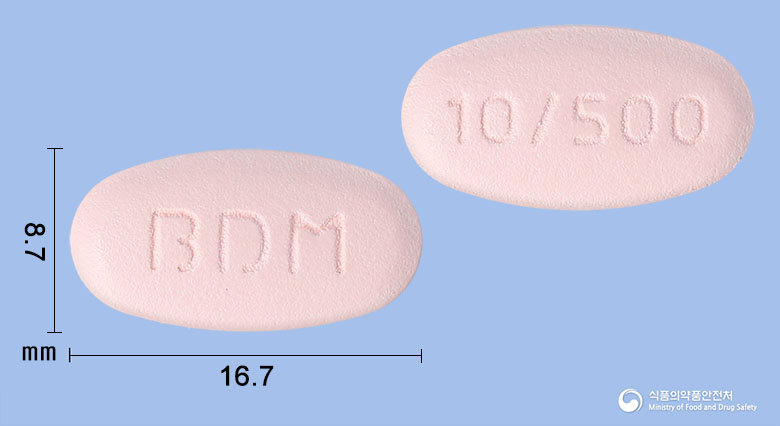
Dapagliflozin Bis L-proline 15.63mg · Metformin Hydrochloride 500mg
Tablet · Prescription medication · Combination
Boryung Pharmaceutical Co., Ltd.
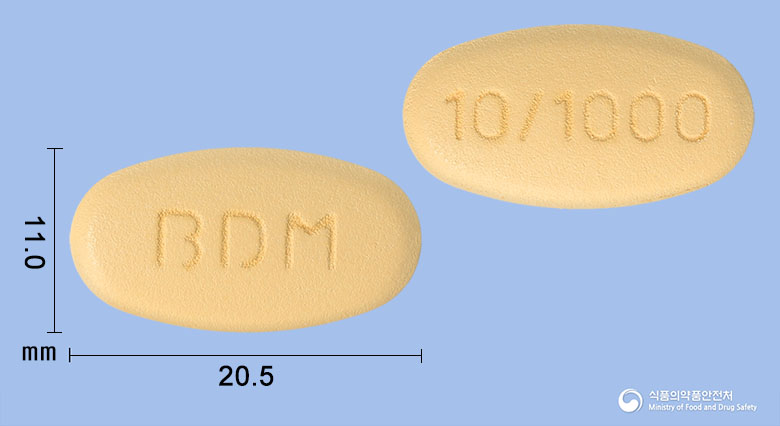 Combination
Dapagliflozin Bis L-proline 15.63mg · Metformin Hydrochloride 1000mg
Tablet · Prescription medication · Combination
Boryung Pharmaceutical Co., Ltd.
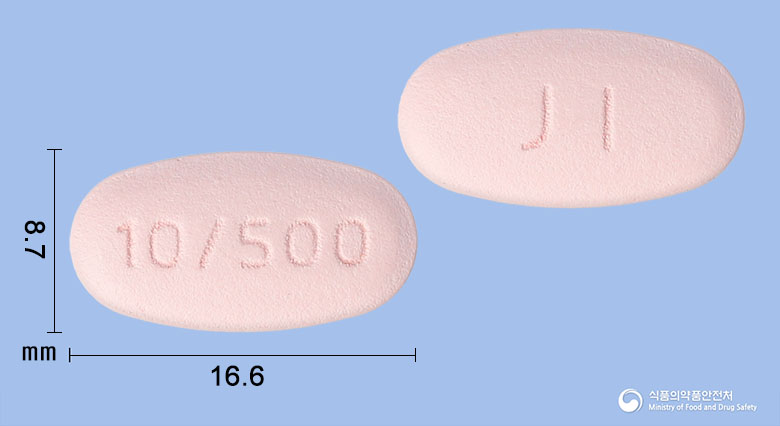 Combination
Dapagliflozin Bis L-proline 15.63mg · Metformin Hydrochloride 500mg
Tablet · Prescription medication · Combination
Cheil Pharmaceutical Co., Ltd.
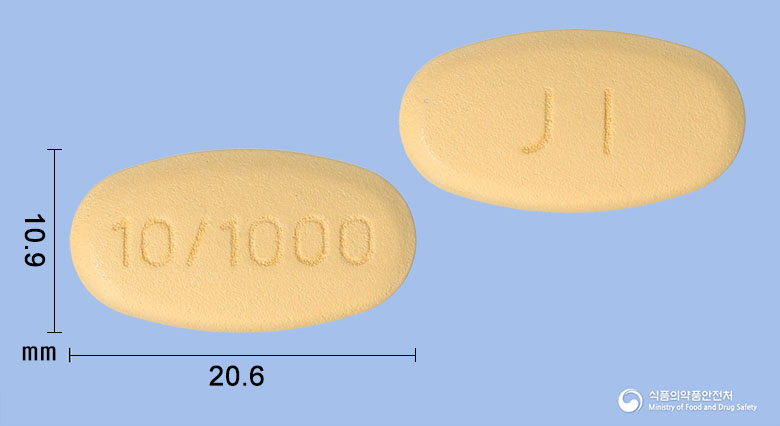 Combination
Dapagliflozin Bis L-proline 15.63mg · Metformin Hydrochloride 1000mg
Tablet · Prescription medication · Combination
Jeil Pharmaceutical Co., Ltd.
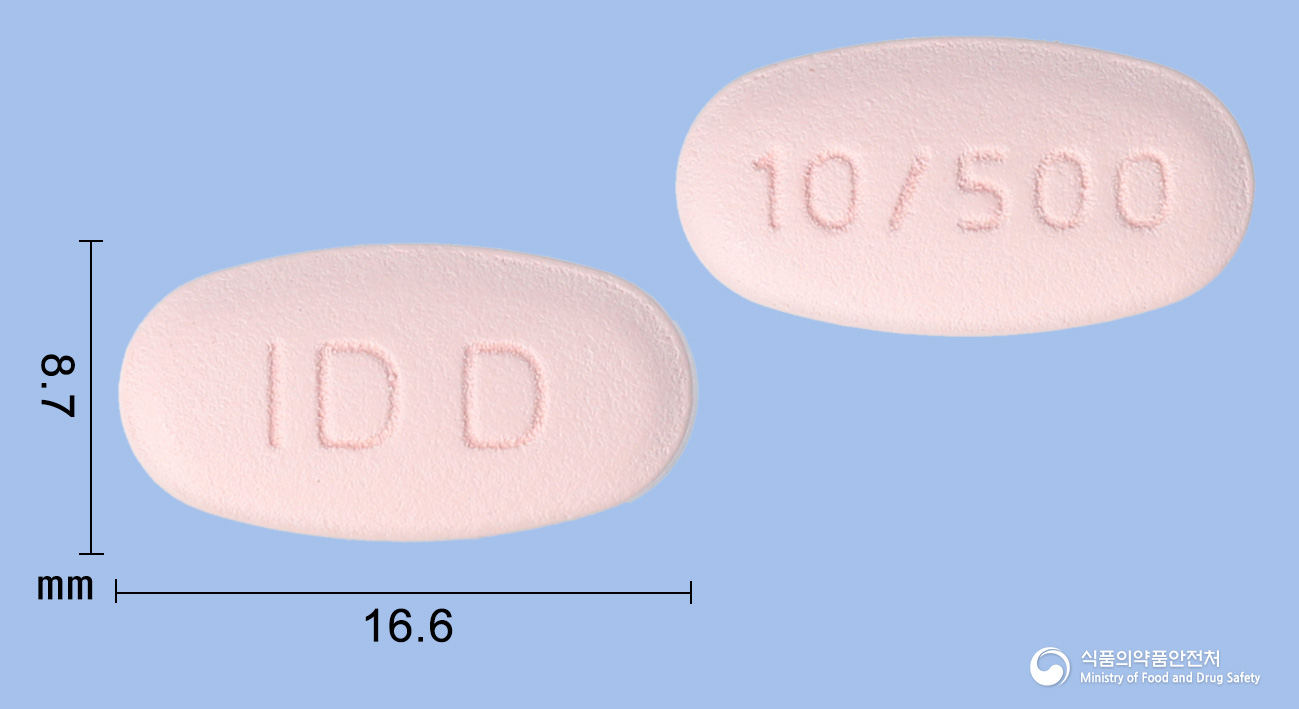 Combination
Dapagliflozin Bis L-proline 15.63mg · Metformin Hydrochloride 500mg
Tablet · Prescription medication · Combination
Ildong Pharmaceutical Co., Ltd.
Even with the same ingredient, the dose and directions can differ by strength and dosage form. Talk to a doctor or pharmacist before switching from a medication you are already taking.
No questions yet.
For anything that needs medical judgment, consult a doctor or pharmacist.
This drug information is based on data provided by the Korea Ministry of Food and Drug Safety.
Consult a doctor or pharmacist for accurate dosage, administration, and usage instructions.