
 한국어
한국어 English
 日本語
日本語 中文(简体)
 Viewing nowCombination
Ducarb Plus Tablet 60/5/25 mg
Fimasartan Potassium Trihydrate Granules 150mg · Amlodipine Besylate 6.94mg +1 more
Tablet · Prescription medication · Combination
Boryung Pharmaceutical Co., Ltd.
MFDS item code 202202455 · Approved 2022.06.10 · Insurance code 641907950
Improvement in blood pressure control in essential hypertension
This medication is used for patients with essential hypertension whose blood pressure is not sufficiently controlled by existing treatments, through a combination therapy of Pimasartan Potassium and Amlodipine. This combination agent dilates blood vessels, lowers blood pressure, and reduces the burden on the heart. Therefore, it is effective for managing hypertension and also helps in preventing cardiovascular diseases. Regular use promotes stable blood pressure control and improves health.
The usual dose is one tablet daily, taken with water regardless of meals. It's advisable to take it at the same time every day (e.g., in the morning). For patients whose blood pressure is not controlled with Pimasartan Potassium/Amlodipine combination therapy, a dose of this medication of 30/5/12.5 mg should be administered, adjusting the dose at intervals of more than two weeks based on the patient's blood pressure response. The maximum recommended dose of this medication is 60/10/25 mg.
This medication poses a serious risk of harm or death to the fetus and newborn when taken during the second and third trimesters of pregnancy; therefore, if pregnancy is confirmed, it should be discontinued immediately. Patients with allergies to this drug or similar medications, those with severely impaired liver or kidney function, pregnant or breastfeeding women, and patients with certain cardiovascular diseases should not take this medication. Special care should be taken when administering this medication to patients with reduced blood volume, weak kidney function, or elderly patients, as there is a risk of hypotension or kidney function worsening. While taking this medication, side effects such as dizziness, headaches, and dyspepsia may occur, and rarely, abnormal reactions like changes in blood test results or skin rashes may occur. As this medication lowers blood pressure, hypotension symptoms may appear when starting treatment or increasing the dosage, so the patient's condition should be closely monitored. There is a risk of elevated potassium levels; thus, patients with heart failure or kidney disease should have their serum potassium levels checked regularly. This medication may interact with other antihypertensive drugs, diuretics, or certain anti-inflammatory medications, so it's crucial to inform healthcare providers about any other medications being taken. Pregnant or breastfeeding women should not take this drug, and those who are breastfeeding should carefully consider whether to take it. Safety and efficacy in children and adolescents under 18 years old have not been established, so it is advisable not to use it in these populations. For elderly patients, starting at a low dose and gradually increasing the dose is considered safer, with special attention paid to dehydration or electrolyte imbalances. In the event of overdose, symptoms such as low blood pressure, palpitations, and dizziness may occur; seek medical attention immediately if any abnormal symptoms occur. This medication should be stored out of reach of children and should not be transferred to other containers.
Hives, swelling, chest tightness, difficulty breathing, cold sweat, pallor, severe rash with fever, blisters, skin peeling, pain in oral/ocular mucosa, shortness of breath or difficulty breathing, asthma attacks, cough accompanied by fever or respiratory distress, yellowing of the skin or eyes (jaundice), extreme lethargy, sudden and severe headaches, thunderclap headache, seizures, confusion, visual disturbances, paralysis, markedly reduced urine output
Not everyone experiences these, and they can vary from person to person.
This medication should be stored in a tightly sealed container to prevent exposure to air or moisture and should be kept at room temperature between 1°C and 30°C. Proper storage will help maintain the effectiveness and safety of the medication.
White rectangular film-coated tablet
30 tablets/box[(10 tablets/PTP x 3)], 30 tablets/bottle, 300 tablets/bottle
Even with the same ingredient, strength, dosage form and how it is taken can differ.
Viewing nowCombinationFimasartan Potassium Trihydrate Granules 150mg · Amlodipine Besylate 6.94mg +1 more
Tablet · Prescription medication · Combination
Boryung Pharmaceutical Co., Ltd.
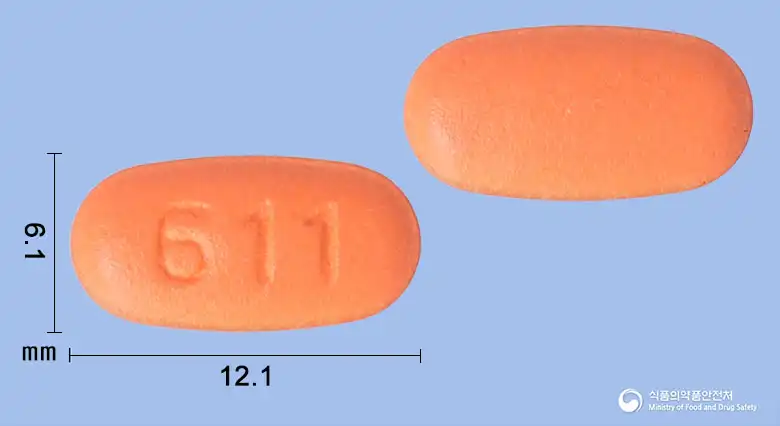 Combination
Fimasartan Potassium Trihydrate Granules 150mg · Amlodipine Besylate 13.88mg +1 more
Tablet · Prescription medication · Combination
Boryung Co., Ltd.
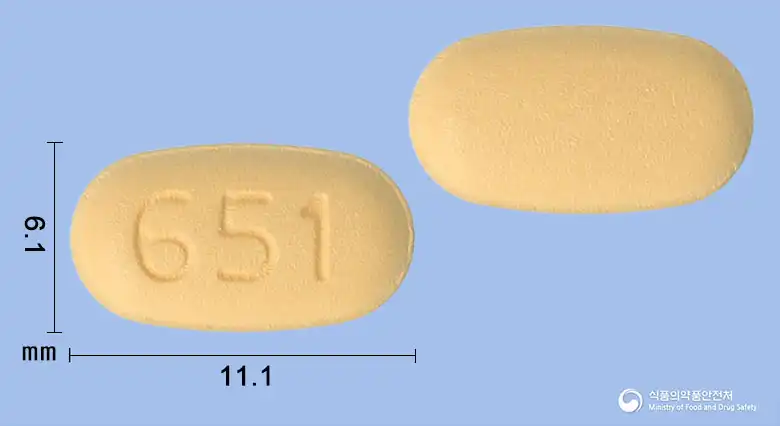 Combination
Fimasartan Potassium Trihydrate Granules 150mg · Amlodipine Besylate 6.94mg +1 more
Tablet · Prescription medication · Combination
Boryung Co., Ltd.
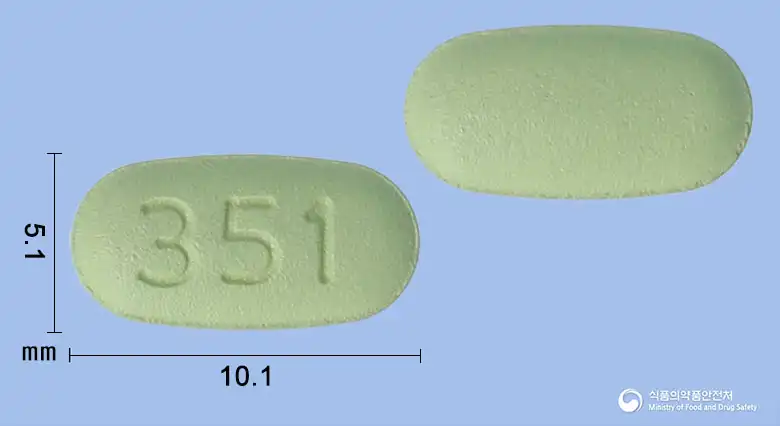 Combination
Fimasartan Potassium Trihydrate Granules 75mg · Amlodipine Besylate 6.94mg +1 more
Tablet · Prescription medication · Combination
Boryung Pharmaceutical Co., Ltd.
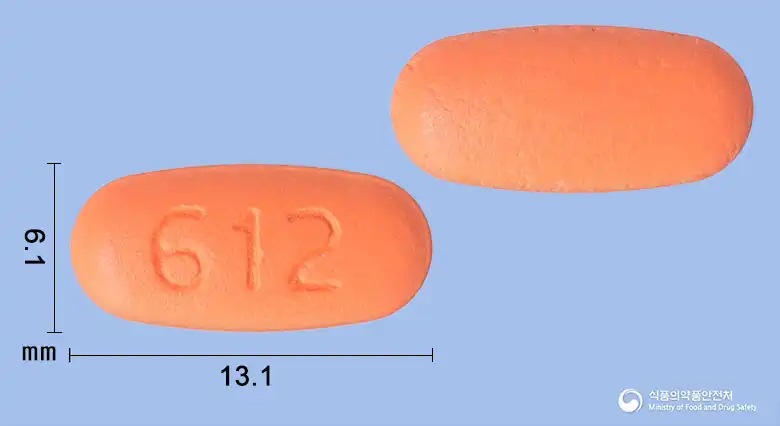 Combination
Fimasartan Potassium Trihydrate Granules 150mg · Amlodipine Besylate 13.88mg +1 more
Tablet · Prescription medication · Combination
Boryung Co., Ltd.
Even with the same ingredient, the dose and directions can differ by strength and dosage form. Talk to a doctor or pharmacist before switching from a medication you are already taking.
No questions yet.
For anything that needs medical judgment, consult a doctor or pharmacist.
This drug information is based on data provided by the Korea Ministry of Food and Drug Safety.
Consult a doctor or pharmacist for accurate dosage, administration, and usage instructions.