
 한국어
한국어 English
 日本語
日本語 中文(简体)
 Viewing nowCombination
Clozartan Tablet 50/12.5 mg (Losartan, Chlorthalidone)
Chlorthalidone 12.5mg · Losartan Potassium 50mg
Tablet · Prescription medication · Combination
Hanmi Pharmaceutical Co., Ltd.
MFDS item code 202202297 · Approved 2022.05.31 · Insurance code 643508520
Improvement in blood pressure control for hypertension
In hypertensive patients for whom blood pressure is not adequately controlled by monotherapy with losartan, additional treatment may be necessary. It is recommended to consider combination therapy or the addition of other medications to enhance blood pressure control. These approaches help effectively lower blood pressure and reduce the risk of cardiovascular complications. Managing blood pressure is crucial for improving overall health and protecting the heart and blood vessels. Therefore, it is necessary to take appropriate measures to manage blood pressure stably.
The recommended dosage for this medication is 1 tablet once daily, taken with water regardless of meals. It is advisable to take it at the same time every day (e.g., in the morning). For elderly patients (75 years and older), the recommended initial dose of Losartan potassium is 25 mg once daily; however, this medication cannot deliver that dosage, so initiation of treatment is not recommended. In cases of renal impairment (creatinine clearance
This medication can cause serious harm to the fetus if taken during pregnancy, especially during the second and third trimesters, so it should be discontinued immediately upon confirmation of pregnancy. Patients with impaired liver function or cirrhosis are at risk of hepatic encephalopathy when taking this medication, so caution is advised. This medication should not be used in patients with severe kidney disease, as some components may accumulate in the body and cause problems. It should be avoided by those with hypersensitivity to this medication or its components and certain liver or kidney diseases. Elderly patients, those with electrolyte imbalances, and patients with heart or vascular diseases should use this medication cautiously, and periodic blood pressure and blood tests are required during treatment. This medication may cause side effects such as dizziness, headache, dyspepsia, skin rash, and other abnormalities; if unusual symptoms occur, it is important to consult a healthcare professional. Serum potassium levels may increase, so co-administration with potassium supplements or potassium-sparing diuretics is not recommended. Care should be taken when combining this medication with other antihypertensives, diuretics, non-steroidal anti-inflammatory drugs (NSAIDs), etc., as interactions may result in side effects. Pregnant and nursing women should not take this medication; if necessary, breastfeeding should be discontinued. Safety in children has not been established, so it is not recommended. Overdosage may result in hypotension, tachycardia, electrolyte imbalances, etc., and immediate medical treatment is required. Keep this medication out of the reach of children and do not transfer it to another container.
Not everyone experiences these, and they can vary from person to person.
Store this medication in a sealed container to protect it from air and moisture. It is best to maintain a storage temperature between 1 and 30 degrees Celsius.
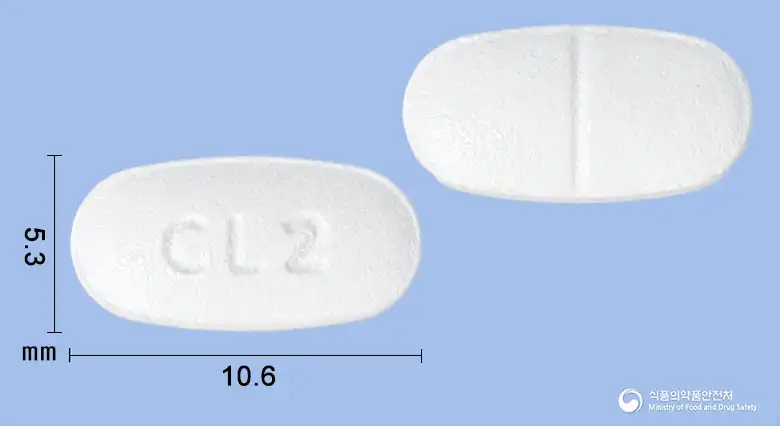
White oval film-coated tablet
30 tablets/bottle
Even with the same ingredient, strength, dosage form and how it is taken can differ.
Viewing nowCombinationChlorthalidone 12.5mg · Losartan Potassium 50mg
Tablet · Prescription medication · Combination
Hanmi Pharmaceutical Co., Ltd.
 Combination
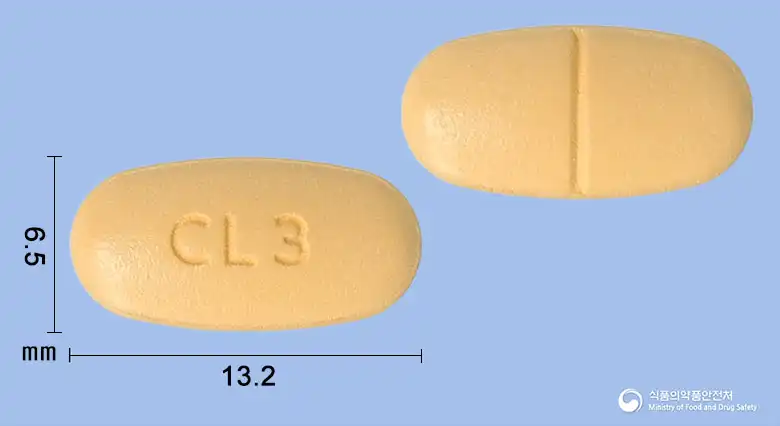
Chlorthalidone 12.5mg · Losartan Potassium 100mg
Tablet · Prescription medication · Combination
Hanmi Pharmaceutical Co., Ltd.
 Combination
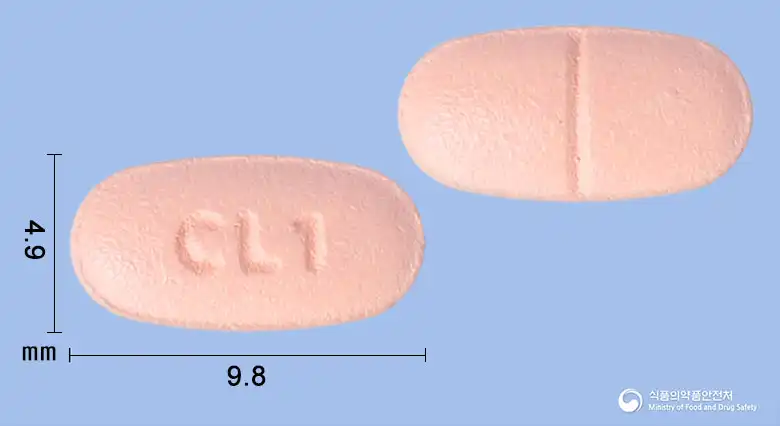
Chlorthalidone 6.25mg · Losartan Potassium 50mg
Tablet · Prescription medication · Combination
Hanmi Pharmaceutical Co., Ltd.
Even with the same ingredient, the dose and directions can differ by strength and dosage form. Talk to a doctor or pharmacist before switching from a medication you are already taking.
No questions yet.
For anything that needs medical judgment, consult a doctor or pharmacist.
This drug information is based on data provided by the Korea Ministry of Food and Drug Safety.
Consult a doctor or pharmacist for accurate dosage, administration, and usage instructions.