Medication info
Clozartan Tablet 100/12.5 mg (Losartan, Chlorthalidone)

Clozartan Tablet 100/12.5 mg (Losartan, Chlorthalidone)

Prescription medicationTabletOral
Ingredient · strength
Chlorthalidone›12.5mg / 1 tabletLosartan Potassium›100mg / 1 tablet
Manufacturer / importer
Hanmi Pharmaceutical Co., Ltd.
Appearance
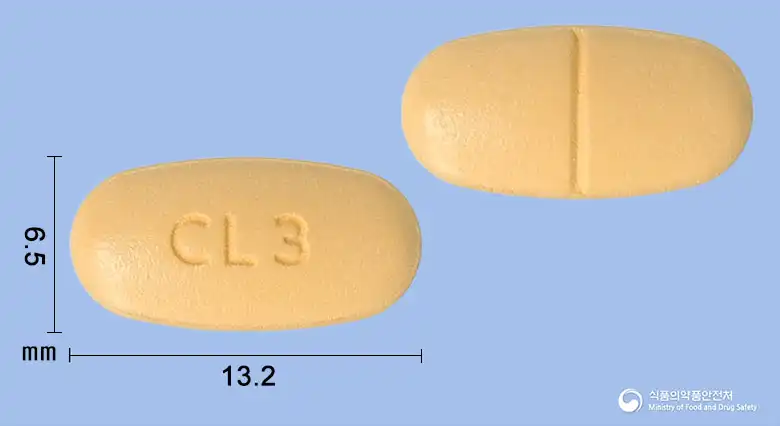
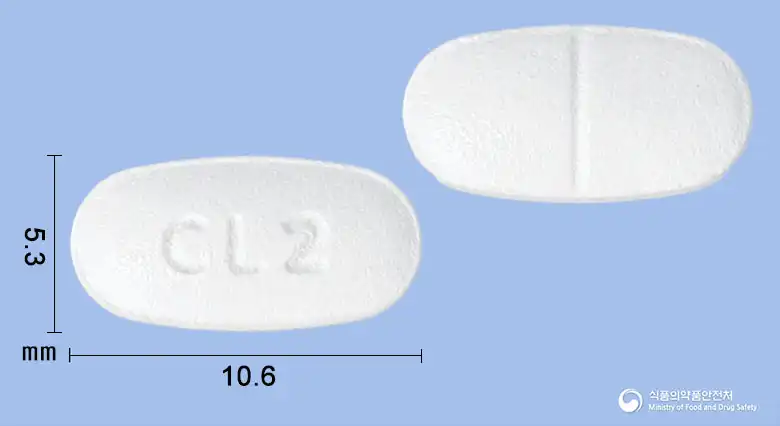
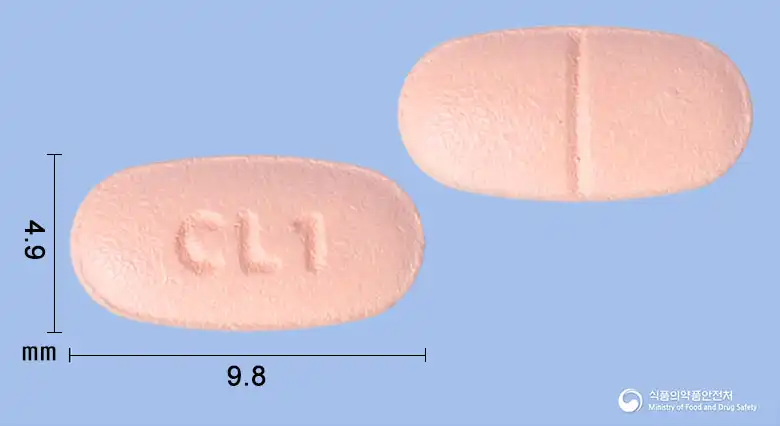
Yellow oval film-coated tablet
Packaging
30 tablets/bottle
Approval status
Active

MFDS item code 202202296 · Approved 2022.05.31 · Insurance code 643508510

Summary

Main use
Treatment of hypertension not adequately controlled with losartan alone
Who takes it
Adults
Adult dose
○ Adults The recommended dose of this medicine is 1 tablet once daily, taken with water, with or without food. It is recommended that it be taken at the same time each day (e.g., in the morning), if possible. It is recommended that the dose be adjusted using losartan potassium before administering this medicine. However, a direct switch to this medicine may be considered when blood pressure is not controlled with monotherapy using the individual components, as follows: - 50/6.25 milligrams, 50/12.5 milligrams: Administer to patients whose blood pressure is not adequately controlled with losartan potassium 50 milligrams as monotherapy. - 100/12.5 milligrams: Administer to patients whose blood pressure is not adequately controlled with losartan potassium 100 milligrams as monotherapy. ○ Elderly patients For elderly patients aged 75 years or older, the recommended initial dose of losartan potassium is 25 milligrams once daily. Since the initial dose of losartan potassium, 25mg, cannot be administered with this medicine, use for initial treatment in these patients is not recommended. ○ Patients with renal impairment No adjustment of the initial dose of losartan potassium is necessary in patients with creatinine clearance of 30~50mL/min. ○ Patients with hepatic impairment Since the initial dose of losartan potassium, 25 mg, for patients with a history of hepatic impairment requiring dose adjustment and for patients with hepatic impairment cannot be administered with this medicine, use for initial treatment in these patients is not recommended. ○ Patients with decreased effective intravascular volume Since the initial dose of losartan potassium, 25 mg, for patients who may have intravascular volume depletion cannot be administered with this medicine, use for initial treatment in these patients is not recommended.

Ingredients

Manufacturer
Hanmi Pharmaceutical Co., Ltd.

Efficacy & effects

Treatment of hypertension not adequately controlled with losartan alone

  • Hypertension
View approved original text

Additional treatment may be necessary for patients with hypertension whose blood pressure is not sufficiently controlled with monotherapy using Losartan. This medication is used to effectively lower blood pressure and improve hypertension.

How to take

Adult dose

○ Adults The recommended dose of this medicine is 1 tablet once daily, taken with water, with or without food. It is recommended that it be taken at the same time each day (e.g., in the morning), if possible. It is recommended that the dose be adjusted using losartan potassium before administering this medicine. However, a direct switch to this medicine may be considered when blood pressure is not controlled with monotherapy using the individual components, as follows: - 50/6.25 milligrams, 50/12.5 milligrams: Administer to patients whose blood pressure is not adequately controlled with losartan potassium 50 milligrams as monotherapy. - 100/12.5 milligrams: Administer to patients whose blood pressure is not adequately controlled with losartan potassium 100 milligrams as monotherapy. ○ Elderly patients For elderly patients aged 75 years or older, the recommended initial dose of losartan potassium is 25 milligrams once daily. Since the initial dose of losartan potassium, 25mg, cannot be administered with this medicine, use for initial treatment in these patients is not recommended. ○ Patients with renal impairment No adjustment of the initial dose of losartan potassium is necessary in patients with creatinine clearance of 30~50mL/min. ○ Patients with hepatic impairment Since the initial dose of losartan potassium, 25 mg, for patients with a history of hepatic impairment requiring dose adjustment and for patients with hepatic impairment cannot be administered with this medicine, use for initial treatment in these patients is not recommended. ○ Patients with decreased effective intravascular volume Since the initial dose of losartan potassium, 25 mg, for patients who may have intravascular volume depletion cannot be administered with this medicine, use for initial treatment in these patients is not recommended.

Precautions

This medication can cause severe harm to the fetus during pregnancy; therefore, women who are pregnant or may become pregnant should not take it. Severe side effects such as decreased fetal lung development, skeletal malformations, and renal failure may occur, so if pregnancy is confirmed, discontinue use immediately. Patients with poor liver function or cirrhosis may experience serious brain dysfunctions, such as hepatic encephalopathy, while taking this drug and should be cautious. Patients with severely impaired kidney function may experience further deterioration of kidney function, such as increased blood nitrogen levels due to the diuretic component in this drug, so it is advisable not to take it. Patients with allergies to this drug or its components, patients with specific genetic disorders, patients with severe liver dysfunction or renal failure, and patients with a history of angioedema should not take this drug. Elderly patients, patients with hyperkalemia, patients with mild liver function impairment, and patients with heart or cerebrovascular diseases should be particularly cautious as this drug may cause excessively low blood pressure or electrolyte imbalances. This drug may cause side effects such as dizziness, headache, dyspepsia, and skin rash; consult your healthcare provider if abnormal symptoms occur. Taking this drug with other antihypertensives, diuretics, or potassium supplements may lead to interactions resulting in excessively low blood pressure or electrolyte imbalances, so it is essential to inform your doctor or pharmacist. Pregnant or nursing women should not take this drug, and breastfeeding mothers should either discontinue breastfeeding or look for alternative treatments. Safety and efficacy in children have not been established, so it is advisable not to use in pediatrics. Elderly patients are especially prone to hypotension or electrolyte abnormalities, so dosing should start at a low amount and be adjusted slowly. Overdose may cause hypotension, rapid heart rate, or consciousness disturbances, requiring immediate medical attention. This medication should be stored out of reach of children and not transferred to other containers, as this is safer.

Side effects

  • Craniosynostosis
  • Anuria
  • Hypotension
  • Renal failure
  • Death
  • Hepatic coma
  • Hypernitrogenemia
  • COVID-19
  • Dizziness
  • Headache
Show 242 more
  • Abdominal distension
  • Chronic gastritis
  • Duodenal ulcer
  • Dyspepsia
  • Gastroesophageal reflux disease
  • Inguinal hernia
  • Asthenia
  • Enteritis
  • Herpes zoster
  • Rhinitis
  • Sinusitis
  • Upper respiratory infection
  • Femoral neck fracture
  • Fracture
  • Sprain
  • Arthralgia
  • Nasal congestion
  • Productive cough
  • Urticaria
  • Diarrhea
  • Nausea
  • Contusion
  • Limb injury
  • Increased C-reactive protein
  • Increased blood creatine phosphokinase
  • Elevated liver enzymes
  • Increased serum triglycerides
  • Orthostatic dizziness
  • Nocturia
  • Premature ventricular contractions
  • Tinnitus
  • Epigastric pain
  • Gastroenteritis
  • Colonic polyp
  • Chest discomfort
  • Influenza-like illness
  • Pain
  • Fever
  • Tenderness
  • Muscle strain
  • Skin abrasion
  • Hypokalemia
  • Musculoskeletal pain
  • Drowsiness
  • Orthostatic hypotension
  • Phlebitis
  • Muscle cramps
  • Back pain
  • Limb pain
  • Nasal congestion
  • Upper respiratory infection
  • Sinusitis
  • Nausea
  • Cough
  • Myalgia
  • Insomnia
  • Weakness
  • Edema
  • Swelling
  • Abdominal pain
  • Chest pain
  • Lip swelling
  • Eyelid swelling
  • Facial rash
  • Palm desquamation
  • Hemolysis
  • Facial edema
  • Fever
  • Orthostatic effect
  • Syncope
  • Angina
  • Second-degree AV block
  • Cerebrovascular accident
  • Hypotension
  • Myocardial infarction
  • Atrial fibrillation
  • Palpitations
  • Bradycardia
  • Tachycardia
  • Ventricular tachycardia
  • Ventricular fibrillation
  • Anorexia
  • Constipation
  • Toothache
  • Xerostomia
  • Flatulence
  • Gastritis
  • Vomiting
  • Anemia
  • Gout
  • Arm pain
  • Hip pain
  • Joint swelling
  • Knee pain
  • Musculoskeletal pain
  • Shoulder pain
  • Myotonia
  • Arthralgia
  • Arthritis
  • Fibromyalgia
  • Muscle weakness
  • Anxiety
  • Anxiety disorder
  • Ataxia
  • Confusion
  • Depression
  • Nightmares
  • Sensory loss
  • Reduced libido
  • Cognitive impairment
  • Migraine
  • Hyperesthesia
  • Dysesthesia
  • Peripheral neuropathy
  • Panic disorder
  • Sleep disorder
  • Somnolence
  • Tremor
  • Dyspnea
  • Bronchitis
  • Pharyngeal discomfort
  • Epistaxis
  • Rhinitis
  • Respiratory congestion
  • Chest discomfort
  • Hair loss
  • Dermatitis
  • Dry skin
  • Petechiae
  • Erythema
  • Flushing
  • Photosensitivity reaction
  • Pruritus
  • Rash
  • Sweating
  • Facial edema
  • Urticaria
  • Blurred vision
  • Eye burning
  • Pain
  • Conjunctivitis
  • Dysgeusia
  • Tinnitus
  • Visual impairment
  • Erectile dysfunction
  • Nocturnal enuresis
  • Frequent urination
  • Urethritis
  • Angioedema
  • Vasculitis
  • Anaphylaxis-like syndrome
  • Liver dysfunction
  • Hepatitis
  • Intestinal vascular edema
  • Lethargy
  • Thrombocytopenia
  • Rhabdomyolysis
  • Acute renal failure
  • Dysgeusia
  • Dry cough
  • Erythema nodosum
  • Hyperkalemia
  • Hyponatremia
  • Elevated ALT
  • Syncope
  • Loss of consciousness
  • Acute hepatitis
  • Fulminant hepatitis
  • Premature ventricular contractions
  • Atrial fibrillation
  • Hypoglycemia
  • Aplastic anemia
  • Necrotizing vasculitis
  • Pulmonary edema
  • Pancreatitis
  • Agranulocytosis
  • Acute renal failure
  • Toxic epidermal necrolysis
  • Hypokalemia
  • Hyperuricemia
  • Increased lipid levels in blood
  • Hyponatremia
  • Hypomagnesemia
  • Hyperglycemia
  • Gout
  • Hypercalcemia
  • Diabetes
  • Worsening diabetic metabolic state
  • Urticaria
  • Skin redness
  • Photosensitivity reaction
  • Intrahepatic cholestasis
  • Jaundice
  • Orthostatic hypotension
  • Deep vein thrombosis
  • Palpitations
  • Dizziness
  • Dysesthesia
  • Headache
  • Depression
  • Heaviness in the head
  • Anorexia
  • Mild gastrointestinal discomfort
  • Nausea
  • Vomiting
  • Abdominal pain
  • Constipation
  • Diarrhea
  • Thrombocytopenia
  • Leukopenia
  • Agranulocytosis
  • Eosinophilia
  • Purpura
  • Visual disturbances
  • Xanthosis
  • Erectile dysfunction
  • Specific pulmonary edema
  • Allergic intestinal inflammation
  • Lethargy
  • Weakness
  • Dehydration due to rapid diuresis
  • Syncope
  • Hematoconcentration
  • Hypovolemic shock
  • Altered consciousness
  • Coma
  • Muscle tension
  • Muscle cramps
  • Dysesthesia
  • Fatigue
  • Drowsiness
  • Disorientation
  • Dizziness
  • Thirst
  • Nausea
  • Vomiting
  • Polyuria
  • Oliguria due to hematoconcentration
  • Anuria
  • Venous thrombosis
  • Drowsiness
  • Hypovolemia.

Not everyone experiences these, and they can vary from person to person.

Storage

This medication is sensitive to air and moisture; therefore, it must be stored in a tightly closed container. It is best to maintain a storage temperature between 1 degree and 30 degrees Celsius to preserve the medication's efficacy over time.

Appearance and packaging

Appearance

Yellow oval film-coated tablet

Package unit

30 tablets/bottle

Same-ingredient medicines

Even with the same ingredient, strength, dosage form and how it is taken can differ.

Even with the same ingredient, the dose and directions can differ by strength and dosage form. Talk to a doctor or pharmacist before switching from a medication you are already taking.

Questions about this medicine

No questions yet.

For anything that needs medical judgment, consult a doctor or pharmacist.

Related searches

Search tags

Suggested searches

This drug information is based on data provided by the Korea Ministry of Food and Drug Safety.
Consult a doctor or pharmacist for accurate dosage, administration, and usage instructions.