
 한국어
한국어 English
 日本語
日本語 中文(简体)
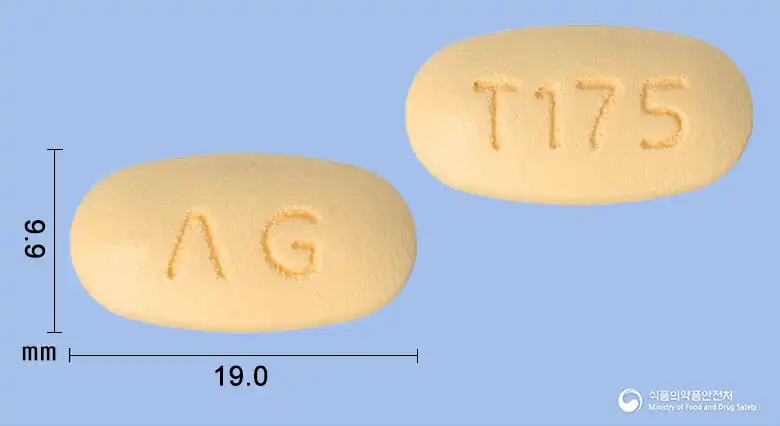 Viewing nowCombination
Atenelm Extended-release Tablet 10/750 mg
Teneligliptin Hydrochloride Hydrate 13mg · Metformin Hydrochloride 750mg
Tablet · Prescription medication · Combination
Ahn-Guk Pharmaceutical Co., Ltd.
MFDS item code 202202215 · Approved 2022.05.23 · Insurance code 650205870
Improvement of blood sugar control in Type 2 diabetes
This medication is used as an adjunct to dietary and exercise regimens to improve blood sugar control in patients with Type 2 diabetes. Teneligliptin and metformin work together to effectively help control blood sugar. This assists in more effective management of diabetes through blood sugar control.
This medication is typically taken once daily with the evening meal, and the dosage is adjusted gradually to reduce gastrointestinal side effects associated with metformin. The 20/1000 mg extended-release tablet is taken once daily, one tablet at a time. For patients taking the 10/750 mg or 10/500 mg extended-release tablets, take two tablets at once once daily. For those who cannot achieve adequate blood sugar control with metformin monotherapy, the initial dose of this medication should provide 20 mg of teneligliptin once daily and the existing dosages of metformin. For patients switching from combination therapy of teneligliptin and metformin to this medication, the dose can be initiated with the existing dosages of teneligliptin and metformin. When converting from immediate-release metformin to an extended-release formulation, blood sugar control must be closely monitored, and dose adjustments should be properly made. When co-administering with sulfonylureas, consideration may be given to reducing sulfonylurea doses to decrease the risk of hypoglycemia. The maximum recommended daily dose is 20 mg of teneligliptin and 2000 mg of extended-release metformin. The safety and efficacy of this medication in patients switching from other antihyperglycemic drugs have not been specifically evaluated. Any changes in treatment for Type 2 diabetes, which may cause alterations in blood sugar control, should be conducted under careful monitoring. To maintain the extended-release characteristics, this medication should be swallowed whole and not split, crushed, ground, or chewed.
This medication is used for the treatment of diabetes and contains metformin and teneligliptin. Renal function is very important when taking this medication. Patients with moderate to severe renal impairment or those in serious conditions such as heart failure, acute myocardial infarction, or sepsis should avoid this medication due to potential risks. Additionally, this medication can cause lactic acidosis, a rare but potentially fatal metabolic complication. Symptoms of lactic acidosis may include muscle pain, weakness, shortness of breath, and abdominal pain, and such symptoms must be reported to a doctor immediately. The risk of hypoglycemia may increase when this medication is used in conjunction with other diabetes medications, so patients should understand hypoglycemia symptoms and how to respond to them effectively. Pregnant women or women who could become pregnant, patients with severe liver impairment, those with severe infections or severe traumatic injuries, and patients scheduled for surgery should not take this medication. Patients with a history of abdominal surgery or bowel obstruction and those with a history of cardiac arrhythmias such as QT interval prolongation should use this medication cautiously. The risk of lactic acidosis increases when this medication is taken with alcohol; thus, avoiding alcohol during treatment is advisable. This medication can lower vitamin B12 levels, so patients on long-term therapy should have regular blood tests, and vitamin B12 supplementation may be necessary. Breastfeeding women are advised against taking this medication and should consult with healthcare professionals if they do. Elderly patients may have decreased renal function, thus requiring dose adjustments and regular renal function monitoring. In cases of overdose, immediate medical attention and possible treatments such as blood dialysis may be necessary. This medication should be kept out of the reach of children and should not be transferred to other containers. If unusual symptoms such as skin blisters or rashes, severe abdominal pain, vomiting, or difficulty breathing occur during treatment, consult a physician immediately.
Hives, severe swelling (edema), chest tightness, difficulty breathing, severe allergic reaction, severe rash with fever, blisters, skin peeling, pain in oral/eye mucosa, severe skin reactions, shortness of breath or difficulty breathing, asthma attacks, respiratory issues with cough and fever, yellowing of skin or eyes (jaundice), extreme lethargy, liver abnormalities (jaundice), sudden and severe headache, lightning-like headache,
Not everyone experiences these, and they can vary from person to person.
This medication should be kept in a tightly closed container to prevent exposure to air or moisture and stored at room temperature between 1 and 30 degrees Celsius. Doing so will maintain the efficacy of the drug and prevent degradation.
Yellow oval-shaped extended-release film-coated tablet
30 tablets/bottle
Even with the same ingredient, strength, dosage form and how it is taken can differ.
Viewing nowCombinationTeneligliptin Hydrochloride Hydrate 13mg · Metformin Hydrochloride 750mg
Tablet · Prescription medication · Combination
Ahn-Guk Pharmaceutical Co., Ltd.
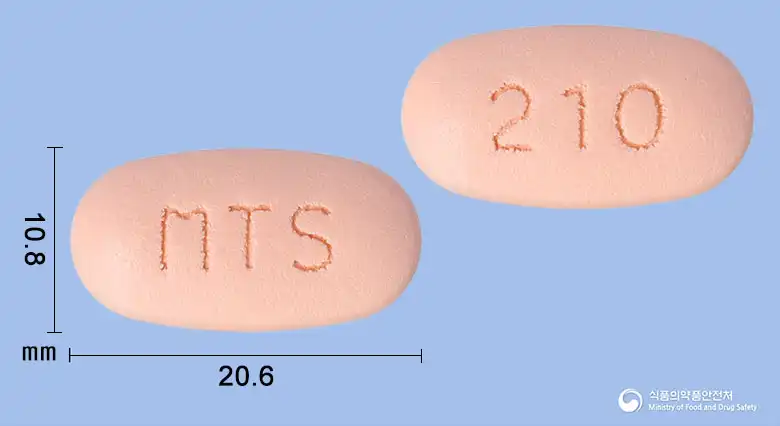 Combination
Teneligliptin Hydrochloride Hydrate 26mg · Metformin Hydrochloride 1000mg
Tablet · Prescription medication · Combination
Mothers Pharmaceutical Co., Ltd.
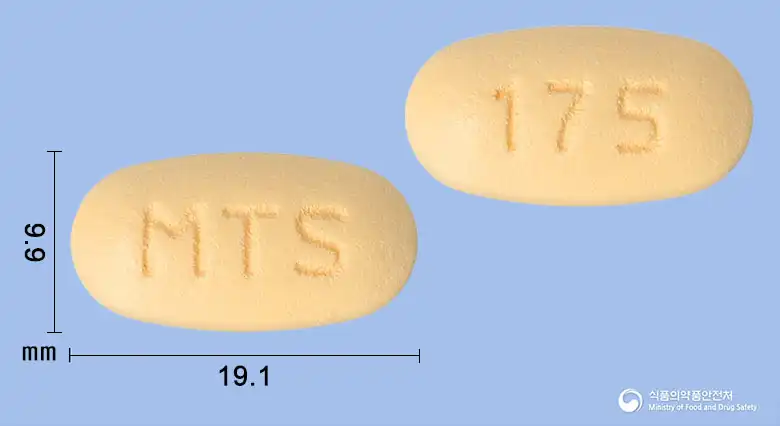 Combination
Teneligliptin Hydrochloride Hydrate 13mg · Metformin Hydrochloride 750mg
Tablet · Prescription medication · Combination
Mothers Pharmaceutical Co., Ltd.
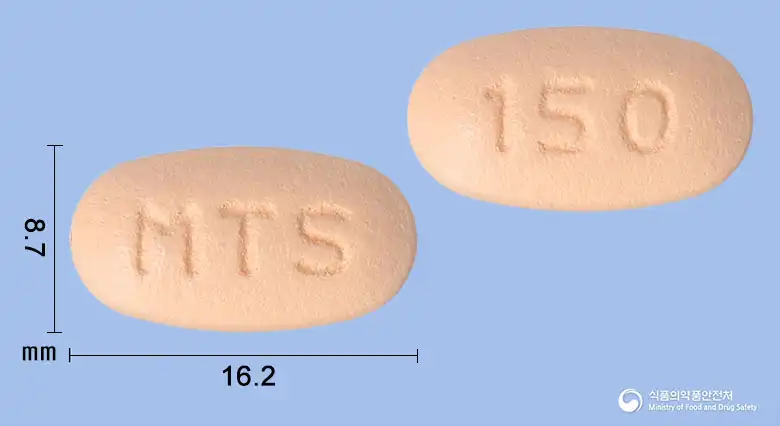 Combination
Teneligliptin Hydrochloride Hydrate 13mg · Metformin Hydrochloride 500mg
Tablet · Prescription medication · Combination
Mothers Pharmaceutical Co., Ltd.
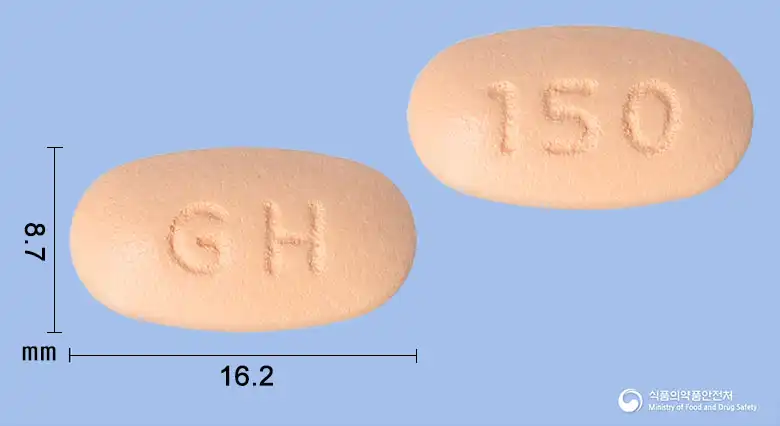 Combination
Teneligliptin Hydrochloride Hydrate 13mg · Metformin Hydrochloride 500mg
Tablet · Prescription medication · Combination
(Yoo) Hanpung Pharmaceutical Co., Ltd.
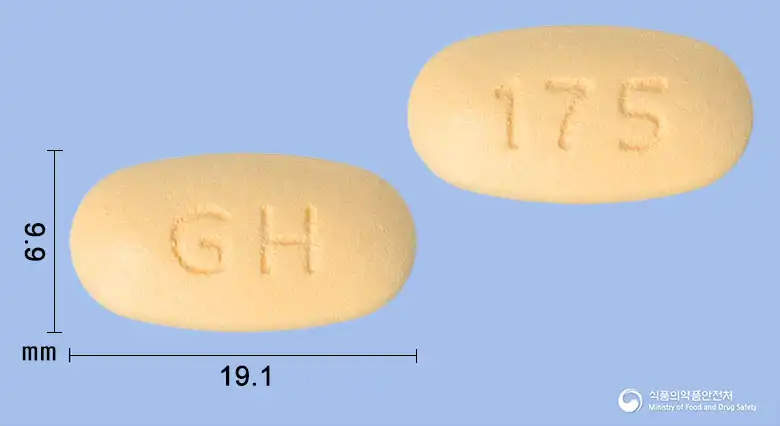 Combination
Teneligliptin Hydrochloride Hydrate 13mg · Metformin Hydrochloride 750mg
Tablet · Prescription medication · Combination
Hanpoong Pharmaceutical Co., Ltd.
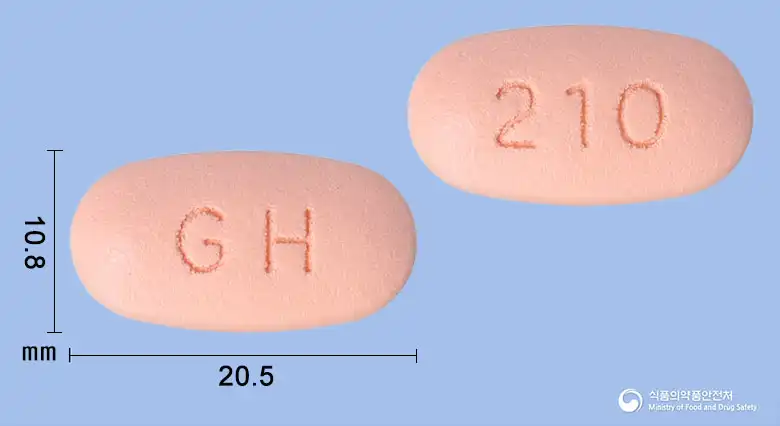 Combination
Teneligliptin Hydrochloride Hydrate 26mg · Metformin Hydrochloride 1000mg
Tablet · Prescription medication · Combination
Hanpung Pharmaceutical Co., Ltd.
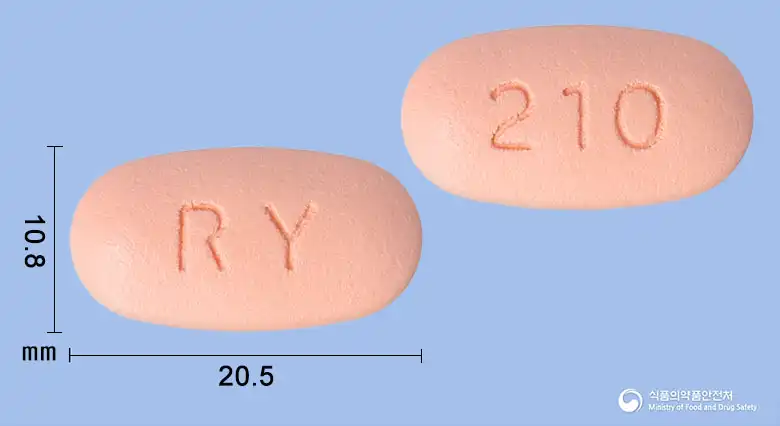 Combination
Teneligliptin Hydrochloride Hydrate 26mg · Metformin Hydrochloride 1000mg
Tablet · Prescription medication · Combination
Iyeon Pharmaceutical Co., Ltd.
Even with the same ingredient, the dose and directions can differ by strength and dosage form. Talk to a doctor or pharmacist before switching from a medication you are already taking.
No questions yet.
For anything that needs medical judgment, consult a doctor or pharmacist.
This drug information is based on data provided by the Korea Ministry of Food and Drug Safety.
Consult a doctor or pharmacist for accurate dosage, administration, and usage instructions.