
 한국어
 English
 日本語
 中文(简体)
 Viewing nowCombination
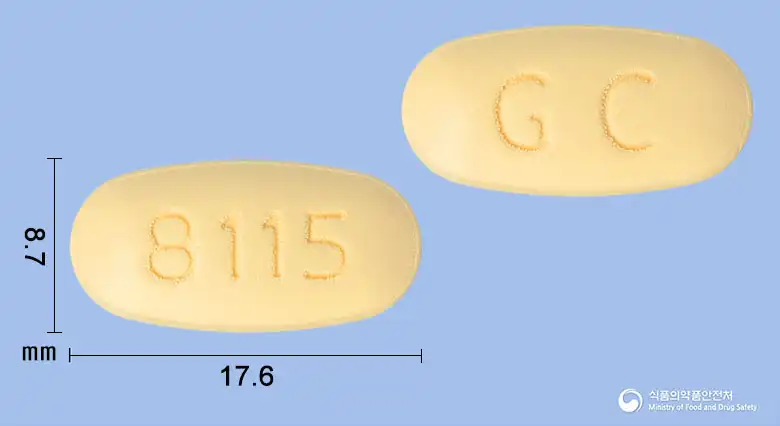
Rozetelpin Tablets 80/10/10/5 Milligrams
Telmisartan 80mg · Rosuvastatin Calcium 10.4mg +2 more
Tablet · Prescription medication · Combination
Green Cross Corporation
MFDS item code 202202192 · Approved 2022.05.23 · Insurance code 643606420
Treatment of essential hypertension and dyslipidemia (including hypercholesterolemia)
This medication is used for patients who are treated simultaneously with a combination of telmisartan/amlodipine and rosuvastatin/ezetimibe. It is primarily prescribed when additional treatment is needed to control hypertension and dyslipidemia. Telmisartan and amlodipine are used for the treatment of essential hypertension and assist when blood pressure cannot be adequately controlled with monotherapy. Rosuvastatin and ezetimibe play a role in improving cholesterol and lipid levels in patients with primary hypercholesterolemia and mixed dyslipidemia. This medication, in conjunction with a diet, reduces total cholesterol, LDL cholesterol, Apo B protein, triglycerides, and non-HDL cholesterol while increasing HDL cholesterol, thereby improving vascular health. Therefore, it is used for the effective treatment of hypertension and dyslipidemia.
This medicine is for use in adults only. The dose should be individualized for each patient based on the efficacy and tolerability of the telmisartan/amlodipine combination and the rosuvastatin/ezetimibe combination. The recommended dose of this medicine is 1 tablet once daily, taken with water, with or without food. It is recommended that it be taken at the same time each day, if possible (e.g., in the morning). Swallow this medicine whole; do not chew, divide, or crush it. ○ Telmisartan/amlodipine The recommended dose of the telmisartan/amlodipine combination is once daily. Before administering the telmisartan/amlodipine combination, it is recommended that the dose be adjusted using the individual components (amlodipine or telmisartan). However, if blood pressure is not controlled with the individual components, switching directly to the telmisartan/amlodipine combination may be considered as follows. - 40/5 mg: For patients whose blood pressure is not adequately controlled with amlodipine 5 mg or telmisartan 40 mg. - 80/5 mg: For patients whose blood pressure is not adequately controlled with amlodipine 5 mg or the telmisartan/amlodipine combination 40/5 mg. - 40/10 mg: For patients whose blood pressure is not adequately controlled with amlodipine 10 mg. ◦ Patients with hepatic impairment: In patients with mild or moderate hepatic impairment, the daily dose of telmisartan should not exceed 40 mg. ◦ Older adults: In patients aged 75 years or older, amlodipine clearance is reduced; therefore, start treatment at a low dose and increase the dose gradually. ○ Rosuvastatin/ezetimibe Patients should continue to follow a standard cholesterol-lowering diet before and during treatment with the rosuvastatin/ezetimibe combination. The dose of the rosuvastatin/ezetimibe combination should be adjusted according to the patient's baseline LDL cholesterol level, recommended treatment goal, and response. Primary hypercholesterolemia The dose range of the rosuvastatin/ezetimibe combination is 5/10mg∼20/10mg once daily. The recommended initial dose is 5/10mg once daily. For patients requiring a greater reduction in LDL cholesterol, the dose may be adjusted. After starting the rosuvastatin/ezetimibe combination or adjusting the dose, check blood lipid levels at intervals of at least 4 weeks and adjust the dose accordingly. The dose may be increased to a maximum of 20/10mg daily. Patients taking the telmisartan/amlodipine combination together with the rosuvastatin/ezetimibe combination may switch to this medicine (a combination product containing the same amounts of each active ingredient) for convenience.
This medication can cause serious harm to the fetus if taken during pregnancy, particularly in the second and third trimesters. Therefore, if pregnancy is confirmed, the medication should be stopped immediately. If muscle problems or symptoms such as muscle pain, cramps, or weakness occur, inform a doctor immediately and get tested. Patients with poor liver function or liver disease should consult healthcare professionals before taking this medication and should undergo regular liver function tests. Patients with severely reduced kidney function or specific kidney diseases should not take this medication. Do not administer this medication to individuals who are allergic to any of its components or have had hypersensitivity reactions to similar medications in the past. Drug interactions may occur if taken with certain other medications; therefore, inform healthcare professionals about all currently taken medications. Since this medication lowers blood pressure, symptoms of hypotension (dizziness, fainting, etc.) may appear, and if symptoms occur, inform healthcare professionals immediately. During the use of this medication, regular blood tests and liver function tests should be conducted, and if any abnormal symptoms arise, consultations should be sought immediately. Caution is advised when driving or operating dangerous machinery, as dizziness or drowsiness may occur. This medication contains specific colorants, so patients allergic to these components should consult healthcare professionals before use. Patients with serious heart or vascular issues, especially those with severe hypotension, congestive heart failure, or unstable conditions following acute myocardial infarction, should be cautious with the usage of this medication.
Eyelid damage, head injury, difficulty in urination, flushing, chronic gastritis, various gastrointestinal disorders, hiatal hernia, facial edema, strange sensation, drug intolerance, chest pain, irritable bowel syndrome, colonic polyps, esophagitis, dizziness, drowsiness, neurodegenerative disorders, positional vertigo, migraine, diabetes, glucose tolerance disorder, depression, bronchitis, rhinitis, cystitis, tinea unguium, soft tissue inflammation, fatty liver disease, liver dysfunction, hepatic toxicity, acute hepatitis, toxic hepatitis, increased gamma-glutamyl transferase enzymes, increased blood cholesterol, increased serum alkaline phosphatase, arrhythmia, osteoarthritis, osteoporosis, musculoskeletal stiffness, musculoskeletal discomfort, muscle weakness, cold sweat, dermatitis, skin burning sensation, skin disorders, alopecia, oropharyngeal pain, nasal congestion, respiratory distress, pelvic pain, breast cysts, ptosis, diabetic retinopathy, ear discomfort, benign esophageal neoplasm, upper respiratory infection, urinary tract infection, sepsis, anemia, thrombocytopenia, eosinophilia, hypersensitivity, anaphylactic reaction, hyperkalemia, hypoglycemia, depression, insomnia, anxiety, syncope, visual disturbances, dizziness, bradycardia, tachycardia, hypotension, orthostatic hypotension, dyspnea, abdominal pain, diarrhea, dyspepsia, abdominal bloating, vomiting, abdominal discomfort, dry mouth, liver function abnormalities, liver disorders, increased sweating, itching, rash, erythema, angioedema, drug rash, toxic dermatosis, eczema, urticaria, myalgia, low back pain, muscle cramps, arthralgia, limb pain, tendon pain, acute renal failure, chest pain, asthenia, influenza-like illness, increased serum creatinine, increased serum uric acid, elevated serum creatine kinase, decreased hemoglobin, facial spasms, sensory disturbances, paralysis, hyperventilation, pneumonia, erectile dysfunction, edema, weakness, fatigue, pain, weight gain, weight loss, vasculitis, tension increase, sensory loss, peripheral neuropathy, taste disturbances, tremor, extrapyramidal disorder, erectile dysfunction, gynecomastia, changes in bowel habits, gingival hypertrophy, pancreatitis, headache, facial swelling, conjunctivitis, tinnitus, petechiae, myopathy, rhabdomyolysis, asthenia, urticaria, hyperhidrosis, purpura, skin discoloration, toxic epidermal necrolysis, palpitations, fatigue, nausea, ineffective response, constipation, increased AST, syncope, generalized pain, muscle cramps, gout, joint pain, numbness, chest discomfort, anorexia, abdominal bloating, abnormal liver function tests, headache, dizziness, increased ALT, chest pain, cough, myalgia, increased CK, constipation, asthenia, fatigue, sensory disturbances, nausea, abdominal pain, diarrhea, anorexia, abnormal liver function tests, syncope, generalized pain, muscle cramps, gout, erectile dysfunction, acute renal failure, oliguria, thrombocytopenia, increased serum creatinine, headache, facial spasms, sensory disturbances, paralysis, cough, hyperventilation, pneumonia, flushing, erectile dysfunction, weakness, edema, decreased libido, alopecia, petechiae, polyneuropathy, memory loss, peripheral neuropathy, diarrhea, Stevens-Johnson syndrome, drug reaction with eosinophilia and systemic symptoms syndrome, lupus-like syndrome, muscle rupture, immune-mediated necrotizing myopathy, hematuria, edema, anaphylaxis, erythema multiforme, cholelithiasis, cholecystitis, tremors, diabetic neuropathy, upper abdominal pain, vomiting, gastritis, epigastric discomfort, belching, gastrointestinal disorders, gastroesophageal reflux disease, tongue disorders, palpitations, congestive heart failure, myocardial ischemia, vasculitis, tension increase, sensory loss, peripheral neuropathy, taste disturbances, tremor, extrapyramidal disorder, erectile dysfunction, gynecomastia, changes in bowel habits, gingival hypertrophy, pancreatitis, headache, facial swelling, conjunctivitis, tinnitus, petechiae, myopathy, rhabdomyolysis, asthenia, urticaria, hyperhidrosis, purpura, skin discoloration, toxic epidermal necrolysis, palpitations, fatigue, nausea, ineffective response, constipation, increased AST, syncope, generalized pain, muscle cramps, gout, joint pain, numbness, chest discomfort, anorexia, abdominal bloating, abnormal liver function tests
Not everyone experiences these, and they can vary from person to person.
Store this medication in a sealed container to protect it from air and moisture. Additionally, it is advisable to store the medication at room temperature between 1°C and 30°C. Avoid excessively hot or cold conditions to maintain the medication's effectiveness.
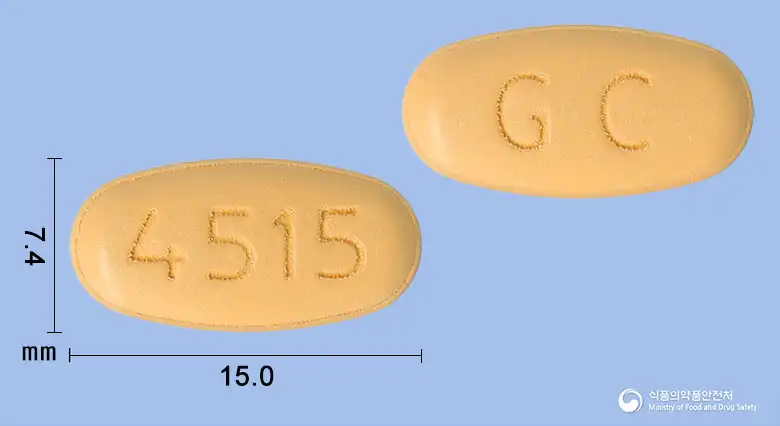
Yellow oval film-coated tablets
30 tablets/box [6 tablets/PTP X 5]
Even with the same ingredient, strength, dosage form and how it is taken can differ.
Viewing nowCombinationTelmisartan 80mg · Rosuvastatin Calcium 10.4mg +2 more
Tablet · Prescription medication · Combination
Green Cross Corporation
Telmisartan 80mg · Rosuvastatin Calcium 5.2mg +2 more
Tablet · Prescription medication · Combination
Yuhan Corporation
Telmisartan 80mg · Rosuvastatin Calcium 20.8mg +2 more
Tablet · Prescription medication · Combination
Yuhan Corporation
Telmisartan 80mg · Rosuvastatin Calcium 10.4mg +2 more
Tablet · Prescription medication · Combination
Yuhan Corporation
Telmisartan 40mg · Rosuvastatin Calcium 5.2mg +2 more
Tablet · Prescription medication · Combination
Yuhan Corporation
Telmisartan 40mg · Rosuvastatin Calcium 20.8mg +2 more
Tablet · Prescription medication · Combination
Yuhan Corporation
Telmisartan 40mg · Rosuvastatin Calcium 10.4mg +2 more
Tablet · Prescription medication · Combination
Yuhan Corporation
 Combination
Telmisartan 40mg · Rosuvastatin Calcium 5.2mg +2 more
Tablet · Prescription medication · Combination
Green Cross Corporation
Even with the same ingredient, the dose and directions can differ by strength and dosage form. Talk to a doctor or pharmacist before switching from a medication you are already taking.
No questions yet.
For anything that needs medical judgment, consult a doctor or pharmacist.
This drug information is based on data provided by the Korea Ministry of Food and Drug Safety.
Consult a doctor or pharmacist for accurate dosage, administration, and usage instructions.