
 한국어
 English
 日本語
 中文(简体)
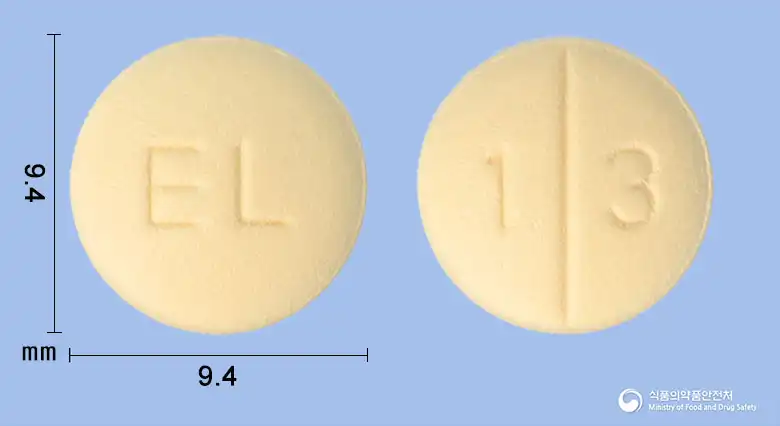 Viewing nowCombination
Nebivolol and Rosuvastatin Tablets 2.5/20 Milligrams (Nebivolol, Rosuvastatin)
Nebivolol Hydrochloride 5.45mg · Rosuvastatin Calcium Micronized 20.8mg
Tablet · Prescription medication · Combination
Eli Lilly and Company
MFDS item code 202202181 · Approved 2022.05.23 · Insurance code 620500390
Treatment of hypertension and heart failure, improvement of dyslipidemia, and inhibition of atherosclerosis progression and cardiovascular risk
This medication is used as an alternative treatment for patients taking nebivolol and rosuvastatin simultaneously. Nebivolol is used as an adjunct to standard treatment in elderly patients aged 70 years and above with essential hypertension and mild to moderate chronic heart failure. Rosuvastatin is used as an adjunct to diet in patients with primary hyperlipidemia and mixed dyslipidemia, and it helps lower blood cholesterol levels and delay the progression of atherosclerosis. Additionally, it serves as an adjunct to diet for patients with dysbetalipoproteinemia and is also effective in reducing the risk of cardiovascular diseases, which helps lower the risks of stroke, myocardial infarction, and arterial revascularization procedures, thereby improving the patient's health status. Therefore, this medication is used for hypertension, heart failure, hyperlipidemia, and reduction of cardiovascular disease risk.
For the convenience of patients currently receiving nebivolol and rosuvastatin concomitantly, switch to this medicine (a combination product containing the same strengths of nebivolol and rosuvastatin as the individual products) and administer 1 tablet once daily.
This medication should not be used in certain patients. For example, patients who are allergic to the components of this medication, have severely impaired liver function, have a very slow heart rate, or those with acute heart failure may be at risk if they take this medication. Additionally, this medication should not be administered to pregnant or breastfeeding women, or to fertile women who are not using adequate contraceptive methods. This medication should be used cautiously in patients with specific diseases, such as chronic lung disease, heart failure, peripheral circulation disorders, and diabetes, and those at high risk for muscle-related side effects need particular attention. If muscle pain or weakness occurs during treatment, healthcare professionals should be notified immediately. It is important to regularly monitor liver function and muscle health while taking this medication. This medication can interact with other drugs, so if you are taking other medications, you must inform your healthcare professionals. Special caution is required when taking it concurrently with calcium channel blockers, antiarrhythmics, antihypertensives, or antidepressants. Women who are pregnant or planning to become pregnant should consult with a doctor before taking this medication, and it should be avoided during breastfeeding. The safety of this medication for children and the elderly has not been adequately established, so careful management is necessary if taken. In case of overdose, severe bradycardia, hypotension, and respiratory distress may occur, prompting an immediate visit to a medical institution for proper treatment. This medication may cause dizziness when driving or operating machinery, so caution is advised during such activities. Finally, this medication should be kept out of reach of children and stored in its original container.
bradycardia, sinus bradycardia, eye discharge, upper abdominal discomfort, gastritis, gastroesophageal reflux disease, chest pain, nasopharyngitis, influenza, increased CK, increased ALT, increased AST, increased blood potassium, hyperkalemia, musculoskeletal chest pain, musculoskeletal pain, musculoskeletal stiffness, headache, dizziness, hematuria, hematoma, rash, vision impairment, AV block, AV conduction delay, hypotension, heart failure, intermittent claudication, sensory abnormalities, depression, nightmares, syncope, diarrhea, constipation, nausea, dyspepsia, bloating, vomiting, dyspnea, bronchospasm, pruritus, erythematous rash, psoriasis exacerbation, edema, fatigue, erectile dysfunction, vascular neurogenic edema, hallucinations, psychosis, confusion, cyanotic limbs, dry eyes, practolol-type conjunctival skin toxicity, Raynaud's phenomenon, worsening heart failure, orthostatic hypotension, drug intolerance, first-degree AV block, lower limb edema, dizziness, headache, constipation, edema, nausea, heartburn, diarrhea, insomnia, palpitations, dyspepsia, abdominal pain, bradycardia, vomiting, frequent urination, increased blood glucose, neck/shoulder pain, sensory abnormalities, gastritis, chest pain, weakness, insufficient effect, weight loss, cough, cold, dry cough, loss of appetite, anxiety, back pain, increased blood creatinine, tinnitus, vertigo, tremors, neuromuscular disease, gastroesophageal reflux, irritable bowel syndrome, thirst, gastric ulcer, gastrointestinal disorder, general weakness, facial edema, generalized edema, upper respiratory infection, rhinitis, sore throat, runny nose, anxiety, depression, drowsiness, arthralgia, flank pain, neck stiffness, low back pain, increased BUN, bladder discomfort, cystitis, urinary stones, hematuria, diabetes, urticaria, tinea pedis, sweating, tinea corporis, hypotension, hypertension, cerebrovascular disease, peripheral vascular disease, flushing, nosebleed, viral infection, thyroiditis, chronic myeloid leukemia, vascular edema, diabetes, pancreatitis, pruritus, rash, urticaria, myalgia, myopathy, rhabdomyolysis, weakness, polyneuropathy, memory loss, peripheral neuropathy, cough, dyspnea, diarrhea, thrombocytopenia, jaundice, hepatitis, Stevens-Johnson syndrome, eosinophilia and systemic symptom-associated drug reaction syndrome, lupus-like syndrome, muscle rupture, arthralgia, immune-mediated necrotizing myopathy, hematuria, edema, depression, sleep disorders, sexual dysfunction, gynecomastia, fatal and non-fatal liver failure, cognitive impairment, severe muscle weakness, ophthalmoplegia, acute renal failure, oliguria, thrombocytopenia, increased blood creatinine, bradycardia, hypotension, bronchospasm, acute heart failure in case of overdose
Not everyone experiences these, and they can vary from person to person.
This medication must be stored in a tightly sealed container to prevent exposure to air and moisture. It is important to maintain the storage temperature between 1 to 30 degrees Celsius at room temperature to ensure the efficacy and safety of the medication for a longer time.
Pale yellow round film-coated tablet
30 tablets/bottle, 100 tablets/bottle
Even with the same ingredient, strength, dosage form and how it is taken can differ.
Viewing nowCombinationNebivolol Hydrochloride 5.45mg · Rosuvastatin Calcium Micronized 20.8mg
Tablet · Prescription medication · Combination
Eli Lilly and Company
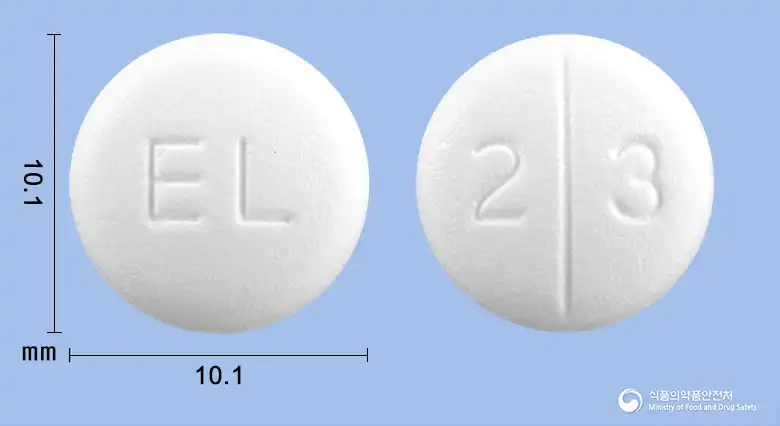 Combination
Nebivolol Hydrochloride 5.45mg · Rosuvastatin Calcium Micronized 20.8mg
Tablet · Prescription medication · Combination
Ellison Pharmaceuticals Co., Ltd.
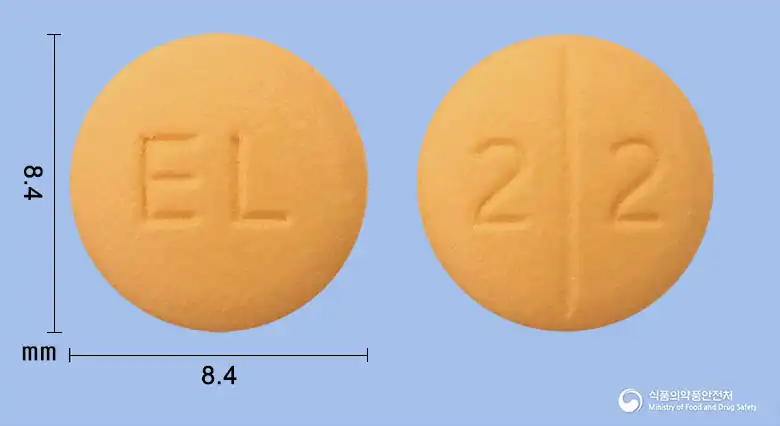 Combination
Nebivolol Hydrochloride 5.45mg · Rosuvastatin Calcium Micronized 10.4mg
Tablet · Prescription medication · Combination
EriSon Pharmaceutical Co., Ltd.
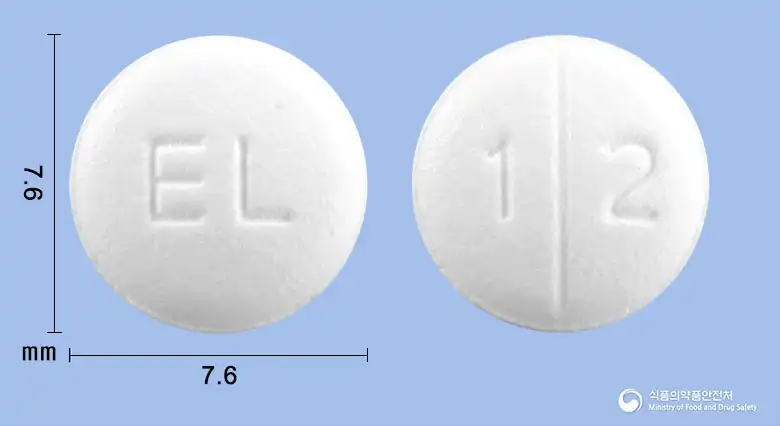 Combination
Nebivolol Hydrochloride 2.725mg · Rosuvastatin Calcium Micronized 10.4mg
Tablet · Prescription medication · Combination
Erisun Pharmaceutical Co., Ltd.
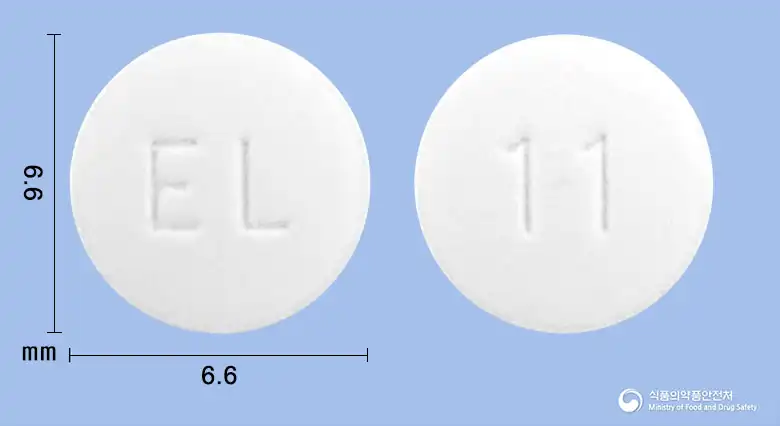 Combination
Nebivolol Hydrochloride 5.45mg · Rosuvastatin Calcium Micronized 20.8mg
Tablet · Prescription medication · Combination
Erison Pharmaceutical Co., Ltd.
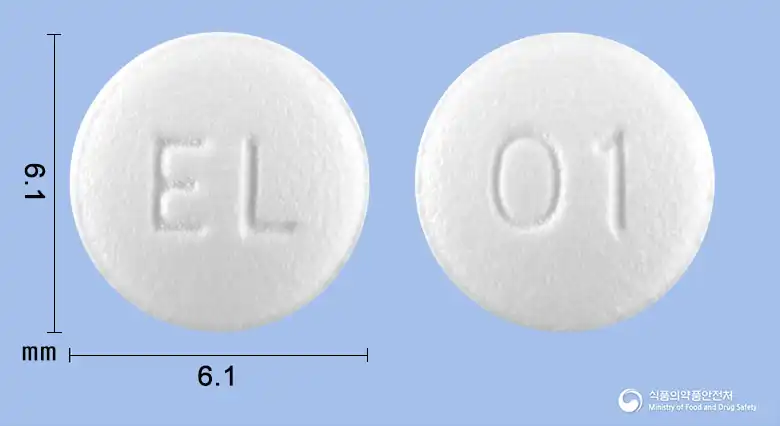 Combination
Nebivolol Hydrochloride 2.725mg · Rosuvastatin Calcium Micronized 10.4mg
Tablet · Prescription medication · Combination
Erisun Pharmaceuticals Co., Ltd.
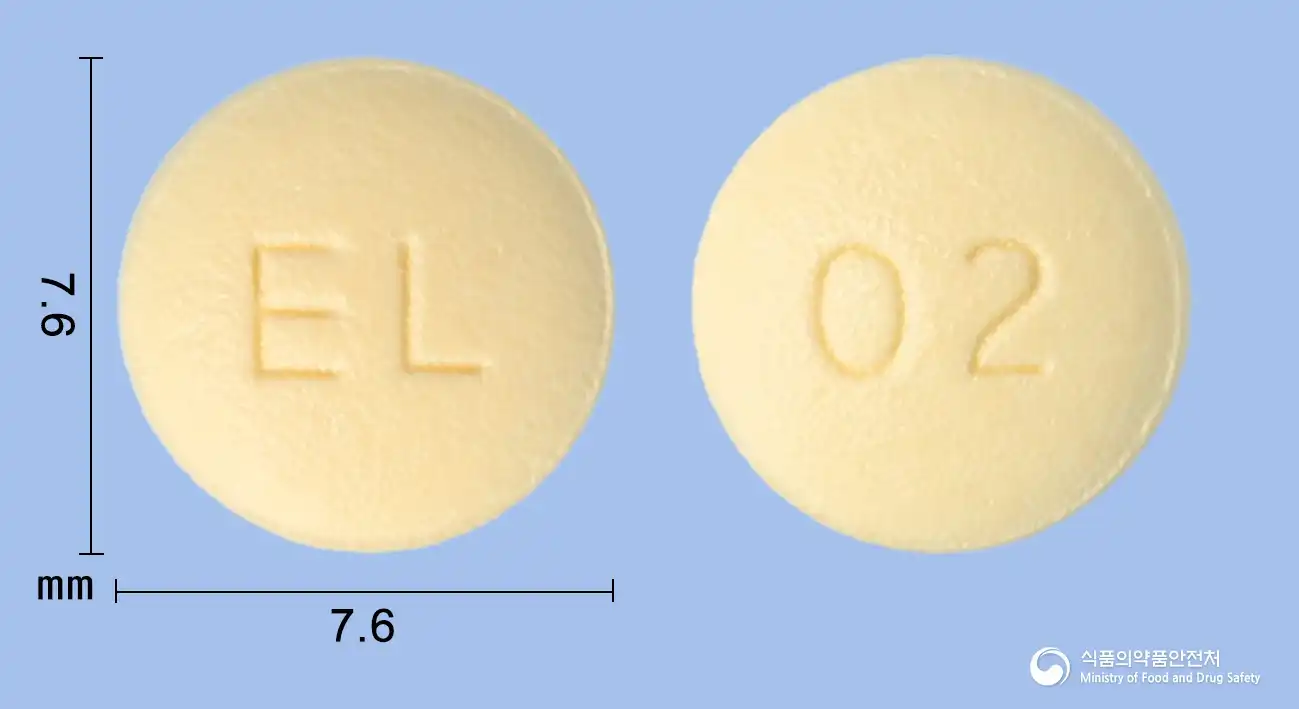 Combination
Nebivolol Hydrochloride 5.45mg · Rosuvastatin Calcium Micronized 20.8mg
Tablet · Prescription medication · Combination
Eryson Pharmaceutical Co., Ltd.
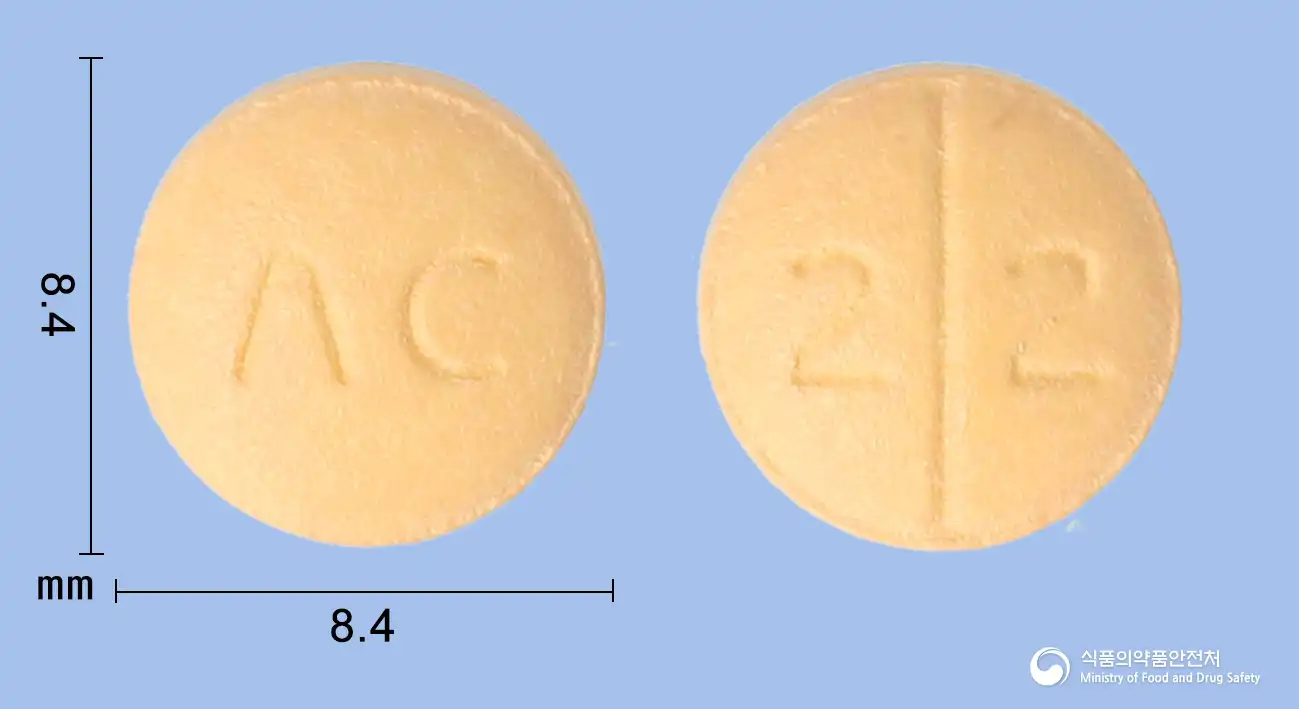 Combination
Nebivolol Hydrochloride 5.45mg · Rosuvastatin Calcium Micronized 10.4mg
Tablet · Prescription medication · Combination
Allico Pharmaceutical Co., Ltd.
Even with the same ingredient, the dose and directions can differ by strength and dosage form. Talk to a doctor or pharmacist before switching from a medication you are already taking.
No questions yet.
For anything that needs medical judgment, consult a doctor or pharmacist.
This drug information is based on data provided by the Korea Ministry of Food and Drug Safety.
Consult a doctor or pharmacist for accurate dosage, administration, and usage instructions.