
 한국어
 English
 日本語
 中文(简体)
Dosage form image
Viewing nowCombinationDuo Well A Plus Tablet 80/5/10/5 milligrams
Telmisartan 80mg · Rosuvastatin Calcium 5.2mg +2 more
Tablet · Prescription medication · Combination
Yuhan Corporation
MFDS item code 202202135 · Approved 2022.05.20
Treatment of hypertension and dyslipidemia (including hypercholesterolemia)
This medication is used for patients who need to treat both hypertension and dyslipidemia simultaneously. It is particularly suitable for patients with essential hypertension whose blood pressure is not adequately controlled despite taking telmisartan and amlodipine combination therapy. Additionally, it is indicated for patients with primary hypercholesterolemia or mixed dyslipidemia who require treatment through a combination of atorvastatin and ezetimibe. This medication helps lower total cholesterol, LDL cholesterol, Apo B, triglycerides, and non-HDL cholesterol levels, while raising HDL cholesterol levels, thus effectively managing hypertension and dyslipidemia to improve health.
This medicine is for use in adults only. The dose should be individualized for each patient based on the efficacy and tolerability of the telmisartan/amlodipine combination and the rosuvastatin/ezetimibe combination. The recommended dose of this medicine is 1 tablet once daily, taken with water, with or without food. It is recommended that it be taken at the same time each day, if possible (e.g., in the morning). Take this medicine whole; do not chew, split, or crush it. ○ Telmisartan/amlodipine The recommended dose of the telmisartan/amlodipine combination is once daily. It is recommended that the dose be adjusted using the individual components (amlodipine or telmisartan) before administering the telmisartan/amlodipine combination. However, if blood pressure is not controlled with the individual components, switching directly to the telmisartan/amlodipine combination may be considered as follows. - 40/5 mg: For patients whose blood pressure is not adequately controlled with amlodipine 5 mg or telmisartan 40 mg. - 80/5 mg: For patients whose blood pressure is not adequately controlled with amlodipine 5 mg or the telmisartan/amlodipine combination 40/5 mg. - 40/10 mg: For patients whose blood pressure is not adequately controlled with amlodipine 10 mg. ◦ Patients with hepatic impairment: The daily dose of telmisartan should not exceed 40 mg in patients with mild or moderate hepatic impairment. ◦ Elderly patients: In elderly patients aged 75 years and older, amlodipine clearance is reduced; therefore, treatment should be initiated at a low dose and the dose increased gradually. ○ Rosuvastatin/ezetimibe Patients should continue to follow a standard cholesterol-lowering diet before and during treatment with the rosuvastatin/ezetimibe combination. The dose of the rosuvastatin/ezetimibe combination should be adjusted according to the patient's baseline LDL cholesterol level, the recommended treatment goal, and the patient's response. Primary hypercholesterolemia The dose range of the rosuvastatin/ezetimibe combination is 5/10mg–20/10mg once daily. The recommended initial dose is 5/10mg once daily. The dose may be adjusted for patients who require a greater reduction in LDL cholesterol. After initiating treatment with the rosuvastatin/ezetimibe combination or adjusting the dose, check blood lipid levels at intervals of at least 4 weeks and adjust the dose accordingly; the dose may be increased up to a maximum of 20/10mg once daily. Patients taking the telmisartan/amlodipine combination and the rosuvastatin/ezetimibe combination concomitantly may switch to this medicine (a combination product containing the same amounts of each active ingredient) for convenience.
This medication can pose serious risks to the fetus during pregnancy, thus women who are pregnant or may become pregnant should avoid taking it. Muscle-related side effects may occur, so if symptoms such as muscle pain or weakness appear, the patient should inform their doctor immediately, and medications may need to be discontinued if necessary. This medication can affect liver function, so patients with liver disease or abnormal liver enzyme levels should undergo regular liver function tests. Patients with reduced kidney function may experience deterioration of kidney function, so kidney function should be monitored periodically. Patients with low blood pressure or vascular diseases may experience symptoms of hypotension while taking this medication, so caution is advised. There may be interactions with other medications, so patients should inform healthcare providers about any other drugs they are taking. This medication can cause allergic reactions, so those with a history of allergies to its ingredients or similar drugs should not take it. Symptoms such as dizziness or drowsiness may occur, so caution is needed when driving or operating machinery. Because there is a risk of hyperkalemia, regular monitoring of serum potassium levels is recommended. During the use of this medication, regular blood tests and monitoring as prescribed by a physician are important.
Eyelid damage, head injury, difficulty urinating, flushing, chronic gastritis, various gastrointestinal disorders, hiatal hernia, chest pain, facial swelling, unusual sensations, drug intolerance, irritable bowel syndrome, esophagitis, dizziness, drowsiness, neurodegenerative disorders, positional dizziness, migraine, diabetes, glucose tolerance impairment, depression, bronchitis, rhinitis, cystitis, onychomycosis, soft tissue infection, hepatic steatosis, liver dysfunction, hepatotoxicity, acute hepatitis, toxic hepatitis, increased gamma-glutamyl transferase, increased blood cholesterol, increased serum alkaline phosphatase, irregular heartbeat, osteoarthritis, osteoporosis, musculoskeletal stiffness, musculoskeletal discomfort, muscle weakness, sweating, dermatitis, skin burning sensation, skin disorders, alopecia, oropharyngeal pain, nasal congestion, respiratory difficulties, pelvic pain, breast cysts, ptosis, diabetic retinopathy, ear discomfort, renal dysfunction, benign esophageal neoplasm, upper respiratory infection, urinary tract infection, sepsis, anemia, thrombocytopenia, eosinophilia, hypersensitivity, anaphylactic reaction, hyperkalemia, hypoglycemia, depression, insomnia, anxiety, syncope, visual disturbances, dizziness, bradycardia, tachycardia, hypotension, orthostatic hypotension, dyspnea, abdominal pain, diarrhea, dyspepsia, abdominal distension, vomiting, abdominal discomfort, dry mouth, abnormal liver function, liver injury, increased sweating, itching, rash, erythema, angioedema, drug rash, toxic skin rash, eczema, urticaria, myalgia, low back pain, muscle cramps, arthralgia, limb pain, tendon pain, acute renal failure, chest pain, asthenia, influenza-like illness, increased serum creatinine, increased uric acid, elevated liver enzymes, increased serum creatine kinase, decreased hemoglobin, headache, facial spasms, sensory disturbances, paralysis, hyperventilation, pneumonia, erectile dysfunction, loss of appetite, edema, malaise, weight gain, weight loss, vasculitis, tension headache, sensory loss, peripheral neuropathy, taste disturbances, tremor, extrapyramidal disorders, erectile dysfunction, gynecomastia, changes in bowel habits, gingival hyperplasia, pancreatitis, dry mouth, dyspepsia, thrombocytopenia, insomnia, mood swings, rhinitis, hair loss, hyperhidrosis, purpura, skin discoloration, urticaria, toxic epidermal necrolysis, tinnitus, visual disturbances, increased urinary frequency, urinary disorders, nocturia, hepatitis, jaundice, elevated liver enzyme levels, pruritus, skin flush, maculopapular rash, myocardial infarction, arrhythmia, sinoatrial block, atrioventricular block, precordial pain, diarrhea, loose stools, constipation, heaviness, heat sensation, impaired glucose tolerance, asthenia, petechiae, polyneuropathy, amnesia, peripheral neuropathy, diarrhea, cholelithiasis, cholecystitis, urticaria, hyperhidrosis, rash, itching, conjunctival congestion, renal failure, abnormal liver function, asthenia, discomfort in the chest, generalized edema, diabetic neuropathy, tremors, epigastric pain, vomiting, gastritis, epigastric discomfort, belching, gastrointestinal disorders, palpitations, congestive heart failure, myocardial ischemia, sputum, limb pain, arthralgia, diabetes, hypoglycemia, anemia, splenomegaly, Stevens-Johnson syndrome, drug reaction with eosinophilia and systemic symptoms, lupus-like syndrome, muscle rupture, immune-mediated necrotizing myopathy, hematuria, edema, cognitive impairment, memory decline, forgetfulness, amnestic syndrome, memory disorder, confusion, severe myasthenia gravis, ocular myasthenia gravis, anaphylaxis, urticaria, rash, angioedema, erythema multiforme, arthralgia, myalgia, increased creatine phosphokinase levels, myopathy, rhabdomyolysis, elevated liver aminotransferases, hepatitis, abdominal pain, thrombocytopenia, nausea, pancreatitis, tremor, cholelithiasis, cholecystitis
Not everyone experiences these, and they can vary from person to person.
Store this medication in a tightly sealed container to prevent air or moisture from entering. It is advisable to maintain a storage temperature between 1 degree and 30 degrees Celsius at room temperature.
Orange oval film-coated tablet
30 tablets/box [6 tablets/PTP X 5]
Even with the same ingredient, strength, dosage form and how it is taken can differ.
Telmisartan 80mg · Rosuvastatin Calcium 5.2mg +2 more
Tablet · Prescription medication · Combination
Yuhan Corporation
Telmisartan 80mg · Rosuvastatin Calcium 20.8mg +2 more
Tablet · Prescription medication · Combination
Yuhan Corporation
Telmisartan 80mg · Rosuvastatin Calcium 10.4mg +2 more
Tablet · Prescription medication · Combination
Yuhan Corporation
Telmisartan 40mg · Rosuvastatin Calcium 5.2mg +2 more
Tablet · Prescription medication · Combination
Yuhan Corporation
Telmisartan 40mg · Rosuvastatin Calcium 20.8mg +2 more
Tablet · Prescription medication · Combination
Yuhan Corporation
Telmisartan 40mg · Rosuvastatin Calcium 10.4mg +2 more
Tablet · Prescription medication · Combination
Yuhan Corporation
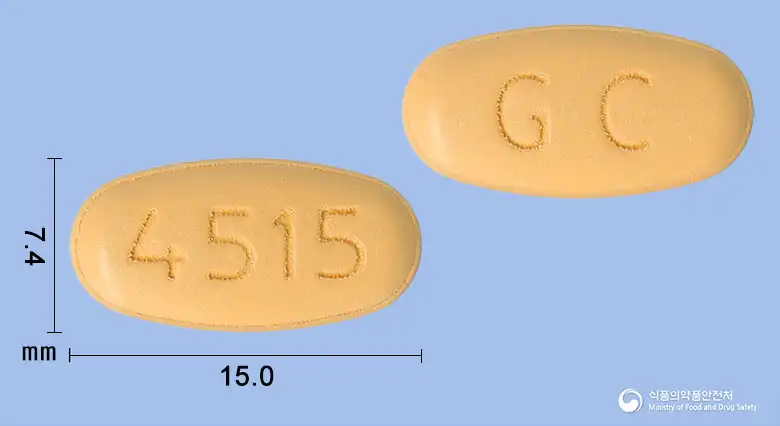 Combination
Telmisartan 40mg · Rosuvastatin Calcium 5.2mg +2 more
Tablet · Prescription medication · Combination
Green Cross Corporation
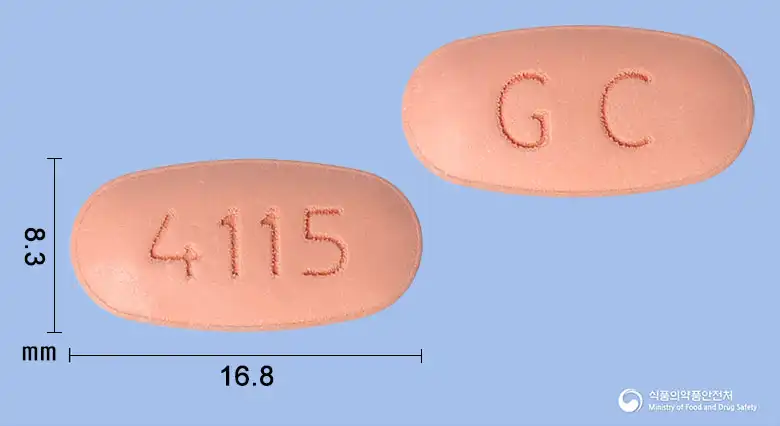 Combination
Telmisartan 40mg · Rosuvastatin Calcium 10.4mg +2 more
Tablet · Prescription medication · Combination
Green Cross Corporation
Even with the same ingredient, the dose and directions can differ by strength and dosage form. Talk to a doctor or pharmacist before switching from a medication you are already taking.
No questions yet.
For anything that needs medical judgment, consult a doctor or pharmacist.
This drug information is based on data provided by the Korea Ministry of Food and Drug Safety.
Consult a doctor or pharmacist for accurate dosage, administration, and usage instructions.