Medication info
Polmin Cita Sustained Release Tablet 50/500 milligrams (Sitagliptin Hydrochloride Monohydrate, Metformin Hydrochloride)

Polmin Cita Sustained Release Tablet 50/500 milligrams (Sitagliptin Hydrochloride Monohydrate, Metformin Hydrochloride)

Prescription medicationTablet경구
Ingredient · strength
Sitagliptin Hydrochloride Hydrate›56.7mg / 1 tabletMetformin Hydrochloride›500mg / 1 tablet
Manufacturer / importer
(주)녹십자
Appearance
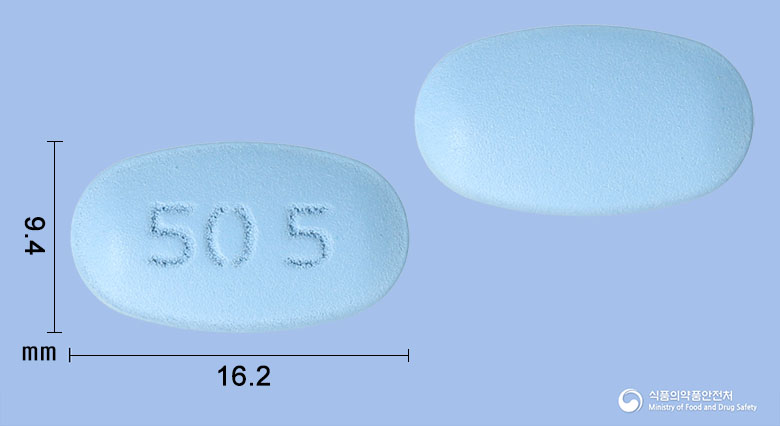
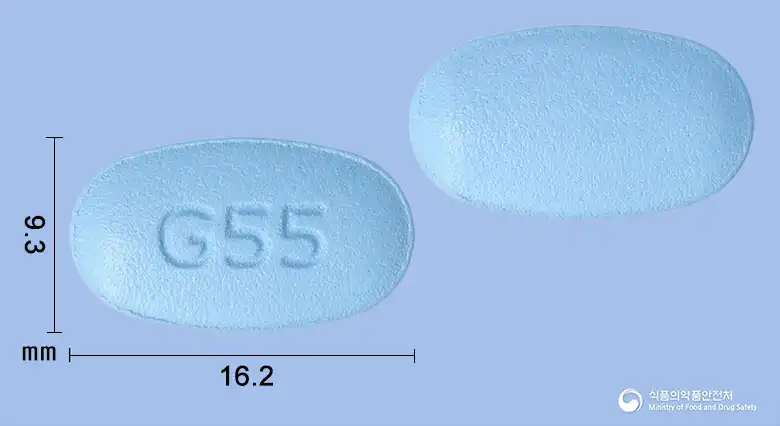
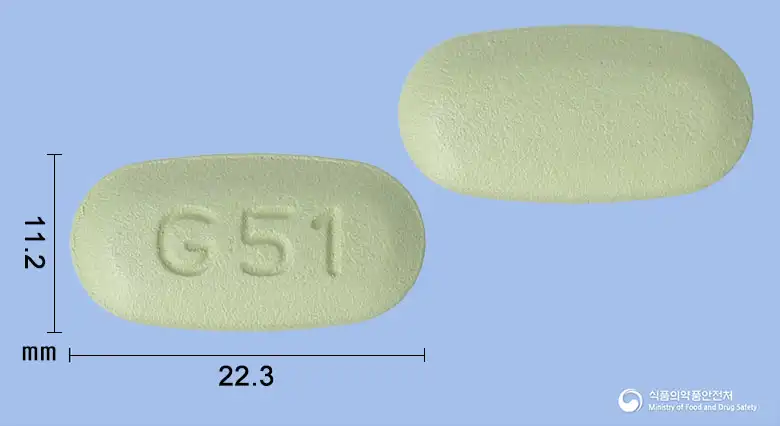
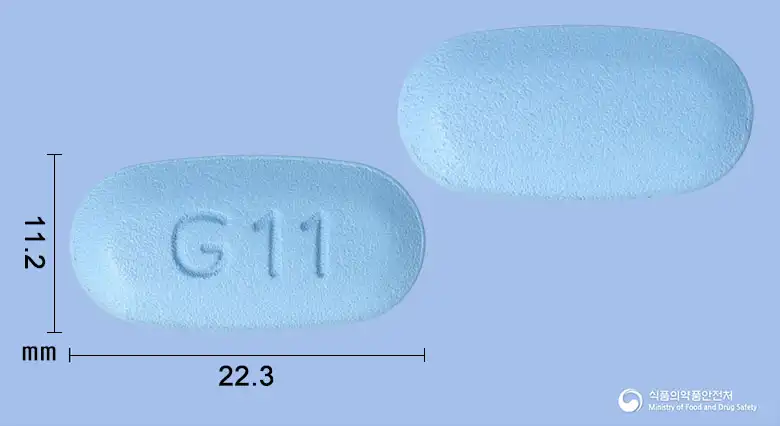
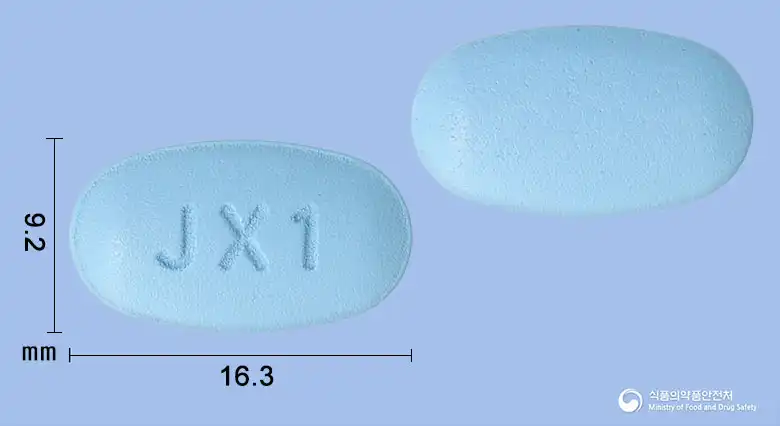
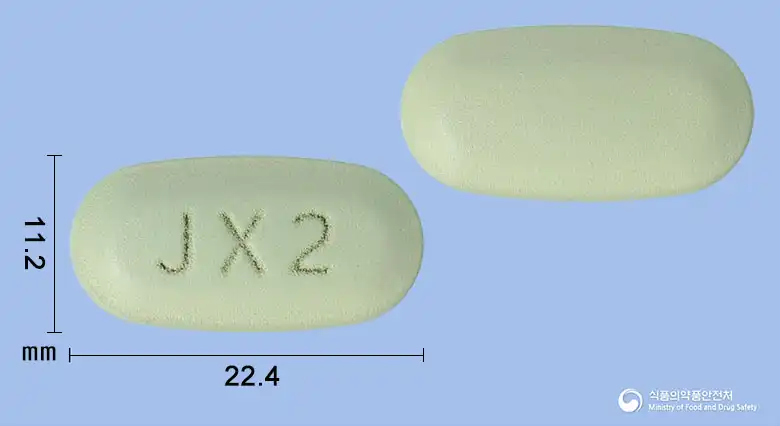
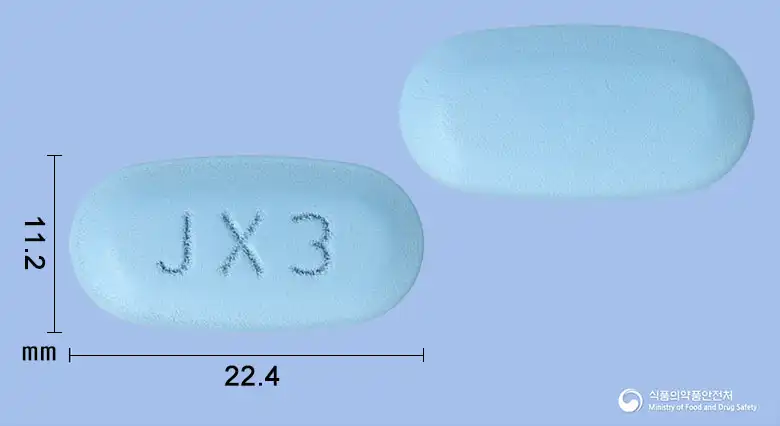
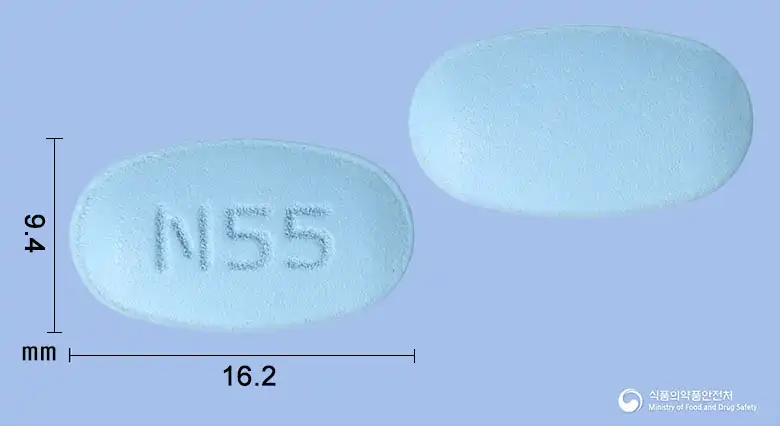
Bright blue, bi-convex, oval-shaped sustained-release film-coated tablet
Packaging
28 tablets/bottle, 56 tablets/bottle, 200 tablets/bottle
Approval status
Active

MFDS item code 202202009 · Approved 2022.05.13 · Insurance code 643606370

Summary

Main use
Improvement of blood glucose control in Type 2 diabetes
Who takes it
Adults
Adult dose
The dosage of this medication is determined based on the treatment regimen, efficacy, and tolerance of the patient, without exceeding the maximum recommended daily doses of sitagliptin 100 mg and metformin 2000 mg for each component. To reduce gastrointestinal adverse reactions caused by metformin, it should be taken once daily in the evening with meals, and the dose should be gradually increased. Sustained-release tablets should be swallowed whole without splitting, crushing, chewing, or grinding.

Ingredients

Manufacturer
(주)녹십자

Efficacy & effects

Improvement of blood glucose control in Type 2 diabetes

View approved original text

This medication helps control blood glucose in patients with Type 2 diabetes by taking sitagliptin and metformin together. It is used in conjunction with diet and exercise therapy to effectively improve blood glucose management. This medication is an adjunct therapy that stabilizes blood glucose levels and assists in diabetes management.

How to take

Adult dose

The dosage of this medication is determined based on the treatment regimen, efficacy, and tolerance of the patient, without exceeding the maximum recommended daily doses of sitagliptin 100 mg and metformin 2000 mg for each component. To reduce gastrointestinal adverse reactions caused by metformin, it should be taken once daily in the evening with meals, and the dose should be gradually increased. Sustained-release tablets should be swallowed whole without splitting, crushing, chewing, or grinding.

Precautions

This medication contains sitagliptin and metformin, which are diabetes medications that help control blood glucose. When taking this medication, caution is advised as severe adverse reactions such as serious allergic reactions, skin disorders, and acute pancreatitis may occur. Patients with significantly impaired kidney function, serious infections, heart failure, and acute myocardial infarction should not take this medication. It is essential to discontinue this medication before any tests using iodine contrast agents, and to resume only after confirming normal kidney function post-examination. It is safest not to use this medication in pregnant or breastfeeding women and in pediatric patients under 18 years of age. While taking this medication, a rare but serious metabolic complication called lactic acidosis may occur, so any symptoms such as muscle pain, fatigue, difficulty breathing, or abdominal pain should be reported to healthcare professionals immediately. Also, there is a risk of hypoglycemia; precautions should especially be taken when skipping meals or engaging in intense exercise, as hypoglycemic symptoms may be exacerbated when used in conjunction with other hypoglycemic agents. Regular checks of kidney function are necessary, and any abrupt worsening of kidney function necessitates immediate discontinuation of the medication. Vitamin B12 levels may decrease, so monitoring through regular blood tests is advised. Excessive alcohol consumption should be avoided while taking this medication, and it should be discontinued for a defined period before and after surgery, recommencing only after physical condition recovers. There are many drugs that may interact with this medication, so it is crucial to inform healthcare professionals of any other medications being taken, and to consult immediately if side effects or unusual symptoms occur.

Side effects and when to seek care immediately

Serious side effects

Hives, anaphylaxis, angioedema, rash, exfoliative skin disease (including Stevens-Johnson syndrome), acute pancreatitis, acute renal failure, elevated liver enzymes, bullous pemphigoid, severe hypoglycemia, lactic acidosis, acute renal failure, liver dysfunction (including jaundice), severe swelling, elevated blood pressure, severe allergic reactions

Mild side effects

Diarrhea, upper respiratory tract infection, headache, nausea, vomiting, abdominal pain, nasopharyngitis, constipation, myalgia, limb pain, back pain, pruritus, thrombocytopenia, rhabdomyolysis, hypoglycemia, joint pain with severe and disabling conditions

Not everyone experiences these, and they can vary from person to person.

Storage

This medication may be sensitive to air or moisture; therefore, it must be stored in a tightly closed container. It is recommended to maintain a storage temperature between 1 and 30 degrees Celsius at room temperature. This will help maintain the effectiveness and safety of the medication for a long time.

Appearance and packaging

Appearance

Bright blue, bi-convex, oval-shaped sustained-release film-coated tablet

Package unit

28 tablets/bottle, 56 tablets/bottle, 200 tablets/bottle

Same-ingredient medicines

Even with the same ingredient, strength, dosage form and how it is taken can differ.

Even with the same ingredient, the dose and directions can differ by strength and dosage form. Talk to a doctor or pharmacist before switching from a medication you are already taking.

Questions about this medicine

No questions yet.

For anything that needs medical judgment, consult a doctor or pharmacist.

Related searches

Search tags

Suggested searches

This drug information is based on data provided by the Korea Ministry of Food and Drug Safety.
Consult a doctor or pharmacist for accurate dosage, administration, and usage instructions.