
 한국어
한국어 English
 日本語
日本語 中文(简体)
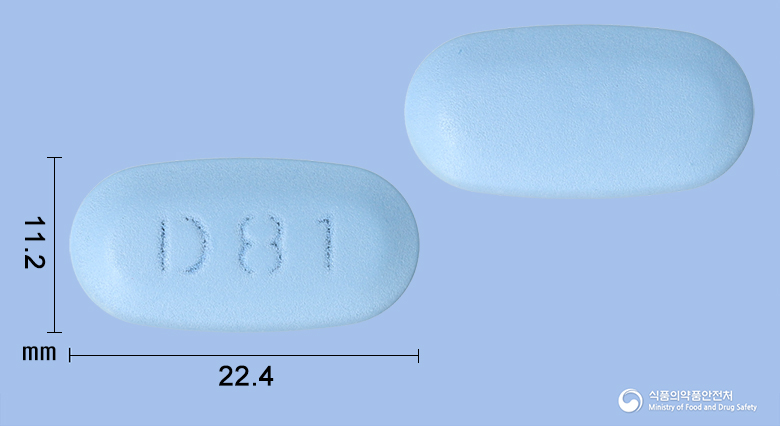 Viewing nowCombination
Sitdime Met Extended-Release Tablet 100/1000 mg
Sitagliptin Hydrochloride Hydrate 113.4mg · Metformin Hydrochloride 1000mg
Tablet · Prescription medication · Combination
Donghwa Pharmaceutical Co., Ltd.
MFDS item code 202201899 · Approved 2022.05.10 · Insurance code 642707300
Improvement in blood glucose control in type 2 diabetes
This medication is used to help control blood sugar levels in patients with type 2 diabetes when combined with diet and exercise. It effectively improves patients' blood glucose levels and supports blood sugar regulation. These treatment methods can strengthen blood glucose management and contribute to the prevention of complications associated with diabetes. Therefore, this medication plays an important role in the control of blood glucose in type 2 diabetes.
The 100/1000 mg extended-release tablet should be taken once daily, with one tablet per dose. Patients taking the 50/500 mg extended-release tablet or 50/1000 mg extended-release tablet should take two tablets simultaneously once daily. 1. Patients not currently treated with metformin: The initial dosage of this medication is a total daily amount of sitagliptin 100 mg and metformin 1000 mg. Gradually increase the dosage as needed.
This medication contains sitagliptin and metformin and is used in diabetes treatment. Firstly, an allergic reaction may occur when taking this medication; thus, if symptoms such as rash, urticaria, or difficulty breathing appear, the patient should discontinue use immediately and consult a doctor. Additionally, severe side effects such as acute pancreatitis characterized by inflammation of the pancreas have been reported, so if abdominal pain, vomiting, or severe dyspeptic symptoms occur during use, careful observation is necessary, and the medical staff should be notified immediately. This medication should not be administered to patients with poor kidney function, and regular renal function tests should be conducted if kidney function declines. Patients with severe renal impairment, heart failure, acute infection, dehydration, or acute myocardial infarction should not take this medication. Furthermore, the administration of this medication should be suspended before and after tests that use radiographic iodine contrast agents, and it may be resumed once normal kidney function is confirmed. Women who are pregnant or may become pregnant, women who are breastfeeding, and children under the age of 18 are advised not to use this medication. This medication carries a risk of hypoglycemia, so especially when taken with insulin or sulfonylureas, blood sugar changes should be closely monitored, and appropriate action should be taken immediately if hypoglycemic symptoms occur. It is recommended to avoid alcohol consumption during treatment, and if sudden dehydration, vomiting, diarrhea, or other symptoms occur, the use of this medication should be temporarily suspended, and the patient should consult a doctor. If a surgery is planned, this medication should be stopped 48 hours before surgery and restarted only after confirming that kidney function has returned to normal post-surgery. Rarely, vitamin B12 levels may decrease, so it is advisable to conduct regular blood tests to check the vitamin B12 status for long-term users. If any abnormal symptoms or discomfort persists during treatment, the patient should consult a medical professional immediately.
Urticaria, severe swelling (angioedema), chest tightness, difficulty breathing, anaphylaxis, rash, Stevens-Johnson syndrome, exfoliative skin disease, severe rash with fever, blisters, skin peeling, pain in oral/eye mucosa, severe skin adverse reactions, shortness of breath or difficulty breathing, asthma attacks, respiratory abnormalities accompanied by cough + fever, yellowing of the skin or eyes (jaundice), severe malaise, liver abnormalities (jaundice)
Not everyone experiences these, and they can vary from person to person.
This medication should be kept in a tightly closed container to avoid exposure to air or moisture. It is important to maintain a storage temperature between 1 degree and 30 degrees Celsius to preserve the medication's effectiveness and safety over time.
Bright blue, oval-shaped extended-release film-coated tablets with a convex surface on both sides.
28 tablets/bottle, 56 tablets/bottle, 200 tablets/bottle
Even with the same ingredient, strength, dosage form and how it is taken can differ.
Viewing nowCombinationSitagliptin Hydrochloride Hydrate 113.4mg · Metformin Hydrochloride 1000mg
Tablet · Prescription medication · Combination
Donghwa Pharmaceutical Co., Ltd.
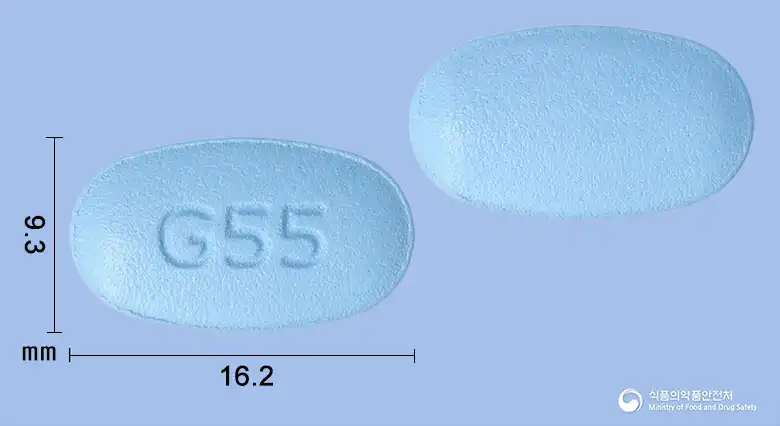 Combination
Sitagliptin Hydrochloride Hydrate 56.7mg · Metformin Hydrochloride 500mg
Tablet · Prescription medication · Combination
Shinil Pharmaceutical Co., Ltd.
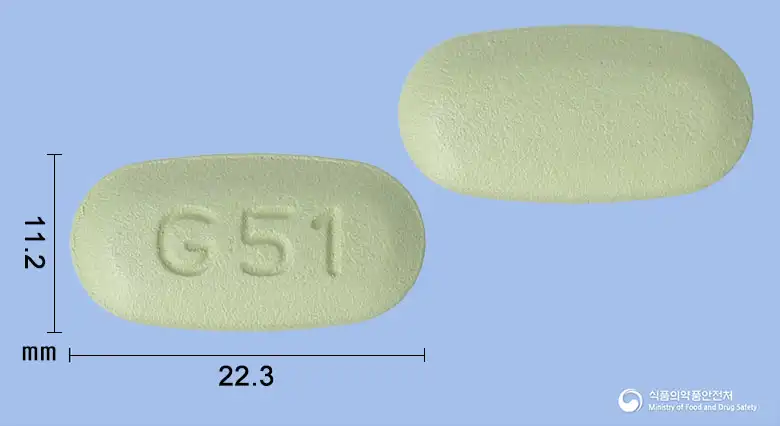 Combination
Sitagliptin Hydrochloride Hydrate 56.7mg · Metformin Hydrochloride 1000mg
Tablet · Prescription medication · Combination
Shinil Pharmaceutical Co., Ltd.
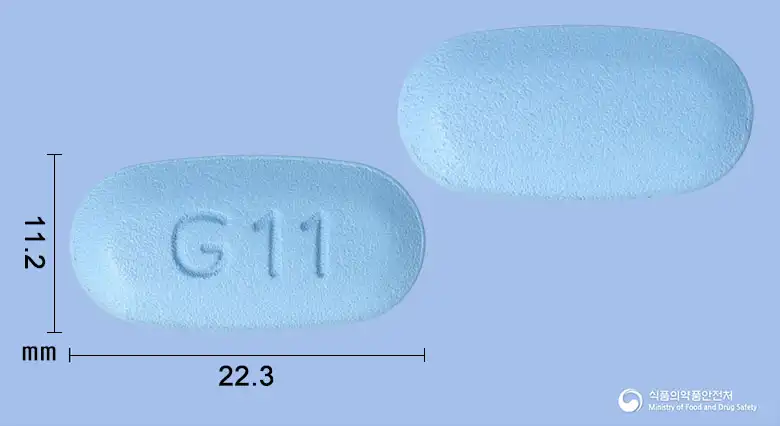 Combination
Sitagliptin Hydrochloride Hydrate 113.4mg · Metformin Hydrochloride 1000mg
Tablet · Prescription medication · Combination
Shinil Pharmaceutical Co., Ltd.
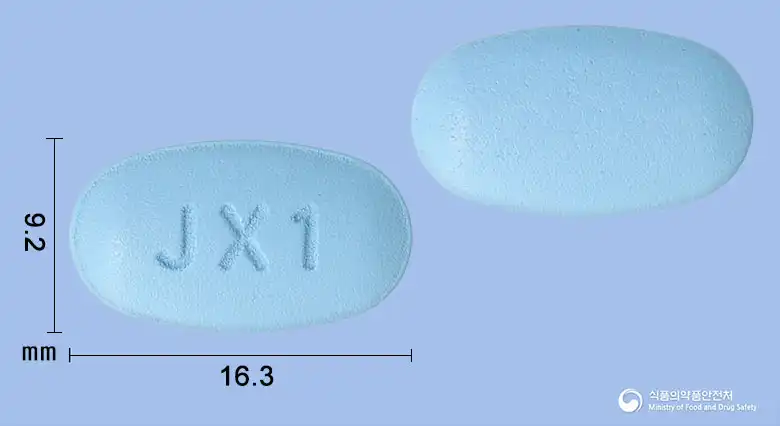 Combination
Sitagliptin Hydrochloride Hydrate 56.7mg · Metformin Hydrochloride 500mg
Tablet · Prescription medication · Combination
GL Pharma Co., Ltd.
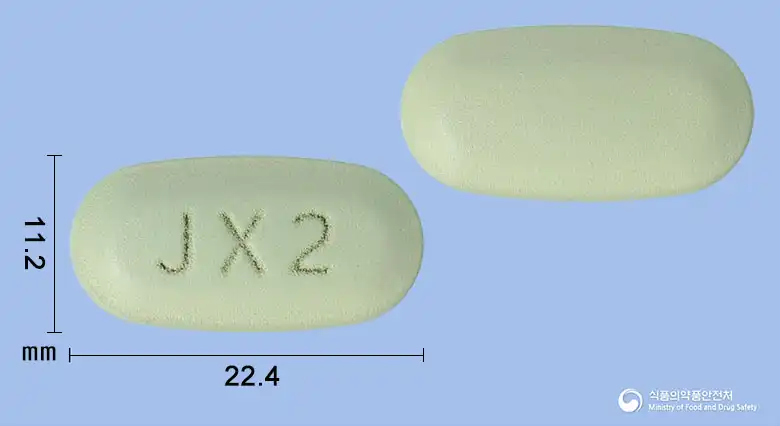 Combination
Sitagliptin Hydrochloride Hydrate 56.7mg · Metformin Hydrochloride 1000mg
Tablet · Prescription medication · Combination
GL Pharma Co., Ltd.
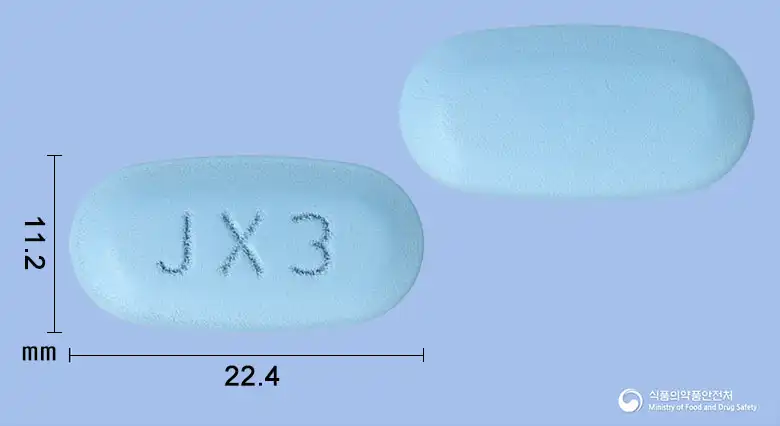 Combination
Sitagliptin Hydrochloride Hydrate 113.4mg · Metformin Hydrochloride 1000mg
Tablet · Prescription medication · Combination
GL Pharma Co., Ltd.
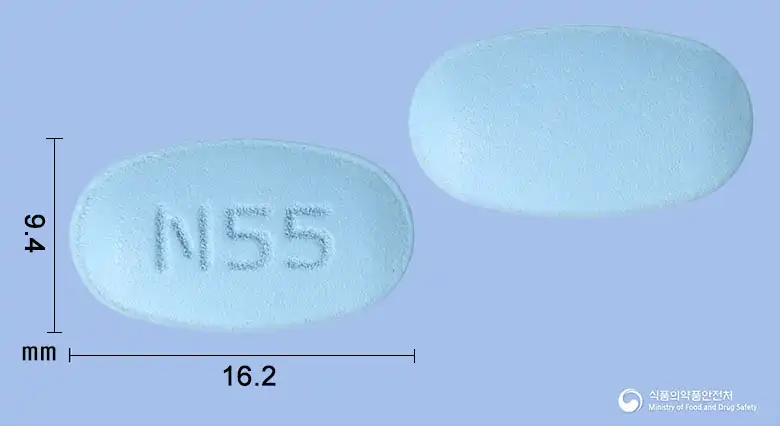 Combination
Sitagliptin Hydrochloride Hydrate 56.7mg · Metformin Hydrochloride 500mg
Tablet · Prescription medication · Combination
Korea Hutech Pharmaceutical Co., Ltd.
Even with the same ingredient, the dose and directions can differ by strength and dosage form. Talk to a doctor or pharmacist before switching from a medication you are already taking.
No questions yet.
For anything that needs medical judgment, consult a doctor or pharmacist.
This drug information is based on data provided by the Korea Ministry of Food and Drug Safety.
Consult a doctor or pharmacist for accurate dosage, administration, and usage instructions.