
 한국어
한국어 English
 日本語
日本語 中文(简体)
Dosage form image
Viewing nowCombinationTragenta Duo Tablets 2.5/1000 mg
Linagliptin 2.5mg · Metformin Hydrochloride 1000mg
Tablet · Prescription medication · Combination
White Life Sciences Co., Ltd.
MFDS item code 202201895 · Approved 2022.05.10
Improvement of blood sugar control in type 2 diabetes
This medication is used to help control blood sugar levels in patients with type 2 diabetes who are taking Linagliptin and Metformin together. It assists in managing blood sugar more effectively when combined with dietary and exercise therapy. This helps to maintain stable blood sugar levels and reduces the risk of diabetes complications. It is important for patients to consistently take their medication and improve their lifestyle habits. This drug improves blood sugar control in patients with type 2 diabetes.
This medication is administered twice daily with meals. 1. If currently not being treated with Metformin: As an initial dose, take this medication 2.5/500 mg twice daily, 1 tablet per dose, and can be increased to 2.5/1000 mg, 1 tablet twice daily. 2. If sufficient blood sugar control cannot be achieved with Metformin alone: Linagliptin 2.5 mg twice daily and Metformin.
This medication is used for the treatment of diabetes and helps control blood sugar with its two main components. Before taking this medication, it should be avoided if certain situations or conditions are present. For example, it should not be administered to individuals with allergies to its components or those with type 1 diabetes, severe renal impairment, heart failure, liver dysfunction, acute infections, acute myocardial infarction, pregnant women, etc. Extra caution should be exercised when used with medications that have a risk of hypoglycemia, and dosage adjustments may be necessary for blood sugar-lowering agents. Additionally, patients with reduced kidney function should regularly undergo kidney function tests, and this medication should not be used in cases of severe renal impairment. This medication can cause a rare but serious side effect known as lactic acidosis, so if symptoms such as vomiting, diarrhea, muscle pain, weakness, or breathing difficulties occur, medical attention should be sought immediately. Rare side effects such as acute pancreatitis or blistering skin diseases have also been reported; therefore, if abdominal pain or unusual skin symptoms arise, consult a doctor right away. Since it may reduce vitamin B12 levels, it is advisable to regularly monitor vitamin B12 status through blood tests during long-term usage. This medication may interact with other drugs, so inform a physician or pharmacist about any other medications being taken. It is safest for pregnant or breastfeeding women not to use this medication and to consider alternative treatment methods for blood sugar control. It is not recommended for children under 10 years of age, as safety and efficacy have not been established for this population. Elderly individuals should regularly check kidney function, as renal impairment is common in this age group, and appropriate dosages should be determined when using this medication. Overdosage may lead to gastrointestinal disturbances or lactic acidosis, and immediate treatment at a hospital is necessary. This medication should be kept out of reach of children and stored in its original container to avoid moisture.
Not everyone experiences these, and they can vary from person to person.
This medication should be stored in a tightly sealed container to prevent air or moisture from entering, and should be kept at a safe temperature between 1 to 30 degrees Celsius.
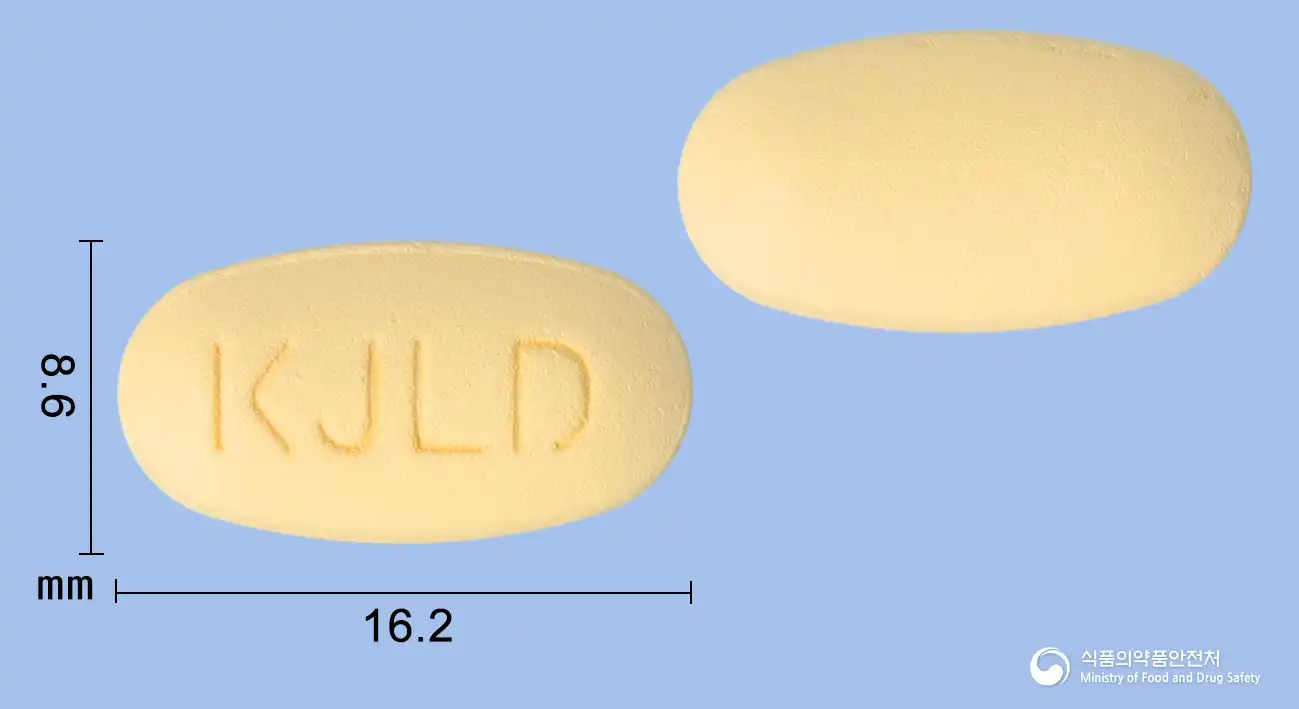
Light pink, oval, biconvex film-coated tablets
60 tablets (10 tablets/Alu-Alu x 6)
Even with the same ingredient, strength, dosage form and how it is taken can differ.
Linagliptin 2.5mg · Metformin Hydrochloride 1000mg
Tablet · Prescription medication · Combination
White Life Sciences Co., Ltd.
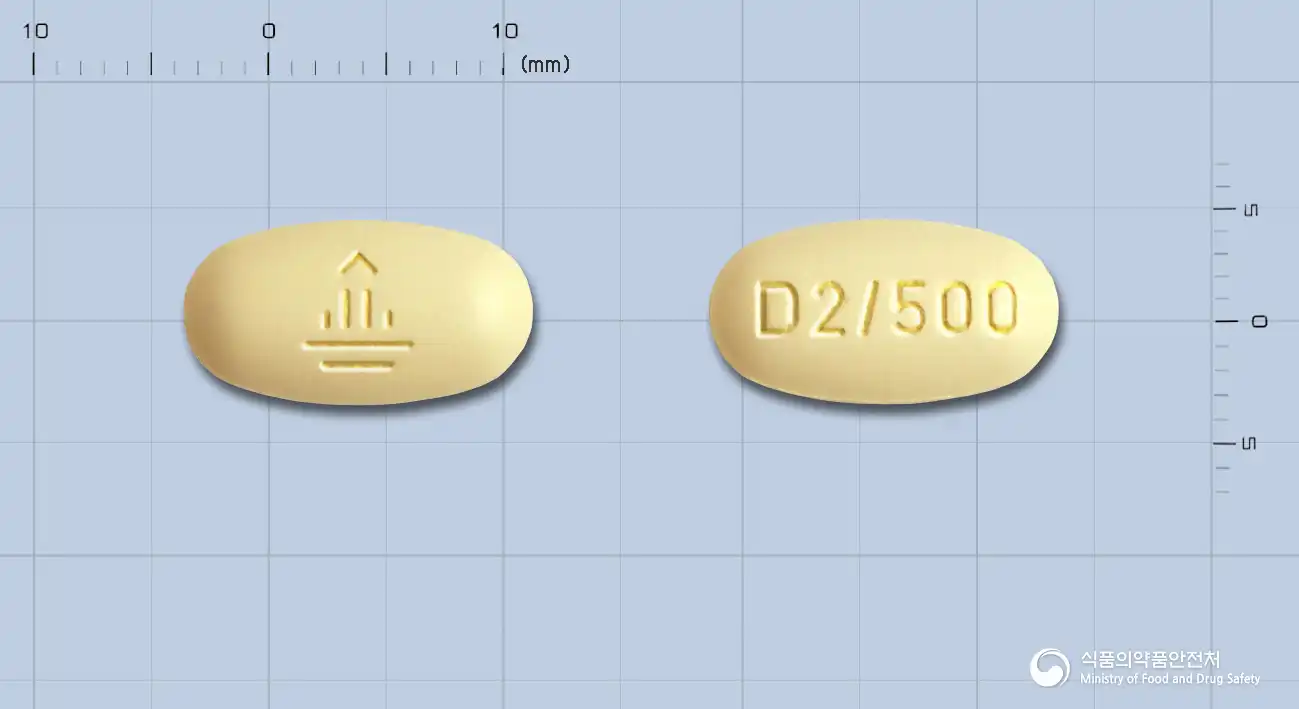 Combination
Linagliptin 2.5mg · Metformin Hydrochloride 500mg
Tablet · Prescription medication · Combination
Boehringer Ingelheim Korea Co., Ltd.
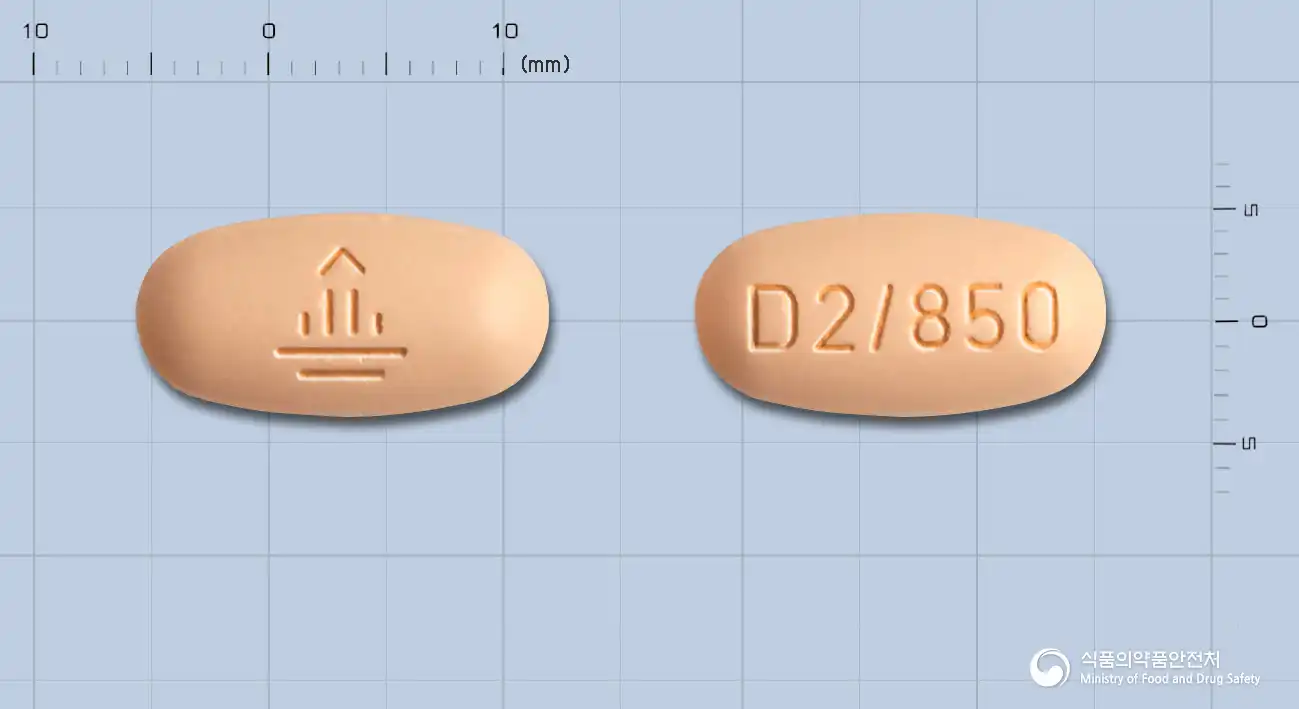 Combination
Linagliptin 2.5mg · Metformin Hydrochloride 850mg
Tablet · Prescription medication · Combination
Boehringer Ingelheim Korea Co., Ltd.
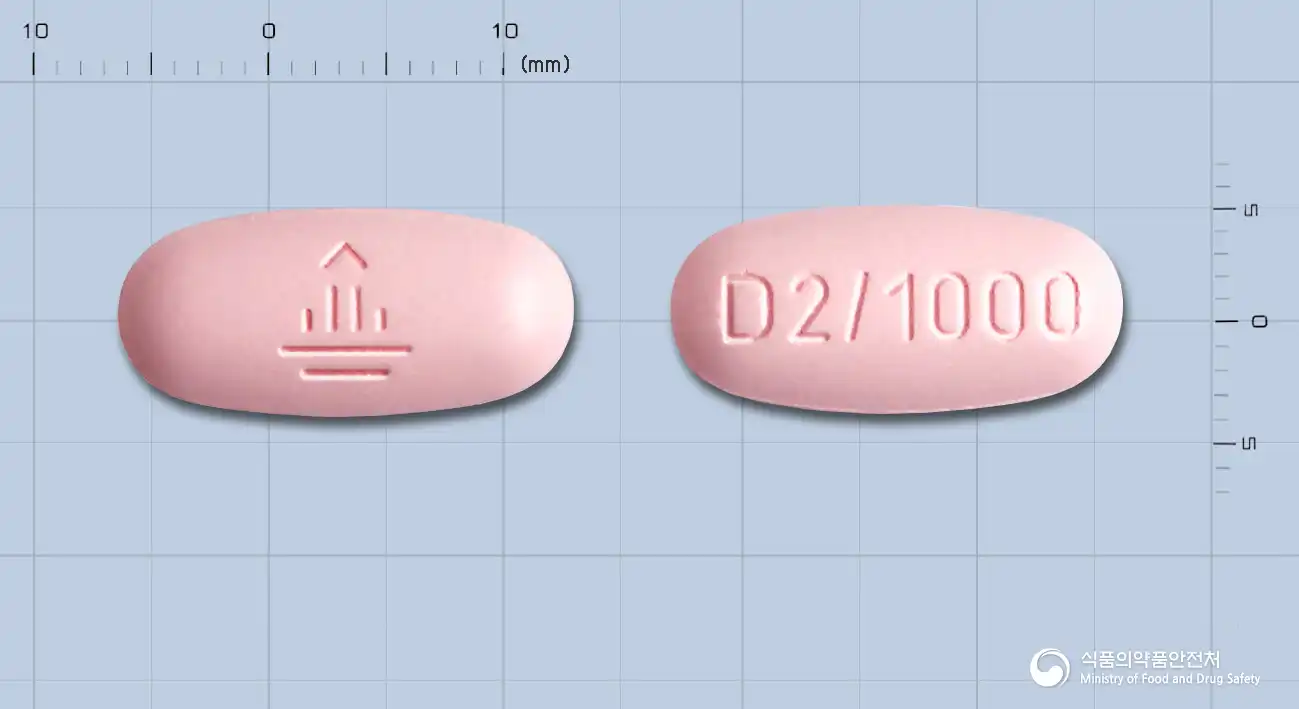 Combination
Linagliptin 2.5mg · Metformin Hydrochloride 1000mg
Tablet · Prescription medication · Combination
Boehringer Ingelheim Korea Co., Ltd.
Linagliptin 2.5mg · Metformin Hydrochloride 1000mg
Tablet · Prescription medication · Combination
Anguk Pharm Co., Ltd.
Linagliptin 2.5mg · Metformin Hydrochloride 1000mg
Prescription medication · Combination
Hanmi Pharmaceutical Co., Ltd.
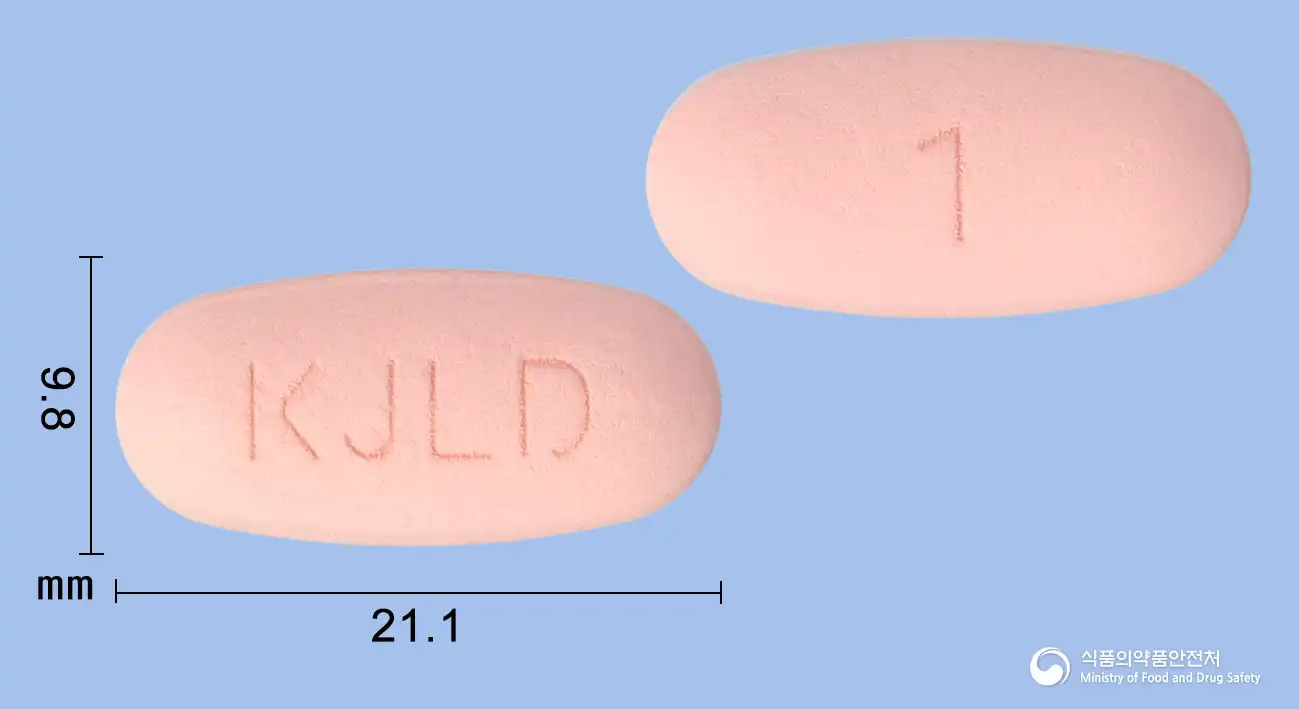 Combination
Linagliptin 2.5mg · Metformin Hydrochloride 1000mg
Tablet · Prescription medication · Combination
Kukje Pharmaceutical Co., Ltd.
 Combination
Linagliptin 2.5mg · Metformin Hydrochloride 500mg
Tablet · Prescription medication · Combination
International Pharmaceutical Co., Ltd.
Even with the same ingredient, the dose and directions can differ by strength and dosage form. Talk to a doctor or pharmacist before switching from a medication you are already taking.
No questions yet.
For anything that needs medical judgment, consult a doctor or pharmacist.
This drug information is based on data provided by the Korea Ministry of Food and Drug Safety.
Consult a doctor or pharmacist for accurate dosage, administration, and usage instructions.