
 한국어
한국어 English
 日本語
日本語 中文(简体)
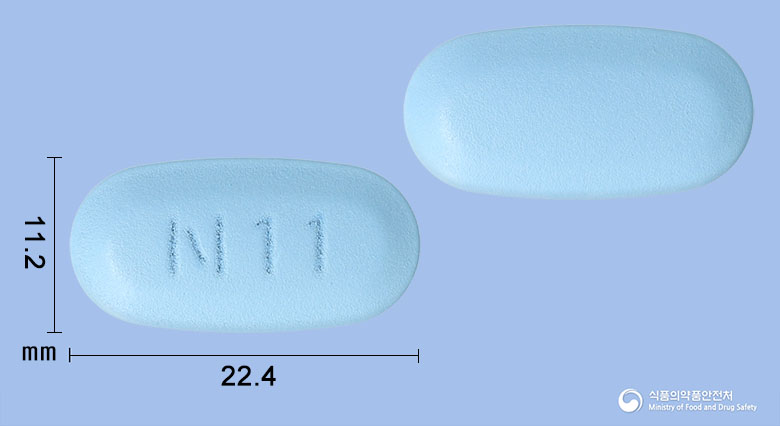 Viewing nowCombination
Nanomet XR Sustained-release Tablets 100/1000 mg
Sitagliptin Hydrochloride Hydrate 113.4mg · Metformin Hydrochloride 1000mg
Tablet · Prescription medication · Combination
Hankyung Hutex Pharmaceutical Co., Ltd.
MFDS item code 202201881 · Approved 2022.05.09 · Insurance code 649105540
This product's status changed to Approval withdrawn on 2026.02.10. It may no longer be sold, so consult a doctor or pharmacist before taking it.
Improvement in blood sugar control in type 2 diabetes
This medication is used as an adjunct therapy for patients with type 2 diabetes to aid in blood sugar control by using sitagliptin and metformin together, effectively improving blood sugar management in conjunction with diet and exercise therapy.
Take one tablet of this medication 100/1000 mg sustained-release once daily. Patients taking this medication 50/500 mg sustained-release or 50/1000 mg sustained-release should take 2 tablets simultaneously once daily. 1. Patients who are not currently treated with metformin: The initial dose is a total daily amount of 100 mg of sitagliptin and 1000 mg of metformin. 2. Patients currently treated with metformin.
This medication contains both sitagliptin and metformin, which are used to control blood sugar. During treatment, serious allergic reactions may occur rarely, so if symptoms such as rash or difficulty breathing appear, you should stop taking the medication immediately and consult a doctor. This medication can cause pancreatitis (inflammation of the pancreas), so if you have abdominal pain, vomiting, or severe abdominal discomfort, you should inform your healthcare provider immediately. Patients with impaired kidney function, acute infections, or dehydration should not take this medication, and caution is particularly required for patients with moderate to severe kidney impairment. Before and after tests using iodine contrast agents, this medication should be temporarily discontinued, and it should be resumed only after confirming normal kidney function. It is safer for pregnant women or those who may become pregnant, as well as breastfeeding mothers, not to take this medication. This medication may cause hypoglycemia, so do not skip meals and eat regularly, and be especially cautious of hypoglycemia symptoms when taken with other antidiabetic agents. It is important to regularly monitor kidney function, blood tests, and vitamin B12 levels during treatment. Additionally, alcohol should be avoided, as excessive alcohol intake may increase the risk of lactic acidosis while taking this medication. In cases of planned surgery or severe infections, or severe trauma, this medication should be temporarily discontinued and resumed after recovery. Increases in exercise levels or irregular eating patterns may also pose a risk of hypoglycemia, so caution is advised. If unusual symptoms occur while taking this medication, you should consult your doctor immediately, especially if you experience blisters or severe pain on your skin, you should inform your healthcare provider immediately.
Hives, severe swelling (edema), anaphylaxis, angioedema, rash, severe allergic reactions, Stevens-Johnson syndrome, exfoliative skin disease, acute pancreatitis, severe skin abnormal reactions, acute renal failure, serious neurological symptoms, joint pain accompanied by severe and disability, bullous pemphigoid, liver abnormalities (elevated liver enzymes associated with jaundice), lactic acidosis, hypoglycemia, severe hypoglycemia, severe edema or urinary abnormalities
Not everyone experiences these, and they can vary from person to person.
Store this medication in a tightly sealed container to protect it from air and moisture. It is important to maintain the storage temperature between 1 and 30 degrees Celsius. By storing it this way, the efficacy of the medication can be safely maintained.
Light blue oval shaped sustained-release film-coated tablet with a convex shape on both sides
28 tablets/bottle, 56 tablets/bottle, 200 tablets/bottle
Even with the same ingredient, strength, dosage form and how it is taken can differ.
Viewing nowCombinationSitagliptin Hydrochloride Hydrate 113.4mg · Metformin Hydrochloride 1000mg
Tablet · Prescription medication · Combination
Hankyung Hutex Pharmaceutical Co., Ltd.
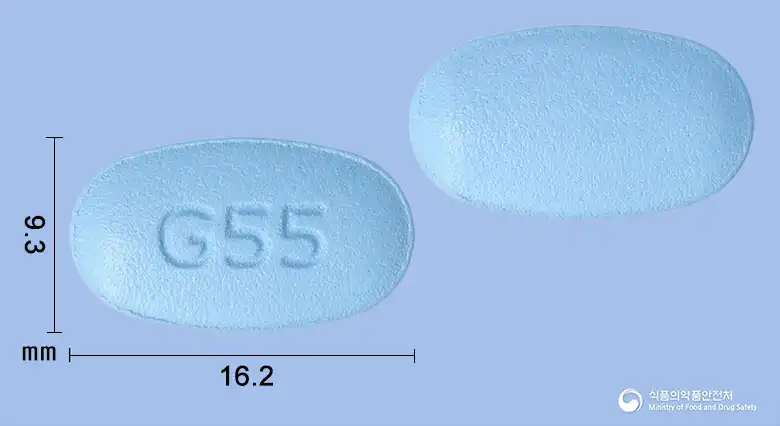 Combination
Sitagliptin Hydrochloride Hydrate 56.7mg · Metformin Hydrochloride 500mg
Tablet · Prescription medication · Combination
Shinil Pharmaceutical Co., Ltd.
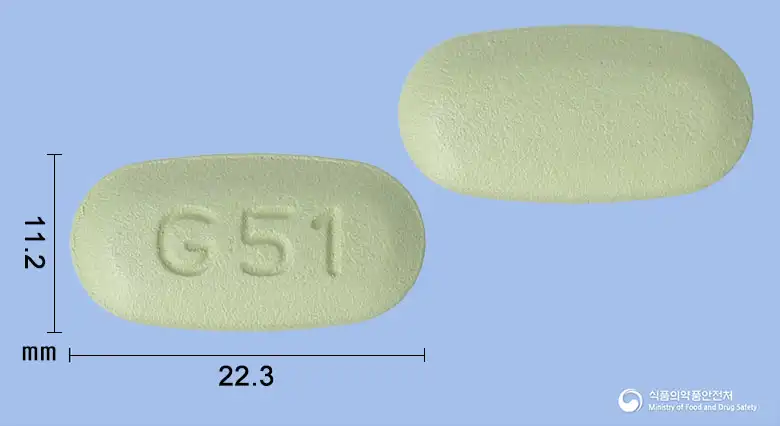 Combination
Sitagliptin Hydrochloride Hydrate 56.7mg · Metformin Hydrochloride 1000mg
Tablet · Prescription medication · Combination
Shinil Pharmaceutical Co., Ltd.
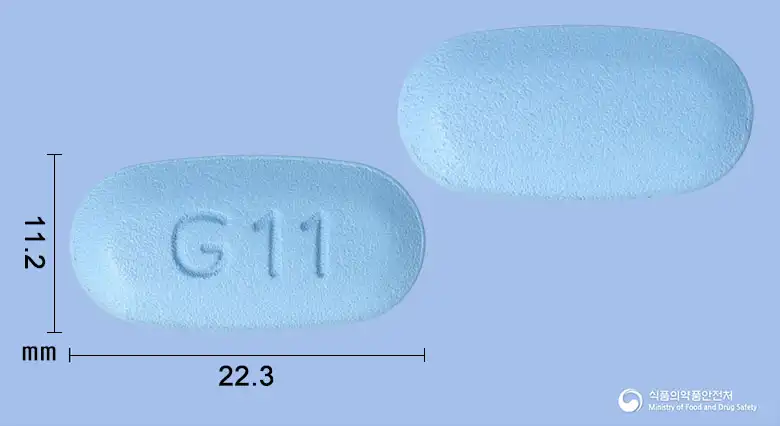 Combination
Sitagliptin Hydrochloride Hydrate 113.4mg · Metformin Hydrochloride 1000mg
Tablet · Prescription medication · Combination
Shinil Pharmaceutical Co., Ltd.
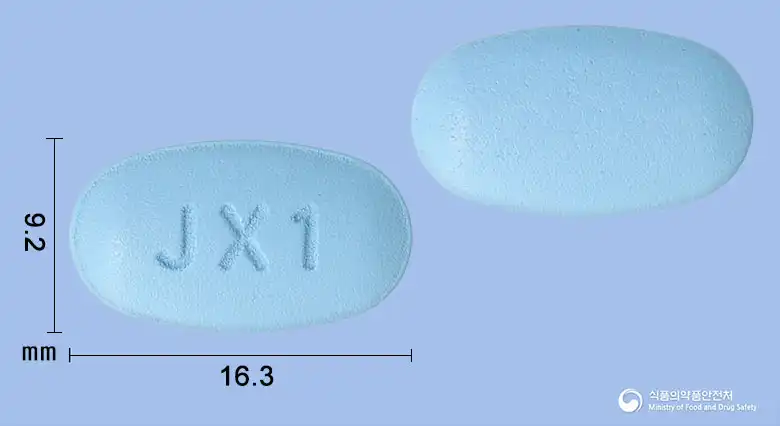 Combination
Sitagliptin Hydrochloride Hydrate 56.7mg · Metformin Hydrochloride 500mg
Tablet · Prescription medication · Combination
GL Pharma Co., Ltd.
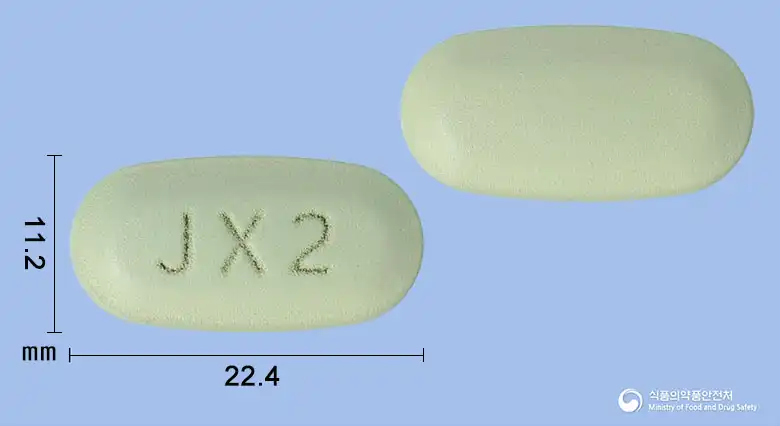 Combination
Sitagliptin Hydrochloride Hydrate 56.7mg · Metformin Hydrochloride 1000mg
Tablet · Prescription medication · Combination
GL Pharma Co., Ltd.
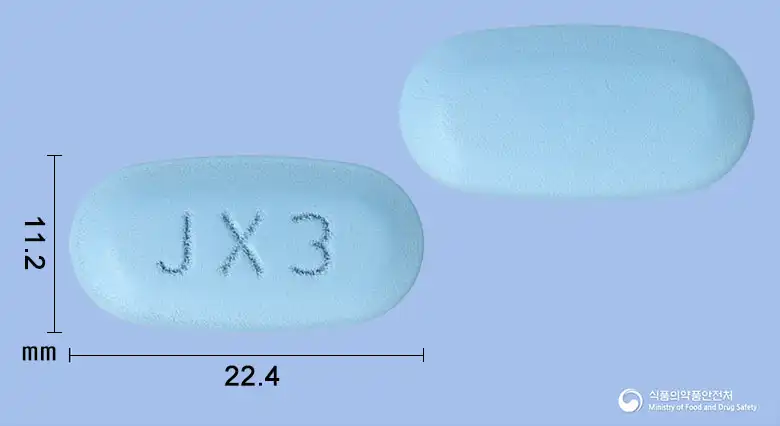 Combination
Sitagliptin Hydrochloride Hydrate 113.4mg · Metformin Hydrochloride 1000mg
Tablet · Prescription medication · Combination
GL Pharma Co., Ltd.
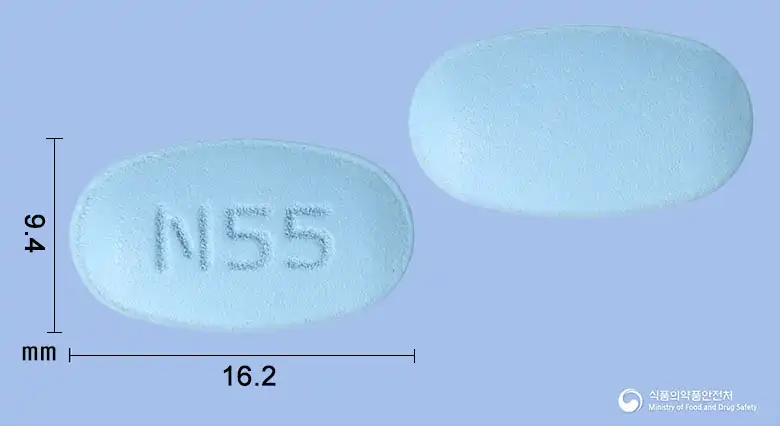 Combination
Sitagliptin Hydrochloride Hydrate 56.7mg · Metformin Hydrochloride 500mg
Tablet · Prescription medication · Combination
Korea Hutech Pharmaceutical Co., Ltd.
Even with the same ingredient, the dose and directions can differ by strength and dosage form. Talk to a doctor or pharmacist before switching from a medication you are already taking.
No questions yet.
For anything that needs medical judgment, consult a doctor or pharmacist.
This drug information is based on data provided by the Korea Ministry of Food and Drug Safety.
Consult a doctor or pharmacist for accurate dosage, administration, and usage instructions.