
 한국어
한국어 English
 日本語
日本語 中文(简体)
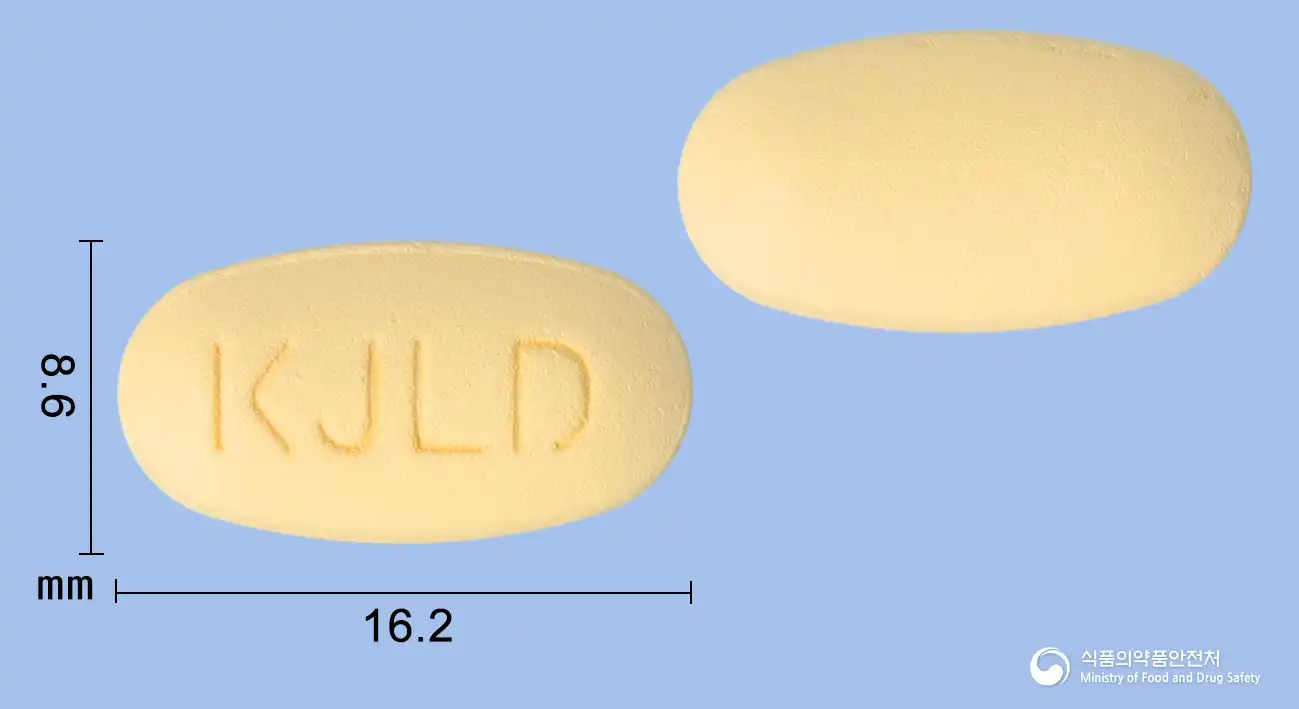
Dosage form image
Viewing nowCombinationNariozenta Duo Tablet 2.5/500 Milligrams
Linagliptin 2.5mg · Metformin Hydrochloride 500mg
Tablet · Prescription medication · Combination
Pamgen Science Co., Ltd.
MFDS item code 202201810 · Approved 2022.05.03
Improvement in blood sugar control for type 2 diabetes
This medication helps control blood sugar in patients with type 2 diabetes by using Linaagliptin and Metformin together. When used in conjunction with dietary and exercise therapies, it can effectively manage blood sugar levels. Good blood sugar control can also help in preventing complications. Therefore, this medication is used to improve blood sugar control in patients with type 2 diabetes.
The dosage of this medication should be determined within the limits of the maximum recommended dosage of Linaagliptin 2.5 mg and Metformin 1000 mg, considering each patient's current treatment regimen, efficacy, and tolerance. This medication is taken twice daily with meals. 1. If currently not being treated with Metformin: Take 2.5/500 mg of this medication twice daily, with 1 tablet per dose, increasing to 2.5/1000 mg if necessary.
This medication can cause a rare but serious side effect known as lactic acidosis, and should not be used in patients with impaired kidney function or those with problems related to the heart or liver. It should not be administered to patients who have allergies to any of the ingredients, or those with type 1 diabetes, acute infections, severe dehydration, or certain conditions like acute myocardial infarction. Due to the risk of hypoglycemia, blood sugar changes should be carefully monitored when taken with insulin or sulfonylureas, and insulin or sulfonylurea doses may need to be adjusted as necessary. Elderly patients with declining kidney function should have regular kidney function tests, and this medication should not be used if kidney function falls below certain criteria. If undergoing radiological iodine contrast examination, this medication should be discontinued for a certain period before and after the examination, and should be resumed only after kidney function stabilizes. Patients due for surgery should discontinue this medication 48 hours before the procedure and should not resume until kidney function returns to normal post-operation. If there is suspicion of acute pancreatitis or bullous pemphigoid, this medication should be discontinued immediately and consulted with a physician. Vitamin B12 levels may drop during treatment, so those on long-term therapy should check vitamin B12 levels regularly and supplement if deficient. Women who are pregnant or may become pregnant, as well as breastfeeding mothers should not use this medication; those planning to become pregnant should consult a physician for appropriate treatments. It is recommended not to use this medication in children under 10 years of age as safety and efficacy have not been established. There may be interactions with other medications during use, so any other medications being taken must be disclosed to a physician or pharmacist. In case of overdose, serious side effects such as lactic acidosis may occur, and immediate medical attention is required, which might include procedures like hemodialysis if necessary. This medication should be stored out of the reach of children, kept dry, and should not be transferred to other containers.
Urticaria, angioedema, lactic acidosis, pancreatitis, bullous pemphigoid, abnormal liver function (abnormal liver function tests, hepatitis, erythema), angina, acute myocardial infarction, unstable angina, cardiac arrest, congestive heart failure, dyspnea, asthma attacks, pneumonia, acute kidney injury, end-stage kidney disease, acute cholangitis, acute cholecystitis, cholangitis, gallstones, vitreous hemorrhage, cerebral infarction, fever, facial edema, facial swelling, death, severe allergic reactions.
Nasopharyngitis, hypersensitivity, urticaria, hypoglycemia, taste disturbance, cough, decreased appetite, diarrhea, constipation, nausea, vomiting, abdominal pain, oral ulcer formation, abnormal liver function tests, hepatitis, pruritus, erythema, rash, musculoskeletal and connective tissue disorders, increased lipase, increased amylase, constipation, stomatitis, headache, drowsiness, dizziness, sensory loss, fatigue, itching, insomnia, depression, hypertension, vertigo, benign prostatic hyperplasia.
Not everyone experiences these, and they can vary from person to person.
This medication should be stored in a tightly sealed container to prevent exposure to air and moisture, ideally at room temperature between 1 to 30 degrees Celsius. Proper storage will help maintain the medication's effectiveness over time.
Bright yellow, double-convex, oval film-coated tablet
60 tablets/Alu-Alu [60 tablets (10 tablets/Alu-Alu x 6)]
Even with the same ingredient, strength, dosage form and how it is taken can differ.
Linagliptin 2.5mg · Metformin Hydrochloride 500mg
Tablet · Prescription medication · Combination
Pamgen Science Co., Ltd.
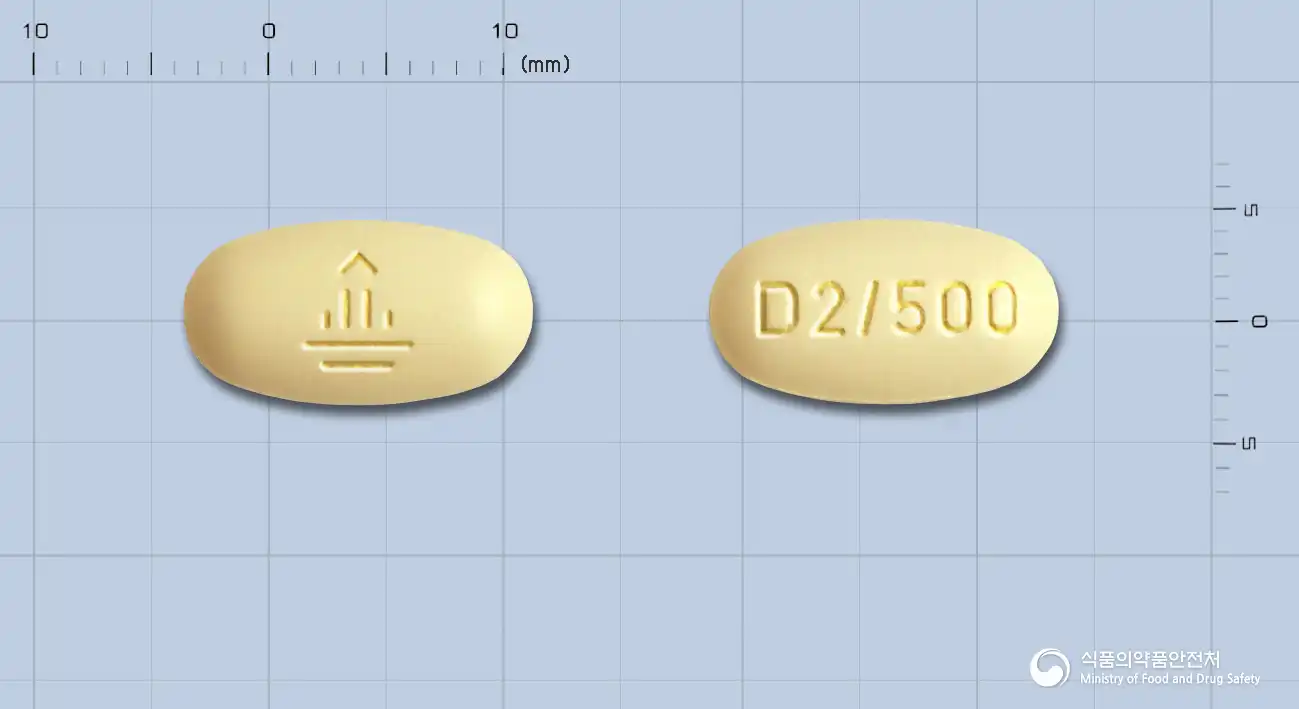 Combination
Linagliptin 2.5mg · Metformin Hydrochloride 500mg
Tablet · Prescription medication · Combination
Boehringer Ingelheim Korea Co., Ltd.
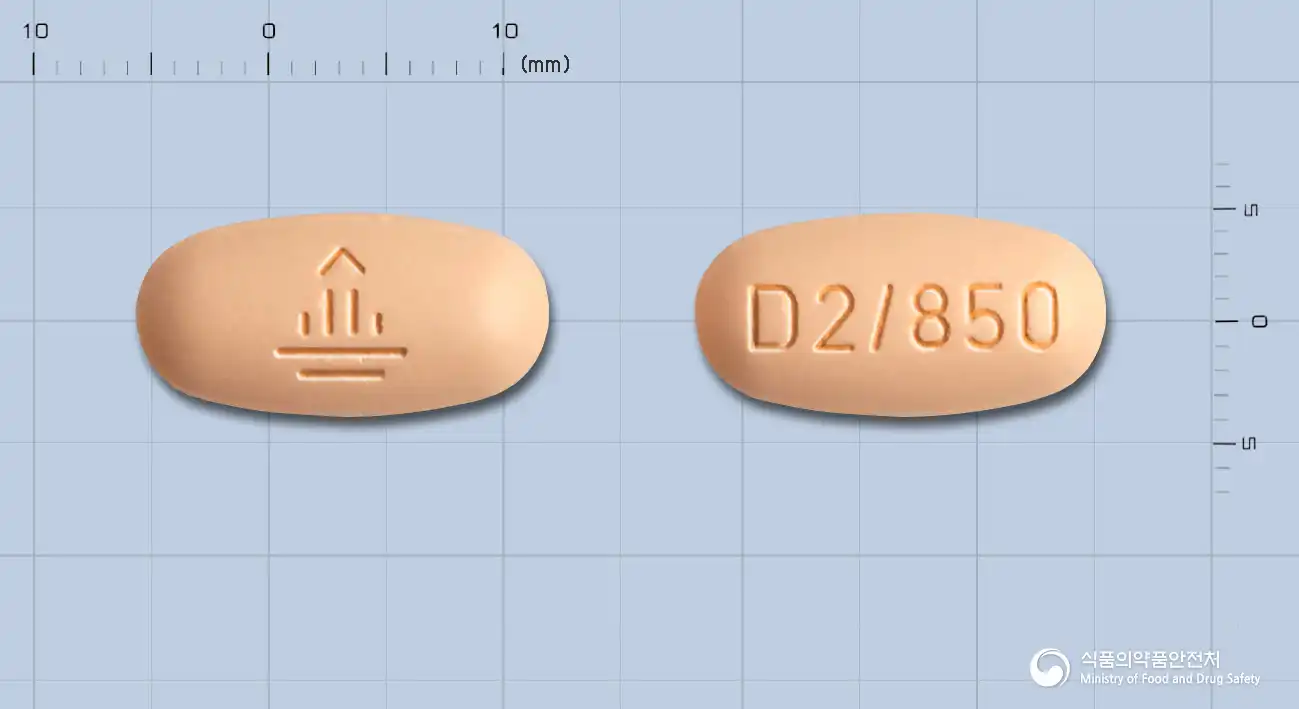 Combination
Linagliptin 2.5mg · Metformin Hydrochloride 850mg
Tablet · Prescription medication · Combination
Boehringer Ingelheim Korea Co., Ltd.
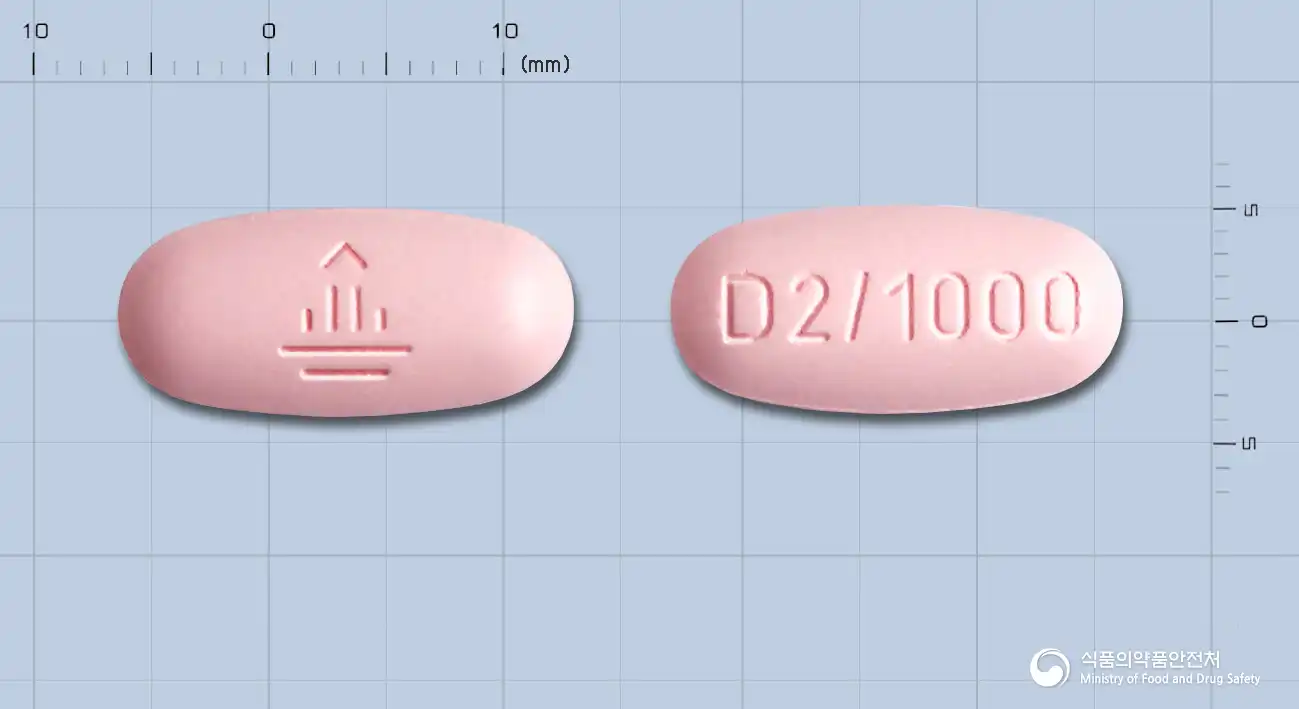 Combination
Linagliptin 2.5mg · Metformin Hydrochloride 1000mg
Tablet · Prescription medication · Combination
Boehringer Ingelheim Korea Co., Ltd.
Linagliptin 2.5mg · Metformin Hydrochloride 1000mg
Tablet · Prescription medication · Combination
Anguk Pharm Co., Ltd.
Linagliptin 2.5mg · Metformin Hydrochloride 1000mg
Prescription medication · Combination
Hanmi Pharmaceutical Co., Ltd.
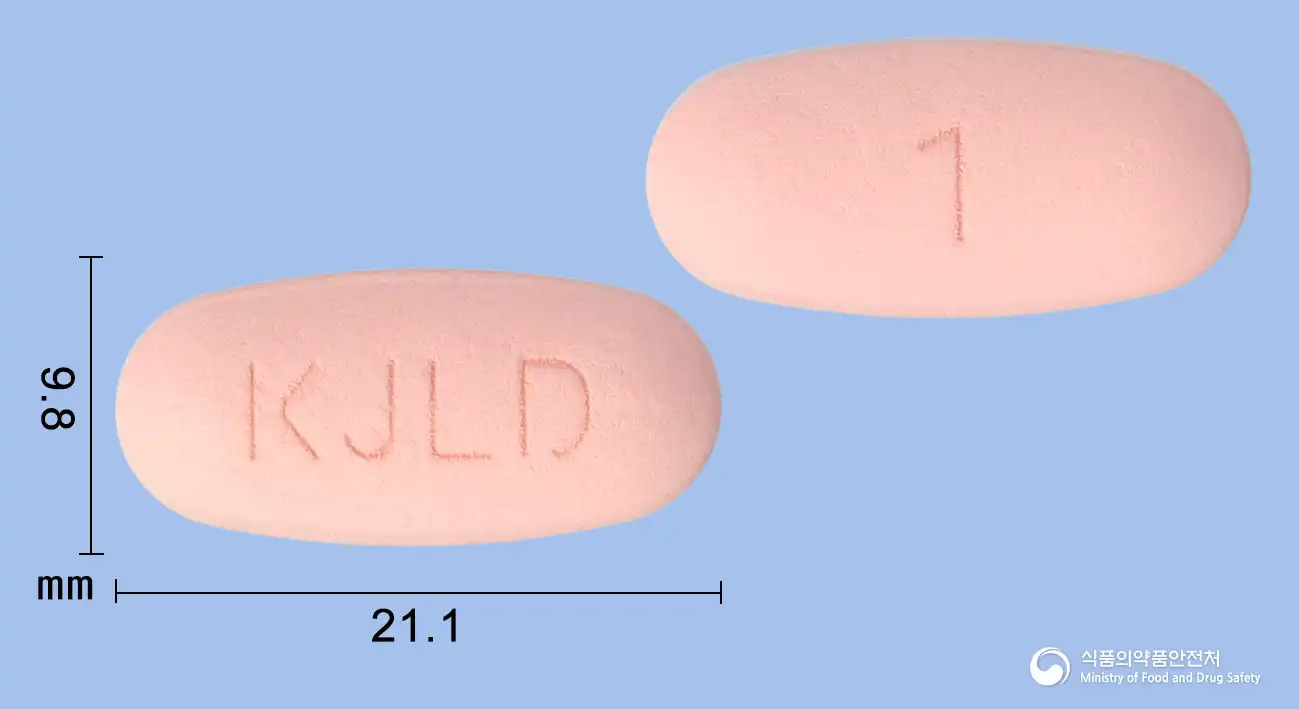 Combination
Linagliptin 2.5mg · Metformin Hydrochloride 1000mg
Tablet · Prescription medication · Combination
Kukje Pharmaceutical Co., Ltd.
 Combination
Linagliptin 2.5mg · Metformin Hydrochloride 500mg
Tablet · Prescription medication · Combination
International Pharmaceutical Co., Ltd.
Even with the same ingredient, the dose and directions can differ by strength and dosage form. Talk to a doctor or pharmacist before switching from a medication you are already taking.
No questions yet.
For anything that needs medical judgment, consult a doctor or pharmacist.
This drug information is based on data provided by the Korea Ministry of Food and Drug Safety.
Consult a doctor or pharmacist for accurate dosage, administration, and usage instructions.